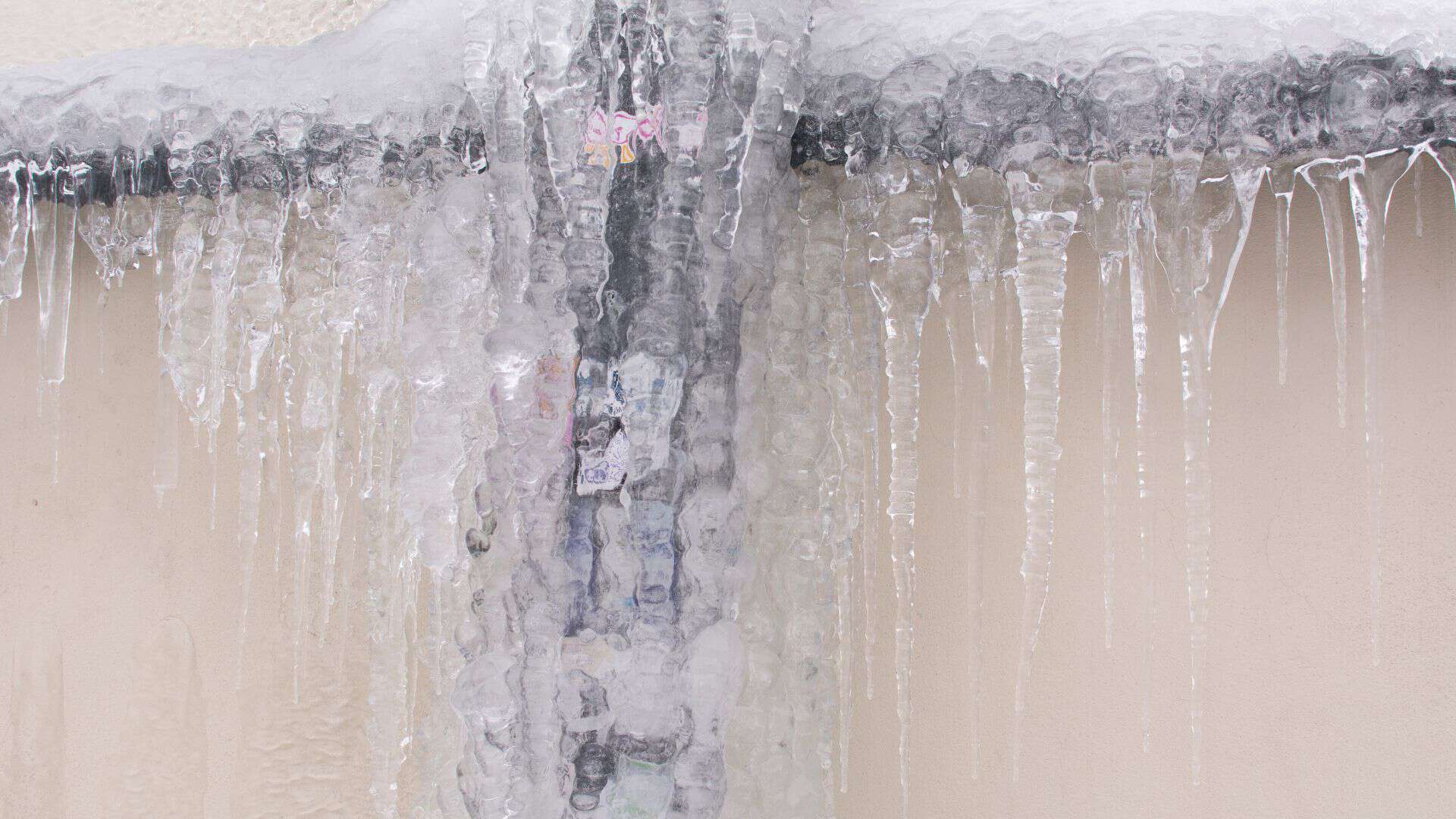
Older Evanston homes face unique frozen pipe risks due to aging plumbing systems and harsh Chicago winters.
Share:
Summary:
Many homes and buildings built during Evanston’s historic period didn’t initially have modern plumbing as part of their original design. These systems have been added and updated multiple times over the years.
Homes built prior to 1960 have lead service lines, with most water services in Evanston being older and constructed of lead pipe. This aging infrastructure wasn’t designed to handle the temperature extremes we see today.
Older homes often have galvanized steel pipes, cast iron drains, and unique routing that requires specific expertise. These materials and configurations make them particularly vulnerable to freezing.
In homes built prior to 1960, the service line was constructed of lead pipe. Between 1960 and 1980 plumbers began using copper rather than lead, but some lead pipe was still installed. The service line to homes built after 1980 were constructed of copper.
If your home was built before 1980, you’re dealing with plumbing that’s decades old. Lead pipes deteriorate over time, developing weak spots that are more susceptible to temperature changes. The more time passes, the more these pipes deteriorate and become dangerous.
You can identify your pipe material by looking at the pipe prior to the water meter. Lead pipe will have a grey color whereas copper pipe is dark orange in color. This simple check can help you understand your home’s vulnerability.
The problem gets worse when you consider Evanston’s unique soil conditions. In Evanston, where soils are extremely sandy, the frost line has plunged to about 5 feet. This deep frost penetration affects service lines that other areas wouldn’t experience.
Many homeowners don’t realize their pipes are at risk until it’s too late. Homeowners can expect to spend $7,000 replacing their pipes, and many choose to invest in store-bought water rather than risk lead exposure when they can’t afford total plumbing system revamping.
Historic Evanston homes weren’t built with frozen pipes prevention in mind. The most common places for water to freeze are areas where water pipes are closest to outside exterior walls, where the water service enters the building, or where water pipes connect to sinks adjacent to exterior walls.
Original plumbing installations often ran pipes through unheated spaces like basements, crawl spaces, and exterior walls without proper insulation. When these homes were built, insulation standards were minimal or nonexistent. Modern heating systems were added later, but the pipe routing remained problematic.
Many older homes have outdated plumbing systems that don’t meet current codes. Renovations must include upgrading outdated pipes to ensure compliance and efficiency. However, many homeowners put off these expensive upgrades until disaster strikes.
The routing problem becomes critical during extreme cold snaps. With average winter temperatures dipping to 21 degrees Fahrenheit at night, this is prime weather for a pipe to freeze, and it only takes six to eight hours on some days.
Even minor gaps in insulation can cause major problems. Cold air infiltrates through cracks around windows, doors, and foundation penetrations, creating localized freezing conditions around vulnerable pipes. Replacing galvanized steel pipes with copper or PEX is required in some cases to meet modern efficiency standards.
Evanston winters are freezing, snowy, and windy, with temperatures typically ranging from 21°F to 82°F. These aren’t just cold temperatures—they’re sustained freezing conditions that penetrate deep into your home’s infrastructure.
Chicago winters have highs just above freezing. Any time the temperature dips below 32 degrees Fahrenheit, there is a risk that your water pipes can freeze. In Evanston, this happens regularly throughout the winter months.
The combination of wind, snow, and sustained cold creates perfect conditions for pipe failures. When temperatures stay below freezing for days, even well-insulated pipes can succumb to the cold.
As water reaches freezing temperatures around 30 degrees, Evanston residents often face the threat of frozen pipes throughout the winter season. Whenever water freezes, the transition from liquid to solid expands the water, putting pressure on pipes not ready for expansion. Pipes located outside your home, or in unheated areas, are the most vulnerable.
The physics of freezing water creates enormous pressure inside your pipes. Water freezes into ice and expands, resulting in solid ice filling more volume compared with liquid water. The ice creates pressure inside of the frozen pipe which can then burst.
When temperatures plummet, water expands as it turns into ice and could exert enough pressure to rupture a pipe wall or break apart a pipe joint. As water freezes, it expands about 10 percent in volume.
What makes Evanston particularly dangerous is the sustained nature of cold snaps. With average winter temperatures dipping to 21 degrees Fahrenheit at night, whenever the temperature goes below 32 degrees Fahrenheit, there is a risk that pipes will freeze and it only takes six to eight hours on some days.
The wind chill factor makes everything worse. Evanston’s location near Lake Michigan creates wind conditions that drive cold air into every crack and crevice of your home. This wind-driven cold penetrates areas that might otherwise stay warm enough to prevent freezing.
The most common cause of frozen pipes is your furnace breaking down in the middle of the night, causing the temperatures in your home to plummet. When your heating system fails during a cold snap, pipes can freeze within hours.
Power outages during winter storms create cascading problems. Even if your furnace works, no electricity means no circulation pumps, no blower motors, and no heat distribution. If your pipes are not insulated or if your power goes out, the chance of encountering a problem due to freezing pipes increases.
Older homes often have heating systems that struggle to maintain consistent temperatures throughout the house. Basements, crawl spaces, and areas near exterior walls may not receive adequate heat even when the main living areas feel comfortable.
Emergency heating failures happen at the worst possible times—usually during the coldest nights of the year when repair services are overwhelmed. A furnace tune-up in the fall is one part of frozen pipe prevention. This service ensures your home has enough heat to protect your interior pipes and prevent freezing.
The problem compounds when homeowners try to save money by lowering thermostats during cold snaps. Keep the heat at 65 or above. If you’re gone for multiple days during cold weather, have someone check on the house. What seems like a reasonable cost-saving measure can result in thousands of dollars in damage.
Understanding these causes helps you take action before disaster strikes. An eighth-of-an-inch crack in a pipe can release up to 250 gallons of water a day, with average water damage restoration costs ranging from $3,000 to $8,000.
Prevention is always cheaper than repairs, but when pipes do freeze, professional intervention makes the difference between a minor inconvenience and a major disaster. Professional thawing processes mean you’re not gambling with your property—you’re getting expert intervention that stops the problem before it becomes a disaster.
If you’re facing frozen pipes in your older Evanston home, don’t wait for the situation to worsen. Contact us at All Rooter Hydro Jetting Experts Inc for immediate professional assistance and long-term solutions that protect your home’s unique plumbing challenges.
Article details:
Share:
Continue learning: