
Our Reviews
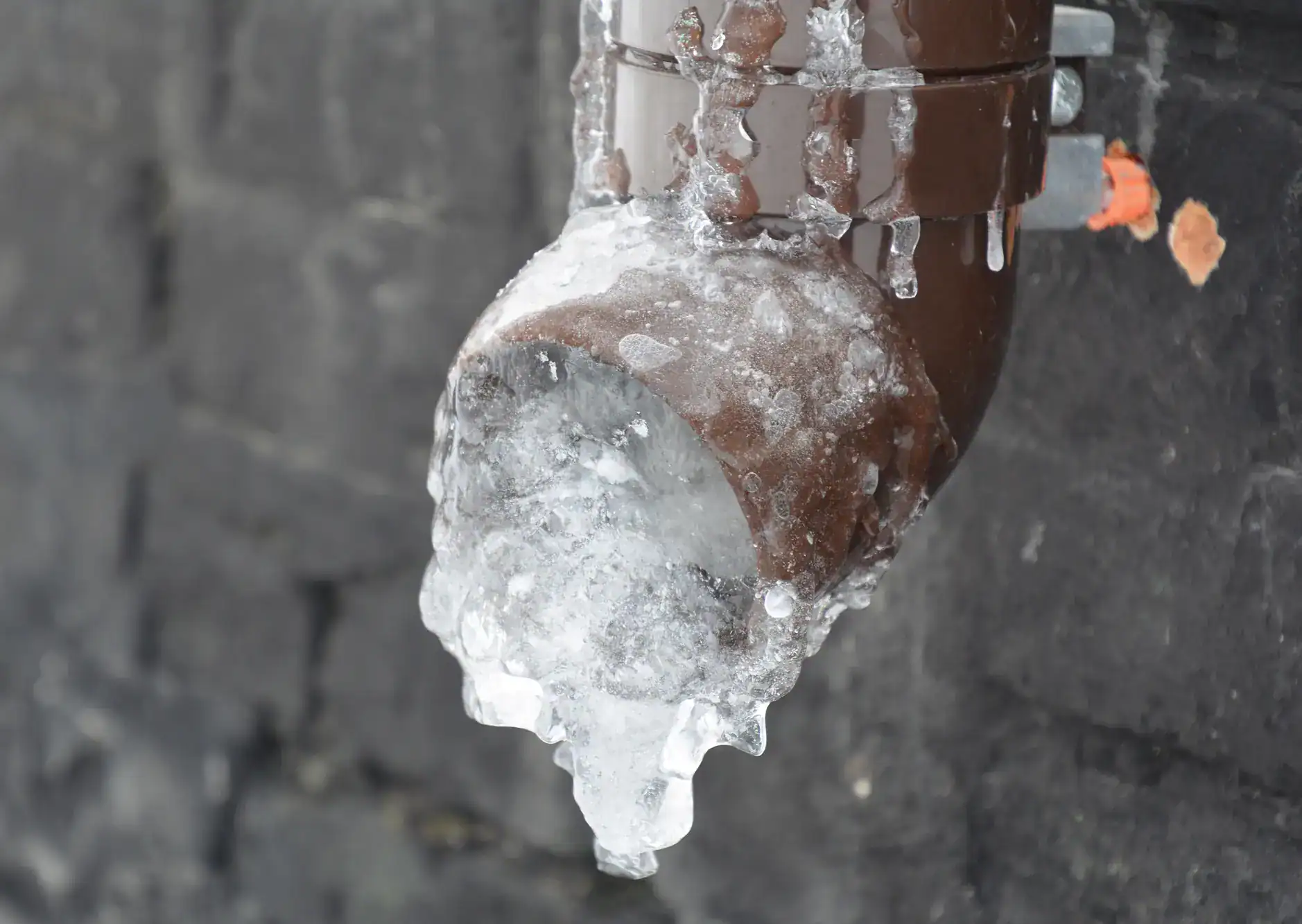
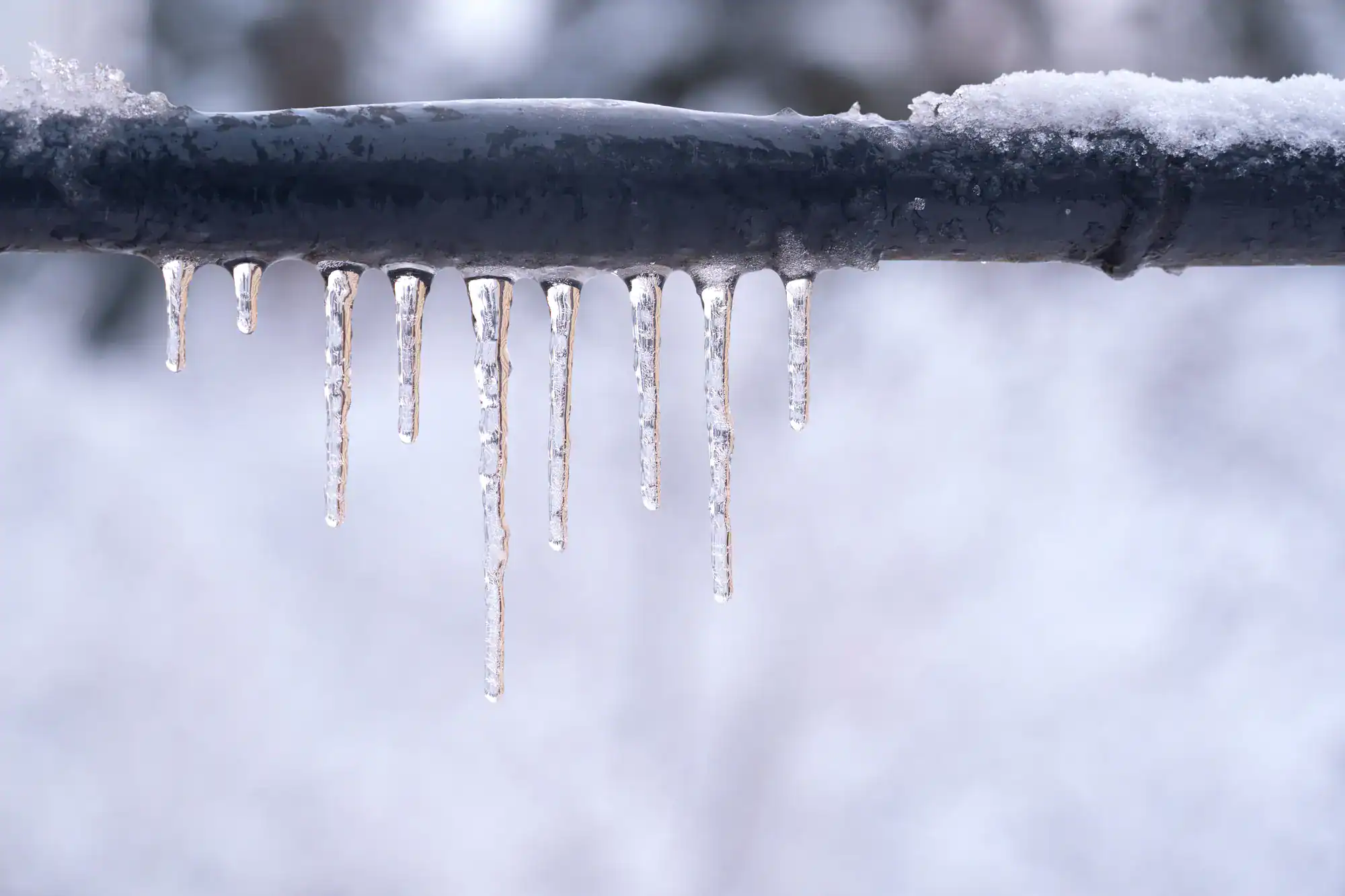
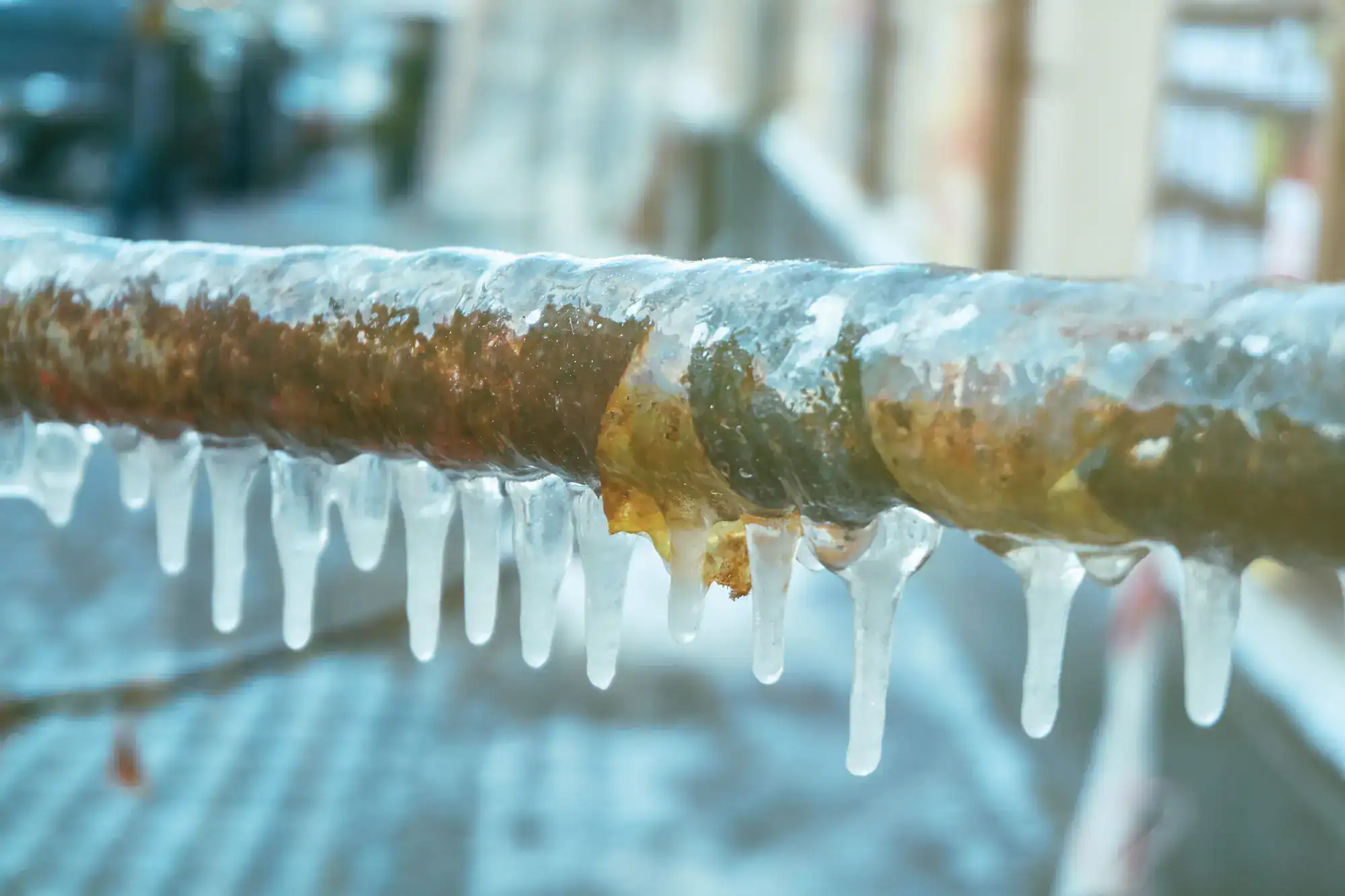
You wake up, turn the faucet, and nothing. No water means no showers, no coffee, no normal morning routine. Worse yet, those frozen pipes are ticking time bombs that could burst any moment, flooding your home with thousands of dollars in damage.
We get your water flowing again fast. Our pipe thawing service safely restores flow without damaging your plumbing system. You’re back to normal life while avoiding the nightmare of burst pipes, water damage, and insurance claims.
The difference is experience. We know exactly how to thaw frozen pipes properly, where to look for trouble spots, and how to prevent this from happening again next winter.
All Rooter Hydro Jetting Experts Inc has been serving the Chicago area’s plumbing needs with reliable, professional service. We’re licensed, bonded, and insured because your peace of mind matters as much as fixing your pipes.
Posen winters are brutal on plumbing systems. We understand the unique challenges that Chicago-area homes face when temperatures drop below freezing for days at a time. Our team knows which pipes freeze first, where the vulnerable spots are, and how to get your system back online quickly.
We’re not the cheapest option, and that’s intentional. You’re paying for expertise, proper equipment, and the confidence that the job gets done right the first time.

First, we locate the frozen section using specialized equipment that pinpoints the blockage without guesswork. No tearing into walls or floors unless absolutely necessary.
Next, we safely thaw the pipes using controlled heat application. This isn’t about blasting them with a torch and hoping for the best. We gradually restore flow while monitoring for any signs of damage or weak spots that could fail later.
Finally, we test the entire system to ensure proper flow and pressure throughout your home. We check for any damage that occurred during the freeze and address it before you’re left with a bigger problem down the road.
Ready to get started?
Our frozen pipe service includes emergency pipe thawing, burst pipe repair, and system inspection to prevent future freezing. We handle everything from minor blockages to major breaks that flood basements and crawl spaces.
Posen’s older homes are particularly vulnerable during January and February when sustained sub-zero temperatures test every joint and connection. We’ve seen pipes freeze in the same spots year after year, and we know how to reinforce these problem areas permanently.
You get same-day service when pipes freeze, honest assessment of any damage, and practical advice on preventing this from happening again. We’re not trying to sell you expensive upgrades you don’t need, but we will tell you exactly what needs attention to avoid future emergencies.
We provide 24/7 emergency service for frozen pipes because we know these problems don’t wait for business hours. Most calls get same-day response, often within a few hours depending on weather conditions and call volume.
Winter storms can create high demand, but we prioritize calls where pipes have already burst or where customers have completely lost water service. We’ll give you an honest timeframe when you call, not false promises about being there in 30 minutes when that’s not realistic.
Our emergency service includes evenings, weekends, and holidays because frozen pipes happen when temperatures drop, not when it’s convenient for anyone.
Yes, when done properly with the right equipment and experience. We use controlled thawing methods that gradually restore flow without shocking the pipes with extreme temperature changes.
The biggest mistake homeowners make is using open flames, hair dryers, or space heaters to thaw pipes themselves. This can cause pipes to expand too quickly, leading to cracks or complete ruptures. We’ve repaired plenty of DIY disasters where the “fix” caused more damage than the original freeze.
Our thawing process includes constant monitoring for any signs of damage or weakness that developed during the freeze. If we find problems, we address them immediately rather than leaving you with a pipe that’s ready to fail.
Pipes freeze when water inside them reaches 32 degrees, typically in unheated areas like basements, crawl spaces, garages, or exterior walls. Poor insulation, gaps in building materials, and inadequate heating are the main culprits.
In Posen’s climate, the most vulnerable spots are usually pipes along exterior walls, especially on the north side of buildings where they get less sun exposure. Pipes in unfinished basements and areas where cold air can circulate around plumbing are also high-risk zones.
Prevention includes proper insulation around pipes, sealing air leaks that let cold air reach plumbing, and maintaining consistent heating throughout your home. Letting faucets drip slightly during extreme cold spells can also prevent freezing by keeping water moving through the pipes.
Emergency frozen pipe service typically ranges from $200-500 for straightforward thawing, but costs increase significantly if pipes have burst or if extensive repairs are needed. We provide upfront pricing before starting any work, so you know exactly what you’re paying.
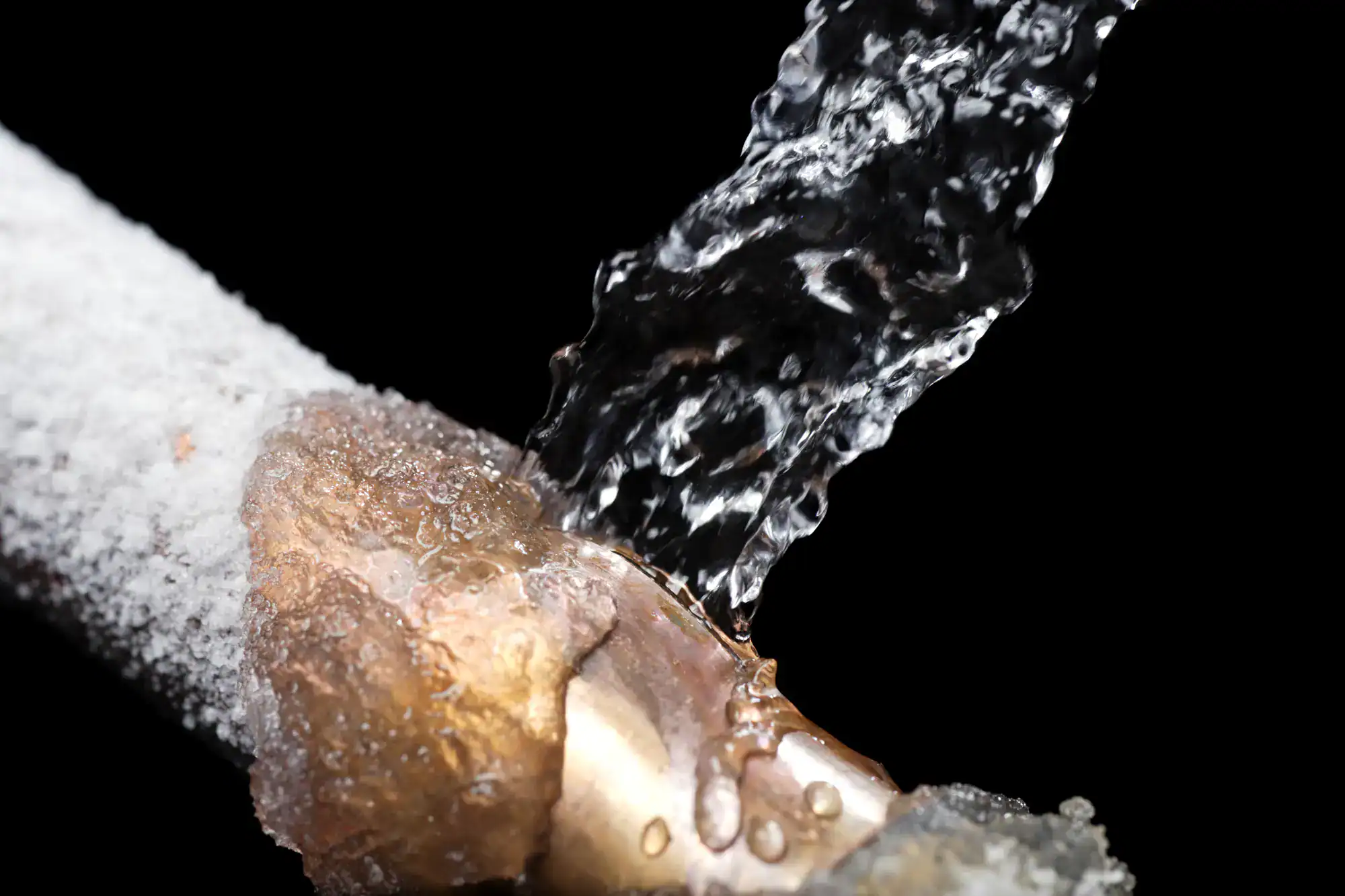
Burst pipe repairs can range from $500-2000 depending on the location, accessibility, and extent of damage. If flooding has occurred, you’re looking at additional costs for water damage restoration that often run into thousands of dollars.
The key is calling for help as soon as you notice frozen pipes, before they burst. Emergency thawing service costs a fraction of what you’ll pay for burst pipe repairs, water damage cleanup, and insurance deductibles.
You can try gentle methods like opening cabinet doors to let warm air circulate around pipes or applying warm towels to accessible frozen sections. However, avoid using any direct heat sources like torches, space heaters, or hair dryers.
If you can’t locate the frozen section easily, if pipes are inside walls or ceilings, or if you’re dealing with multiple frozen areas, call us immediately. DIY attempts often cause more damage than the original problem, especially when people use excessive heat or try to force water through blocked pipes.
The safest approach is to shut off your main water supply if you suspect frozen pipes, then call for professional help. This prevents potential flooding if pipes burst while you’re trying to thaw them yourself.
Frozen pipes don’t always burst, but the risk increases the longer they stay frozen and the more the ice expands inside them. Pipes made of different materials have varying tolerance levels, with older galvanized steel pipes being more vulnerable than newer copper or PEX systems.
The critical factor is how quickly the freezing occurred and whether there’s room for the ice to expand without creating excessive pressure. Pipes that freeze gradually over several hours are more likely to survive than those that freeze rapidly during extreme temperature drops.
Professional thawing gives frozen pipes the best chance of survival because we can control the process and monitor for signs of damage. Even if pipes don’t burst during the freeze, they may develop small cracks or weak spots that fail later, which is why professional inspection after thawing is important.