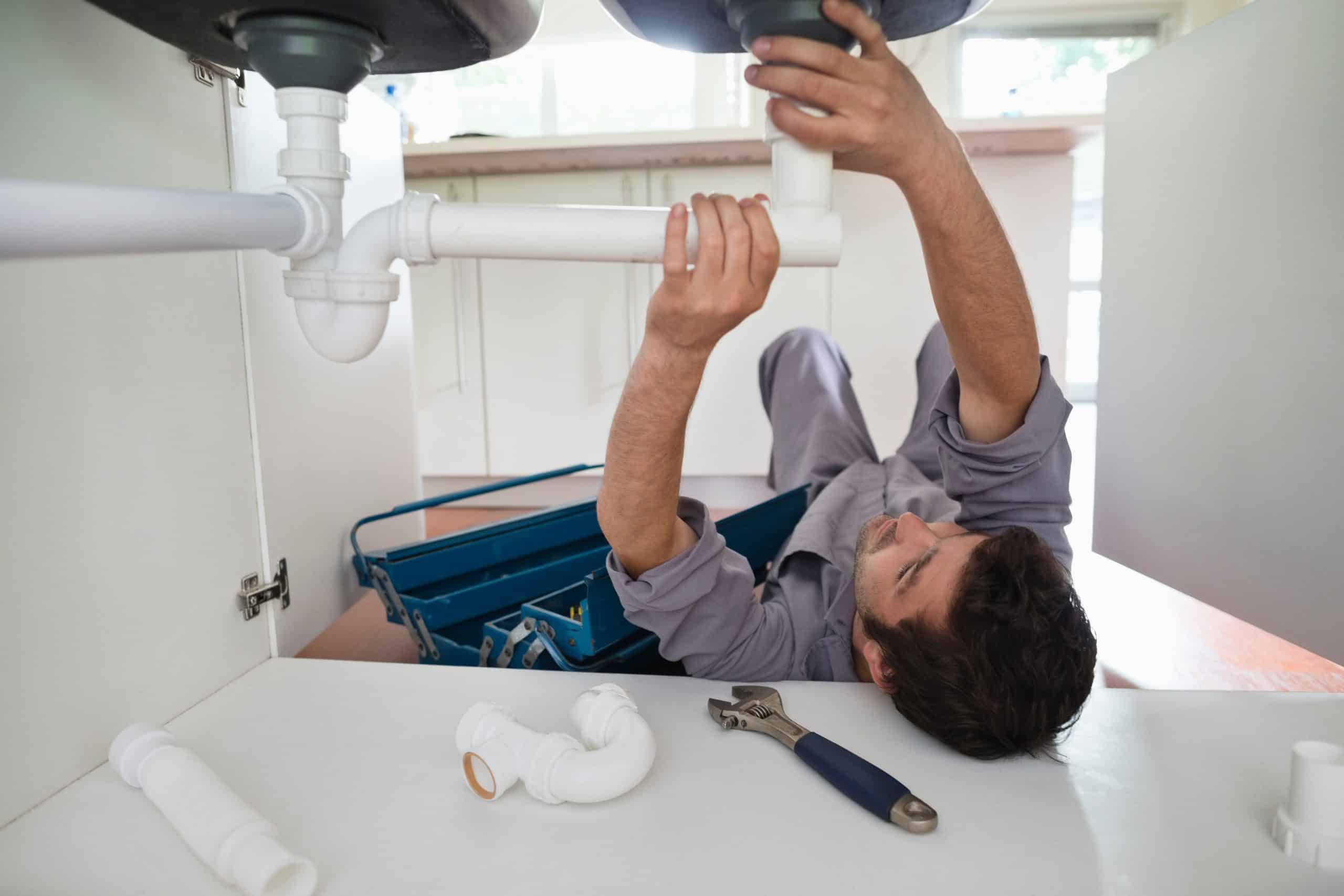
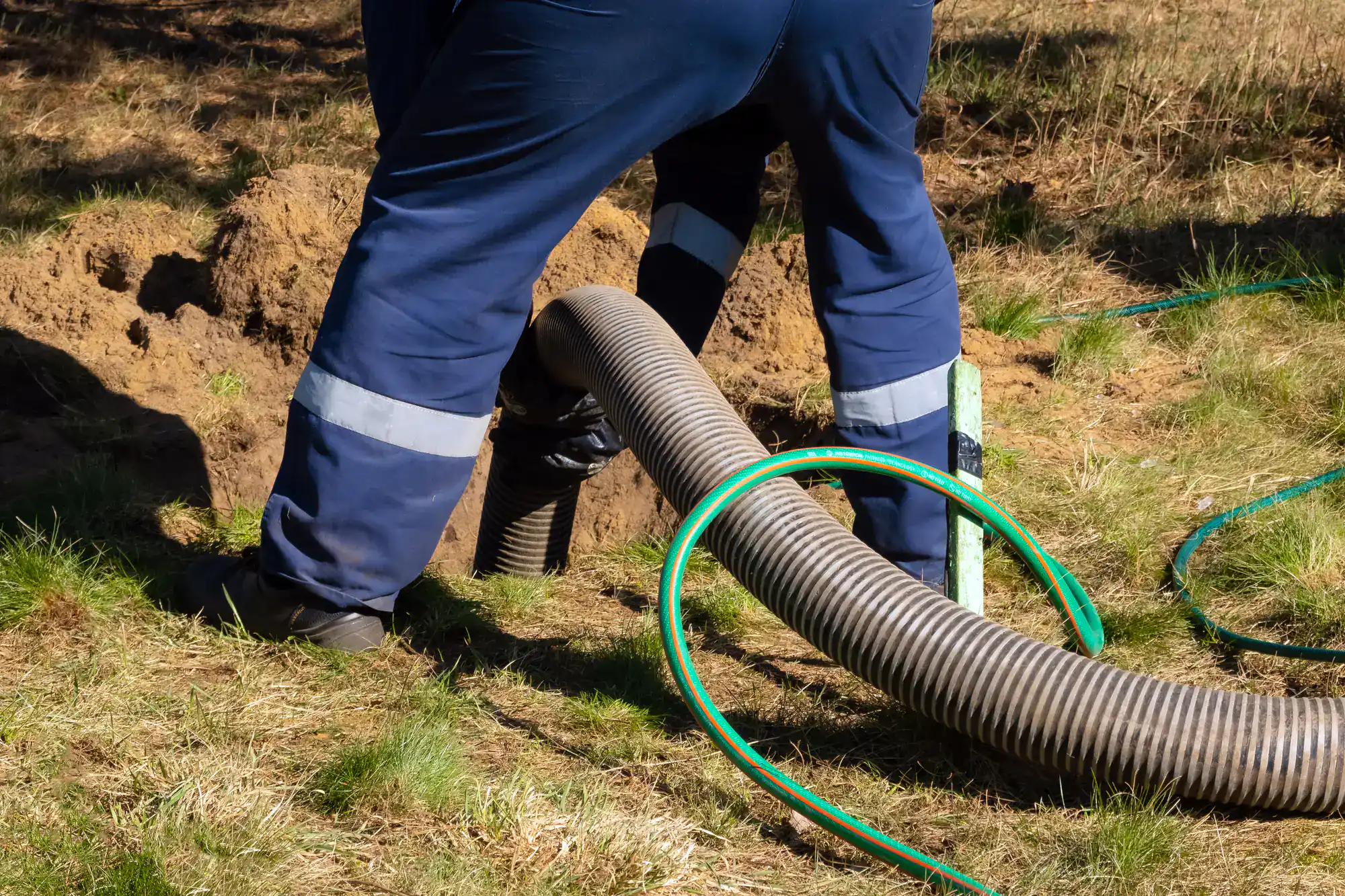
Reaching for chemical drain cleaner seems easy, but it rarely fixes the real problem. Discover why professional plumbers deliver safer, more effective solutions for clogged drains.
Share:
Summary:
Chemical drain cleaners rely on highly corrosive substances to break down whatever’s blocking your pipes. Most contain sodium hydroxide (lye), sulfuric acid, or hydrochloric acid. These chemicals generate heat—sometimes intense heat—as they react with organic materials like hair, grease, and soap scum.
The idea is that the chemical reaction will dissolve the clog and let water flow again. And sometimes, it does work. For about a week or two.
The problem is that these cleaners don’t actually remove the clog. They punch a small hole through it, just wide enough to let some water pass. The rest of the buildup stays right where it is, clinging to your pipe walls and ready to cause problems again soon.
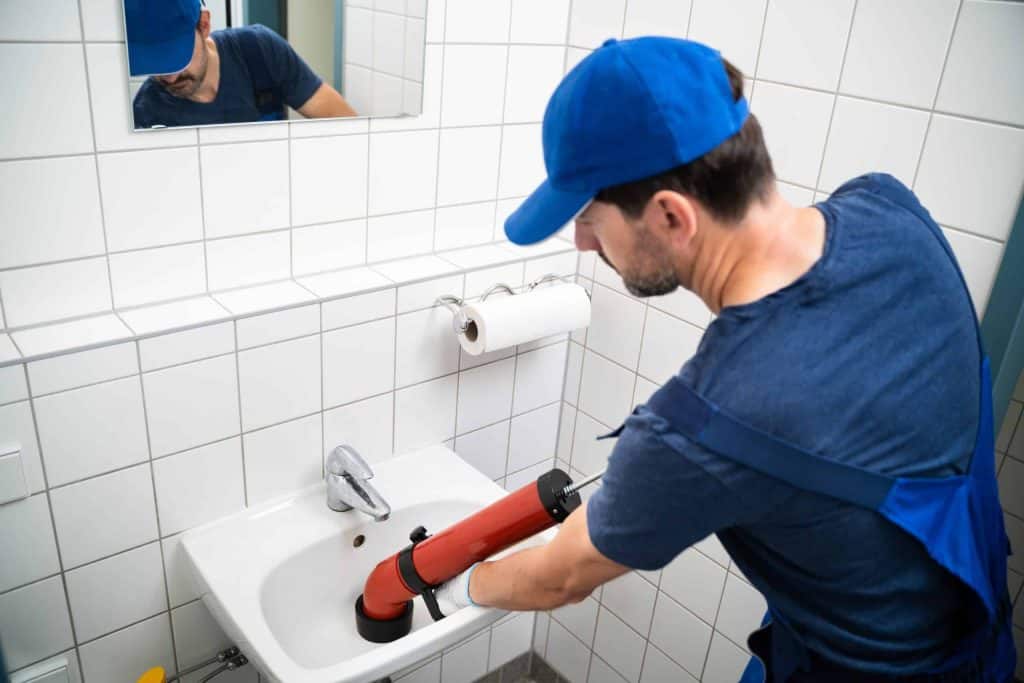
Here’s where things get expensive. Those same chemicals that generate heat to break down clogs also generate heat that affects your pipes. PVC pipes can soften or warp. Metal pipes corrode from the inside out. And if you’ve got an older home in Chicago with galvanized or cast iron pipes—which many properties built before 1950 still have—you’re looking at accelerated deterioration.
The heat isn’t the only issue. The chemicals themselves are designed to eat through organic matter, but they’re not selective about what they attack. They’ll corrode metal fittings, weaken pipe joints, and damage seals. Over time, this leads to leaks, weak spots, and eventually, pipe failure.
If the chemical cleaner doesn’t clear the clog quickly, it sits in your pipes, continuing to generate heat and cause damage. That’s especially problematic in Chicago’s older plumbing systems, where pipes may already be compromised by decades of use and corrosion. What started as a $10 bottle of drain cleaner can turn into thousands of dollars in pipe replacement and water damage repair.
And here’s something most people don’t think about: if you use chemical cleaners repeatedly—which many homeowners do because the clogs keep coming back—you’re compounding the damage with every application. Each time you pour that bottle down the drain, you’re weakening your plumbing system a little more.
We’ve seen this pattern countless times in Cook County. A homeowner calls us for an emergency repair, and when we inspect the pipes, we find extensive corrosion and damage from repeated chemical cleaner use. The original clog could have been cleared professionally for a few hundred dollars. Instead, the homeowner now faces a much larger repair bill because the pipes themselves are compromised.
Chemical drain cleaners aren’t just hard on your pipes. They’re dangerous for people, too. The fumes alone can cause serious respiratory irritation, especially in enclosed spaces like bathrooms. If you’ve ever poured drain cleaner and immediately regretted it because of the smell, that’s your body telling you those fumes aren’t safe to breathe.
Skin contact is even worse. These products can cause chemical burns within seconds. Even if you’re careful, splashback happens. Drain cleaners can spray up when you pour them into standing water, or when you try to plunge a drain that still has chemicals in it. Those splashes can hit your skin, your eyes, or your face. Burns from drain cleaner require immediate medical attention—rinsing for 15-20 minutes under running water, followed by a trip to the emergency room.
If you have kids or pets in your home, the risks multiply. Curious children might find the brightly colored bottle under the sink. Pets might walk through spilled cleaner or drink from a toilet that still has chemicals in it. Accidental poisoning from drain cleaners sends people to the hospital every year.
And then there’s the environmental impact. After you pour chemical drain cleaner down your drain, where does it go? Into your local water supply, rivers, and streams. These chemicals don’t break down quickly. They contaminate groundwater, harm aquatic life, and contribute to larger environmental problems. If you have a septic system, chemical cleaners can kill the beneficial bacteria that break down waste, leading to septic system failure and costly repairs.
Even the “safer” enzyme-based cleaners have limitations. They work slowly and aren’t effective on tough clogs. They’re better for maintenance than for solving an actual blockage. So while they’re less harmful than chemical cleaners, they’re not a solution when you’re dealing with a backed-up sink or toilet.
The bottom line is this: chemical drain cleaners create risks that most homeowners don’t fully understand until something goes wrong. And by then, the damage is done.
Professional drain cleaning is a completely different approach. Instead of pouring chemicals down your drain and hoping for the best, we use specialized equipment to diagnose the problem, remove the clog completely, and clean your pipes in the process.
The first step is usually a video camera inspection. A small, waterproof camera on a flexible cable goes into your drain and shows exactly what’s causing the blockage. Is it tree roots growing into your sewer line? A buildup of grease and soap scum? Hair tangled around a pipe joint? The camera shows us what we’re dealing with, so there’s no guesswork involved.
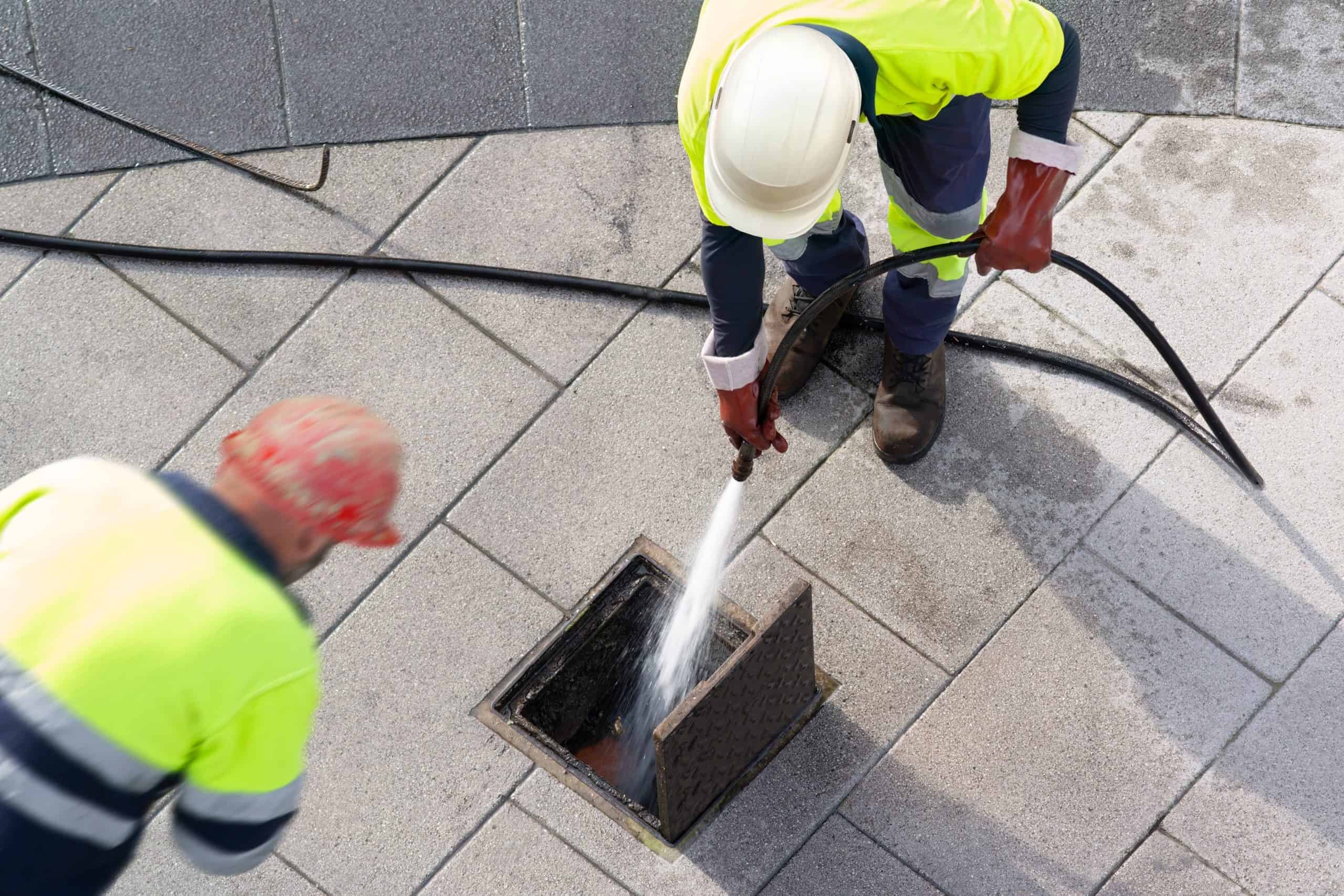
Once the problem is identified, we can choose the right tool for the job. For most clogs, that means hydro jetting—a process that uses high-pressure water to scour your pipes clean from the inside.
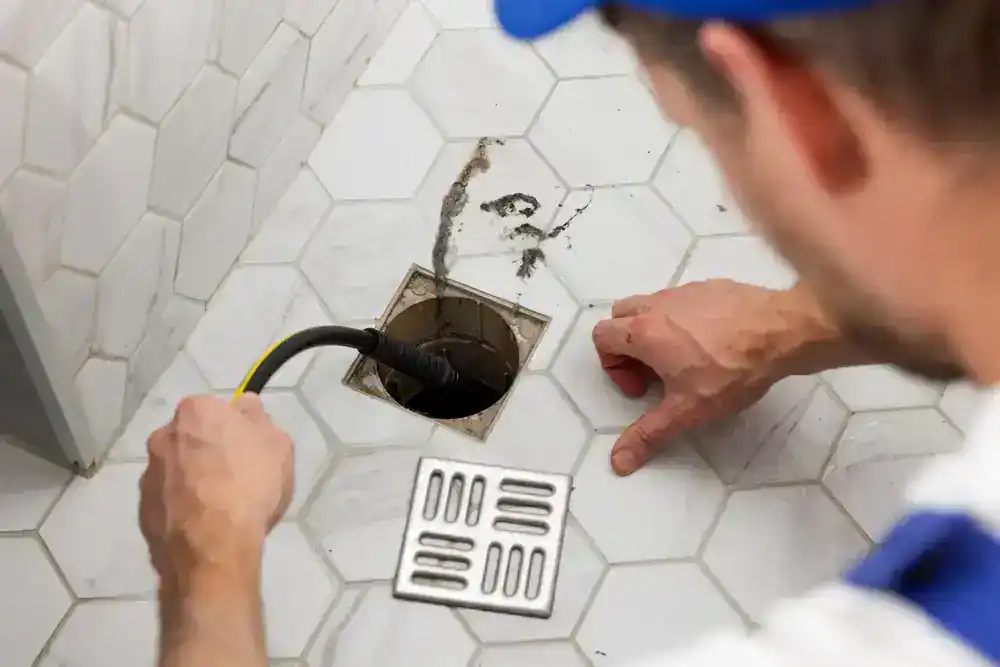
Hydro jetting uses water pressure—typically 3,000 to 4,000 PSI—to blast through clogs and clean pipe walls. A specialized nozzle shoots water in multiple directions as it moves through your pipes, cutting through grease, breaking up tree roots, and washing away years of buildup. It’s thorough, effective, and safe for your pipes when done by trained professionals.
Unlike chemical cleaners that only punch a hole through the clog, hydro jetting removes the entire blockage. It clears out the debris, flushes it out of your system, and leaves your pipes clean. That means you’re not just getting temporary relief—you’re actually solving the problem.
Hydro jetting is especially effective for Chicago’s older plumbing systems. Many homes in Cook County have cast iron or clay sewer lines that have accumulated decades of buildup. Hydro jetting can clear those lines without damaging the pipes, as long as we adjust the pressure based on the pipe material and condition. That’s why the video inspection comes first—it lets us see what we’re working with and choose the right pressure settings.
For severe blockages, we may use mechanical cutting tools before hydro jetting. If tree roots have grown into your sewer line, for example, a cutting head can break through the roots, and then hydro jetting washes them away. The combination of tools ensures the job gets done right.
After the cleaning is complete, we often do a follow-up video inspection to confirm the blockage is completely gone. You get to see the before and after, so you know the problem is actually solved. No wondering if the clog will come back next week. No hoping the water keeps draining. You have visual proof that your pipes are clear.
Most residential drain cleaning jobs take one to three hours, depending on the severity of the clog and the accessibility of the pipes. Simple clogs clear quickly. More complex issues—like main sewer line blockages or extensive root intrusion—take longer. But even the toughest jobs are usually done in a few hours, and you’re left with a plumbing system that works the way it should.
At first glance, chemical drain cleaner seems cheaper. A bottle costs $10 to $20. Professional drain cleaning costs a few hundred dollars. But here’s the reality: that $10 bottle doesn’t fix the problem. It might work for a week or two, but then the clog comes back. So you buy another bottle. And another. Over the course of a year, you’ve spent hundreds of dollars on a solution that never actually solved anything.
Meanwhile, the repeated use of chemical cleaners is slowly damaging your pipes. Eventually, those pipes will need repair or replacement. In Cook County, repiping a home can cost anywhere from $8,000 to $15,000, depending on the size of the property and the extent of the damage. That’s a lot more expensive than calling us in the first place.
Professional drain cleaning solves the problem the first time. You’re not dealing with recurring clogs every few weeks. You’re not buying bottle after bottle of chemicals. And you’re not risking long-term damage to your plumbing system. The upfront cost is higher, but the long-term savings are significant.
There’s also the cost of water damage to consider. If a clog causes a backup and sewage floods your basement, you’re looking at cleanup costs, property damage, and potentially even mold remediation. Professional drain cleaning prevents those disasters by addressing the root cause of the clog before it becomes an emergency.
And then there’s the value of your time. How many hours have you spent dealing with a slow drain or a toilet that won’t flush? How many trips have you made to the hardware store for drain cleaner? How much stress have you dealt with, wondering if the problem will get worse? We handle all of that in a few hours, and you’re done. No more worrying about it. No more wasted weekends trying DIY fixes that don’t work.
For Chicago homeowners, especially those with older properties, professional drain cleaning is also an investment in the longevity of your plumbing system. Regular maintenance—typically once or twice a year—keeps your drains clear and catches small problems before they become big ones. It’s preventive care for your pipes, and it pays off in fewer emergencies and lower repair costs over time.
Chemical drain cleaners promise a quick fix, but they rarely deliver. They damage your pipes, create health risks, and provide only temporary relief. The clog comes back, and you’re stuck in a cycle of pouring more chemicals down your drain while the problem gets worse.
Professional drain cleaning solves the actual problem. It removes the clog completely, cleans your pipes, and gives you long-term results. It’s safer for your plumbing system, safer for your family, and more cost-effective over time.
If you’re dealing with a clogged drain in Cook County, IL, the choice is clear. Skip the chemicals and call a professional who can do the job right the first time. At All Rooter Hydro Jetting Experts Inc , we specialize in drain cleaning, hydro jetting, and plumbing repair throughout the Chicagoland area. With upfront pricing, 24/7 emergency service, and experienced professionals who understand Chicago’s unique plumbing challenges, we’re ready to help you solve your drain problems for good.
Article details:
Share:
Continue learning: