A burst pipe can turn into a $50,000 problem in hours. Here's exactly what to do the moment it happens — before the damage gets out of hand.
Share:
Summary:
Water on the floor. A sound you’ve never heard before coming from inside the wall. Your stomach drops — and your first instinct is probably to panic. That’s understandable. But what you do in the next 10 minutes will determine whether this costs you $500 or $50,000. That’s not an exaggeration. A burst pipe releasing water for even a few hours can soak through subfloor, drywall, and insulation in ways that take weeks and thousands of dollars to undo. The good news is that the steps are simple — you just need to know them before the moment arrives.
The single most important thing you can do when a pipe bursts is shut off your main water supply. Not after you find the pipe. Not after you call someone. Right now. Every second the water stays on, it’s spreading — into your floors, your walls, your ceiling if the pipe is above you.
Most homes in Cook County, IL have the main shutoff valve in the basement near the front foundation wall, or sometimes in a utility room near the water heater. If you’ve never located yours, now is a good time to go find it before you ever need it.
Once the water is off, turn off the electricity to any rooms where water is present or spreading. Water and live outlets are a serious safety hazard, and it’s easy to overlook in the chaos of a burst pipe. After that, open a cold faucet somewhere in the house to drain the remaining pressure from the pipes. These three steps — water off, power off, pressure released — are the foundation of every burst pipe response, and they’re all things you can do yourself before any professional arrives.
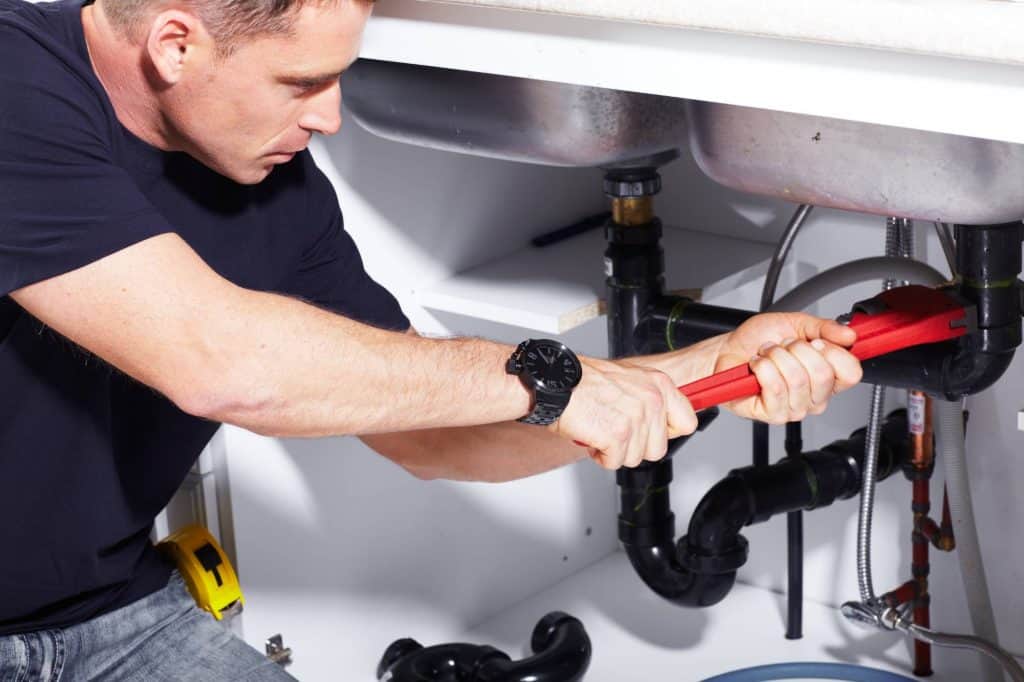
Once you’ve stopped the flow and made the space safe, the next phase belongs to a licensed plumber. But understanding what they’re doing — and why — helps you ask the right questions and avoid being caught off guard by the scope of the work.
The first thing a qualified plumber should do is assess where the break actually is and what caused it. This matters more than most homeowners realize. A burst pipe is a symptom. The cause could be a frozen section that thawed too fast, a corroded joint that finally gave out, excessive water pressure that stressed a weak point, or simply a pipe that’s 70 years old and well past its working life.
In Cook County, where a significant portion of the housing stock was built before 1960, that last one is more common than you’d think. Homes in neighborhoods like Bridgeport, Back of the Yards, and across the near south suburbs often still have original galvanized steel supply lines — and galvanized steel rusts from the inside out over time, quietly narrowing until the pipe can’t hold anymore.
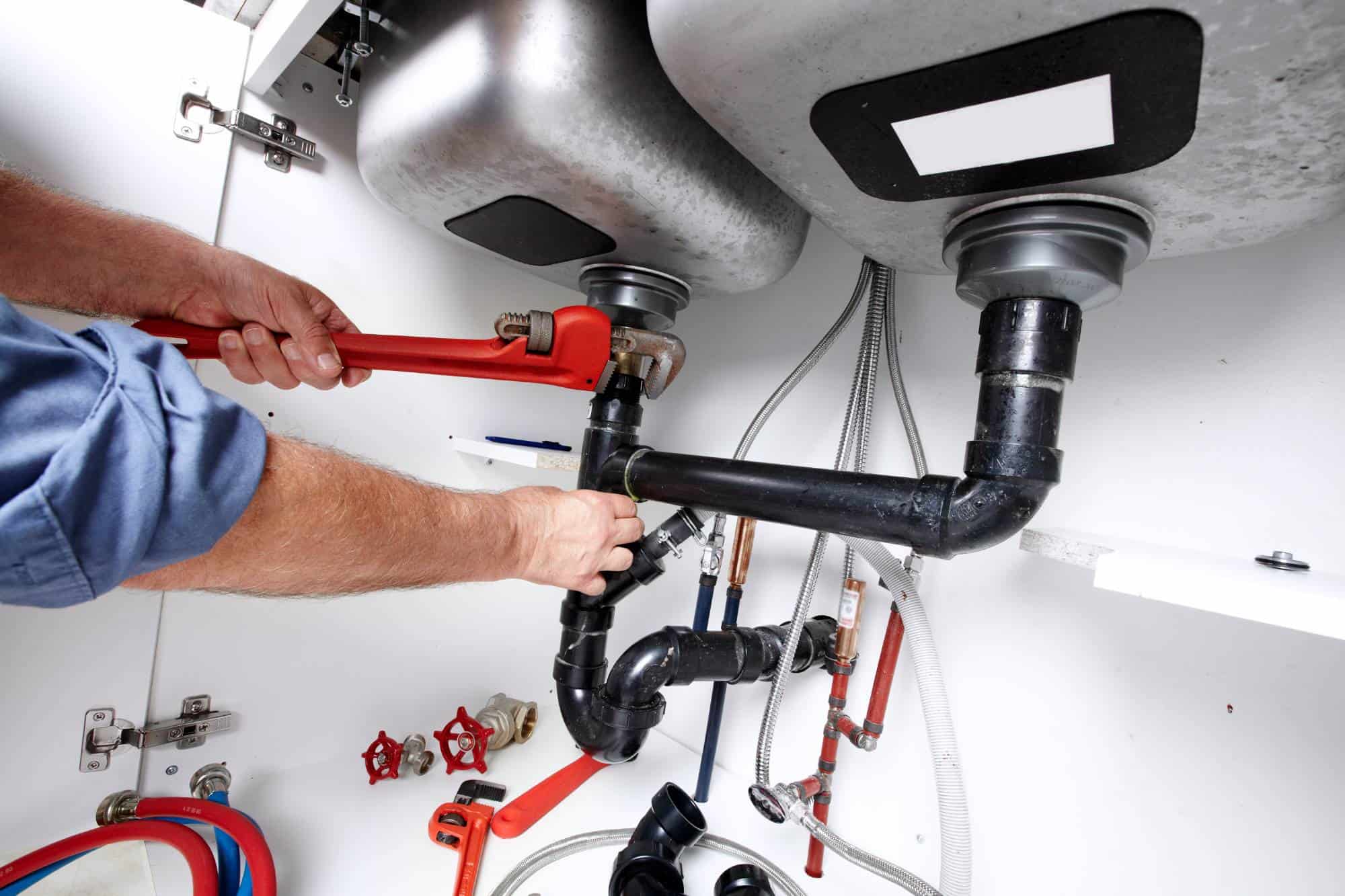
A plumber who skips the diagnosis and goes straight to the patch is doing you a disservice. The repair itself — cutting out the damaged section and replacing it with new pipe — is straightforward when the cause is clear. But if the underlying issue isn’t addressed, you’re likely looking at another failure down the line, possibly in a different section of the same deteriorating pipe.
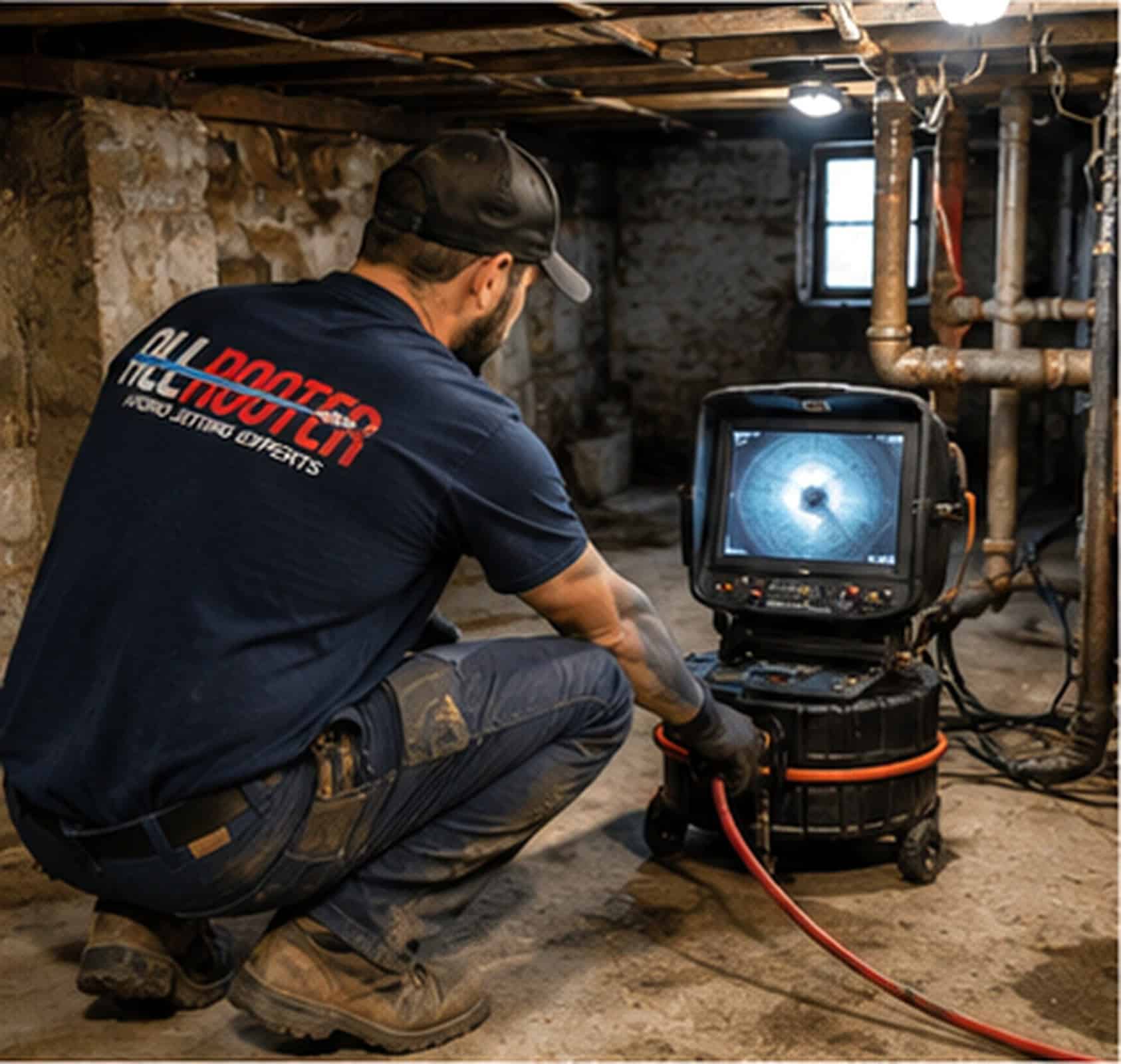
Before we recommend any repair at All Rooter Hydro Jetting Experts Inc, we run a camera inspection through the affected line. You see exactly what we see — the break, the condition of the surrounding pipe, and whether there are other areas of concern. It’s not about finding more problems to charge you for. It’s about making sure the repair we do actually solves the problem and doesn’t leave you calling us again in six months.
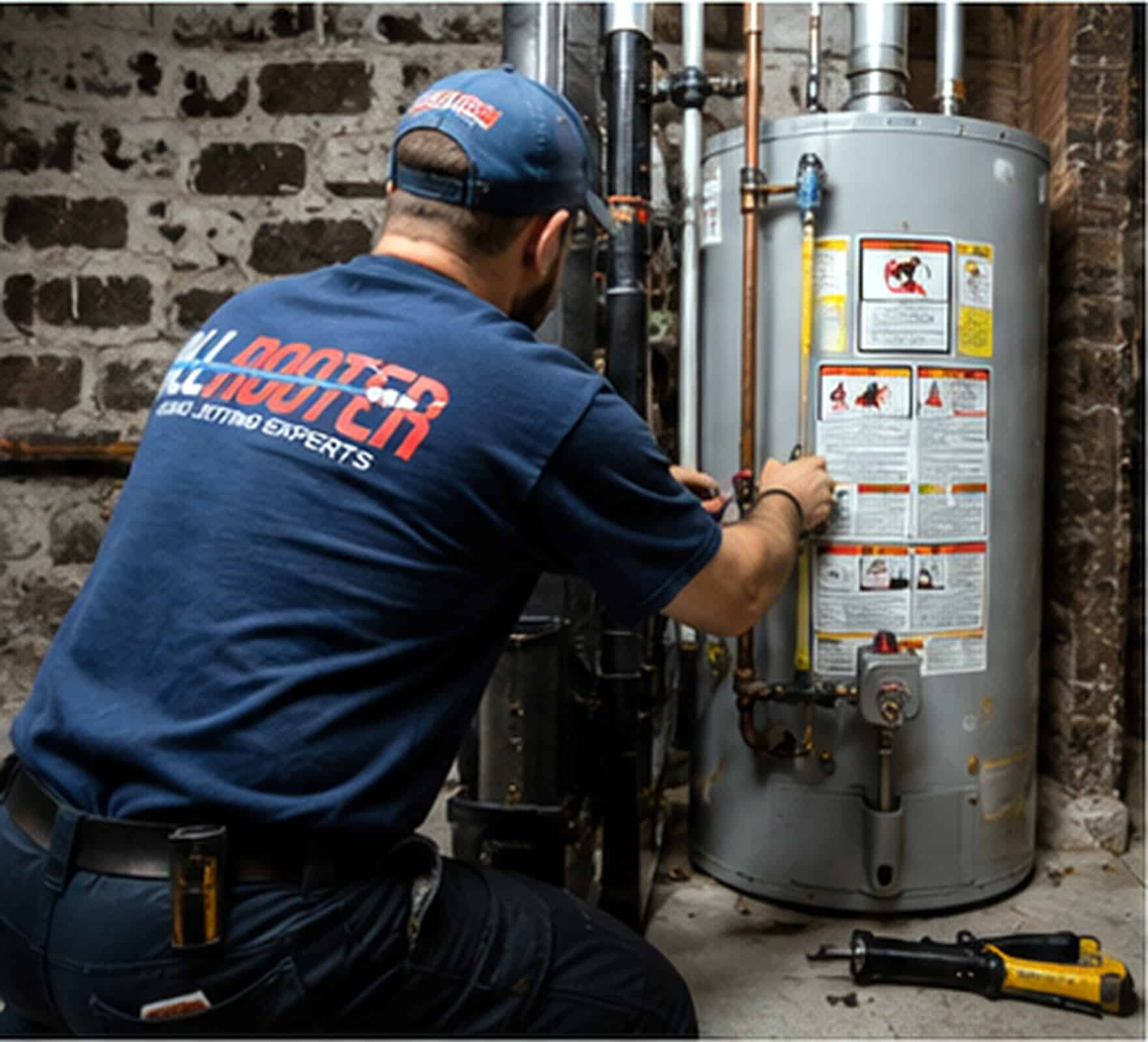
After the pipe section is repaired or replaced, the system gets pressure-tested to confirm the fix is holding before we leave. That step matters — a repair that looks clean can still leak at the joint if it isn’t properly tested.
Most burst pipe guides tell you what to do. Fewer cover the mistakes that turn a bad situation into a catastrophic one — and in the panic of the moment, those mistakes are easy to make.
The most common one is waiting. A lot of homeowners see a slow drip from a ceiling or a small wet patch on the wall and decide to monitor it overnight before calling anyone. The problem is that mold can begin growing within 24 to 48 hours of water exposure. What looks like a contained drip on the surface can be a soaked wall cavity behind it. By morning, you may have a remediation problem on top of a plumbing problem.
Another mistake is using temporary DIY patches — plumber’s tape, epoxy putty, pipe clamps from the hardware store — as a permanent fix. These materials can slow an active leak while you wait for a plumber, but they are not repairs. They can and do fail, sometimes suddenly, and when they do, the pipe is often in worse shape than before because the underlying issue was never addressed.
A third mistake — and one that can have real financial consequences — is hiring an unlicensed plumber to save money in an emergency. In Illinois, plumbers are required to hold a state license through the Illinois Department of Public Health. Working within Chicago city limits requires a separate city license on top of that. If you hire someone without the proper credentials and something goes wrong, your homeowner’s insurance claim can be denied. The few hundred dollars you saved on labor can cost you the entire claim. Always ask for license numbers before anyone starts work, and verify them if you have any doubt.
Finally, don’t skip documenting the damage before cleanup begins. Take photos and video of everything — the burst pipe, the water spread, the affected materials. Your insurance company will need this, and the more thorough your documentation, the smoother the claims process tends to go.
Cost is probably the first thing running through your mind after the initial panic subsides. That’s completely reasonable — you’re trying to understand the scope of what you’re dealing with.
In the Chicago area and throughout Cook County, burst pipe repair typically runs between $415 and $1,560 for the pipe repair itself. If there’s water damage that requires extraction and drying, that can add another $1,040 to $2,080 on top of the repair cost.
Emergency plumbing rates can run significantly higher than standard daytime rates — sometimes two to three times the normal hourly cost — which is why having a plumber who gives you a clear estimate before starting work is genuinely important, not just a nice-to-have.

The short answer is: often yes, but not always — and the details matter more than most people expect.
Standard homeowner’s insurance policies in Illinois typically cover sudden and accidental water damage from a burst pipe. If a pipe fails without warning and water damages your floors, walls, or belongings, that’s generally a covered event. What insurance tends not to cover is damage from a slow, gradual leak that went unaddressed — the kind where a small drip behind a wall eventually causes significant mold or structural damage over months. Insurers treat that as a maintenance failure, not a sudden event.
There are a few things that can complicate or void a claim entirely. Using an unlicensed contractor for the repair is one of them, as mentioned above. Failing to document the damage before cleanup is another — adjusters need to see the extent of the loss, and photos taken after the fact often can’t capture what was there. Acting too slowly is a third. Most policies require you to take reasonable steps to mitigate damage once you’re aware of a problem. If you knew about a failing pipe and waited days to address it, the insurer may argue that the subsequent damage was preventable.
In Cook County, older homes with aging cast iron or galvanized steel pipes can complicate insurance conversations. If an adjuster determines that the pipe failure was due to long-term deterioration rather than a sudden event, coverage may be partial or disputed. This is another reason why a camera inspection and a documented professional diagnosis are valuable — they create a clear record of what happened and when, which supports your claim rather than leaving it open to interpretation.
If you’re unsure about your coverage, call your insurance company before the plumber leaves. Get the plumber’s written assessment, keep all receipts, and ask your insurer specifically what documentation they need to process the claim.
Cook County is home to some of the oldest residential plumbing in the country. A large portion of the housing stock across Chicago’s south and west sides, and throughout the inner-ring suburbs, was built between the 1900s and the 1950s. That means a lot of homes are still running on original or near-original plumbing infrastructure — cast iron drain lines, galvanized steel supply pipes, and in some cases lead service lines that are now subject to mandatory replacement under city and state regulations.
Galvanized steel pipes have a functional lifespan of roughly 40 to 70 years. Many Cook County homes have pipes that are well past that threshold. These pipes don’t fail dramatically at first — they corrode slowly from the inside, narrowing the interior diameter and weakening the walls over decades. The burst, when it comes, can feel sudden. But the conditions that caused it have been building for years.
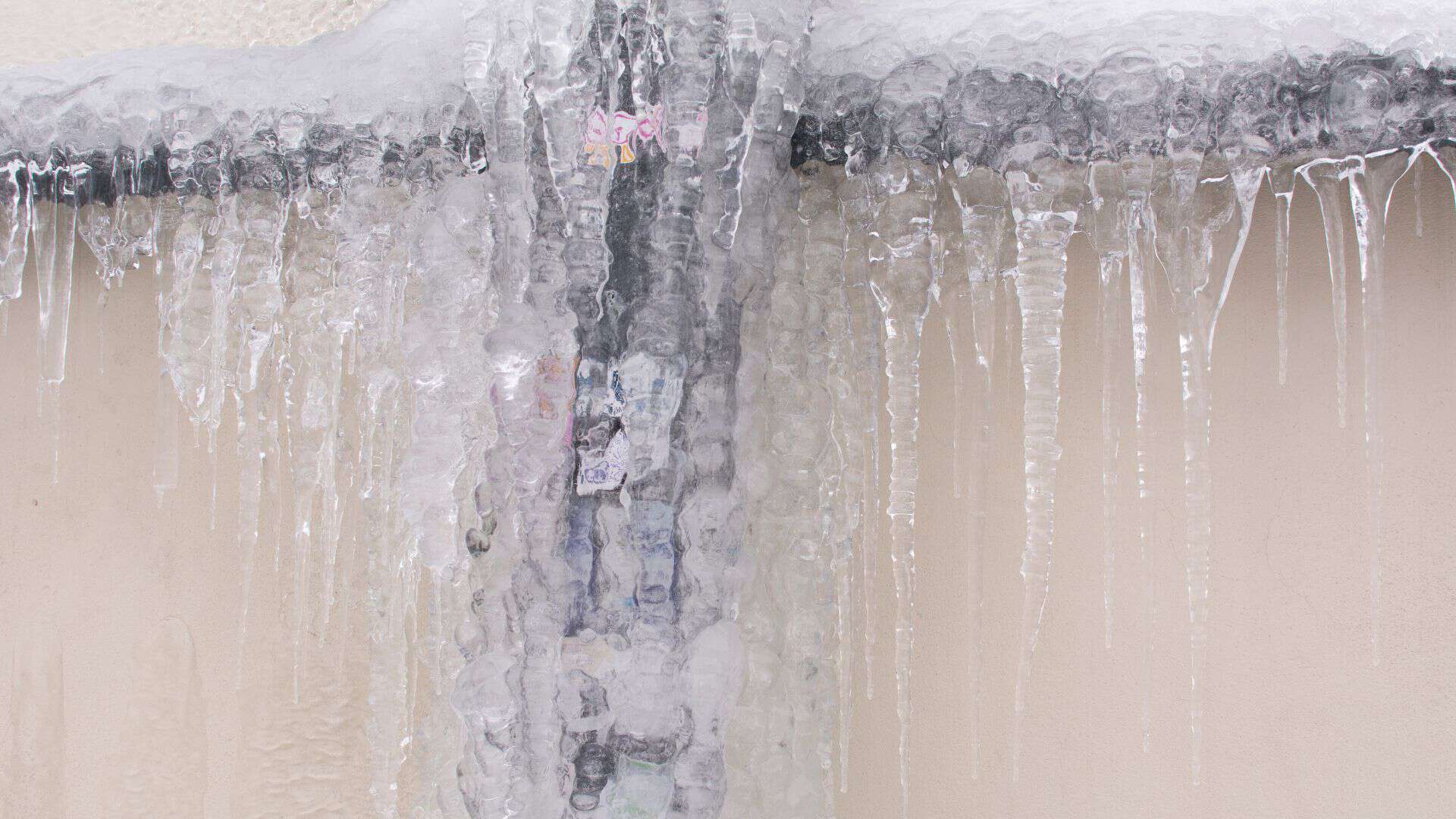
Chicago’s winters make an already vulnerable system more susceptible. When temperatures drop below freezing — and in a polar vortex year, they can drop to -10°F or colder — any pipe that runs through an uninsulated exterior wall, an unheated attic, or a drafty crawl space is at risk. The water inside expands as it freezes, and the pressure that builds up can split a pipe even before the ice fully thaws. The freeze-thaw cycling that Cook County experiences — temperatures swinging above and below freezing repeatedly through late fall and early spring — is particularly hard on older joints and connections.
We’ve been working in this market since 2000, and we know what Cook County plumbing looks like from the inside. The two-flats in Pilsen, the bungalows in Cicero, the older colonials in Oak Park — they each have their own plumbing quirks, and a generic repair approach doesn’t always account for what’s actually behind the walls. That local knowledge is something we bring to every job at All Rooter Hydro Jetting Experts Inc, and it’s part of why our camera inspection step matters so much. We’re not guessing at what’s in your walls based on what’s typical somewhere else. We’re looking at what’s actually there.
If there’s one thing to take away from all of this, it’s that speed and sequence are everything. Shut off the water first. Make the space safe second. Then call a licensed, insured plumber who will show you what’s wrong before asking you to approve anything.
A burst pipe is stressful, but it doesn’t have to become a financial disaster. The homeowners who fare best are the ones who act fast, document everything, and work with a plumber who treats the repair as a diagnosis — not just a patch.
If you’re dealing with a burst pipe in Cook County right now, or you want to get ahead of aging pipes before they become an emergency, All Rooter Hydro Jetting Experts Inc is available 24 hours a day, seven days a week. You can call or text — whichever is easier in the moment. We’ll give you a straight answer on what it’s going to take, before any work begins.
Article details:
Share:
Continue learning: