Chicago winters freeze pipes fast. Learn how to prevent bursts, recognize warning signs, and get emergency help before your basement becomes an indoor pool.
Share:
Summary:
Water expands when it freezes. That’s the simple science behind a complicated problem.
When temperatures drop to 20°F or below, water inside your pipes turns to ice and expands by about 9%. That expansion creates pressure—sometimes exceeding 40,000 psi—against the pipe walls. Eventually, something has to give. The pipe cracks, splits, or bursts completely.
Here’s what makes Cook County especially brutal: extended cold snaps. It’s not just one night below freezing. Chicago winters can keep temperatures below 20°F for days or weeks, with windchills hitting -40°F. Your pipes don’t get a break. The longer they stay frozen, the higher the pressure builds, and the more likely you’ll face a burst.
Chicago’s housing stock wasn’t built for easy plumbing. Many homes date back decades, with pipes running through locations that made sense then but create headaches now.
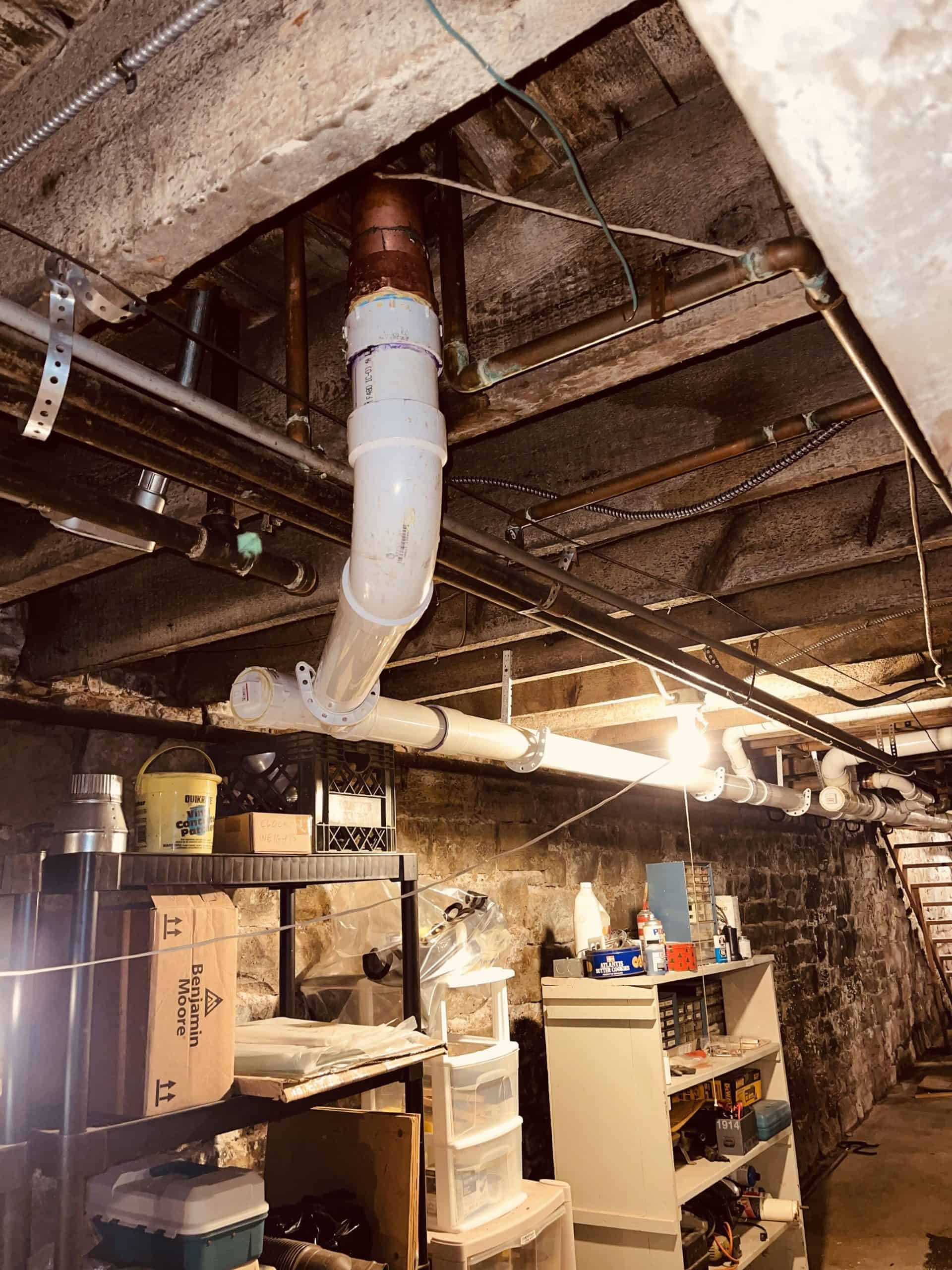
Basements are ground zero for frozen pipe problems. About 37% of all frozen pipe failures happen in basements, and Chicago homes almost universally have them. The city’s freeze-thaw cycles make basement foundations vulnerable, and pipes running along exterior walls get hit hardest. Add in crawl spaces with minimal insulation, attics where heat doesn’t reach, and older homes with gaps in the building envelope, and you’ve got perfect conditions for freezing.
Cook County’s combined sewer system adds another layer of complexity. When pipes freeze and burst, you’re not just dealing with clean water. Depending on where the break occurs, you might face contaminated water backing up into your basement. That’s not just property damage—it’s a health hazard requiring professional remediation.
The age factor matters too. Homes built before modern insulation standards have pipes in vulnerable spots. Exterior wall runs, unheated garages with water lines, and outdoor spigots without proper winterization all become weak points when temperatures plummet. Even newer homes can have problems if pipes weren’t positioned correctly during construction or if additions created new exposure points.
Location within Cook County affects your risk. Homes near Lake Michigan deal with more severe wind chill. Properties in older neighborhoods with mature trees face root intrusion that weakens pipes over time. Areas with aging infrastructure might have water mains that struggle during extreme cold, creating pressure fluctuations that stress your home’s plumbing.
You don’t always get a dramatic flood. Sometimes frozen pipes give you warning signs if you know what to look for.
No water flow is obvious. You turn on the faucet and nothing comes out, or you get a trickle instead of normal pressure. That’s ice blocking the line. Check multiple faucets. If one works but another doesn’t, the problem is localized to specific pipes—usually those on exterior walls or in unheated spaces.
Frost on exposed pipes tells you exactly where the problem is. If you can see your pipes and they’re covered in frost or ice, they’re frozen. This happens most often in basements, crawl spaces, and anywhere pipes run along exterior walls without insulation.
Strange sounds from your plumbing mean something’s wrong. Gurgling when you flush the toilet, clanging inside walls, or banging when you turn on faucets can all indicate ice blockage creating pressure problems. Water trying to move past ice makes noise.
Odd smells coming from drains suggest water isn’t flowing properly. When pipes freeze, water gets trapped and can start to stagnate. You might notice unusual odors from sinks or floor drains, especially in basements.
Visible bulges in pipes are an emergency. If you see a section of pipe that looks swollen or distorted, ice has already expanded inside. That pipe is moments away from bursting. Turn off your main water supply immediately and call for emergency pipe repair.
The temperature pattern matters too. If it’s been below 20°F for more than six to eight hours, your risk increases dramatically. Chicago’s polar vortex events—those stretches where temperatures stay brutally cold for days—are when most frozen pipe emergencies happen. During these periods, even pipes that normally stay warm can freeze solid.
Here’s the truth about DIY frozen pipe thawing: it works sometimes, and it causes disasters other times. The difference comes down to technique, equipment, and knowing when you’re in over your head.
A hair dryer or space heater can thaw accessible pipes if you use them correctly. The key word is “correctly.” You need gradual, even heating across the entire frozen section. Blast one spot with high heat and you risk thermal shock—sudden temperature changes that cause pipes to crack. Heat too quickly and pressure builds faster than ice melts, leading to bursts.
Professional thawing uses controlled heat application. Specialized equipment warms the entire frozen section gradually, preventing the pressure spikes that cause bursts. That’s the difference between a $200 thawing service and a $5,000 burst pipe disaster.

Some situations require professional help immediately. Don’t wait, don’t try DIY methods, just call.
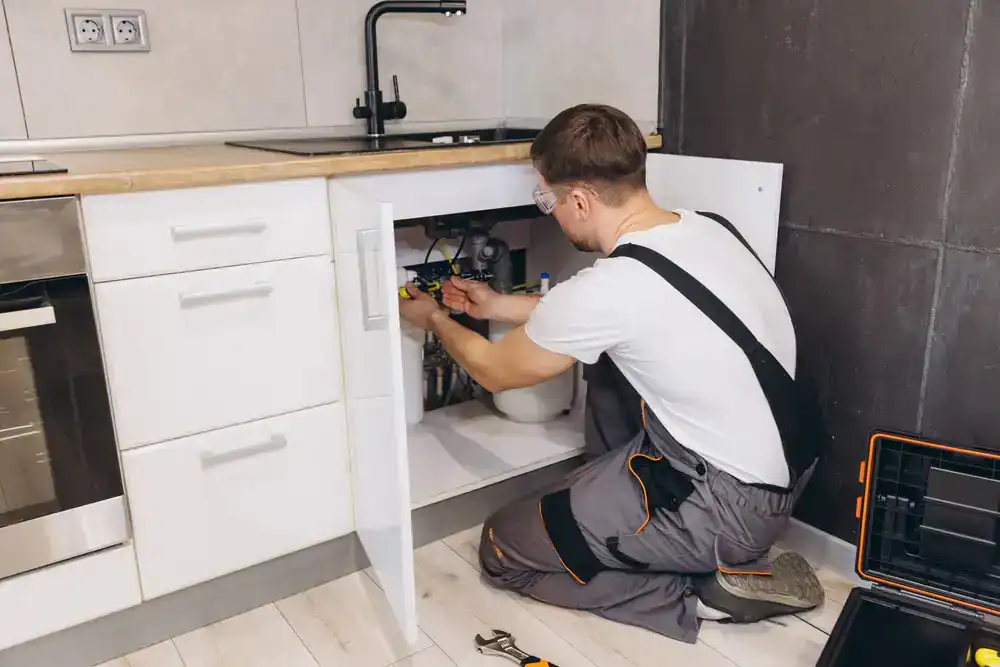
You can’t locate the frozen section. If you know water’s not flowing but can’t find where pipes are frozen, you need professional equipment. We use thermal imaging and other diagnostic tools to pinpoint problems hidden inside walls or underground.
The frozen pipes are inaccessible. Pipes inside walls, under concrete slabs, or in tight crawl spaces aren’t DIY projects. You can’t safely apply heat to pipes you can’t reach, and attempting to cut into walls or floors without knowing exactly what you’re doing creates bigger problems.
You see or hear signs of bursting. Any visible swelling, bulging, or cracks in pipes means you’re out of time. Strange sounds like hissing or rushing water inside walls indicate active leaking. Turn off your main water supply and call for same-day frozen pipe service immediately.
It’s been frozen for more than a few hours. The longer pipes stay frozen, the more pressure builds. If you discovered the problem this morning and it’s now afternoon with no improvement, professional help becomes necessary. Every hour increases burst risk.
You’re dealing with commercial property or multi-unit buildings. The stakes are higher. More pipes, more water, more potential damage. Commercial frozen pipe emergencies need professional response to prevent business disruption and protect multiple tenants.
Temperature forecasts show extended cold. If Chicago’s in the middle of a polar vortex with no warm-up expected for days, frozen pipes won’t thaw on their own. Waiting for warmer weather while pressure builds inside frozen pipes is gambling with your property. Professional thawing restores flow and prevents the catastrophic damage that happens when pipes finally give way.
Frozen pipes often happen because of underlying plumbing issues you don’t see. Hydro jetting addresses those hidden problems.
Buildup inside pipes restricts flow. Over years, mineral deposits, grease, and debris accumulate on pipe interiors. That buildup reduces the pipe’s internal diameter, meaning less water flows through. Less flow means water sits longer in pipes, giving it more time to freeze when temperatures drop.
Hydro jetting uses high-pressure water—typically 3,000-4,000 psi—to blast away everything coating your pipe walls. It’s not just clearing clogs. It’s restoring pipes to their original diameter, improving flow throughout your plumbing system. Better flow means water keeps moving, and moving water resists freezing better than standing water.
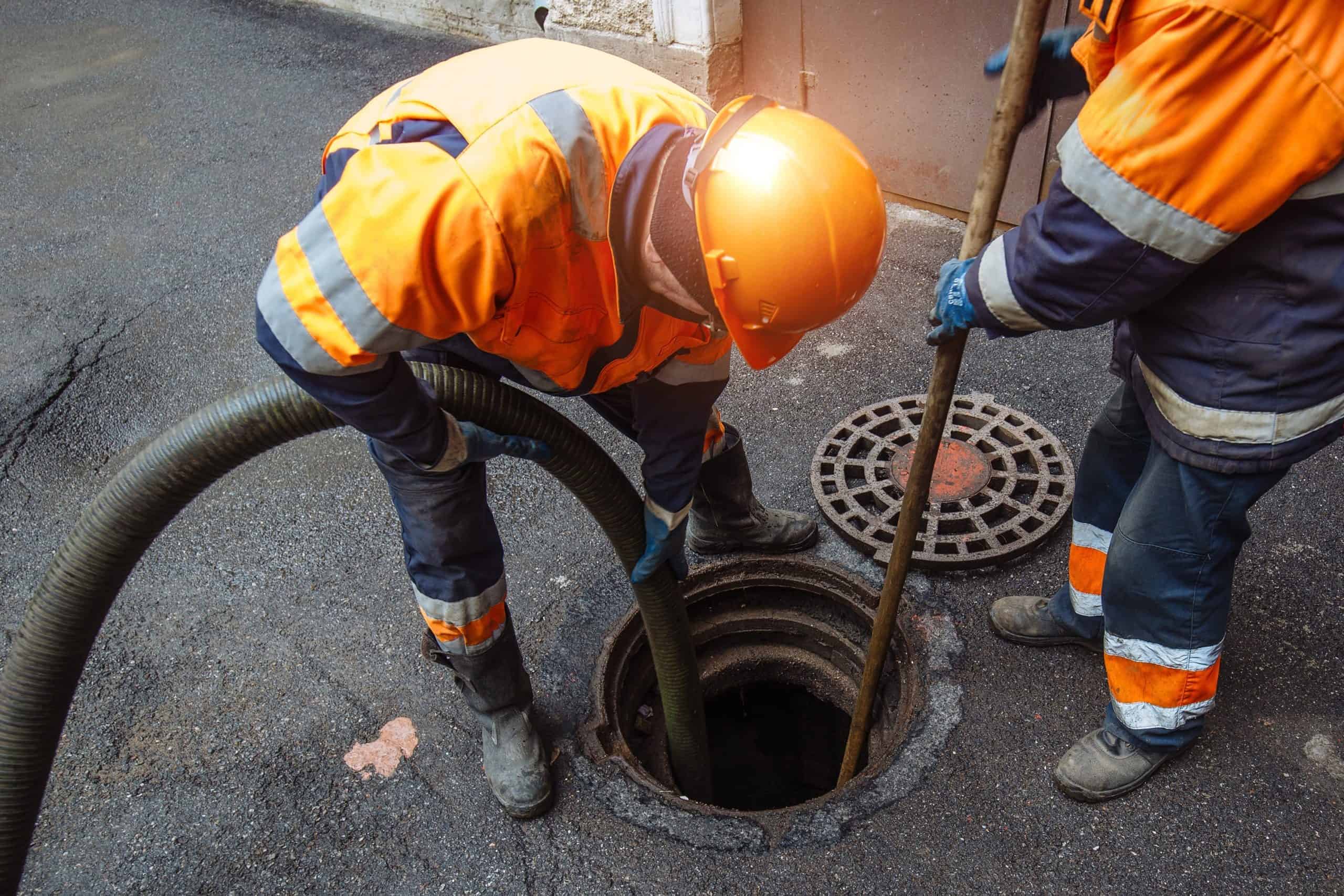
The process works for main sewer lines, drain lines, and supply pipes. A specialized nozzle sends pressurized water through your pipes, scouring away buildup without damaging the pipe material itself. It’s more thorough than traditional snaking or rodding, which just poke holes through blockages instead of cleaning the entire pipe.
For Chicago homeowners, hydro jetting makes sense as preventive maintenance before winter. Clean pipes flow better, drain faster, and give water less opportunity to freeze. It’s especially valuable for older homes where decades of buildup have reduced pipe capacity.
The combination of hydro jetting and proper insulation gives you the best protection. Clean pipes ensure good flow. Insulation protects pipes in vulnerable locations. Together, they dramatically reduce your frozen pipe risk during Cook County’s worst winter weather.
Post-thaw inspection often reveals buildup that contributed to freezing. After professional frozen pipe repair, many homeowners discover their pipes had significant internal coating. Addressing that through hydro jetting prevents the same pipes from freezing again next winter. It’s not just fixing the immediate problem—it’s preventing recurrence.
Frozen pipes aren’t inevitable, even during Chicago’s harshest winters. The right combination of prevention, quick response when problems develop, and professional help when needed keeps your plumbing functional and your basement dry.
Start with the basics: insulate vulnerable pipes, maintain at least 55°F inside your home even when away, let faucets drip during extreme cold, and disconnect outdoor hoses before the first freeze. Those simple steps prevent most frozen pipe emergencies. When prevention isn’t enough and you’re facing frozen pipes, time matters. The faster you address the problem, the less likely you’ll face a burst.
We provide 24/7 emergency response throughout Cook County, controlled thawing that prevents damage, and complete service including repairs and prevention recommendations. Don’t wait until frozen pipes become a flooded basement.
Article details:
Share:
Continue learning: