Not all plumbers are created equal. Discover how BBB ratings help Cook County homeowners find legitimate, trustworthy plumbing professionals who stand behind their work.
Share:

Summary:
You need a plumber. Maybe it’s an emergency. Maybe you’ve been putting off that leaky faucet for months. Either way, you’re about to let a stranger into your home with access to some of the most critical systems in your house. The question isn’t just “Can they fix it?” It’s “Can I trust them?”
That’s where the Better Business Bureau comes in. BBB ratings aren’t just letters on a website. They’re a filter that helps you separate legitimate professionals from the contractors who cut corners, overcharge, or disappear mid-project. In Cook County, where plumbing challenges range from aging infrastructure to brutal winter freezes, finding someone who knows what they’re doing matters even more.
Let’s talk about what BBB accreditation actually means and how it protects you when you’re looking for a plumber.
When you search for better business bureau plumbers in Cook County, you’re not just looking for names. You’re looking for accountability. BBB accreditation isn’t something a plumbing company can buy with a membership fee and forget about. It’s earned through meeting specific standards and maintained by consistently treating customers fairly.
An accredited BBB plumber has agreed to operate transparently. They’ve committed to honest advertising, clear pricing, and resolving complaints in good faith. If something goes wrong, the BBB acts as a mediator between you and the company. That’s a safety net most contractors don’t offer.
In a market flooded with plumbing companies, BBB ratings give you a starting point. An A+ rating means the company has a track record of satisfied customers and resolved issues. Lower ratings or a lack of accreditation should make you ask more questions before handing over a deposit.
BBB accreditation isn’t a participation trophy. To earn it, plumbing companies must meet eight core standards that go beyond just showing up and doing the work. They have to build trust in the marketplace, which means being in business for at least six months with a proven track record. They commit to advertising honestly, so no bait-and-switch pricing or misleading claims about services.
Transparency is non-negotiable. Accredited plumbers must clearly disclose all material facts about their services, including pricing, timelines, and what the work actually involves. They honor their promises, both written and verbal. If they say they’ll be there Tuesday at 9 AM, they show up Tuesday at 9 AM. If they quote you $500, the bill doesn’t magically become $1,200.
Responsiveness matters too. BBB-accredited businesses agree to address customer complaints promptly and work toward resolution. They safeguard your privacy, protect sensitive information, and conduct all business dealings with integrity. They avoid any activities that would damage their reputation or the reputation of other accredited businesses.
For you as a homeowner, this means you’re dealing with a company that’s willing to be held accountable. If a problem arises, you have recourse beyond small claims court or angry online reviews. The BBB provides a formal complaint process that pushes companies to make things right.
We hold BBB accreditation because meeting these standards aligns with how we already operate. Upfront pricing, clear communication, and a commitment to customer satisfaction aren’t just marketing talking points. They’re requirements for maintaining that accreditation.
BBB ratings range from A+ to F, with some businesses receiving an NR (No Rating) if there’s insufficient information or an ongoing review. When you’re looking for a plumber, start by checking the BBB website for businesses in your area. Type in “plumber” and your location, then filter by accredited businesses. That narrows your search to companies that have passed the vetting process.
Look at the rating, but don’t stop there. Click into the business profile and read the details. How long have they been in business? What’s their complaint history? Have they resolved issues, or do they have a pattern of unresolved complaints? A company with a handful of complaints that were all resolved quickly is very different from one with dozens of complaints and no responses.
Check the customer reviews section. Real reviews from real customers give you insight into what working with this company actually looks like. Are people praising their punctuality and professionalism? Or are they warning others about surprise charges and sloppy work? Pay attention to patterns, not just one or two outliers.
Compare multiple companies. Just because a plumber has BBB accreditation doesn’t mean they’re the right fit for your specific needs. Get quotes from at least three accredited businesses. Compare not just the price, but the scope of work, the timeline, and how they communicate. A company that takes time to explain the problem and walk you through the solution is usually worth more than one that gives you a number and rushes you off the phone.
Use the BBB rating as one data point among many. Cross-reference it with Google reviews, HomeAdvisor ratings, and recommendations from people you trust. A plumber who scores well across all these platforms is probably doing something right. A plumber who has great BBB ratings but terrible reviews everywhere else should raise questions.
In Cook County, where plumbing issues can escalate quickly due to old pipes and harsh weather, having a vetted professional on speed dial makes a difference. Don’t wait until you’re standing in two inches of water at 2 AM to start researching. Find your BBB-rated plumber now, before you need them.
Looking for a plumber shouldn’t feel like a shot in the dark. You need someone who’s licensed, insured, and capable of doing the job right the first time. Quality standards exist for a reason, and knowing what to look for protects you from costly mistakes.
Start with licensing. In Illinois, plumbers must be licensed to legally perform plumbing work. A licensed plumber has completed the required training, passed exams, and met state standards. Ask for their license number and verify it with the Illinois Department of Public Health. If they hesitate or make excuses, walk away.
Insurance is just as important. A plumber should carry both liability insurance and workers’ compensation. Liability insurance protects you if they accidentally damage your property. Workers’ comp protects you if they get injured on your property. Without insurance, you could be held financially responsible for accidents. Always ask for proof of insurance before work begins.
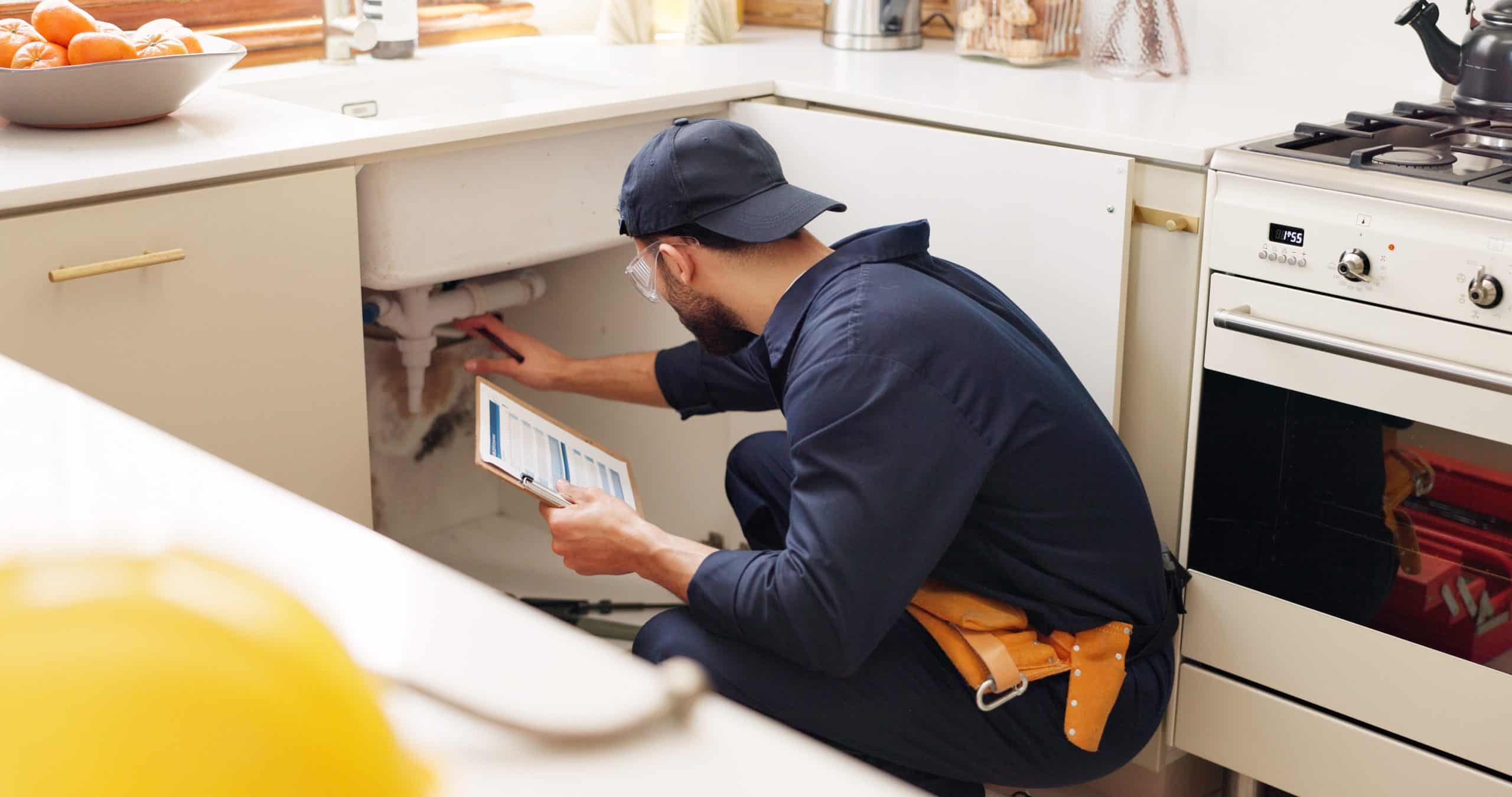
Plumbing scams are more common than most people realize, and they prey on urgency and lack of knowledge. Knowing the red flags helps you avoid contractors who are more interested in your wallet than your plumbing.
Cash-only payments are a major warning sign. Legitimate plumbing companies accept multiple forms of payment and provide detailed receipts. A plumber who insists on cash and won’t give you paperwork is likely avoiding taxes, operating without insurance, or planning to disappear. If they demand full payment upfront, especially in cash, that’s an even bigger red flag. Most reputable plumbers ask for a small deposit on large projects and full payment upon completion.
Vague or verbal-only estimates should make you suspicious. A professional plumber inspects the problem, explains what needs to be done, and provides a written estimate that breaks down labor, materials, and any additional costs. If they give you a ballpark figure over the phone or refuse to put anything in writing, they’re leaving the door open to inflate charges later.
Pressure tactics are another classic scam move. A plumber who tells you the problem is catastrophic and must be fixed immediately, without giving you time to get a second opinion, is often exaggerating to force a quick decision. Legitimate emergencies do happen, but a trustworthy plumber will explain the urgency clearly and give you options, not ultimatums.
Door-to-door plumbers claiming they noticed a problem while working in the neighborhood are almost always scams. Real plumbing companies schedule appointments. They don’t show up uninvited and offer unsolicited services. If someone knocks on your door claiming to be a plumber, ask for credentials and verify their story before letting them inside.
Lack of credentials is the most obvious red flag. If a plumber can’t or won’t show you their license, insurance, or business information, don’t hire them. Check their business name, verify their license status, and make sure they have a physical business address, not just a P.O. box or residential address.
Unnecessarily expensive replacements instead of repairs can also indicate dishonesty. Some plumbers push for full replacements when a simple repair would solve the problem, because replacements generate higher bills. If a plumber recommends replacing your entire water heater when it’s only a few years old, get a second opinion. A trustworthy professional will always explore repair options first.
Asking the right questions upfront saves you from headaches later. Before you hire any plumber, get clear answers to these essential questions.
Are you licensed and insured? This should be the first question out of your mouth. Ask for their license number and verify it. Ask for proof of liability insurance and workers’ compensation. A legitimate plumber will have this information ready and won’t be offended that you asked.
How long have you been in business? Experience matters, especially in Cook County where older homes and harsh winters create unique plumbing challenges. A company that’s been serving the area for years understands local issues like frozen pipes, hard water buildup, and aging infrastructure. They’ve seen it all and know how to handle it.
Can you provide references or reviews? Any plumber worth hiring should be able to point you toward satisfied customers. Ask for references you can contact. Check their online reviews on Google, Yelp, and the BBB. Look for patterns in the feedback. Consistent praise for quality work, punctuality, and fair pricing is what you want to see.
What’s included in your estimate? A detailed estimate should break down labor costs, materials, any permits required, and the timeline for completion. Ask what happens if the scope of work changes. Will they notify you before doing additional work? How do they handle unexpected issues? Clear answers to these questions prevent surprise bills.
Do you offer a warranty or guarantee? Reputable plumbers stand behind their work. Ask what’s covered if something goes wrong after the job is done. A warranty on both parts and labor shows confidence in the quality of their work.
What’s your availability for emergencies? Plumbing emergencies don’t wait for business hours. If you’re looking for a plumber to add to your contacts for future needs, find out if they offer 24/7 emergency service. In Cook County, where a burst pipe in January can cause thousands in water damage within hours, fast response times matter.
We answer all these questions transparently because they’re designed to protect you. Licensed, bonded, and insured. BBB accredited. HomeAdvisor screened and approved. Available 24/7 for emergencies. Upfront pricing with no hidden fees. These aren’t perks. They’re the baseline for how plumbing services should operate.
Finding better business bureau plumbers in Cook County doesn’t have to be complicated. Start with BBB accreditation as your baseline. Verify licensing and insurance. Check reviews across multiple platforms. Ask questions and get written estimates. Trust your instincts when something feels off.
The goal isn’t just to fix the immediate problem. It’s to find a plumbing professional you can rely on for years. Someone who shows up on time, communicates clearly, and treats your home with respect. Someone who’s accountable when things don’t go as planned.
Cook County homeowners face unique plumbing challenges, from aging infrastructure to extreme weather. You need a local expert who understands these issues and has the credentials to back up their expertise. When you choose a BBB-rated plumber like us at All Rooter Hydro Jetting Experts Inc., you’re choosing transparency, accountability, and quality workmanship that stands the test of time.
Article details:
Share:
Continue learning: