Chicago's brutal winters demand proactive plumbing protection. Discover proven strategies to prevent frozen pipes and costly emergency repairs.
Share:
Summary:
Your pipes freeze when water inside them drops to 32°F or below for extended periods. But Chicago’s weather creates perfect conditions for this disaster. The city averages over 100 days below freezing each year, with wind chills that can make pipes vulnerable even inside heated buildings.
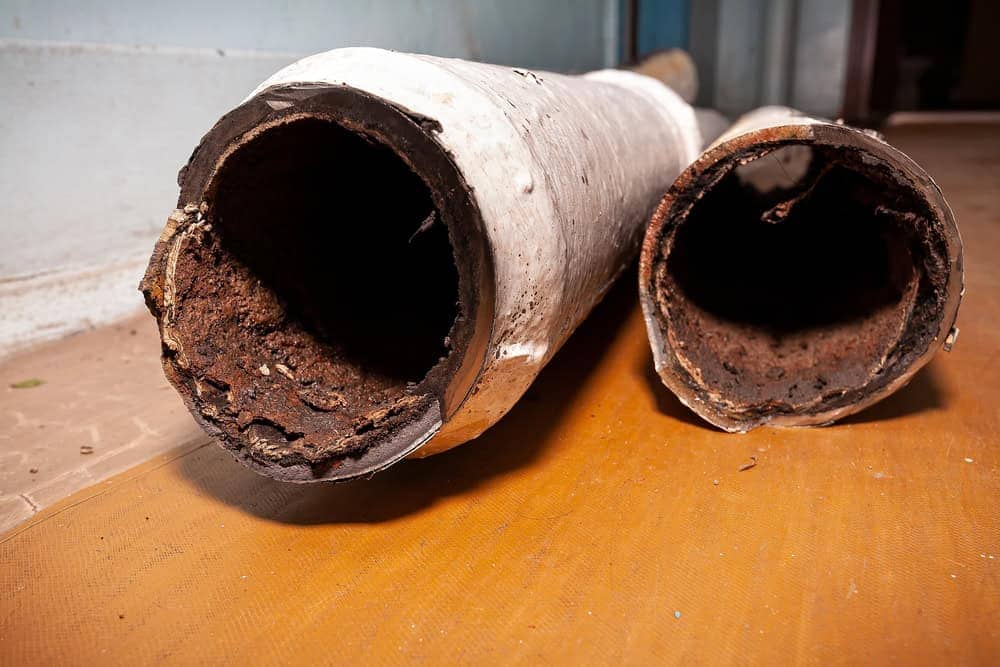
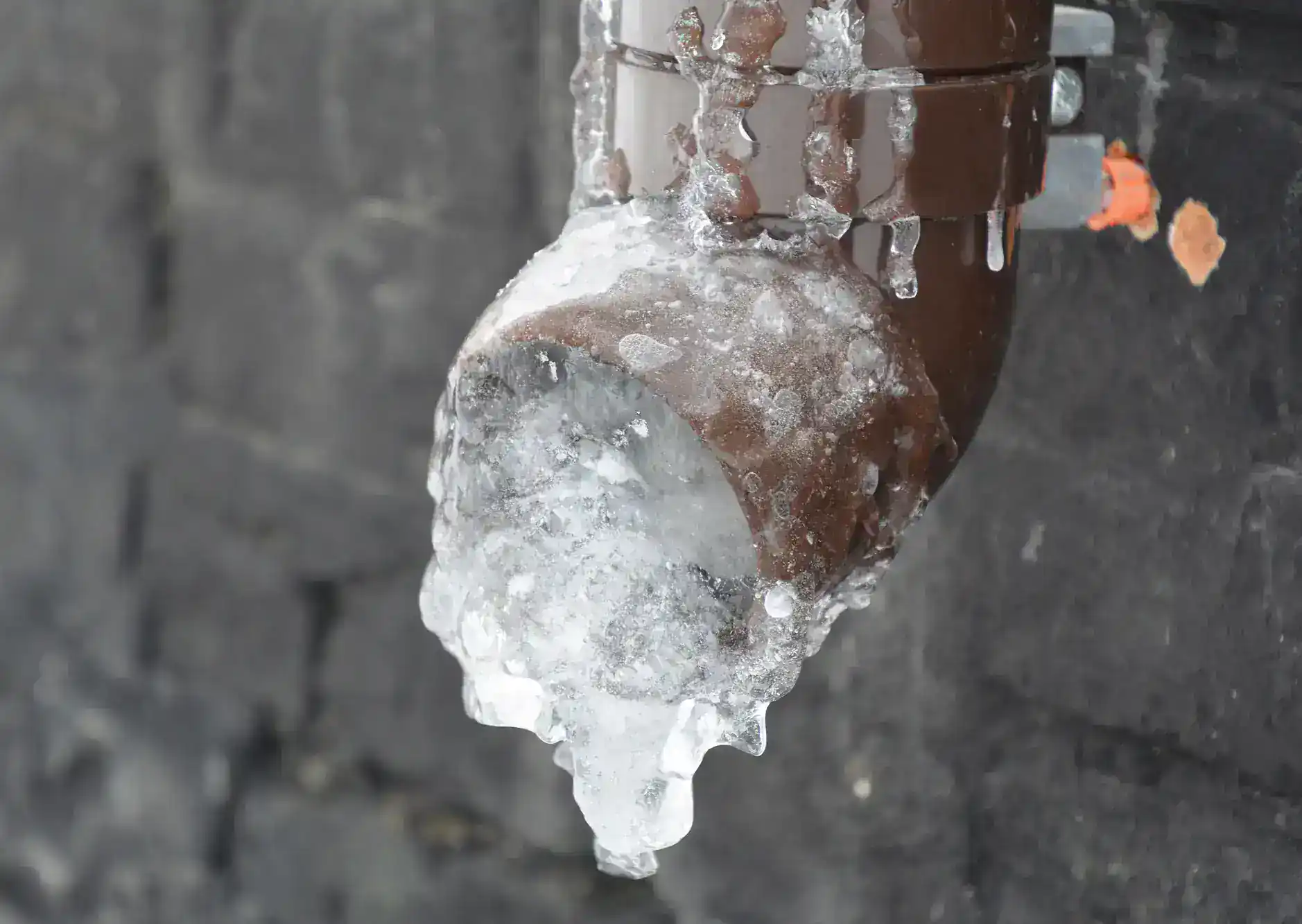
When water freezes, it expands by about 9% and can create pressure up to 40,000 PSI inside your pipes. That’s enough force to crack even the strongest plumbing materials. The real damage often happens when temperatures rise and the ice thaws—that’s when cracked pipes start flooding your home.
Chicago’s aging housing stock makes this problem worse. Many homes have pipes running through unheated basements, crawl spaces, or exterior walls that weren’t designed with modern insulation standards.
Not every pipe in your home faces the same risk during a deep freeze. Understanding which areas are most vulnerable helps you focus your prevention efforts where they matter most.
Unheated spaces top the list. Basements, crawl spaces, attics, and garages often have minimal heating and poor insulation. Pipes in these areas face the same temperatures as the outdoors, especially during extended cold snaps. Many Chicago homes have water lines running through these spaces that freeze first when temperatures drop.
Exterior walls present another major risk. Pipes running along outside walls, particularly on the north side of your home, get hit with cold air infiltration and wind chill effects. Kitchen and bathroom pipes under cabinets against exterior walls are especially vulnerable because they’re tucked away from warm air circulation.
Don’t overlook pipes near windows, doors, or any area with air leaks. Even small gaps around pipe penetrations can let in enough cold air to freeze nearby plumbing. Chicago’s older brick buildings and vintage homes often have these hidden vulnerabilities that become obvious only when pipes start bursting.
Outdoor plumbing fixtures like hose bibs, sprinkler systems, and swimming pool lines face direct exposure to freezing temperatures. These should be your first priority for winterization because they freeze fastest and can cause ice to back up into your indoor plumbing.
Catching frozen pipes early can prevent them from bursting and causing major water damage. Knowing what to watch for during Chicago’s cold snaps helps you take action before a small problem becomes an expensive disaster.
Reduced water flow is usually the first sign. When you turn on a faucet and get a trickle instead of normal pressure, ice is likely forming somewhere in that line. This happens gradually as ice builds up and restricts flow through the pipe. Don’t ignore weak water pressure during cold weather—it’s your early warning system.
Strange sounds from your plumbing can indicate freezing problems. Gurgling noises when you run water, clanging sounds from pipes, or unusual vibrations often mean ice is affecting normal water flow. You might also hear water running when no faucets are open, which could signal a pipe that’s already cracked from freezing.
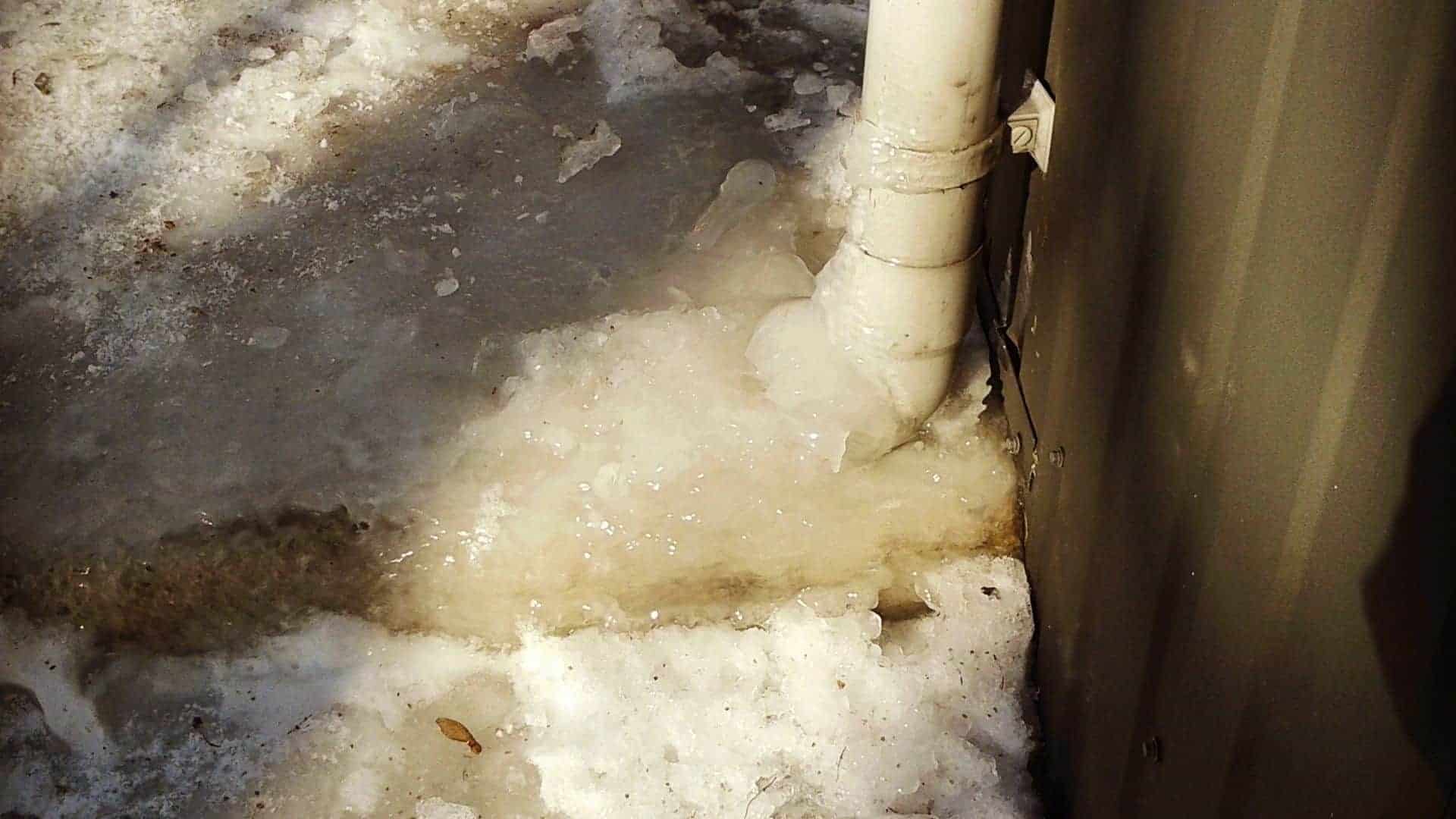
Visible frost on exposed pipes is an obvious red flag. If you can see ice crystals or condensation on pipes in your basement, crawl space, or other unheated areas, those lines are already at freezing temperatures. Check these areas regularly during cold spells, especially pipes along exterior walls.
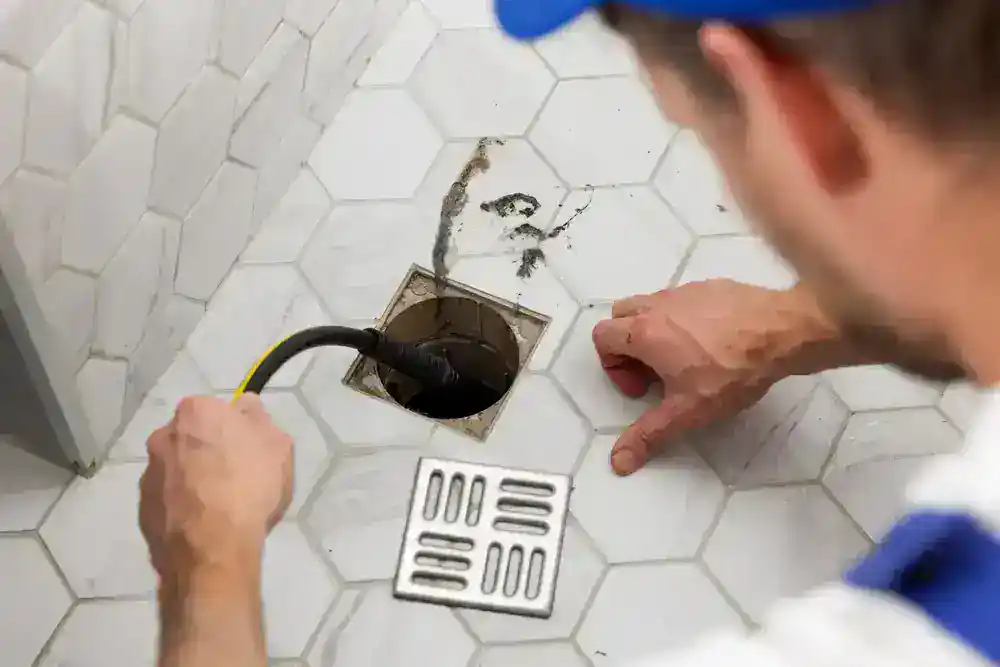
Foul odors coming from drains can indicate frozen sewer lines or drain pipes. When these lines freeze, normal drainage stops working properly and waste can back up into your home. This creates both a plumbing emergency and a health hazard that needs immediate professional attention.
Temperature differences between rooms in your home might reveal heating system problems that put pipes at risk. If certain areas feel much colder than others, pipes in those zones face higher freezing risk. Pay attention to basements, utility rooms, or areas near exterior walls that seem unusually cold.
Finding frozen pipes in your Chicago home requires quick action to prevent bursting and water damage. The steps you take in the first few minutes can make the difference between a minor inconvenience and thousands in repair costs.
First, locate your main water shutoff valve and be ready to use it. If a frozen pipe bursts while you’re trying to thaw it, you need to stop water flow immediately to prevent flooding. Most Chicago homes have the main shutoff near where water enters the house or at the meter.
Keep affected faucets open while you work on thawing. This allows water to flow out as ice melts and relieves pressure in the system. Even a small trickle of moving water helps prevent re-freezing and shows you when the blockage clears.
If you can access the frozen section safely, several methods can help thaw pipes without causing damage. The key is applying gentle, consistent heat rather than trying to rush the process with extreme temperatures.
Electric heating pads work well for accessible pipes. Wrap the pad around the frozen section and set it to a low or medium setting. This provides steady, controlled heat that thaws ice gradually without shocking the pipe with sudden temperature changes. Keep the heating pad in place until water flow returns to normal.
Hair dryers offer good control for targeted thawing. Start at the faucet end and work toward the coldest part of the pipe, moving the dryer back and forth to distribute heat evenly. This method lets you see your progress and adjust heat application as needed. Keep the dryer moving to avoid overheating any one spot.
Space heaters can warm larger areas where multiple pipes might be affected. Place the heater a safe distance from the pipes and any flammable materials, and never leave it unattended. This method works well for basement or crawl space situations where several lines run close together.
Hot towels provide gentle heat for pipes you can wrap directly. Soak towels in hot water, wring them out, and wrap around the frozen section. Replace with fresh hot towels as they cool down. This method takes patience but won’t damage pipes or create fire hazards.
Never use open flames, propane torches, or other high-heat sources on frozen pipes. These can cause rapid heating that makes pipes burst, create fire hazards, or damage surrounding materials. The goal is gradual thawing that allows ice to melt safely without creating dangerous pressure spikes.
Some frozen pipe situations require professional intervention to prevent major damage or safety hazards. Knowing when to stop DIY efforts and call experts can save you thousands in repair costs and protect your family’s safety.
Call professionals immediately if you suspect a pipe has already burst. Signs include water stains on walls or ceilings, pooling water where it shouldn’t be, or the sound of running water when all fixtures are off. Burst pipes can release 10 gallons per minute and cause extensive damage quickly. Professional plumbers have equipment to locate breaks and stop water flow efficiently.
Frozen pipes in walls, ceilings, or other inaccessible areas need professional thawing equipment. Trying to cut into walls or ceilings to reach frozen pipes often causes more damage than the original problem. Professional plumbers use specialized thawing machines and thermal imaging to locate and thaw hidden pipes without demolition.
Main water line freezes require immediate professional attention. If you have no water throughout your home, the problem likely involves your service line or water meter. These systems require special equipment and expertise to thaw safely without damaging municipal connections or your home’s main plumbing.
Multiple frozen pipes throughout your home indicate a larger heating or insulation problem that needs professional assessment. This situation often means your home’s heating system isn’t working properly or major air leaks are letting cold air reach your plumbing. Professional evaluation can identify the root cause and prevent future freezing.
Gas lines or electrical issues near frozen pipes create safety hazards that require professional handling. If frozen pipes are near gas appliances, electrical panels, or involve any utility connections, don’t attempt DIY repairs. Professional plumbers coordinate with utility companies and follow safety protocols to handle these complex situations.
Emergency services during Chicago’s deep freezes typically cost more than regular repairs, but the alternative—major water damage—costs much more. Most professional plumbers offer upfront pricing and can often prevent burst pipes that would require extensive restoration work.
Chicago’s extreme winter weather will always threaten your plumbing, but you don’t have to become another frozen pipe statistic. The key is understanding how your home’s unique layout and Chicago’s climate create risks, then taking proactive steps before problems start.
Focus your prevention efforts on the most vulnerable areas—unheated spaces, exterior walls, and anywhere cold air can reach your pipes. Watch for early warning signs during cold snaps and know when to take immediate action versus calling for professional help.
Remember that emergency repairs during Chicago winters cost significantly more than prevention. When you need expert help with frozen pipes, emergency repairs, or winterizing your plumbing system, we provide the local expertise and 24/7 response that Chicago homeowners depend on.
Article details:
Share:
Continue learning: