Chicago winters are brutal on your pipes. Learn how hydro jetting prevents clogs and what to do when frozen pipes threaten your home with costly water damage.
Share:
Summary:
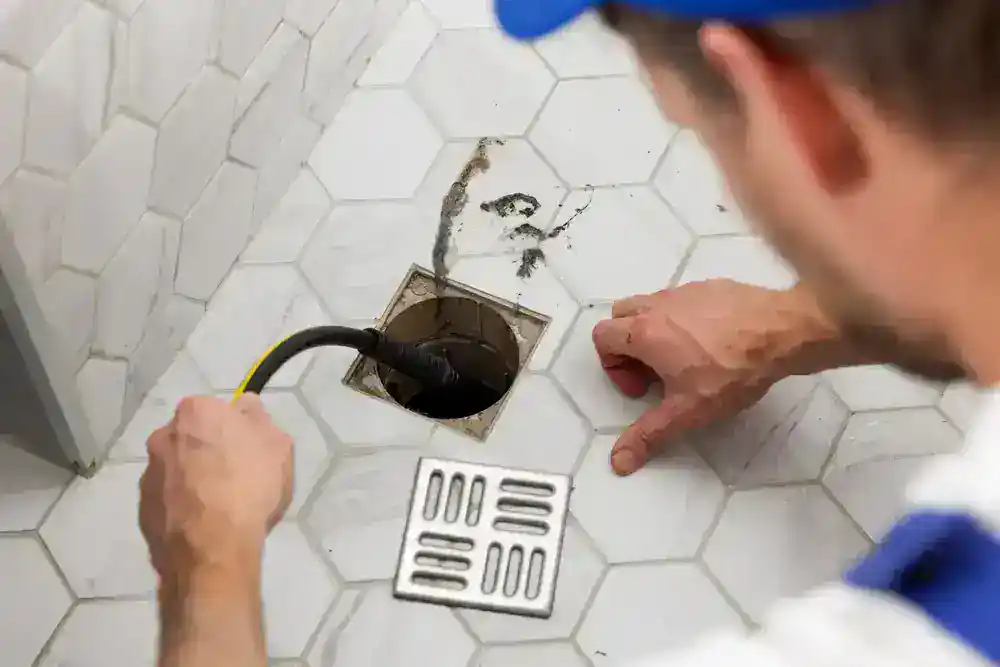
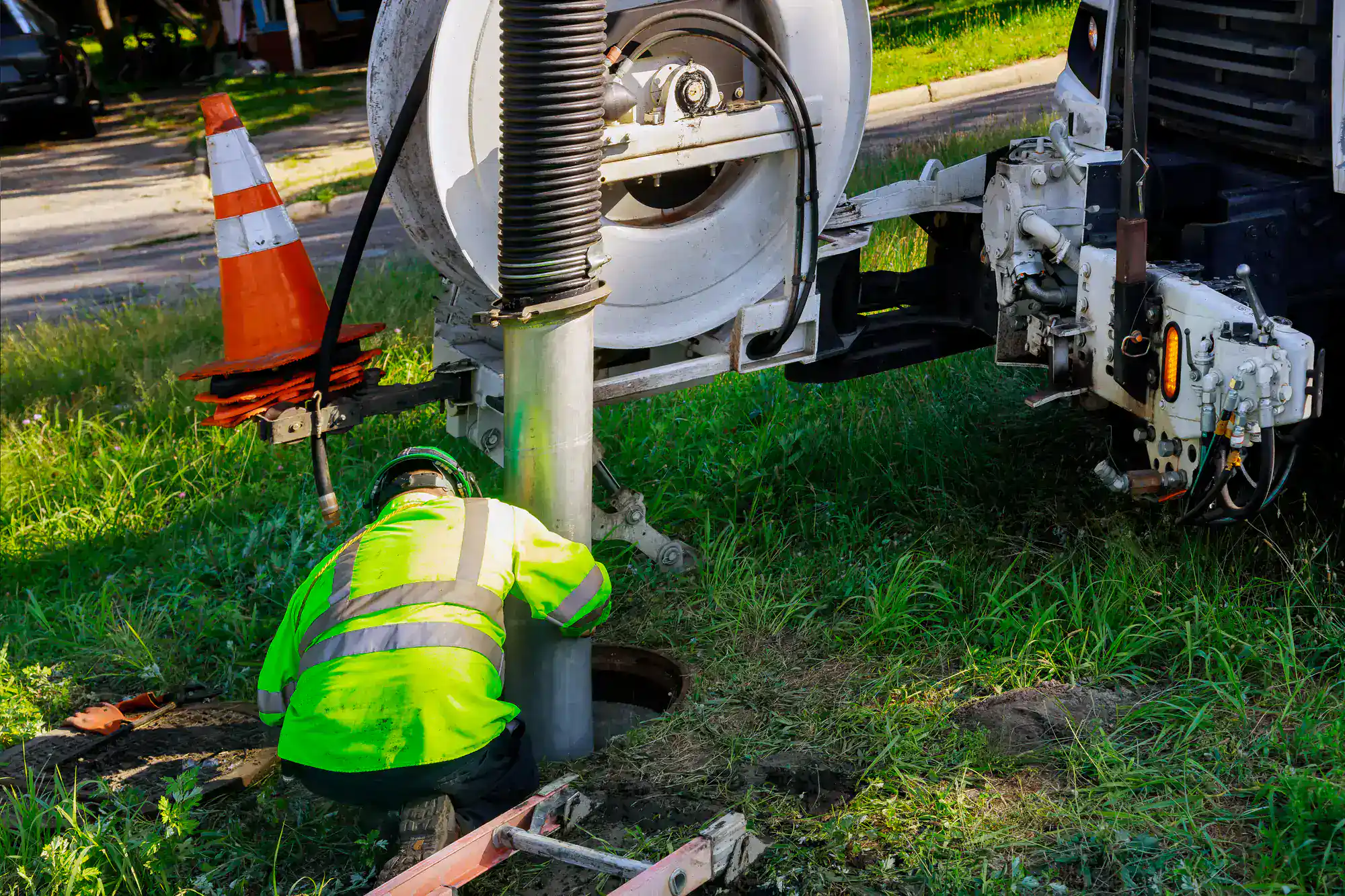
Hydro jetting blasts high-pressure water through your pipes at 3,000 to 4,000 PSI. Think of it as power washing the inside of your plumbing system.
Unlike a drain snake that just pokes a hole through whatever’s blocking your pipes, hydro jetting scours the entire interior surface clean. It removes grease buildup, mineral deposits, soap scum, tree roots, and all the sludge that accumulates over years of use.
This matters in Cook County, IL because Chicago’s older homes and aging infrastructure create perfect conditions for serious pipe problems. Grease hardens in your lines during cold weather. Mineral deposits from hard water build up over time. Tree roots infiltrate older sewer lines. A snake might get water flowing again temporarily, but hydro jetting actually solves the problem.
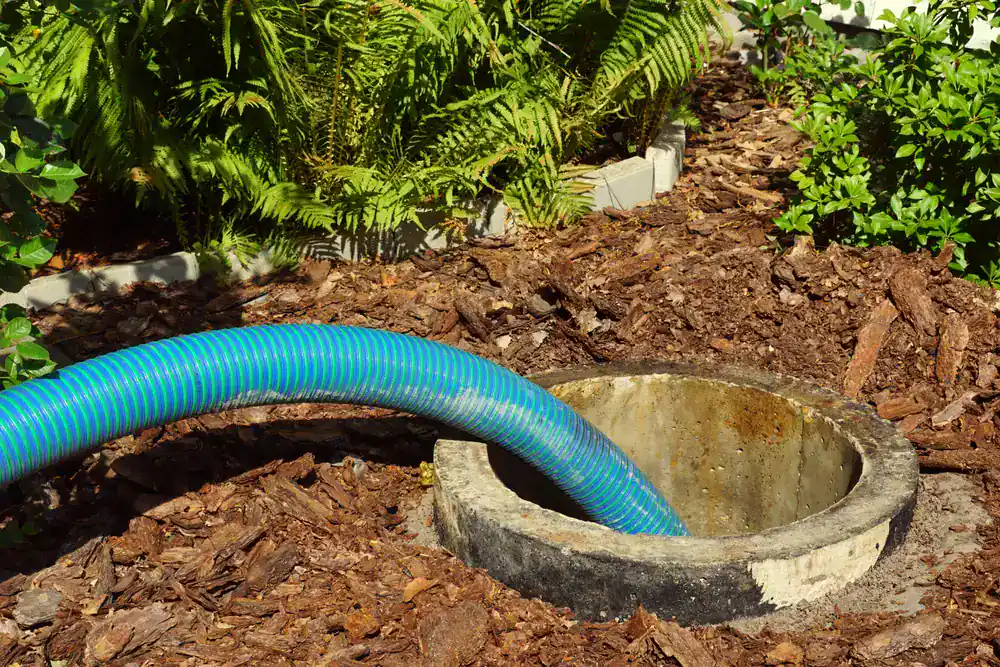
When your drain clogs, most plumbers reach for a snake first. It’s faster, cheaper, and gets water moving again. But here’s what they’re not telling you: snaking only creates a small hole through the blockage.
The snake’s rotating cable breaks through or pulls out enough debris to restore some flow. But all that grease coating your pipes? Still there. The mineral buildup narrowing your pipe diameter? Untouched. The tree roots growing into your sewer line? Just trimmed back, not removed.
That’s why you’re calling the plumber again in three months with the same problem. The clog comes back because the underlying buildup never left.
Hydro jetting works completely differently. The high-pressure water doesn’t just punch through—it cleans. Multiple jets spray water in all directions, scouring every inch of your pipe’s interior. The pressure is strong enough to cut through tree roots and blast away decades of accumulated gunk.
You end up with pipes that look almost new inside. Water flows freely through the full diameter of the pipe, not just a snake-sized hole. Because there’s no residual buildup left behind, clogs take much longer to form again.
Think of it this way: snaking is like poking a stick through a clogged gutter. Hydro jetting is like hosing the entire gutter clean. Both might get water flowing, but only one actually solves the problem.
For Cook County, IL homes dealing with recurring kitchen drain clogs from grease, bathroom backups from soap and hair, or main sewer line blockages from roots, hydro jetting typically provides relief that lasts years instead of months. The upfront cost runs higher than snaking, but you’re not paying for the same drain cleaning service over and over.
We recommend hydro jetting every 18 to 24 months as preventative maintenance. That might sound excessive, but it’s far cheaper than dealing with a backed-up sewer line flooding your basement or a completely blocked main line that requires emergency service at 2 AM.
Not every clog requires the big guns. A simple hair clog in your bathroom sink? A plunger or basic snake usually handles that fine. But certain situations demand hydro jetting’s power.
You need hydro jetting when you’ve got recurring clogs in the same drain. If your kitchen sink backs up every few months, there’s buildup coating those pipes that snaking isn’t removing. Restaurants and commercial kitchens in Cook County, IL deal with this constantly because grease accumulates despite best efforts.
Main sewer line blockages almost always call for hydro jetting. These lines handle everything leaving your property, and clogs here can back up into your entire house. Tree roots love to infiltrate these lines through tiny cracks, and once they’re in, they grow into serious obstructions. A snake might cut through roots temporarily, but hydro jetting removes them completely and clears the pipe.
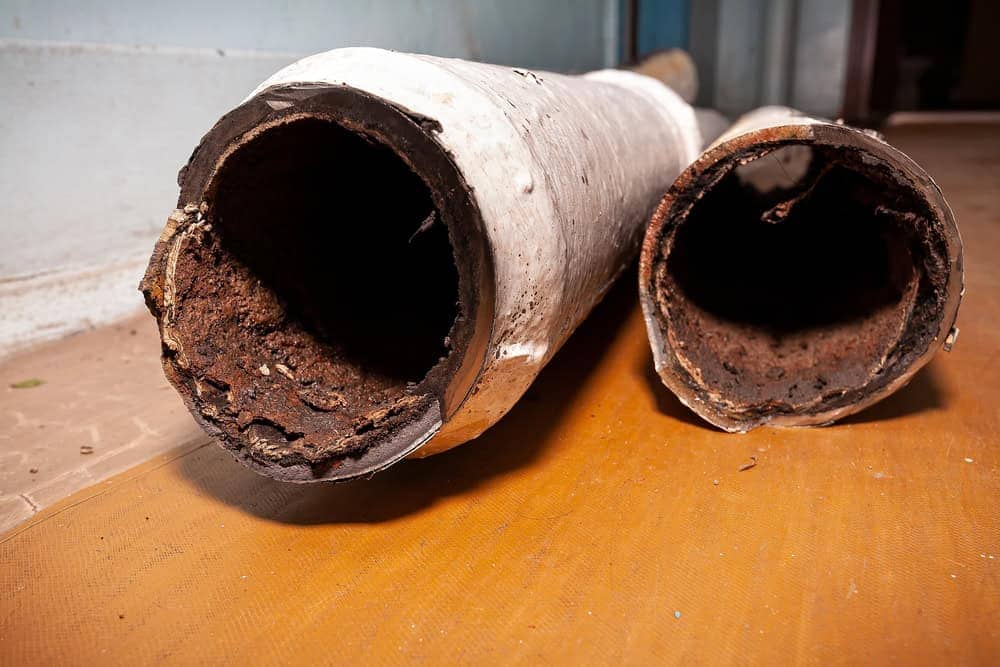
Older Chicago homes with cast iron or clay sewer pipes benefit enormously from this service. These materials corrode and accumulate buildup over decades. The rough interior surfaces catch debris and encourage clog formation. Hydro jetting smooths things out and restores flow.
If you’re buying an older home in Cook County, IL, having the sewer line hydro jetted before closing makes sense. You’re starting with clean pipes and avoiding surprises six months after moving in.
Commercial properties with high-volume drains—restaurants, apartment buildings, office buildings—should schedule regular hydro jetting. The volume of use accelerates buildup, and the cost of downtime from a major clog far exceeds preventative maintenance.
But if you’ve got a simple, isolated clog that’s never happened before? Start with snaking. It’s faster and cheaper for straightforward blockages. Save hydro jetting for the serious problems or preventative maintenance.
One important note: hydro jetting requires professional equipment and expertise. The pressure involved can damage old, fragile pipes if used incorrectly. We inspect your pipes first—often with a camera—to make sure they can handle the pressure. If your pipes are too deteriorated, you might need pipe repair or replacement before hydro jetting makes sense.
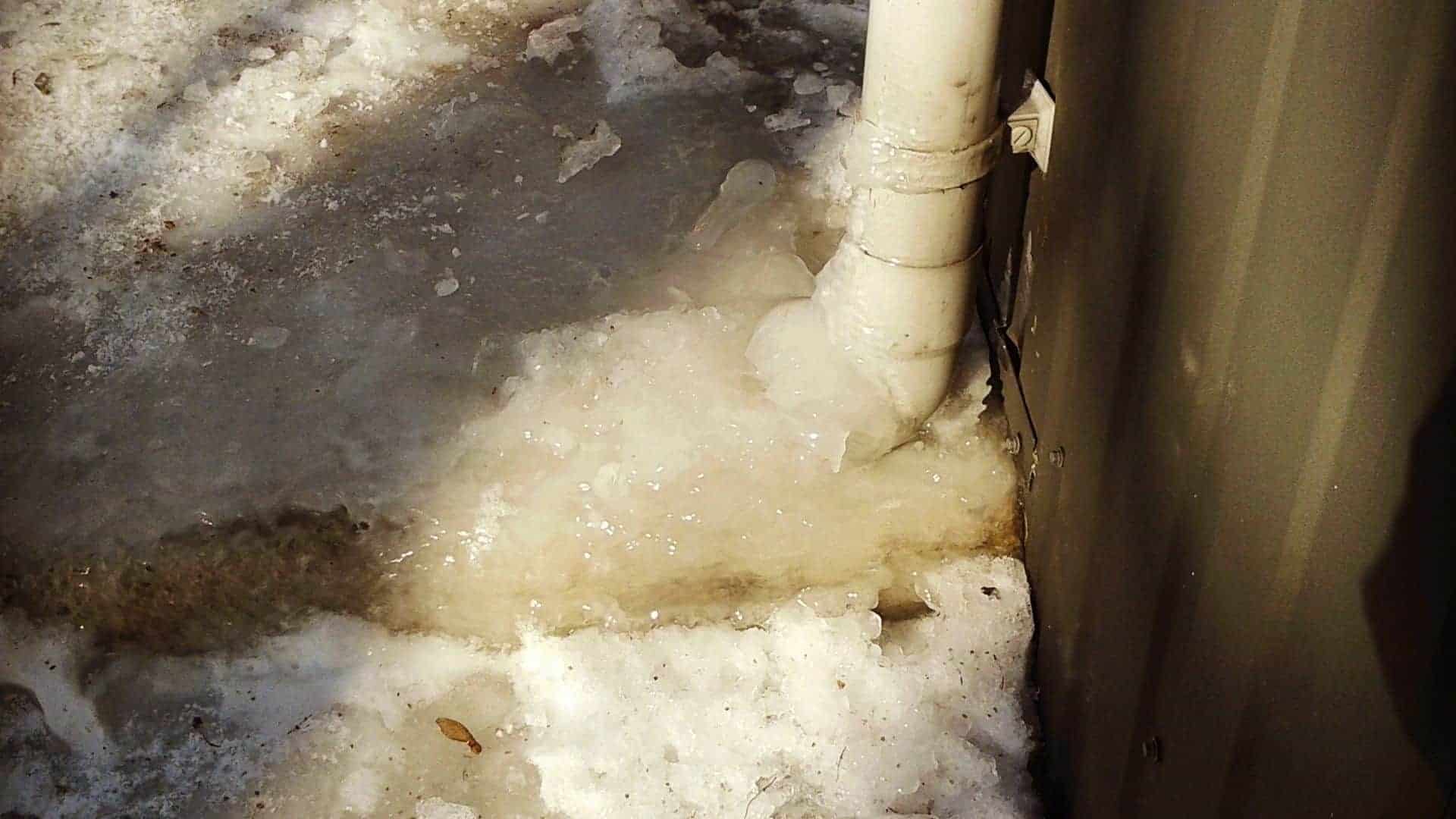
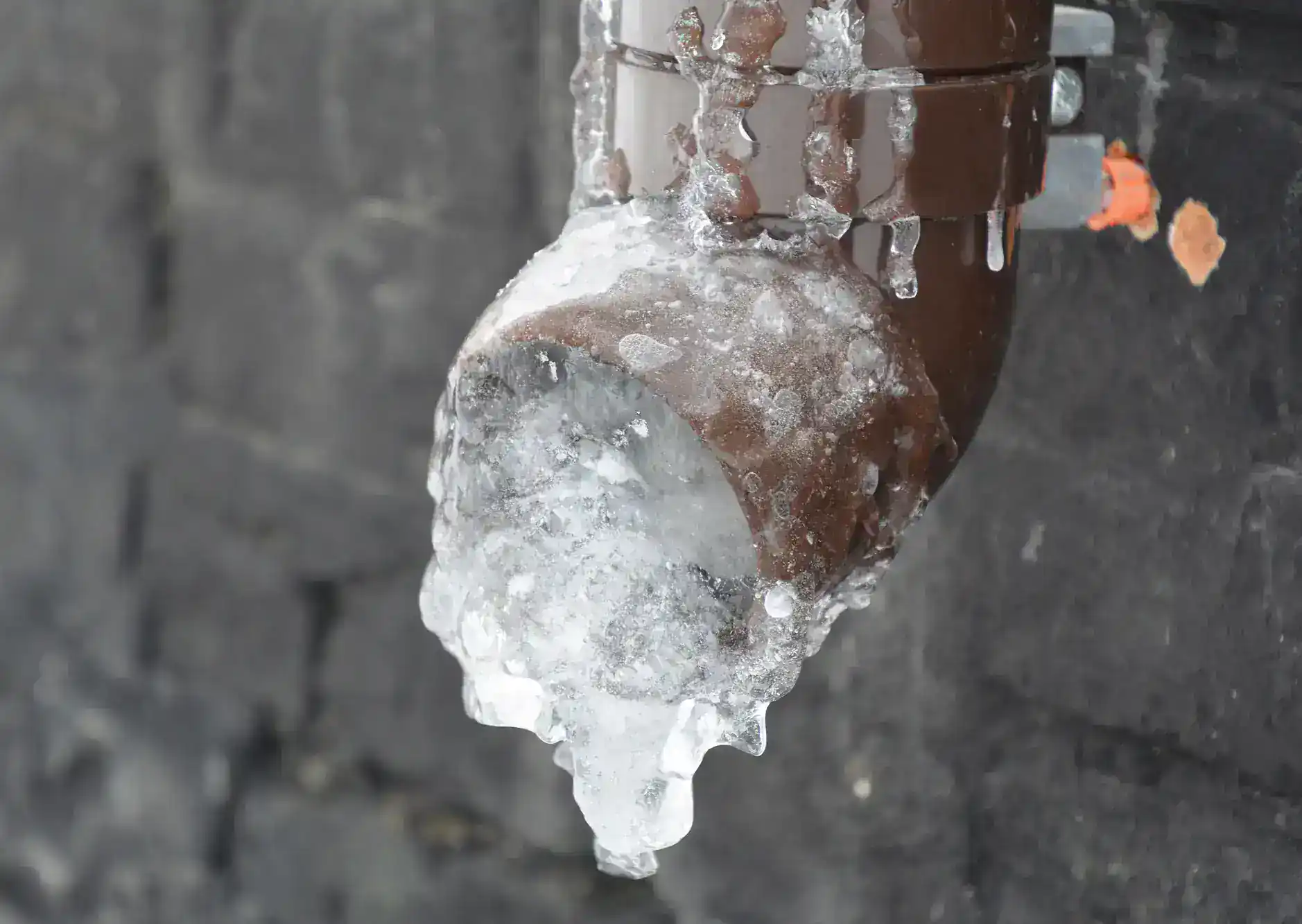
Chicago winters regularly drop below 20°F for days or weeks at a time. When that happens, water sitting in your pipes can freeze solid. And when water freezes, it expands—putting enormous pressure on pipe walls.
That pressure causes pipes to crack or burst. Once the ice thaws, water starts flowing through those cracks, dumping hundreds of gallons per hour into your walls, basement, or crawl space. Burst pipe water damage in Chicago typically costs $1,800 to $5,200 to repair, and that doesn’t include fixing the actual pipe.
Pipes in unheated spaces freeze first. Basements, crawl spaces, attics, garages, and exterior walls all create risk. Many Chicago bungalows and older homes have pipes running through poorly insulated exterior walls—perfect conditions for freezing during polar vortex events.

You turn on your faucet and nothing comes out—or just a trickle drips through. That’s your first warning sign. If only one faucet shows problems, the freeze is probably localized. If multiple fixtures have no water, especially those on exterior walls or in unheated areas, you’ve got frozen pipes.
You might notice frost on visible pipes. Bulging or condensation on exposed pipes indicates ice formation inside. Strange gurgling sounds when you run water can mean ice is partially blocking flow.
Here’s what to do immediately: keep that faucet open. Even a slight drip helps. As ice melts, flowing water clears the line and reduces pressure that causes bursting.
If you can access the frozen section safely, apply gentle heat. A hair dryer works. Space heaters positioned safely nearby help. Heating pads wrapped around pipes can work. Never use open flames, blowtorches, or anything that could start a fire or damage pipes.
Start applying heat at the faucet end and work toward the coldest section. This helps melting water escape instead of getting trapped by ice further down the line. Don’t stop heating until full water pressure returns, then leave the faucet open a few more minutes.
If you can’t locate the frozen area, or if pipes are inside walls or underground, call us immediately. We provide same-day frozen pipe service throughout Cook County, IL because frozen pipes don’t wait for convenient hours.
If a pipe has already burst and water is flowing, shut off your main water supply right away. This valve is usually where water enters your house or near the meter. Turn off electricity to any area where water is present near outlets or wiring. Document everything with photos for insurance claims.
We have specialized thawing equipment that safely restores flow without causing damage. We can also inspect for cracks that might not be leaking yet but will fail once pressure returns.
The worst thing you can do is ignore the problem or try dangerous DIY methods. Attempting to thaw pipes with open flames causes house fires. Many Chicago fires during winter start this way. Turning up your heat and hoping for the best wastes time while pressure builds inside frozen pipes.
Prevention beats emergency burst pipe repair every time. The cost of winterizing your plumbing is a fraction of what you’ll pay for burst pipe damage and water restoration.
Start by insulating any exposed pipes in unheated areas. Foam pipe sleeves cost almost nothing and install in minutes. Focus on basements, crawl spaces, attics, and garages. Pipes along exterior walls need attention even if they’re technically “inside” your home—cold air penetrates walls, especially in older Chicago construction.
Seal air leaks around your home’s foundation and exterior walls. Gaps around pipe penetrations, dryer vents, electrical conduits, and cable entry points let cold air reach your pipes. Caulk and weatherstripping cost little but make a big difference.
Disconnect outdoor hoses before the first freeze. Water trapped in hoses can freeze and back up into your pipes, causing indoor damage. Close inside valves feeding outdoor faucets, then open the outside faucet to drain remaining water. Leave the outside valve open so any remaining water can expand without bursting the pipe.
During extreme cold snaps—when Chicago temperatures stay below 20°F for extended periods—let faucets drip slightly. Moving water resists freezing much better than stagnant water. Focus on faucets served by pipes in vulnerable locations.
Open cabinet doors under sinks on exterior walls. This lets warm room air circulate around pipes. Keep closet and room doors open to maintain consistent temperatures throughout your home.
Maintain your thermostat above 55°F even when you’re away. That weekend trip to visit family during a cold snap? Leave the heat on. The cost of running your furnace is nothing compared to returning home to burst pipes and flooding.
If you’re leaving for extended periods during winter, consider shutting off your main water supply and draining your system. This eliminates freeze risk entirely but requires proper procedure to avoid other problems.
For older Chicago homes with pipes that have frozen before, heat tape or heat cables provide extra protection. These electric heating elements wrap around pipes and activate when temperatures drop. They require careful installation per manufacturer instructions—improper use creates fire hazards.
Schedule a plumbing inspection before winter. We can identify vulnerable pipes and recommend specific winterization steps for your property. We know which Chicago neighborhoods and home styles face the highest risk.
We offer winterization services throughout Cook County, IL. Our technicians understand Chicago’s aging infrastructure and can spot problems before they become disasters. Insulation advice, heat tape installation guidance, and tips for keeping water moving during the coldest nights all help protect your property.
Many homes in Cook County, IL were built decades ago with inadequate insulation, making pipe freezing more likely during harsh winters. Professional assessment identifies these vulnerabilities while there’s still time to address them.
Your plumbing system works hard year-round. Summer grease buildup from cookouts. Fall leaves clogging outdoor drains. Winter freeze threats. Spring thaw overwhelming your sewer lines. Each season brings challenges.
Hydro jetting keeps your pipes clear and flowing freely, preventing the recurring clogs that waste your money on repeated service calls. Professional winterization protects against the frozen pipe disasters that cost thousands in water damage.
The key is working with plumbers who understand Cook County, IL’s specific challenges—the aging infrastructure, the brutal winters, the older home construction that makes prevention more complex. We bring that local expertise to every job, whether it’s routine maintenance or a 2 AM emergency. Licensed, bonded, and insured, with transparent upfront pricing and 24/7 availability, we’re equipped to handle whatever Chicago’s seasons throw at your plumbing.
Article details:
Share:
Continue learning: