Choosing between hydro jetting and snaking for your clogged drains? This guide helps Cook County homeowners pick the right drain cleaning method for lasting results.
Share:
Summary:
Snaking uses a long, flexible cable with a rotating blade to break through whatever’s blocking your drain. The cable spins as it moves through the pipe, punching a hole in the clog so water can flow again.
It’s mechanical, straightforward, and fast. For simple blockages—a wad of hair near the drain opening or something that accidentally went down the sink—snaking usually gets things moving quickly. It’s also gentler than high-pressure methods, which matters if you have older plumbing common throughout Cook County.
But here’s what snaking doesn’t do: clean your pipes. It clears a path, but grease, soap scum, and mineral deposits stay stuck to the walls. That leftover buildup becomes the foundation for your next clog, which is why snaked drains often back up again within months.

Snaking works well in specific situations. If you’re dealing with a one-time clog and need immediate relief, it solves the problem without breaking your budget. Most plumbing services in Cook County charge between $100 and $250 for drain snaking, making it the more affordable option when money is tight.
Older homes present another scenario where snaking often makes more sense. Many properties across Chicago built before 1960 still have original clay pipes, cast iron sewer lines, or corroded galvanized steel. These aging materials can be fragile. Cracks, weak joints, and thinning walls mean the pipes might not handle intense water pressure. In these cases, the gentler action of a snake reduces the risk of turning a clog into a burst pipe and a much more expensive plumbing repair project.
Budget constraints also play a role. If you’re facing an unexpected plumbing bill and just need the water flowing again, snaking delivers that immediate result at a lower upfront cost.
But if you’re calling a plumber every few months for the same slow drain, you’re not saving money anymore. Three snaking visits at $150 each adds up to $450—about what one thorough cleaning would cost, except that more complete solution would have kept your drains clear much longer. When clogs keep coming back, it’s worth considering a different approach.
The biggest limitation of snaking is that it only addresses the immediate blockage. Think of it like drilling a hole through a wall instead of removing the wall. Water flows through that hole, but everything else stays there, narrowing your pipes and setting you up for another clog.
Certain blockages resist snaking altogether. Heavy grease buildup in kitchen drains can be too sticky for a cable to break through effectively. Tree roots that infiltrate sewer lines are another challenge. A snake might cut through smaller roots temporarily, but they grow back quickly. Mineral deposits from hard water—common in the Chicago area—create scale on pipe walls that a mechanical cable simply can’t scrape away.
Multiple drains backing up at the same time is a clear sign that snaking won’t solve your problem. That pattern means you have buildup throughout your system, not just one isolated clog. You need a method that cleans the entire pipe, not just pokes a hole through one section.
Even when snaking works initially, it sometimes pushes debris further down the line rather than pulling it out. That material settles in a different section and creates a new blockage in a harder-to-reach location. You’ve paid for a service that seems to work, only to discover a week later that water is draining slowly again—just in a different fixture.
If this sounds familiar, your pipes likely need more than surface-level clearing. They need the buildup that’s been accumulating for months or years completely removed. That requires a different method.
Hydro jetting uses high-pressure water—typically between 1,500 and 4,000 PSI—to blast through blockages and scour the entire interior of your pipes clean. Instead of punching a hole through the clog, it removes everything causing it.
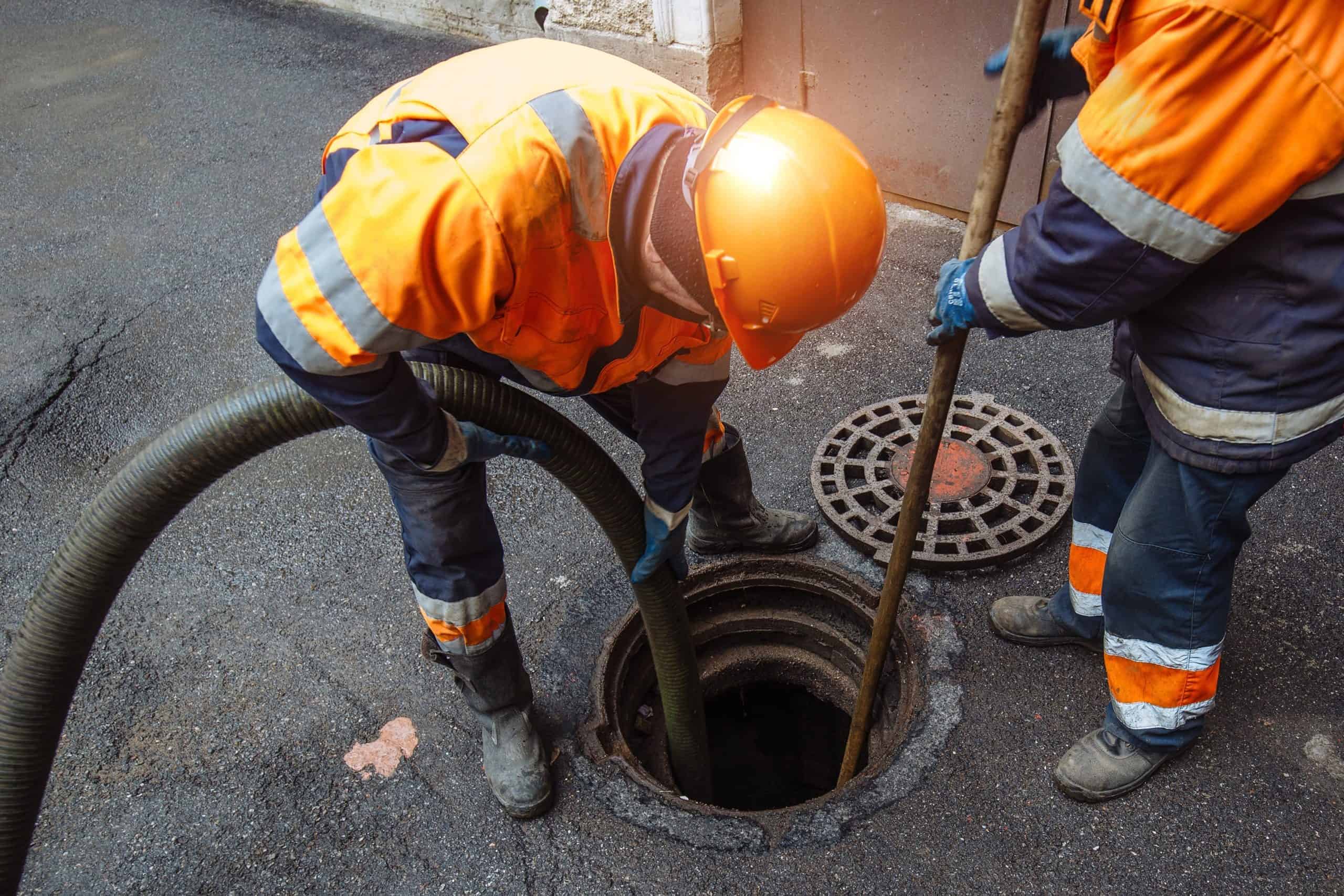
We insert a specialized hose with a multi-directional nozzle into your drain line. Water shoots out in all directions, hitting the pipe walls with enough force to remove grease, mineral scale, soap scum, hair, and even tree roots. The pressure is strong enough to cut through concrete, which tells you how effectively it handles stubborn buildup.
The difference between hydro jetting and snaking is that hydro jetting doesn’t just clear a path—it cleans the pipe. When the process is complete, your drain lines are restored to nearly their original diameter. Water flows freely, and it takes much longer for new buildup to accumulate and cause problems again.
Hydro jetting makes sense when you’re dealing with more than a simple, one-time clog. If your drains back up repeatedly despite being snaked, that’s a clear sign surface-level clearing isn’t solving the underlying problem. The recurring clogs mean there’s significant buildup in your pipes that needs to be completely removed, not just punctured.
Heavy grease accumulation is another situation where hydro jetting delivers results snaking can’t match. Kitchen drains develop thick layers of grease and oil that coat the pipe walls. Snaking might poke a hole through this temporarily, but the grease stays in place and catches more debris. Hydro jetting cuts through that grease and washes it away entirely.
Tree root intrusion is common in older Cook County neighborhoods. Mature trees send roots searching for water, and they often find their way into sewer lines through small cracks. Once inside, they grow and create serious blockages. While snaking can cut through roots temporarily, hydro jetting removes them more completely. It’s not permanent—roots will eventually grow back—but it buys you significantly more time between service calls.
Preventive maintenance is another smart use for hydro jetting. If you’ve just moved into an older Chicago-area home, having your lines hydro jetted can prevent future problems before they start. This is especially valuable when original plumbing might be decades old and carrying years of accumulated buildup. Cleaning everything out thoroughly means you’re less likely to face emergency plumbing situations down the road.
Commercial properties and multi-unit buildings benefit from regular hydro jetting as well. Restaurants should have drain lines hydro jetted annually due to heavy grease loads. The investment in preventive drain cleaning is far less expensive than dealing with a backed-up sewer line during business hours.
Hydro jetting isn’t right for every situation. The intense water pressure that makes it so effective can also cause damage if your plumbing isn’t strong enough to handle it.
Pipe condition is the most important consideration. Many homes across Chicago and Cook County built before 1960 still have original plumbing—clay pipes, early cast iron, or corroded galvanized steel. Decades of use can leave these pipes with cracks, weak spots, or joints barely holding together. Blasting them with high-pressure water can turn a manageable clog into a burst pipe and a much more expensive plumbing repair.
This is why video camera inspection should happen before hydro jetting. The camera shows exactly what condition your pipes are in. If there are cracks, significant corrosion, or structural issues, we’ll recommend snaking instead—or let you know that pipe replacement might be necessary before any drain cleaning method will work safely.
Cost runs higher than snaking. Hydro jetting typically costs between $350 and $600 for residential service in Cook County, compared to $100 to $250 for snaking. That’s a significant difference upfront. But if snaking only buys you a few months before the blocked drain returns, you’ll pay for multiple service calls. The math changes when you’re calling someone out three times a year versus once every year or two.
Time matters too. Hydro jetting takes longer because it’s doing more work. The inspection, setup, and cleaning process can take a couple of hours. If you need your drain working again in 30 minutes, snaking is faster. But if you can wait a bit longer for a more complete solution, hydro jetting delivers better long-term results.
Accessibility also affects the process. Hydro jetting requires access to a cleanout—an opening in your drain line where equipment can be inserted. If your home doesn’t have an easily accessible cleanout, we might need to remove a toilet or work through a vent pipe, which adds time and cost. In some cases, installing a cleanout might be necessary, which is an additional expense but also makes all future drain repair and maintenance easier.
The decision between hydro jetting and snaking isn’t about which method is better overall—it’s about which one fits your specific situation. Simple clog, older pipes, or tight budget? Snaking makes sense. Recurring problems, heavy buildup, or you want a solution that lasts? Hydro jetting is worth the investment.
The best approach starts with an honest assessment from a plumber who understands both methods and evaluates your pipes before recommending one over the other. Video inspection takes the guesswork out of the decision and protects you from choosing a method that could cause more problems than it solves.
For homeowners throughout Cook County dealing with aging infrastructure and harsh Chicago winters, having a local plumber who understands these specific challenges makes all the difference. We have the experience and equipment to assess your situation, explain your options clearly, and deliver the plumbing services that make the most sense for your home and budget.
Article details:
Share:
Continue learning: