Slow drains, recurring clogs, and strange odors aren't just minor annoyances—they're warning signs of serious plumbing problems that need professional attention.
Share:
Summary:
When drains start showing signs of distress, they’re often trying to tell you something important about your plumbing system’s health. The most obvious indicator is slow drainage—if water takes noticeably longer to disappear from your sink, shower, or tub, you’re likely dealing with a developing blockage.
Recurring clogs present another red flag that many homeowners dismiss too quickly. When you find yourself reaching for the plunger every few days or constantly battling the same stubborn blockage, the problem extends deeper than what surface-level solutions can address.
Multiple fixtures backing up simultaneously signals a serious issue, typically involving your main sewer line. This scenario requires immediate professional intervention to prevent sewage backup and potential health hazards.
Slow drainage might seem like a minor annoyance, but it’s actually your plumbing system’s early warning system. When water struggles to flow freely, it indicates that buildup is restricting your pipes’ capacity. This buildup doesn’t just disappear on its own—it continues growing until it creates a complete blockage.
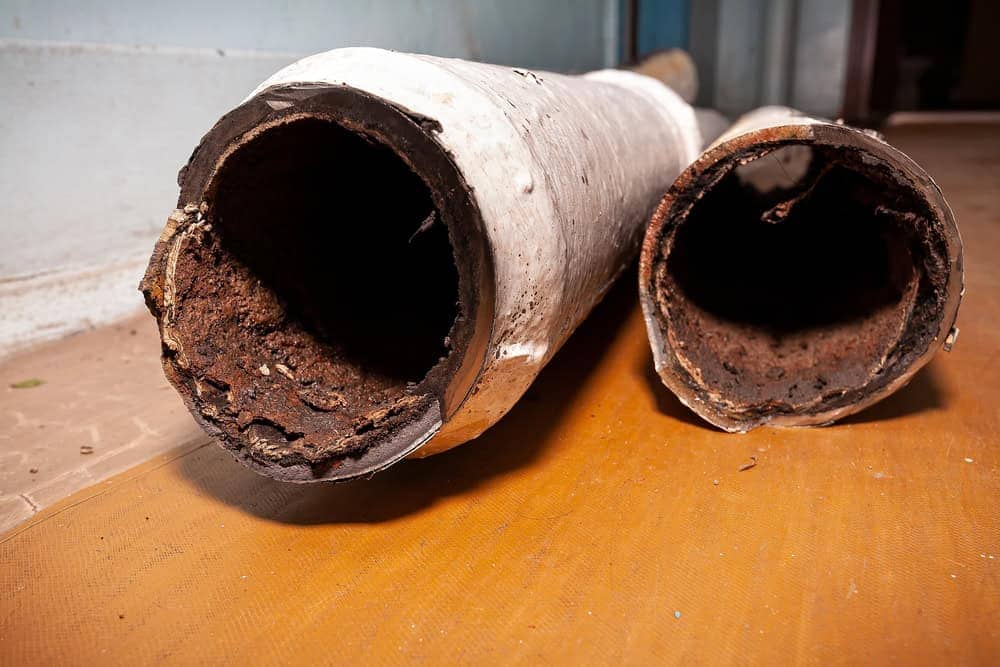
In Kaneville’s older homes, this problem becomes particularly concerning. Illinois’s hard water contains minerals that accumulate inside pipes over time, reducing their diameter by 15-20% within just five years. Combined with everyday debris like hair, soap scum, and food particles, these restrictions create the perfect environment for serious clogs.
The financial implications of ignoring slow drains can be substantial. What starts as a simple cleaning job can escalate into emergency repairs costing $1,200 or more. Professional drain cleaning addresses the root cause, removing years of accumulated buildup and restoring full flow capacity.
We use specialized equipment to thoroughly clean pipe walls, something that chemical drain cleaners and basic snaking simply cannot accomplish. This comprehensive approach prevents the recurring issues that plague homeowners who rely on temporary fixes.
Perhaps the most alarming scenario for any homeowner is when multiple drains throughout the house start experiencing problems at the same time. This isn’t a coincidence—it’s a clear indicator that your main sewer line has developed a significant blockage that’s affecting your entire plumbing system.
Main line blockages create a domino effect throughout your home. When the primary drainage pathway becomes restricted, wastewater has nowhere to go except back up through your fixtures. You might notice that flushing the toilet causes water to back up in your shower, or running the washing machine leads to overflow in your basement floor drain.
These situations require immediate professional intervention because they pose serious health and safety risks. Sewage backup can contaminate your living space with harmful bacteria and create conditions that promote mold growth. The longer you wait to address a main line blockage, the more extensive and expensive the cleanup becomes.
We have the equipment and expertise to locate the exact source of main line blockages. Using video inspection technology, our technicians can identify whether the problem stems from tree root intrusion, collapsed pipes, or accumulated debris. This diagnostic approach ensures that the right solution gets applied the first time, preventing recurring issues and minimizing disruption to your daily routine.
Your plumbing system communicates through more than just visible water flow issues. Strange sounds and persistent odors often provide the earliest warnings that professional drain cleaning is needed. These sensory clues shouldn’t be ignored, as they frequently indicate problems that are still manageable with proper intervention.
Gurgling sounds from drains typically mean air is trapped in your pipes due to partial blockages. When water tries to flow past an obstruction, it creates air bubbles that produce those distinctive noises. This scenario suggests that a complete blockage isn’t far behind.
Foul odors emanating from drains signal decomposing organic matter trapped somewhere in your plumbing system. These smells won’t simply disappear with air fresheners—they require professional cleaning to eliminate the source.
Gurgling sounds from your drains might seem harmless, but they’re actually your plumbing system’s way of signaling distress. These noises occur when air gets trapped in your pipes, typically due to partial blockages that restrict normal water flow. As water tries to navigate around these obstructions, it creates air bubbles that produce the characteristic gurgling sound.
The timing of these sounds provides important clues about the severity of your drainage problem. If you hear gurgling only when water is actively draining, you’re likely dealing with a localized blockage that professional cleaning can easily address. However, if gurgling occurs even when no water is running, it suggests a more serious issue with your main sewer line.
Ignoring gurgling drains rarely leads to improvement. Instead, the underlying blockage typically continues growing until it creates a complete obstruction. At that point, you’re facing an emergency situation that requires immediate professional intervention and often costs significantly more to resolve.
Professional drain cleaning addresses gurgling at its source by removing the blockages that trap air in your system. Using high-pressure water jetting, we can clear accumulated debris and restore proper airflow throughout your plumbing network. This comprehensive approach eliminates the gurgling sounds while preventing future blockages from developing.
Persistent foul odors coming from your drains represent more than just an unpleasant nuisance—they’re a clear indication that organic matter is decomposing somewhere in your plumbing system. These smells typically result from food particles, grease, hair, and other debris that has become trapped in your pipes and begun to rot.
Kitchen drains are particularly susceptible to odor problems due to food waste and grease buildup. Even small amounts of organic matter can create significant smell issues when they accumulate over time. Bathroom drains face similar challenges with hair, soap residue, and personal care products creating environments where bacteria thrive.
The health implications of persistent drain odors shouldn’t be underestimated. Decomposing organic matter creates ideal conditions for harmful bacteria growth, which can pose risks to your family’s wellbeing. These conditions also attract pests like fruit flies and drain flies, which can quickly become a major annoyance throughout your home.
Professional drain cleaning eliminates odors by removing their source rather than masking them with temporary solutions. Advanced cleaning techniques like hydro jetting can scour pipe walls clean, removing years of accumulated buildup that creates these unpleasant smells. This thorough approach ensures that odors don’t return, keeping your home fresh and sanitary.
When drainage problems strike, the temptation to try DIY solutions is understandable. However, recognizing when professional intervention is necessary can save you time, money, and frustration in the long run. Professional drain cleaning offers comprehensive solutions that address root causes rather than just symptoms.
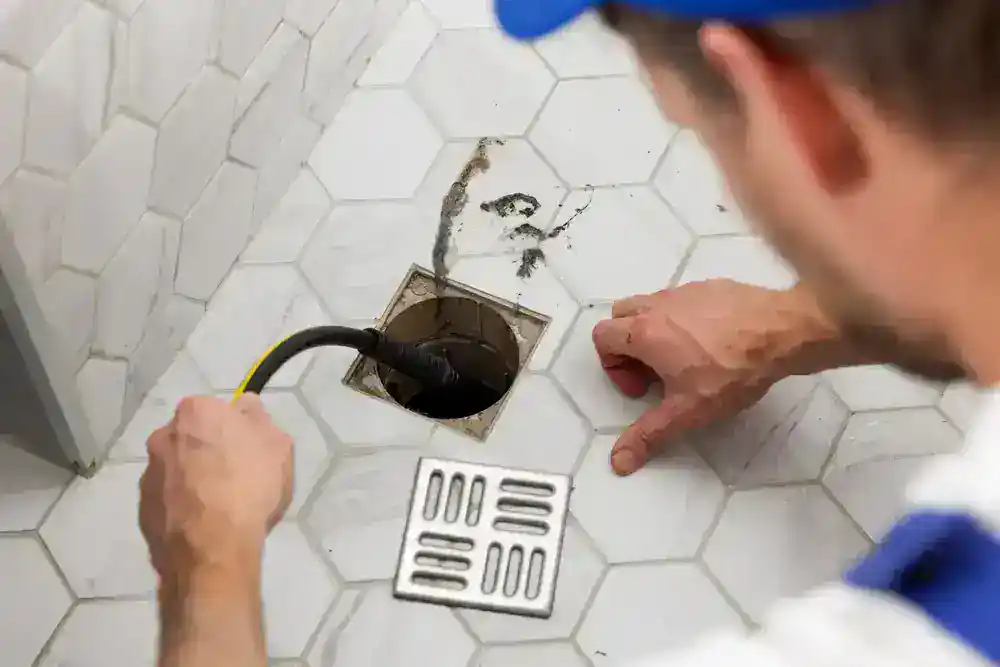
The advanced equipment and expertise that we bring to drainage problems simply cannot be replicated with store-bought solutions. Video inspection technology, high-pressure hydro jetting, and specialized tools allow us to diagnose and resolve issues that DIY methods cannot reach.
Most importantly, professional drain cleaning provides long-term solutions that prevent recurring problems and protect your property investment. When you need reliable drainage solutions in Kaneville, we at All Rooter Hydro Jetting Experts Inc provide the expertise and advanced technology necessary to keep your plumbing system functioning properly year-round.
Article details:
Share:
Continue learning: