Modern trenchless technologies are transforming commercial sewer repair in Cook County. Learn which no-dig methods deliver the fastest, most cost-effective results for your business.
Share:
Summary:
Traditional sewer repair meant digging. Backhoes, trenches running across your property, torn-up asphalt, weeks of disruption. Trenchless flips that. Instead of excavating the entire line, we access your sewer through small entry points and work inside the pipe itself.
The difference shows up in your timeline and your budget. Projects that used to take three weeks now finish in three days. Restoration costs that used to hit five figures drop to hundreds. For any business where downtime equals lost revenue, that’s not just convenient—it’s the reason you can stay open during repairs that would have shut you down completely a decade ago.
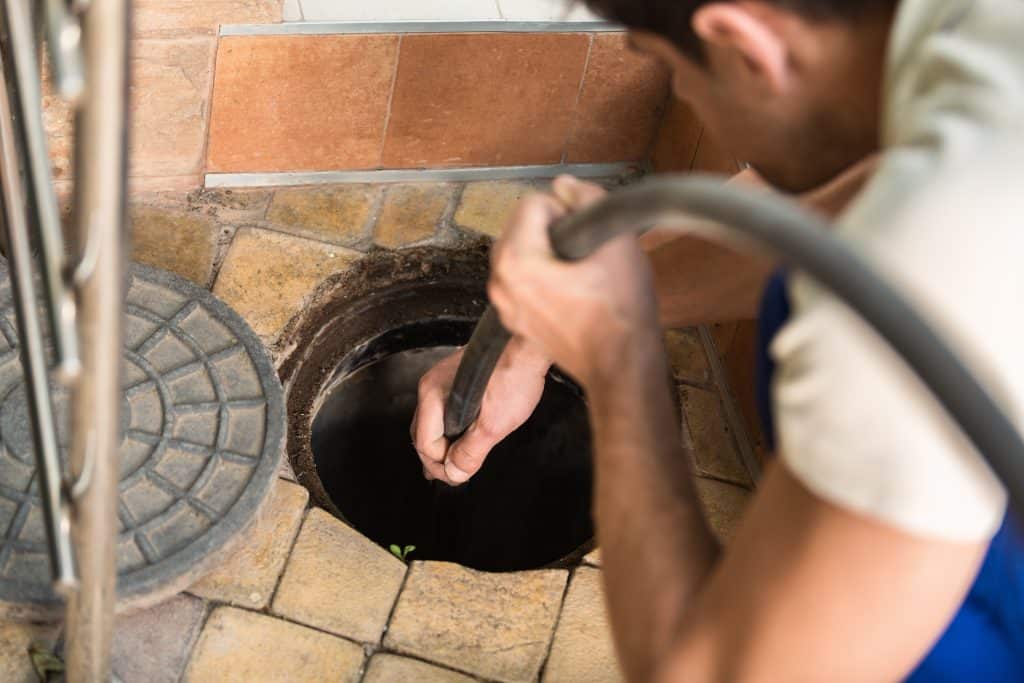
Cured-in-place pipe lining—CIPP—is probably the most versatile no-dig method available right now. The process starts with cleaning and camera inspection to map exactly what’s wrong. Then we insert a flexible, resin-saturated liner into your damaged pipe.
That liner gets positioned using water or air pressure, pressing it against your old pipe’s interior walls. Heat or UV light cures the resin, hardening it into a seamless new pipe within your existing line. You end up with essentially a brand-new pipe, built to last 50-plus years, without digging up your property.
CIPP works on nearly any pipe material. The clay and cast iron common in older Cook County buildings, PVC, even the Orangeburg pipes you sometimes find in pre-1970s properties—the liner bonds to whatever’s there and creates a corrosion-resistant interior. It handles bends and curves, which matters in urban locations where your sewer route isn’t a straight shot.
The equipment footprint is small. A CIPP crew doesn’t need massive staging areas or room for heavy machinery. That’s crucial in Cook County’s tight urban spaces where you can’t afford to block customer access or shut down loading zones.
Installation speed depends on your line’s length and condition, but most CIPP projects wrap up in one to three days. Compare that to traditional excavation stretching into weeks once you factor in digging, replacement, backfill, and surface restoration. For restaurants, retail, or any operation where each closed day bleeds revenue, that timeline difference is everything.
One thing to know: CIPP slightly reduces your pipe’s internal diameter, typically by a quarter to half inch. For most commercial applications, that doesn’t impact flow—the smooth cured liner actually improves flow compared to rough, corroded old pipes. But if you’re already running at capacity or need to upsize for increased demand, pipe bursting might be the better play.
Pipe bursting replaces your line entirely, but still without massive excavation. The process pulls a bursting head through your old pipe. That head fractures the old line as it moves, displacing fragments into surrounding soil while simultaneously pulling new pipe into place behind it.
The new pipe is typically HDPE—high-density polyethylene—which resists corrosion and handles ground movement without cracking. Unlike CIPP, pipe bursting doesn’t reduce your diameter. It can actually upsize your pipe if needed, increasing capacity for higher flow volumes.
That upsizing capability makes pipe bursting the go-to for properties that have outgrown their original sewer infrastructure. If you’ve expanded your facility, added fixtures, or increased water usage beyond what your old line was designed for, pipe bursting replaces and upgrades in one shot.
The method works best on straight runs. CIPP navigates bends, but pipe bursting needs a relatively direct path. If your line makes multiple turns, you might need a combination approach—pipe bursting for straight sections, CIPP for curves.
Pipe bursting requires slightly larger access pits than CIPP, typically at both ends of the section being replaced. You’re not talking about the massive trenches traditional excavation demands, but you do need room for pulling equipment and to stage new pipe sections. For properties with extremely limited access, that might factor into your decision.
The process is fast. Once set up, actual bursting and installation often happen in a single day for typical commercial lengths. Total project time including setup, connections, and restoration usually runs two to four days.
Cost-wise, pipe bursting runs similar to CIPP on a per-foot basis. The main difference comes from restoration—pipe bursting requires those access pits, so you’ll have some surface repair. But it’s still a fraction of full excavation costs. And because you’re getting a completely new pipe rather than a liner, some property owners see it as better long-term value, especially when the existing pipe is severely deteriorated.
Choosing between CIPP and pipe bursting isn’t about which technology is “better”—it’s about which matches your specific situation. Start with a camera inspection. That video shows exactly what’s happening inside your line and gives you the information to make an informed choice.
If your pipe has cracks, small breaks, or root intrusion but the overall structure is intact, CIPP lining is usually the most cost-effective fix. It seals problem areas, creates a corrosion-resistant interior, and extends your system’s life by decades. Minimal disruption and fast installation make it ideal when you need to keep your business running.
Pipe bursting makes sense when your line is severely deteriorated, collapsed in sections, or made from materials at the end of their useful life. Cast iron corroded through, clay pipes with separated joints, deformed Orangeburg—these call for full replacement. Pipe bursting also wins if you need increased capacity for higher flow.

Cook County’s commercial properties sit on infrastructure that’s often 50, 75, even 100 years old. Clay pipes were standard before the 1960s. Cast iron dominated from the ’50s through the ’80s. Both served well. Neither lasts forever.
Clay pipes crack at joints where sections connect. Those cracks become entry points for tree roots seeking moisture. Roots grow in, expand, create blockages, and eventually cause sections to separate or collapse. If you’ve got mature trees and recurring clogs, root intrusion through clay joints is probably your issue.
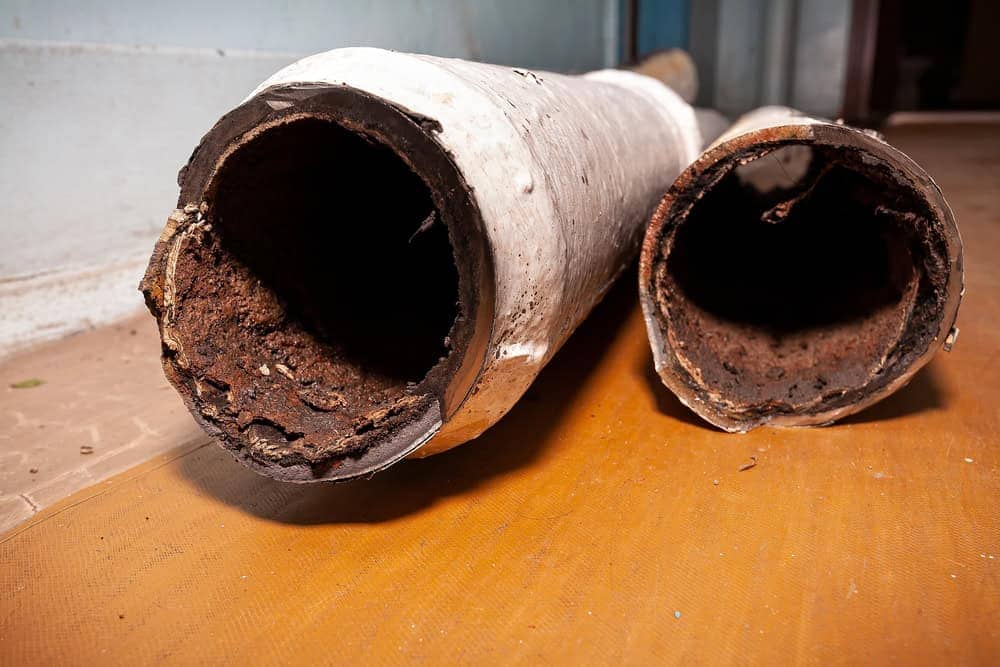
Cast iron corrodes from inside out. The bottom of the pipe, where wastewater flows constantly, deteriorates first. You might not see external trouble until the day it rusts through or collapses. Camera inspection catches this before failure, giving you time to plan instead of dealing with an emergency.
Chicago’s flat topography adds complications. Sewer lines rely on gravity, which requires precise slope. Over decades, ground settling alters that slope. Sections develop low spots called bellies where waste collects. Those bellies become chronic clog points that cleaning never fully resolves.
Trenchless methods handle all these scenarios. CIPP seals root entry points and smooths corroded interiors. Pipe bursting replaces lines deteriorated beyond repair. Both work in tight, congested underground environments typical of urban Cook County locations where you’re navigating around existing utilities and infrastructure that can’t be disturbed.
Hard water throughout the region creates mineral scale buildup, gradually reducing flow capacity. Industrial facilities and restaurants face additional challenges from process chemicals and grease. These factors accelerate deterioration and make industrial plumbing maintenance and eventual repair inevitable. Understanding your pipe material, age, and specific stresses helps you time repairs strategically instead of waiting for emergency failure at the worst possible moment.
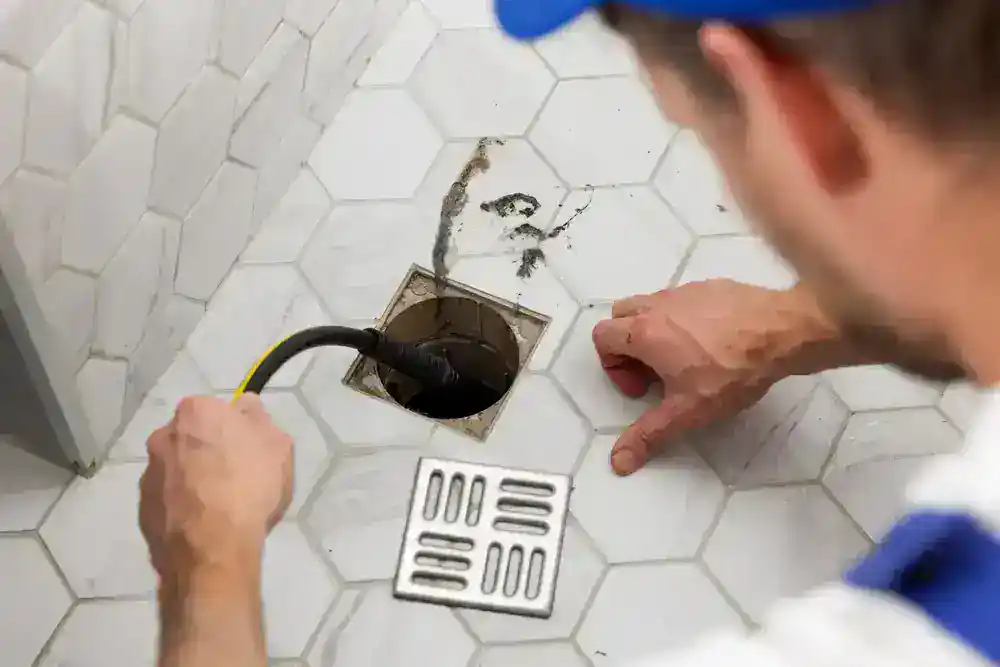
Most commercial sewer repairs start with camera inspection. A waterproof camera travels through your line, transmitting video that shows exactly what’s wrong and where. That eliminates guesswork and lets us plan the most effective approach.
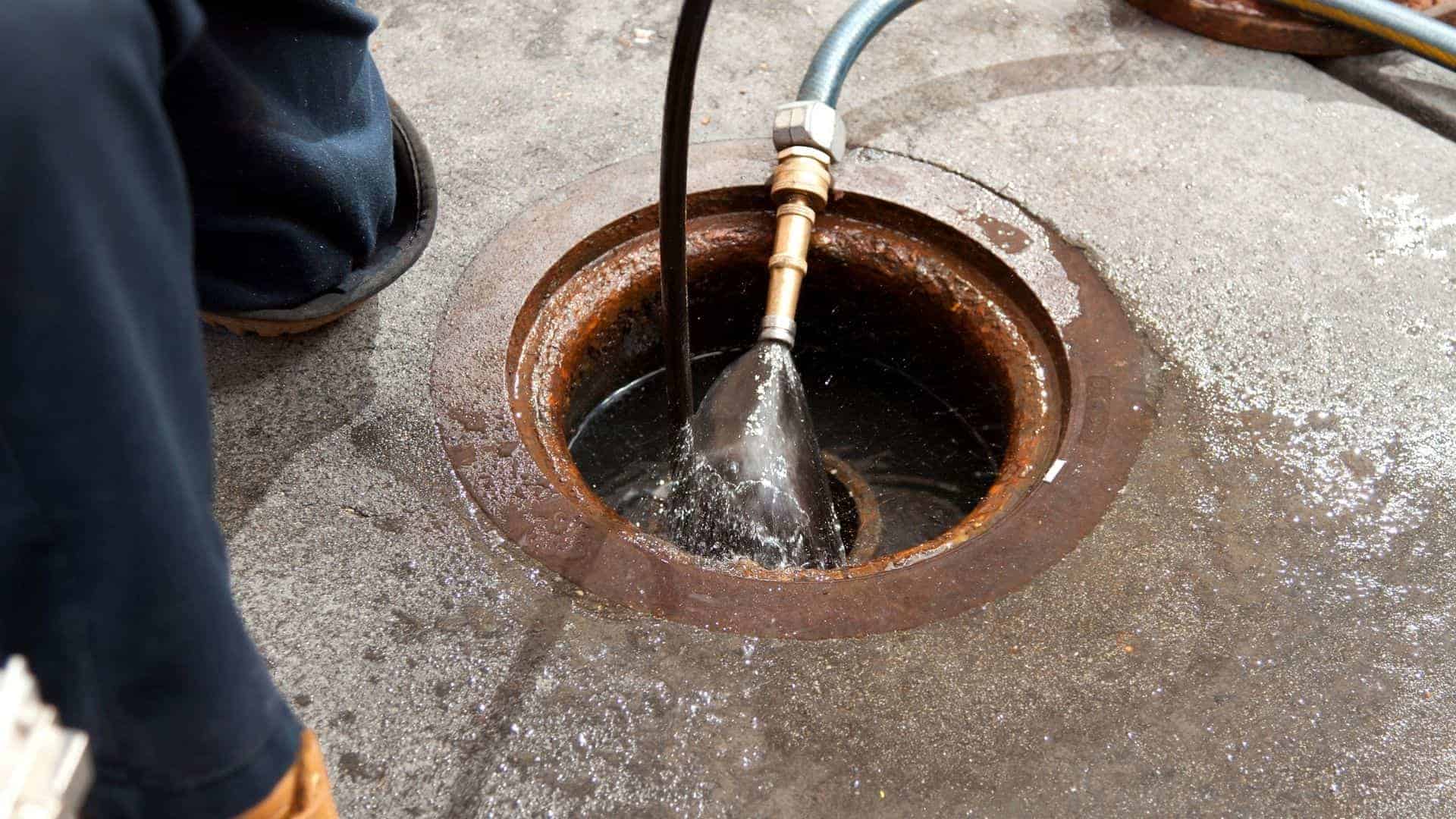
Once inspection is complete and you’ve chosen a method, next is cleaning. Hydro jetting uses high-pressure water to blast away debris, scale, roots, and buildup. This creates a clean surface for CIPP liner adhesion or clears the path for pipe bursting equipment. Trying to work in a clogged line doesn’t work.
For CIPP lining, we saturate the liner with resin, insert it through an access point, and position it inside your pipe. Once positioned, curing begins. Heat or UV light hardens the resin, typically taking a few hours. After curing, a robotic cutter opens connections at fixtures and laterals. Total installation often completes in one to two days.
Pipe bursting requires setting up pulling equipment at one end and staging new pipe at the other. The bursting head gets pulled through, fracturing your old line and pushing fragments into surrounding soil while pulling new pipe into place. It’s loud and generates vibration, but it’s fast—actual bursting often takes just hours. Connections get made, pits get backfilled, surface restoration wraps up within a few days.
Both methods require permits in most Cook County municipalities. We handle permitting, ensuring compliance with local codes. Inspection by authorities typically happens after completion to verify work meets standards.
For commercial properties, coordinating work during off-hours or slower periods minimizes impact. Some projects can happen entirely outside business hours if needed, though that may affect pricing due to overtime labor.
After completion, you’ll receive video footage of the repaired line, warranty information, and maintenance recommendations. That documentation becomes part of your property records and demonstrates due diligence if you sell or refinance.
Sewer line failure doesn’t give weeks of warning. One day your system functions, the next you’ve got backups, odors, or standing water. By the time symptoms appear, damage is done. Proactive inspection and repair cost less and disrupt less than emergency response.
If your property was built before 1990, your sewer line is probably due for evaluation. Camera inspection costs a few hundred dollars and gives you a clear picture of what you’re dealing with. That information lets you plan repairs strategically, budget appropriately, and choose the best technology instead of scrambling when failure shuts you down.
Trenchless methods transformed commercial sewer repair from a business-stopping ordeal into manageable maintenance. Whether CIPP lining or pipe bursting makes sense depends on your pipe’s condition, capacity needs, and site constraints. When you’re ready to assess your system or address problems before they escalate, we bring local expertise and proven trenchless solutions to commercial properties throughout Cook County.
Article details:
Share:
Continue learning: