Discover proven methods to thaw frozen pipes safely during Cicero's brutal winters and prevent costly burst pipe emergencies.
Share:
Summary:
Frozen pipes don’t always announce themselves with dramatic fanfare. Sometimes the signs are subtle until it’s too late.
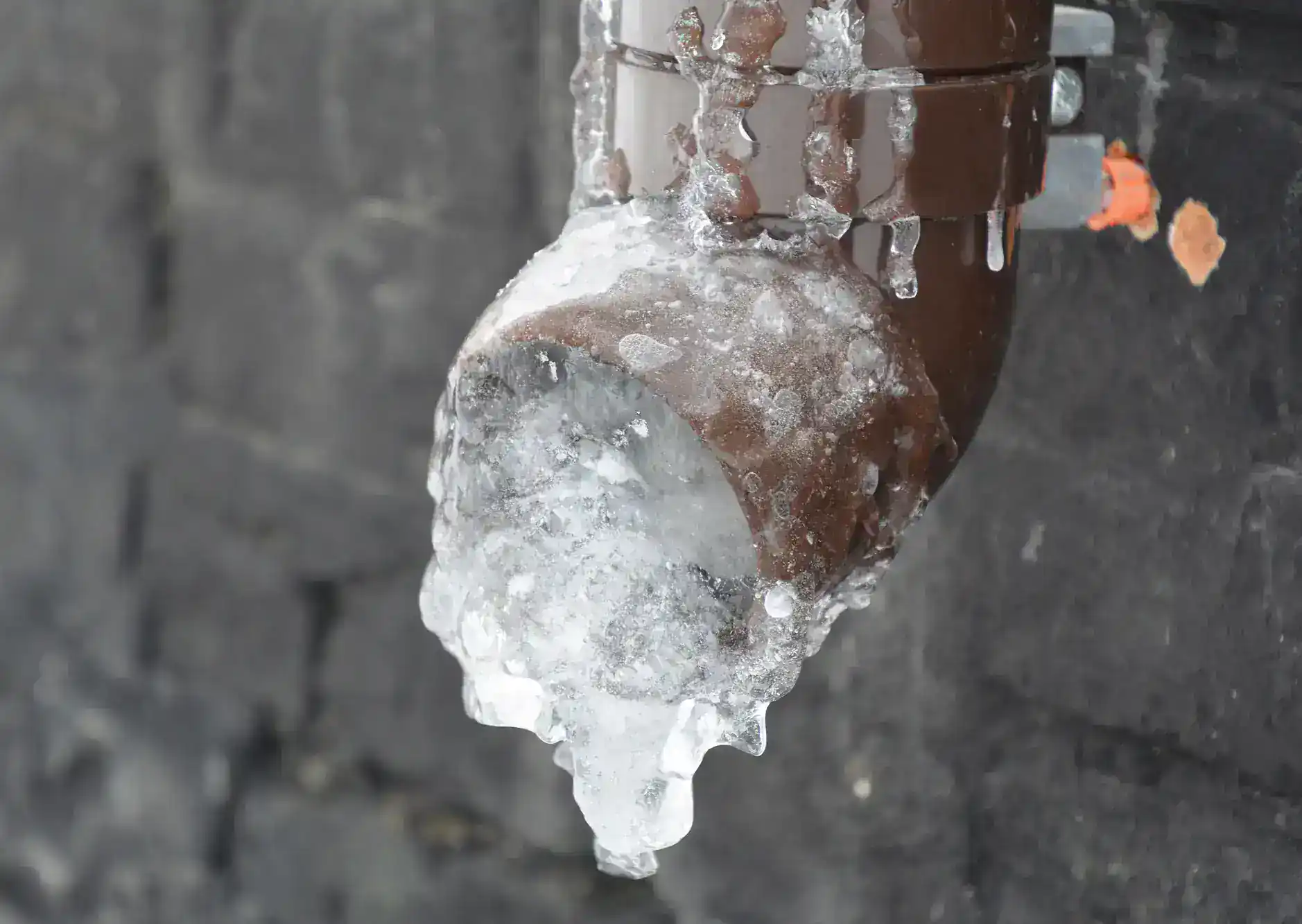
The most obvious indicator is reduced water flow or no water at all when you turn on faucets. But you might also notice frost on exposed pipes, unusual sounds when you turn on taps, or strange odors coming from drains.
In Cicero’s older homes, pay special attention to pipes in unheated basements, crawl spaces, or along exterior walls. These locations become prime targets when temperatures drop below 20°F for extended periods.

Cicero faces a perfect storm of conditions that make frozen pipes almost inevitable during winter months. The town’s harsh climate regularly sees temperatures below 20°F, and many homes were built before 1950 with pipes in vulnerable locations.
Unlike newer construction, older Cicero homes often have water lines running through unheated basements or along exterior walls with minimal insulation. North-facing walls get the least sunlight and stay coldest longest, making pipes in those areas freeze first.
The combination of aging infrastructure and extreme temperature swings creates unique challenges that require local expertise. Small gaps in foundations or around pipe penetrations can let in enough cold air to freeze pipes, even when your heating system is running properly.
Air leaks are particularly problematic in vintage homes. Even minor cracks around windows, doors, or where pipes enter your home can create cold air flow that reaches water lines. This is why prevention involves more than just keeping your thermostat up—it requires sealing these vulnerability points before winter arrives.
Many Cicero residents discover their pipe problems during extended cold snaps when temperatures stay below freezing for several days. Power outages during winter storms compound the problem when heating systems fail, leaving pipes completely exposed to freezing conditions.
When you discover frozen pipes, your first instinct might be to grab the nearest heat source and start warming things up. Stop right there. Using the wrong approach can cause pipes to burst instantly or create serious fire hazards.
Start by opening the affected faucet and keeping it open throughout the thawing process. This relieves pressure and allows water to flow once the ice begins melting. Never attempt to force water through frozen pipes by repeatedly turning faucets on and off—this can cause immediate bursting.
For accessible pipes, use gentle heat sources like a hair dryer, electric heating pad, or space heater without an open flame. Work from the faucet toward the frozen section, applying heat gradually. Hot towels wrapped around the frozen area can also help, but you’ll need to replace them frequently as they cool down.
The key word here is “gradual.” Rapid temperature changes make pipes more likely to crack. It typically takes around 30 minutes for pipes to thaw, though this varies depending on how cold it is, how long the pipe has been frozen, and its location.
Never use open flames, torches, propane heaters, or excessive heat sources near pipes. These methods can damage pipe materials, ignite surrounding materials, or cause rapid temperature changes that make pipes burst. Chicago sees structure fires every winter from homeowners attempting dangerous DIY thawing methods.
If you can’t locate the frozen section, or if the pipe is inside a wall or underground, don’t attempt DIY solutions. Professional thawing ensures any damage is identified before water pressure is restored, preventing surprise floods when the ice melts.
Some frozen pipe situations require professional intervention from the start. If you suspect pipes have already burst, can’t locate the frozen section, or notice any signs of damage, it’s time to call experts.
We use specialized electrical thawing equipment that safely warms pipes from the inside out. This controlled process prevents the rapid temperature changes that cause pipes to burst during amateur thawing attempts.
We also provide complete system assessment, identifying vulnerable areas and recommending permanent solutions to prevent future freezing problems.

Professional pipe thawing involves sophisticated equipment and techniques that aren’t available to homeowners. We use electrical thawing systems that attach cables to both ends of frozen pipes and send controlled electrical currents through the metal.
This process gradually warms the pipe from the inside out, taking time because rushing it can cause bursting. The electrical current is carefully monitored and applied in controlled bursts—typically about 10 seconds per application—while we check for any signs of damage as the ice melts.
Before beginning any thawing work, we shut off the main water supply to prevent flooding if pipes have already cracked. We use detection equipment to locate the exact frozen section and inspect the entire affected area for potential weak spots.
Once water flow is restored, the complete system gets tested for leaks or damage. This comprehensive approach ensures that any problems are addressed immediately rather than discovered later when they cause flooding.
Our services also include identification of why pipes froze in the first place. Simply thawing frozen pipes without addressing root causes means you’ll face the same problem again during the next cold snap. We identify vulnerability points and recommend specific solutions like pipe insulation, heat tape installation, or relocating exposed pipes.
The investment in professional thawing pays for itself by preventing water damage that can cost thousands of dollars. A burst pipe can release up to 250 gallons of water per day, causing extensive damage to flooring, walls, personal belongings, and potentially creating mold problems that require specialized remediation.
Time is critical when dealing with frozen pipes. Every minute that passes increases the risk of bursting, especially during extended cold periods when ice continues building pressure inside the pipes.
We typically arrive within 60 minutes of your call, equipped with all necessary tools and materials to complete repairs in a single visit. This rapid response is crucial because frozen pipes can go from inconvenience to disaster in minutes.
Our emergency services include immediate water shutoff, professional thawing, leak detection, and system testing. If burst pipes are discovered, repairs begin immediately to minimize water damage. Many emergency calls can be completed within a few hours, depending on the location and extent of the problem.
The cost of emergency thawing typically ranges from $150 to $400, depending on the location and extent of the freeze. While this might seem expensive during a crisis, it’s far less than the thousands you’d spend on water damage restoration, mold remediation, and structural repairs from burst pipes.
Prevention services are equally important for long-term protection. We can inspect your home’s plumbing system before winter arrives, identifying vulnerable pipes and recommending specific improvements for your home’s layout and Cicero’s climate conditions.
Common prevention solutions include adding pipe insulation in unheated areas, sealing air leaks around pipe penetrations, installing heat tape in problem areas, and ensuring adequate heating in spaces where pipes are located. For severe cases, pipes might need to be relocated away from exterior walls or other vulnerable positions.
Frozen pipes are a serious threat during Cicero’s harsh winters, but they don’t have to become a disaster. Knowing how to safely thaw pipes yourself—and when to call professionals—can save you thousands in water damage and repair costs.
Remember the key points: use gentle heat sources, work gradually, never use open flames, and don’t hesitate to call experts when you’re unsure. Prevention through proper insulation and air sealing is always more cost-effective than emergency repairs.
When you need professional pipe thawing services or want to prevent future freezing problems, we provide the local expertise and rapid response that Cicero homeowners depend on during winter emergencies.
Article details:
Share:
Continue learning: