Clogged drains in older Cook County homes aren't just inconvenient—they're warning signs of bigger problems lurking in aging pipes that could cost thousands in emergency repairs.
Share:
Summary:
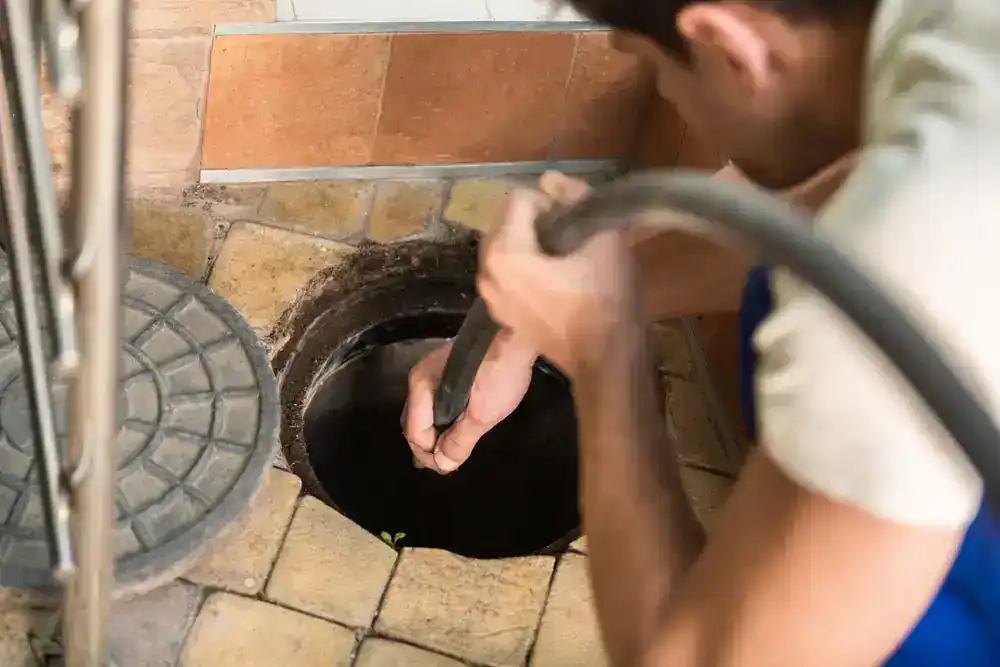
Walk through any historic Chicago neighborhood—from Oak Park bungalows to Evanston Victorians—and you’ll see beautiful homes built to last. But the plumbing inside many of these properties was never designed for how we use water today. Homes constructed before the 1980s typically have cast iron or galvanized steel pipes. These materials were considered durable at the time, but they’re now reaching the end of their functional life across Cook County.
Cast iron pipes have a lifespan of 50 to 100 years under ideal conditions. In reality, many start deteriorating after just 25 years. The problem? Corrosion happens from the inside out, where you can’t see it. By the time you notice discolored water or frequent clogs, significant damage has already occurred. Chicago’s soil conditions, freeze-thaw cycles, and the natural settling of older foundations all put extra stress on aging pipes.
When drains clog repeatedly in these older systems, it’s often because the pipes themselves have become part of the problem. That’s when professional drain cleaning becomes essential—not just to clear the blockage, but to address the underlying condition of your plumbing system.
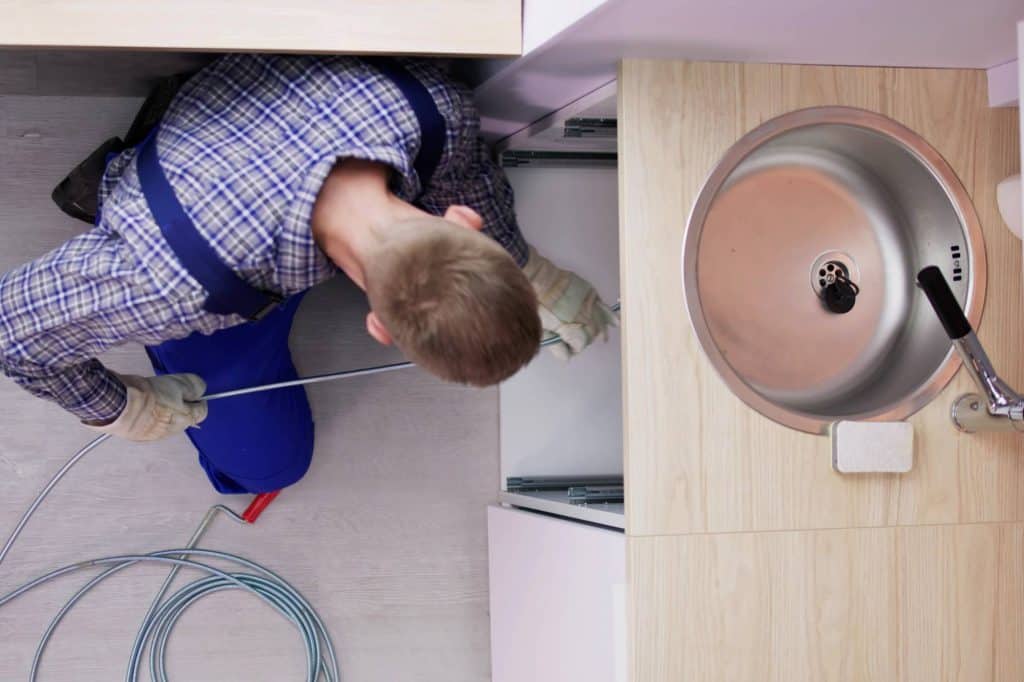
Most homeowners never think about what’s happening inside their drain pipes until something goes wrong. But if your Cook County home was built before modern plumbing standards, there’s a good chance your pipes are dealing with issues that make clogs more frequent and more serious.
Cast iron pipes corrode through a process that creates rough, pitted interior surfaces. These rough spots snag debris instead of letting it flow through. Grease that would normally pass through a smooth pipe sticks to corroded areas and builds up over time. Hair, soap scum, food particles—everything that goes down your drains has more opportunities to catch and accumulate. The interior of aged cast iron pipes often becomes so rough and pitted that it actively snags debris rather than letting it pass through.
Galvanized steel pipes face similar problems. The zinc coating that once protected the steel wears away, exposing the metal to moisture. Rust forms inside the pipes, narrowing the diameter and restricting water flow. What started as a three-inch pipe might effectively function as a two-inch pipe after years of internal rust buildup. Low water pressure and slow drains often result from this hidden narrowing.
Tree roots add another layer of complexity to blocked drain problems. Older sewer lines in Chicago were often made with clay tiles or cast iron sections joined together. As these materials age, small cracks and gaps develop at the joints. Tree roots naturally seek out water sources, and they’ll exploit even the tiniest opening in your sewer line. Once inside, roots grow and expand, creating blockages that can completely stop flow. Properties in tree-lined neighborhoods like Park Ridge or Wilmette face this challenge regularly.
The combination of corroded pipe interiors, reduced diameter from buildup, and root intrusion means that clogs in older homes aren’t just about what went down the drain last week. They’re about decades of accumulated problems that standard drain cleaning methods often can’t fully address.
Chemical drain cleaners make things worse, not better. The acids in these products can accelerate corrosion in metal pipes, especially cast iron. You might clear the immediate clog, but you’re also eating away at the pipe itself, setting yourself up for more serious plumbing repair needs down the road.
Understanding what’s actually happening inside your pipes changes how you approach drain problems. A clog isn’t just a clog when it’s happening in a 60-year-old cast iron pipe with a corroded interior and tree roots growing through the joints. That’s when calling a professional plumbing service makes the difference between a temporary fix and a real solution.
Not every slow drain signals an emergency, but certain warning signs tell you there’s more going on than a simple blockage. Recognizing these signs early can save you from water damage, sewage backups, and expensive emergency plumbing repairs in your Cook County home.
Multiple fixtures draining slowly at the same time is a red flag. If your kitchen sink, bathroom sink, and tub are all backing up, the problem isn’t in the individual drain lines—it’s in your main sewer line. This suggests a significant blockage or damage deeper in your plumbing system that needs professional drain cleaning.
Gurgling sounds coming from drains when you flush the toilet or run water elsewhere indicate trapped air in your pipes. This happens when water can’t flow freely through the system. In older Chicago homes, it often means a partial blockage is developing into something more serious. These sounds shouldn’t be ignored.
Foul odors coming from drains signal more than just trapped debris. When sewer gases back up into your home, it means your plumbing system’s normal venting isn’t working properly. This can be caused by blockages, damaged pipes, or issues with the sewer line itself. The smell isn’t just unpleasant—it’s a warning.
Water backing up in unexpected places is never normal. If you run the washing machine and water comes up in the basement floor drain, or if flushing the toilet causes the tub to fill with water, you’re dealing with a main line problem that needs immediate attention from a drain cleaning service.
Recurring clogs in the same location tell you the original problem was never fully resolved. If you’ve had a drain professionally cleaned but it’s backing up again within weeks or months, the blockage wasn’t completely removed. More likely, there’s an underlying issue like pipe damage, severe corrosion, or root intrusion that needs a different approach—possibly hydro jetting or drain repair.
Discolored water—especially rust-colored or brownish water—indicates corrosion inside your pipes. This often accompanies drain problems in older homes because the same deterioration that causes rust also creates the rough surfaces where clogs develop. It’s a sign that your plumbing services needs might extend beyond just drain cleaning.
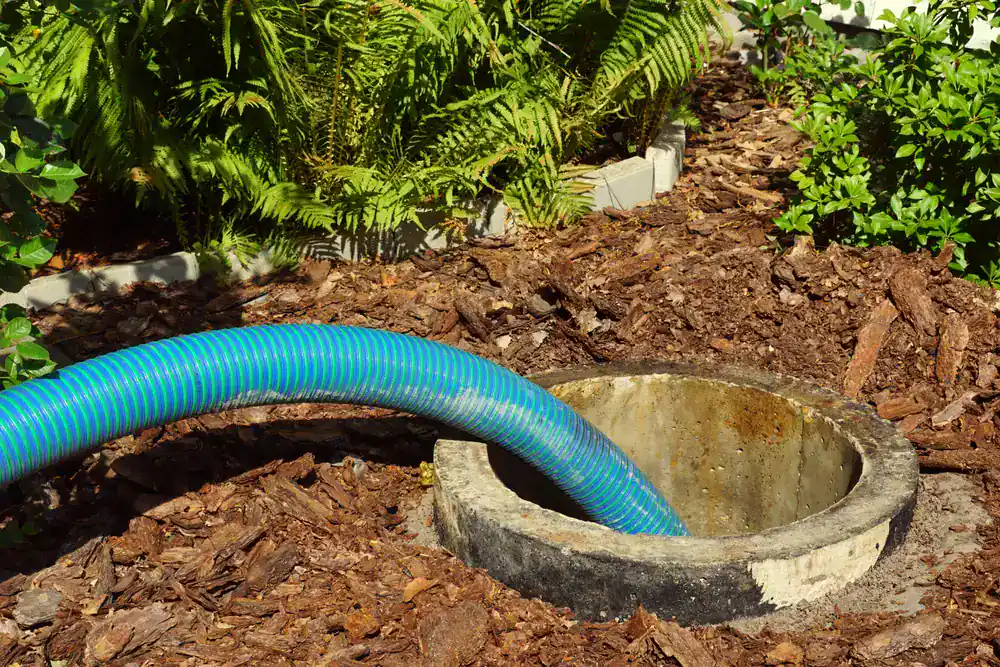
Patches of extra-green grass or soft spots in your yard can signal a leaking sewer line. When sewage leaks into the soil, it acts as fertilizer, creating noticeably greener patches. Soft or soggy areas indicate water accumulating underground from a damaged pipe. This requires immediate professional evaluation.
If you’re experiencing any of these warning signs in your Cook County home, especially in combination, you’re dealing with more than a simple clog. These symptoms indicate that your older home’s plumbing system needs professional evaluation—ideally with video camera inspection to see exactly what’s happening inside those pipes.
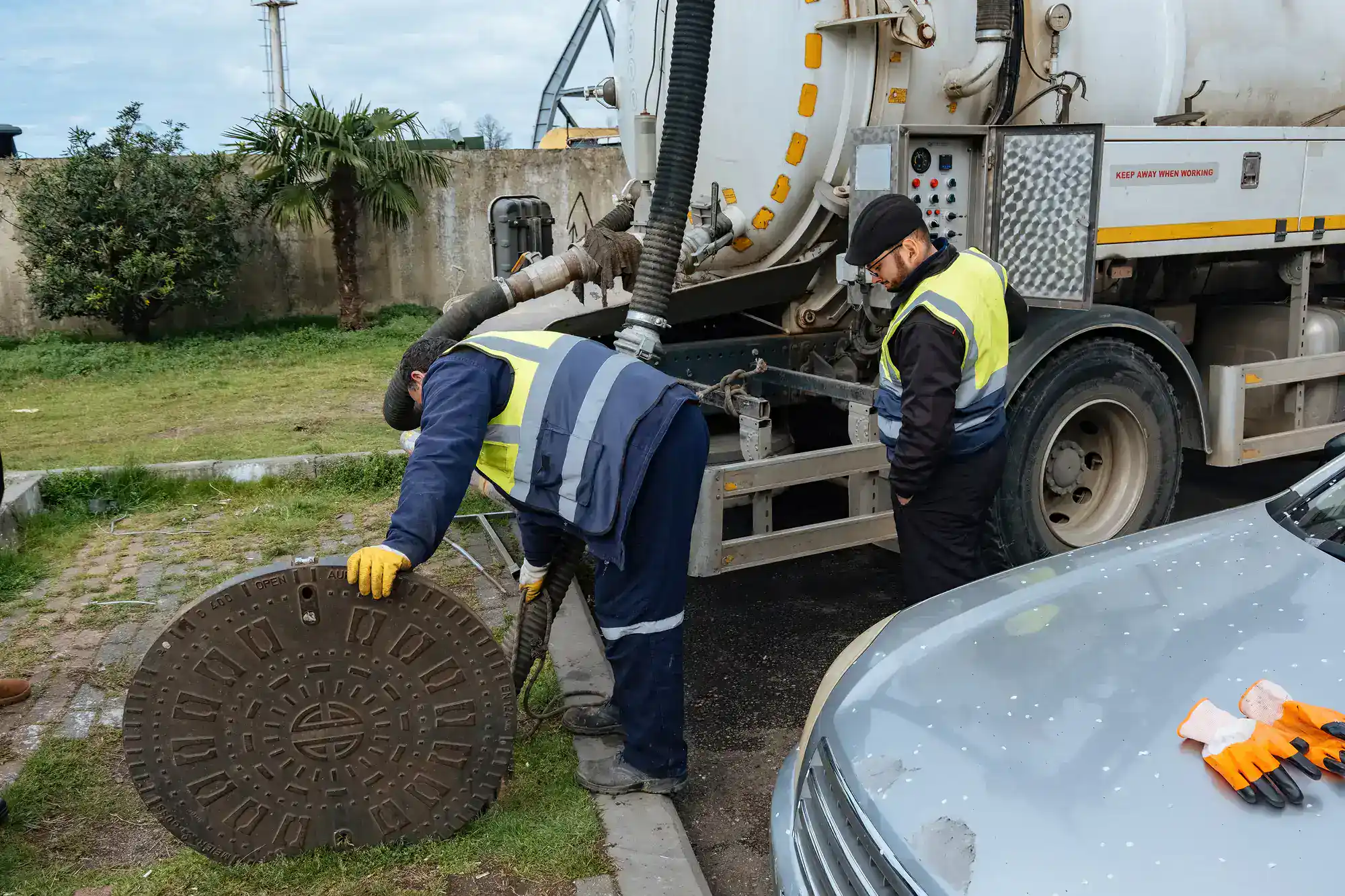
When you’re dealing with aging plumbing infrastructure in Cook County, the approach to drain cleaning matters more than it does in newer homes. Standard methods that work fine for modern PVC pipes might not be appropriate—or effective—for the cast iron and galvanized steel found in older Chicago homes.
Professional drain cleaning starts with understanding what you’re working with. That’s why video camera inspection has become essential for older home plumbing services. A waterproof camera fed through your drain line shows exactly what’s causing the blockage, what condition your pipes are in, and whether there’s damage that needs addressing beyond just clearing the clog. No guessing, just clear information about what’s really happening in your plumbing system.
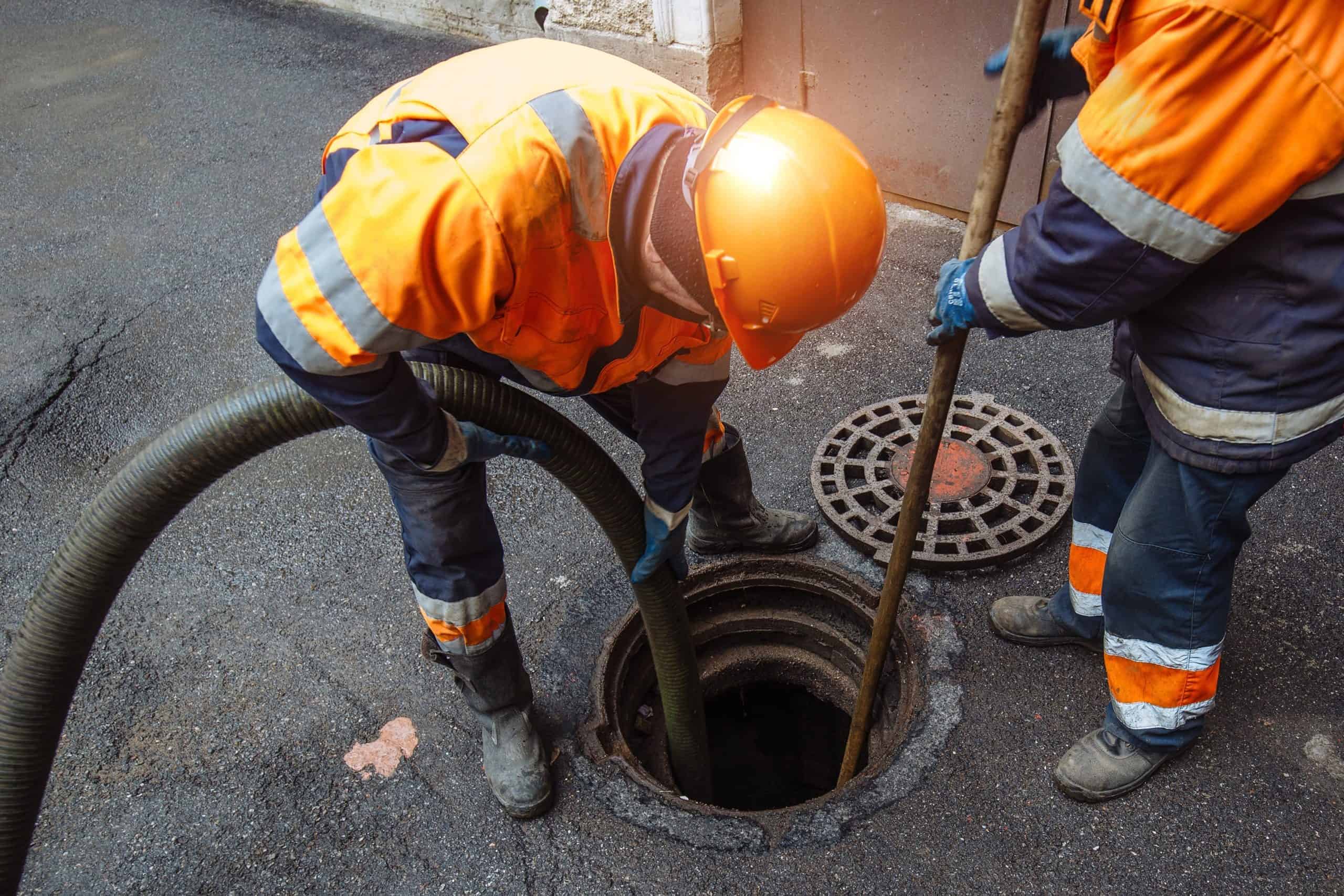
Hydro jetting uses high-pressure water to completely clean pipe interiors, removing not just the immediate blockage but also the buildup clinging to corroded pipe walls. Unlike snaking, which punches a hole through a clog, hydro jetting scours the entire interior surface. For older homes dealing with decades of accumulated grease, mineral deposits, and debris, this thorough cleaning extends the time between service calls and reduces the frequency of backups.
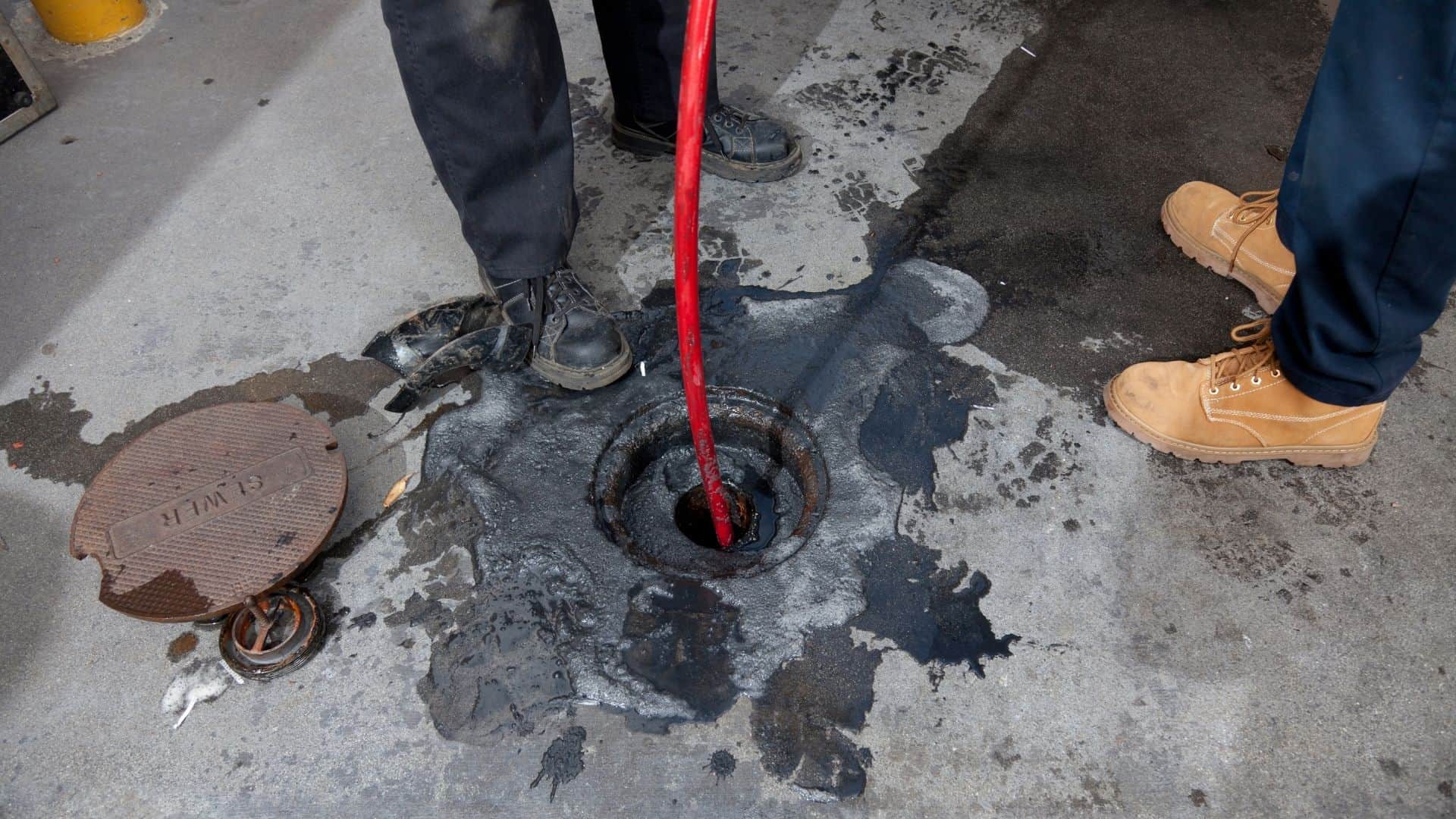
Hydro jetting might sound aggressive, but when done correctly by experienced plumbing professionals, it’s actually one of the safest and most effective methods for cleaning older pipes. The key is adjusting water pressure based on the specific pipe material and condition—something that requires both proper equipment and expertise with older home plumbing.
Cast iron pipes can handle hydro jetting well, even when they’re decades old, as long as the pressure is calibrated appropriately. We adjust PSI levels based on what the camera inspection reveals about pipe condition. Severely deteriorated pipes might need gentler treatment or repair before aggressive cleaning. This is why working with plumbing services experienced in Chicago’s older homes makes such a difference.
The thorough cleaning hydro jetting provides addresses the root cause of recurring clogs in older homes. Remember those rough, corroded interior surfaces that snag debris? High-pressure water smooths away buildup, creating a cleaner surface that allows waste to flow more freely. It’s not a permanent fix for corrosion, but it significantly improves function and extends the time before problems recur. Many Cook County homeowners find that hydro jetting dramatically reduces how often they need drain cleaning.
Tree roots respond particularly well to hydro jetting. The pressurized water cuts through roots that have infiltrated sewer lines, clearing them out more completely than mechanical snaking. While roots will eventually grow back if the underlying pipe damage isn’t repaired, hydro jetting provides longer-lasting relief than other methods. For properties with mature trees—common throughout Chicago’s established neighborhoods—this makes a noticeable difference.
Grease removal is another area where hydro jetting excels for drain cleaning. Kitchen drain lines in older homes often have decades of grease buildup coating the interior. This buildup doesn’t just narrow the pipe—it creates a sticky surface that catches everything else going down the drain. Hot water alone won’t remove hardened grease deposits, and chemical cleaners damage pipes. Hydro jetting breaks up and flushes away grease completely, restoring proper flow.
The process is also environmentally friendly. No harsh chemicals enter your pipes or the municipal sewer system. Just water under pressure, doing the work that chemicals can’t accomplish without causing damage. For homeowners concerned about both their plumbing and the environment, it’s the smart choice.
After hydro jetting, a follow-up camera inspection confirms the pipes are clear. You get visual proof that the problem is solved, not just temporarily improved. For older home plumbing where you can’t see what’s happening behind walls and under floors, this confirmation provides valuable peace of mind. You know the drain cleaning actually worked.
Professional drain cleaning can solve most clog problems, even in older Cook County homes. But sometimes the camera inspection reveals damage that cleaning alone can’t fix. Knowing when you’ve crossed from maintenance into replacement territory helps you make informed decisions about your plumbing system and avoid throwing money at temporary fixes.
Severe corrosion that has eaten through pipe walls means cleaning won’t help. If the camera shows holes, cracks, or sections where the pipe has deteriorated to the point of structural failure, those sections need plumbing repair or replacement. Continuing to clean damaged pipes without addressing the underlying failure just delays the inevitable. Many Chicago homes built in the 1960s and 1970s are reaching this point with their original cast iron systems.
Collapsed or bellied pipes require replacement, not cleaning. A bellied pipe is one that has sagged due to foundation settling or soil movement, creating a low spot where water and waste pool instead of flowing. No amount of drain cleaning will fix the negative slope. These sections need to be excavated and replaced to restore proper drainage. It’s a structural issue, not a blockage issue.
Extensive tree root intrusion with significant pipe damage falls into replacement territory. While hydro jetting can clear roots, if the roots have cracked the pipe or created large openings, they’ll grow back quickly. In these cases, replacing the damaged section and addressing the root source provides a permanent solution. Otherwise, you’re looking at repeated drain cleaning services every few months.
The good news is that replacement doesn’t always mean tearing up your entire yard or gutting walls. Trenchless repair methods allow us to replace or line damaged pipe sections with minimal excavation. A new pipe liner installed inside the old pipe creates a smooth, durable surface without the disruption of traditional replacement. It’s become a popular option for Cook County homeowners dealing with aging sewer lines.
For older Chicago homes, the decision often comes down to economics and long-term planning. If your home has original plumbing from the 1960s or earlier, and camera inspection shows widespread deterioration, strategic replacement of the most damaged sections might make more sense than repeatedly cleaning pipes that are failing. It’s an investment, but one that protects your property and eliminates ongoing drain problems.
We can walk you through your options based on what the camera inspection reveals. Sometimes cleaning buys you several more years of reliable service. Other times, investing in replacement now prevents more expensive emergency repairs later. Either way, you’re making the decision based on actual information, not guesswork.
The key is having accurate information about what’s actually happening inside your pipes. That’s why starting with video inspection makes sense even if you’re just dealing with a clog. You get a complete picture of your plumbing system’s condition, allowing you to plan appropriately for both immediate needs and future maintenance.
Older homes in Cook County, IL offer character, craftsmanship, and a sense of history that newer construction can’t match. But they also come with plumbing systems that need more attention and a different approach than modern pipes require. Understanding the unique challenges of aging infrastructure helps you act before small problems become expensive emergencies.
Recurring clogs aren’t something to ignore or repeatedly treat with temporary fixes. They’re telling you something about the condition of your pipes and the way your plumbing system is functioning. Professional drain cleaning with video inspection gives you the information you need to make smart decisions about maintenance and repairs.
Whether you’re dealing with a backed-up sink, slow-draining tub, or sewage backing up into your basement, addressing the problem correctly the first time saves money and protects your property. For older home plumbing challenges in the Chicagoland area, we bring the local expertise, professional equipment, and honest approach that aging plumbing systems require. Licensed, bonded, and insured, with 24/7 emergency service availability, we understand what Cook County’s older homes need—and we deliver solutions that actually work.
Article details:
Share:
Continue learning: