Chicago winters freeze pipes fast. Camera inspections show what's really happening inside your sewer lines—from tree roots to hidden cracks threatening your home.
Share:
Summary:
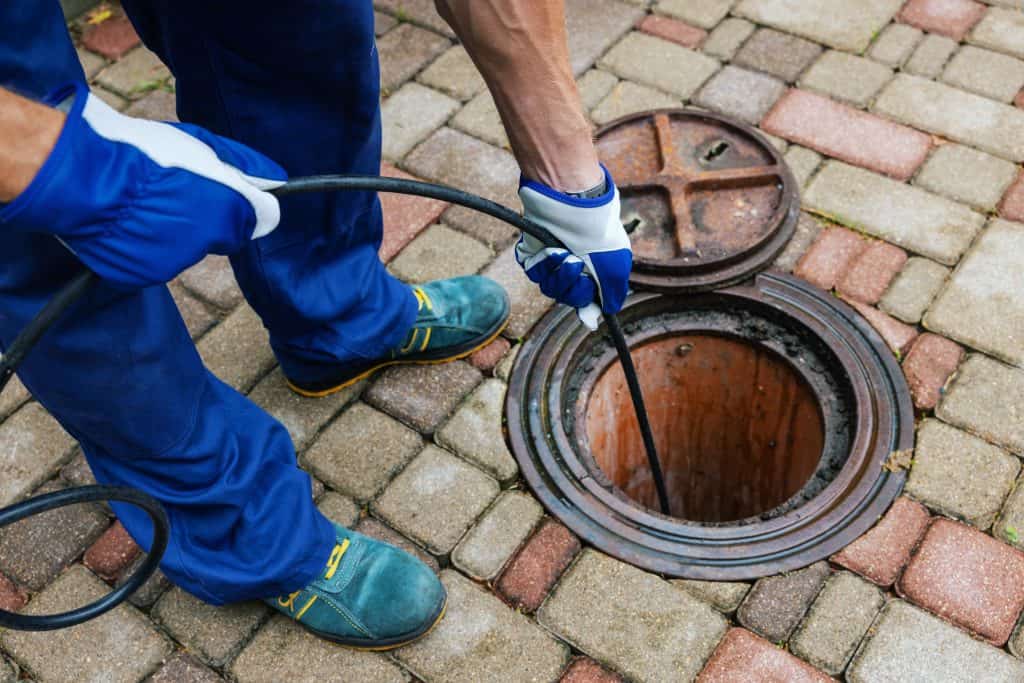
A sewer camera inspection puts a high-resolution camera on a flexible cable and feeds it through your drain lines. The camera sends live video to a monitor, letting us see inside pipes that are buried under your foundation, behind walls, or several feet underground. The footage shows the pipe’s interior condition in real time.
This isn’t just about finding clogs. Camera inspections reveal structural problems, material deterioration, and developing issues before they escalate. The camera captures everything from hairline cracks to complete pipe collapses, giving you a diagnosis based on what’s actually there—not guesswork.
Most residential inspections take 30 to 60 minutes depending on your system’s size and condition. We watch the feed, note problem areas, and mark their exact location using a transmitter on the camera head.
Tree roots cause some of the most severe sewer line damage in Cook County. Roots naturally grow toward moisture sources, and your sewer pipes provide exactly what they’re looking for. Even small cracks or loose pipe joints give roots an entry point.
Once inside, roots expand rapidly. They don’t just block flow—they actively break pipes apart as they grow. Cast iron pipes and clay pipes are especially vulnerable because they develop small cracks over time. Roots exploit these weak spots and turn minor damage into major structural failures.
Camera inspections show root intrusion clearly. You’ll see thick root masses filling the pipe, thin root hairs coating the walls, or roots pushing through cracks. The footage reveals not just where roots entered, but how extensively they’ve spread through your system.
Chicago’s mature neighborhoods deal with this constantly. Properties with large trees nearby face higher risk, but roots can travel surprising distances underground. Even trees several houses away can infiltrate your sewer line if conditions are right.
Hydro jetting often handles root problems effectively. High-pressure water cuts through root masses and scours pipe walls clean. For severe intrusions where roots have damaged pipe structure, you might need pipe repair or replacement. The camera footage shows which approach your situation requires.
Regular inspections catch root problems early, before roots cause irreversible damage. If you’ve got mature trees on your property or nearby, scheduling inspections every two to three years prevents costly surprises.
Pipes deteriorate over time. Materials corrode, joints separate, and ground movement creates stress that cracks even sturdy pipes. Camera inspections reveal this damage before it causes catastrophic failures.
Corrosion shows up as rough, pitted interior surfaces or visible holes in the pipe walls. Cast iron pipes, common in older Cook County homes, corrode from the inside out. You might not see external signs until the pipe’s already compromised internally. The camera catches this early.
Cracks appear as visible breaks in the pipe material. Small hairline cracks might not leak immediately, but they let soil and debris enter the pipe. This creates blockages and gives tree roots entry points. Larger cracks allow sewage to escape, potentially causing foundation problems and contaminating soil around your home.
Collapsed pipes represent complete failure. A section of pipe caves in, blocking flow entirely. This happens when corrosion weakens the pipe structure, ground shifts put too much pressure on aging materials, or tree roots push pipes apart. Camera footage shows the extent of collapse and helps determine whether spot repair or full replacement makes sense.
Misaligned pipe sections create another problem. When pipes shift or settle, joints separate. This creates gaps where sewage leaks out and debris gets in. The camera shows these alignment issues clearly, including how severely pipes have shifted.
Older Chicago homes built before 1950 often have galvanized pipes or cast iron sewer lines. These materials have limited lifespans. Galvanized pipes corrode internally, restricting water flow and degrading water quality. Cast iron lasts longer but eventually corrodes through. If your home still has original plumbing, camera inspections show current condition and help you plan for eventual replacement.
Ground freezes during Chicago winters put additional stress on underground pipes. Freeze-thaw cycles cause soil to expand and contract, shifting pipes and creating cracks. This makes regular inspections especially valuable in Cook County, where temperature extremes affect underground infrastructure constantly.
Chicago winters freeze pipes fast. When temperatures drop below 20°F and stay there, pipes in unheated areas freeze solid within 6 to 8 hours. Frozen water expands, creating pressure inside pipes that causes bursts. A burst pipe releases gallons of water per minute, causing thousands in damage.
Frozen pipe prevention starts with understanding which pipes face highest risk. Pipes in basements, crawl spaces, exterior walls, and unheated areas freeze first. Many Cook County homes built decades ago have inadequate insulation in these spots.
Camera inspections performed before winter identify vulnerable pipe sections. You’ll see where pipes run through unheated spaces or sit too close to exterior walls. This lets you add insulation, install heat cables, or take other preventative measures before temperatures drop.

When you call for frozen pipe repair, response time matters. Every minute frozen pipes stay frozen increases burst risk. We arrive with specialized thawing equipment designed for safe, controlled heating.
First, we locate the frozen section using detection equipment. No guesswork, no unnecessary wall damage. Most frozen pipes in Cook County homes hide in basements, crawl spaces, or wherever heating failed overnight.
Next, we apply controlled, gradual heat using professional thawing equipment. This isn’t hair dryers or space heaters that shock pipes and cause bursts. Professional equipment applies steady, even heat that thaws ice safely without damaging pipe materials.
While thawing, we inspect for cracks or weak points. Freezing can damage pipes even if they don’t burst immediately. Weakened sections might fail weeks or months later when you least expect it. Finding this damage during the initial service call prevents future emergencies.
After thawing, we test the system to confirm water flows normally and no leaks developed. We also check other vulnerable areas in your home, identifying pipes that might freeze next if temperatures stay low.
The whole process typically takes 1 to 3 hours depending on how many pipes froze and where they’re located. You get immediate water restoration, complete damage assessment, and recommendations to prevent recurrence.
Some situations require more than thawing. If pipes burst before we arrived, you need emergency burst pipe repair. This involves shutting off your main water supply, assessing damage extent, and repairing or replacing damaged sections. We carry common repair materials for immediate fixes, getting your water running again within hours.
Prevention costs less than emergency repairs and water damage restoration. A few simple steps protect pipes during Chicago’s coldest weather.
Keep your thermostat at 55°F minimum, even when you’re away. This is critical in Cook County where temperatures stay below freezing for days or weeks at a time. Don’t try to save money by turning heat too low—frozen pipe repairs cost far more than a few extra heating dollars.
Open cabinet doors under sinks to circulate warm air around pipes on exterior walls. This simple step prevents many frozen pipe calls during cold snaps.
Let faucets drip during extreme cold. Moving water resists freezing much better than standing water. You don’t need a strong flow—just a steady drip keeps water moving through vulnerable pipes.
Insulate pipes in unheated areas like basements and crawl spaces. Foam pipe insulation is inexpensive and effective. Focus on pipes along exterior walls or in areas where you’ve had freezing problems before.
Seal gaps where pipes enter from outside. Cold air infiltration through these openings freezes pipes surprisingly fast. Caulk or spray foam closes these gaps effectively.
Consider professional pipe heating cable installation in vulnerable areas before winter arrives. Heat cables provide consistent warmth to pipes most at risk. They’re especially valuable for pipes you can’t easily insulate or that have frozen repeatedly in past winters.
If you’ve had frozen pipes before, schedule a camera inspection before next winter. The footage shows exactly where your vulnerable spots are and helps you target prevention efforts effectively. You’ll see which pipes need insulation, where heat cables would help most, and whether any existing damage makes certain sections more freeze-prone.
Many Cook County homeowners schedule fall inspections to winterize plumbing before temperatures drop. This proactive approach catches small problems early and ensures your system can handle whatever Chicago winter throws at it.
Camera inspections aren’t just for emergencies. Schedule one if you’ve noticed slow drains, frequent clogs, foul odors from drains, or gurgling sounds in your plumbing. These symptoms signal developing problems that camera footage reveals clearly.
Before buying a home in Cook County, add sewer camera inspection to your pre-purchase checklist. You’ll know exactly what condition the sewer line is in before you own it. This prevents inheriting expensive sewer repairs from the previous owner.
If your home was built before 1980, schedule regular inspections every two to three years. Older plumbing systems need monitoring as materials age and deteriorate. Catching problems early saves money compared to emergency repairs after complete failures.
After major clogs get cleared, follow up with a camera inspection. The footage shows whether the clog damaged your pipes or if underlying issues caused the blockage. You’ll know if you need repairs beyond just clearing the immediate problem.
We provide camera inspections, hydro jetting, frozen pipe repair, and emergency plumbing services throughout Cook County. Our team understands Chicago’s unique plumbing challenges and arrives equipped to handle whatever the camera reveals.
Article details:
Share:
Continue learning: