Property managers in Cook County face unique plumbing challenges. This essential checklist helps you prevent costly emergencies and maintain commercial buildings efficiently.
Share:
Summary:
Commercial plumbing systems handle significantly more stress than residential ones. High daily usage, aging infrastructure, and the sheer complexity of commercial buildings create conditions where problems develop faster and cost more to fix.
In Cook County, many commercial buildings operate with plumbing systems installed 50 to 100 years ago. These aging systems weren’t designed for modern usage levels, and Chicago’s harsh winters add freeze-thaw stress that accelerates deterioration. When you factor in hard water causing mineral buildup and the consequences of deferred maintenance, you’re looking at a perfect storm for expensive failures.
Property managers who implement preventive plumbing care see dramatically different outcomes. Regular inspections identify minor leaks, slow drains, and worn components before they cause major damage. This proactive approach costs 60-80% less than emergency repairs and prevents the business disruptions that damage tenant relationships and property reputation.

Skipping regular plumbing maintenance doesn’t save money. It just delays the inevitable while making the eventual problem exponentially worse.
A small leak under a sink might waste a few gallons of water initially. Left unchecked for months, it causes water damage to cabinetry, flooring, and potentially the unit below. What could have been a $200 repair becomes a $5,000 restoration project, plus the cost of relocating affected tenants.
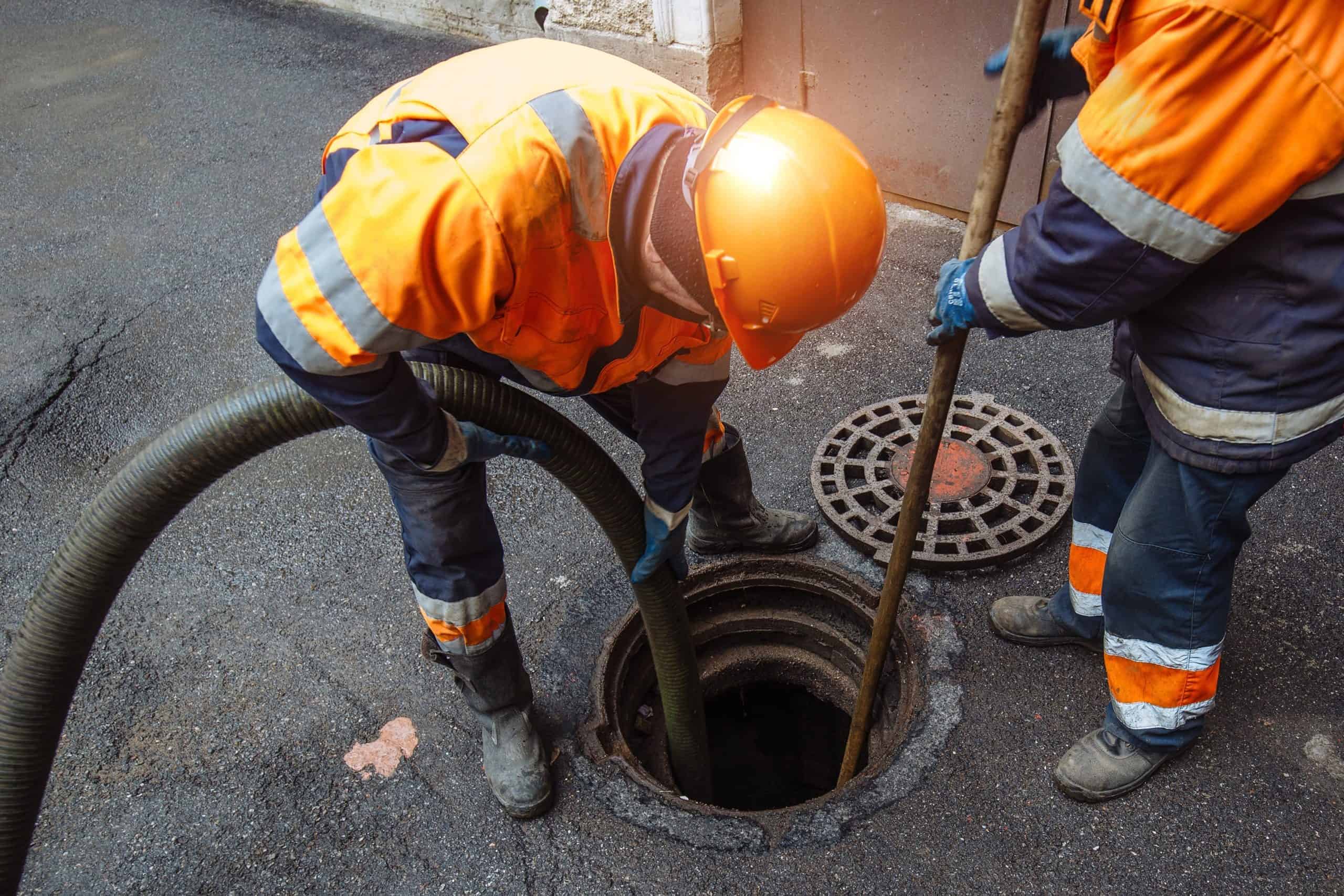
Drain lines tell a similar story. Grease, debris, and mineral buildup accumulate gradually in commercial drains. Regular cleaning keeps pipes flowing freely. Without it, blockages form until one day the main sewer line backs up, flooding restrooms or commercial kitchens with sewage. The cleanup, repairs, and health code violations that follow can easily exceed $15,000.
Water heaters provide another example. Annual flushing and anode rod inspection extend a water heater’s lifespan to 12-15 years. Without maintenance, sediment buildup reduces efficiency, increases energy costs, and leads to premature failure. Replacing a commercial water heater on an emergency basis costs significantly more than scheduled replacement, and the downtime affects every tenant in the building.
Chicago’s building codes require annual backflow prevention testing. Property managers who skip this requirement face fines, failed inspections, and potential liability if contaminated water enters the potable water supply. The cost of compliance is minimal compared to the consequences of neglect.
The pattern is consistent across all plumbing systems. Preventive maintenance identifies issues when they’re small, manageable, and inexpensive. Reactive maintenance deals with failures after they’ve caused maximum damage and disruption.
Property managers operate on tight budgets, and maintenance spending competes with dozens of other priorities. It’s tempting to view preventive plumbing care as optional, especially when systems appear to be working fine.
The numbers tell a different story. A comprehensive commercial plumbing maintenance program typically costs $1,500-$3,000 annually for a mid-sized commercial building. That investment covers regular inspections, drain cleaning, water heater service, and minor repairs identified during checkups.
Compare that to emergency repair costs. A burst pipe during business hours runs $3,000-$8,000 for repairs alone, not counting water damage restoration or lost business revenue. A backed-up main sewer line requiring hydro jetting and repairs averages $5,000-$12,000. Water heater failure and emergency replacement costs $4,000-$10,000 depending on system size.
Beyond direct repair costs, plumbing failures create hidden expenses. Tenants may withhold rent or break leases due to prolonged plumbing issues. Water damage claims increase insurance premiums. Health code violations result in fines and mandatory upgrades. Emergency repairs always happen at the worst possible time, often requiring after-hours service at premium rates.
Preventive maintenance also extends equipment lifespan. Commercial water heaters with regular service last 12-15 years instead of 7-10. Properly maintained drain lines avoid the corrosion and deterioration that necessitate costly pipe replacement. Fixtures and valves that receive attention last longer and perform better.
Facility management becomes more predictable with scheduled maintenance. You control when service happens, scheduling during low-occupancy periods to minimize disruption. Budget planning improves when you’re not dealing with surprise $10,000 repair bills. Tenant satisfaction increases when plumbing systems work reliably.
The ROI on preventive plumbing maintenance typically exceeds 300%. Every dollar spent on scheduled care saves three to five dollars in avoided emergency repairs. For property managers responsible for protecting asset value and maximizing net operating income, preventive plumbing care isn’t optional. It’s one of the highest-return investments you can make.
Effective commercial plumbing maintenance follows a structured schedule. Some tasks require monthly attention, others quarterly or annually. Understanding what to inspect and when creates a systematic approach that catches problems early.
The specific maintenance needs vary by building type, age, and usage. A restaurant with heavy grease loads needs more frequent drain cleaning than an office building. Older properties with original plumbing require closer monitoring than newer construction. High-occupancy buildings experience more wear than lightly used facilities.
Despite these variables, certain maintenance tasks apply universally to commercial properties. These core activities form the foundation of any preventive plumbing care program and should be adapted to your property’s specific circumstances.
Monthly visual inspections catch developing issues before they become emergencies. These don’t require a plumber—property managers or maintenance staff can perform basic checks during regular building walkthroughs.
Start with visible fixtures. Check all faucets, toilets, and urinals for leaks, drips, or running water. A toilet that runs continuously wastes thousands of gallons monthly and signals a faulty flapper or fill valve. Dripping faucets indicate worn washers or cartridges that need replacement. These minor repairs cost little when addressed promptly but waste water and money when ignored.
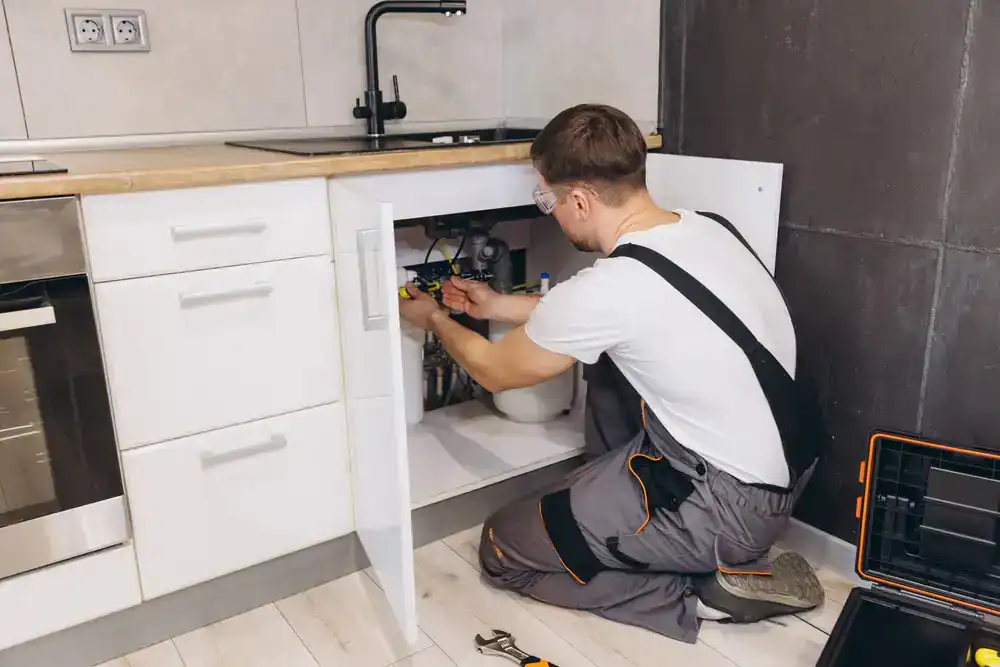
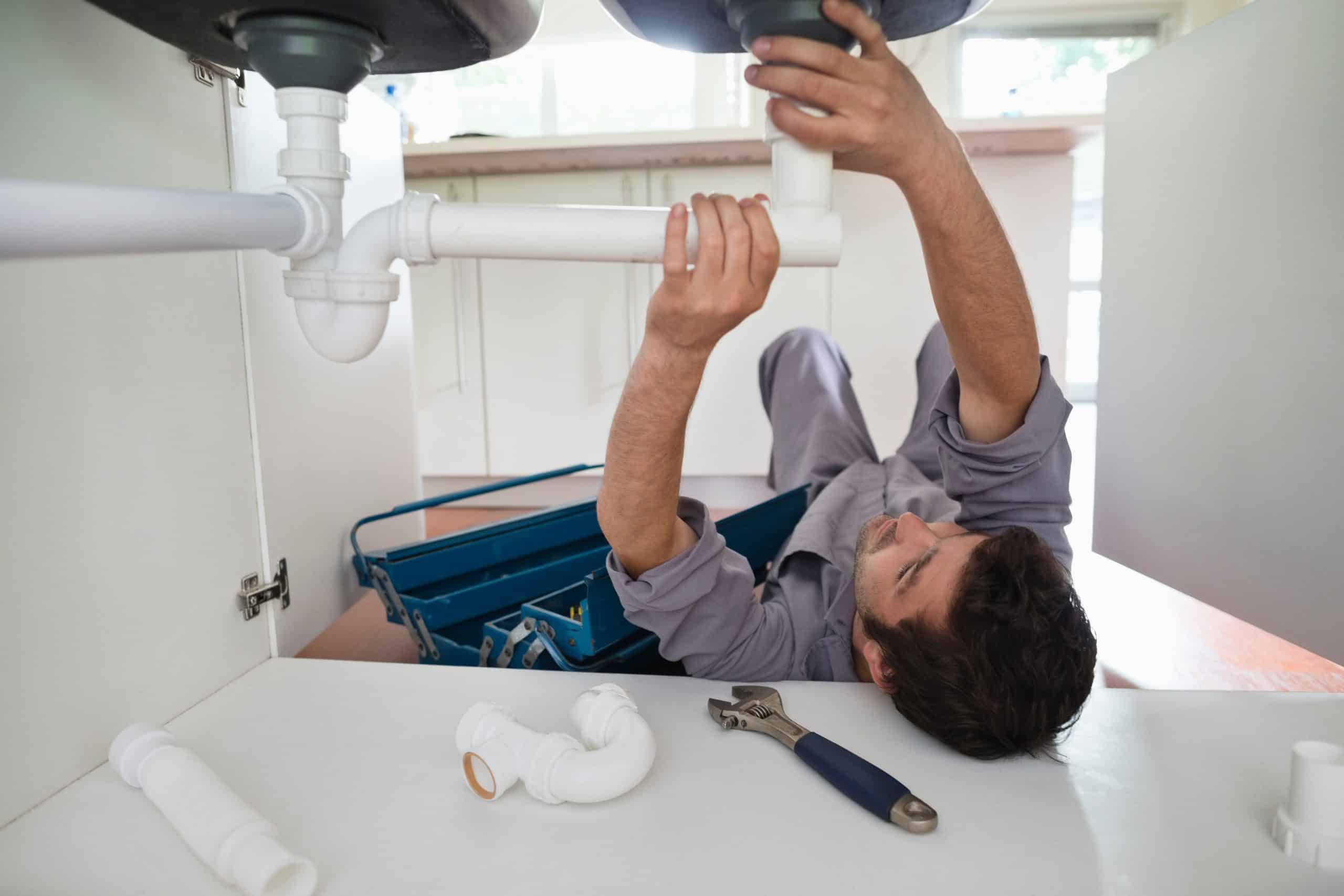
Inspect under sinks in restrooms, kitchens, and utility areas. Look for water stains, puddles, or moisture that indicates leaks. Check supply lines for corrosion, bulging, or deterioration. Examine drain connections for loose fittings or signs of seepage. Catching leaks early prevents water damage to cabinetry, walls, and flooring.
Test drain function throughout the building. Slow-draining sinks or floor drains signal developing clogs that need attention. Multiple slow drains suggest a main line issue requiring professional cleaning. Address drainage problems before they progress to complete blockages.
Check water pressure at various locations. Inconsistent pressure or sudden changes indicate potential problems with supply lines, pressure regulators, or hidden leaks. Low pressure affects tenant satisfaction, while high pressure accelerates wear on fixtures and can damage appliances.
Look for signs of water damage on ceilings, walls, and floors. Stains, discoloration, or soft spots indicate leaks in hidden pipes that require investigation. The longer these go undetected, the more extensive the damage becomes.
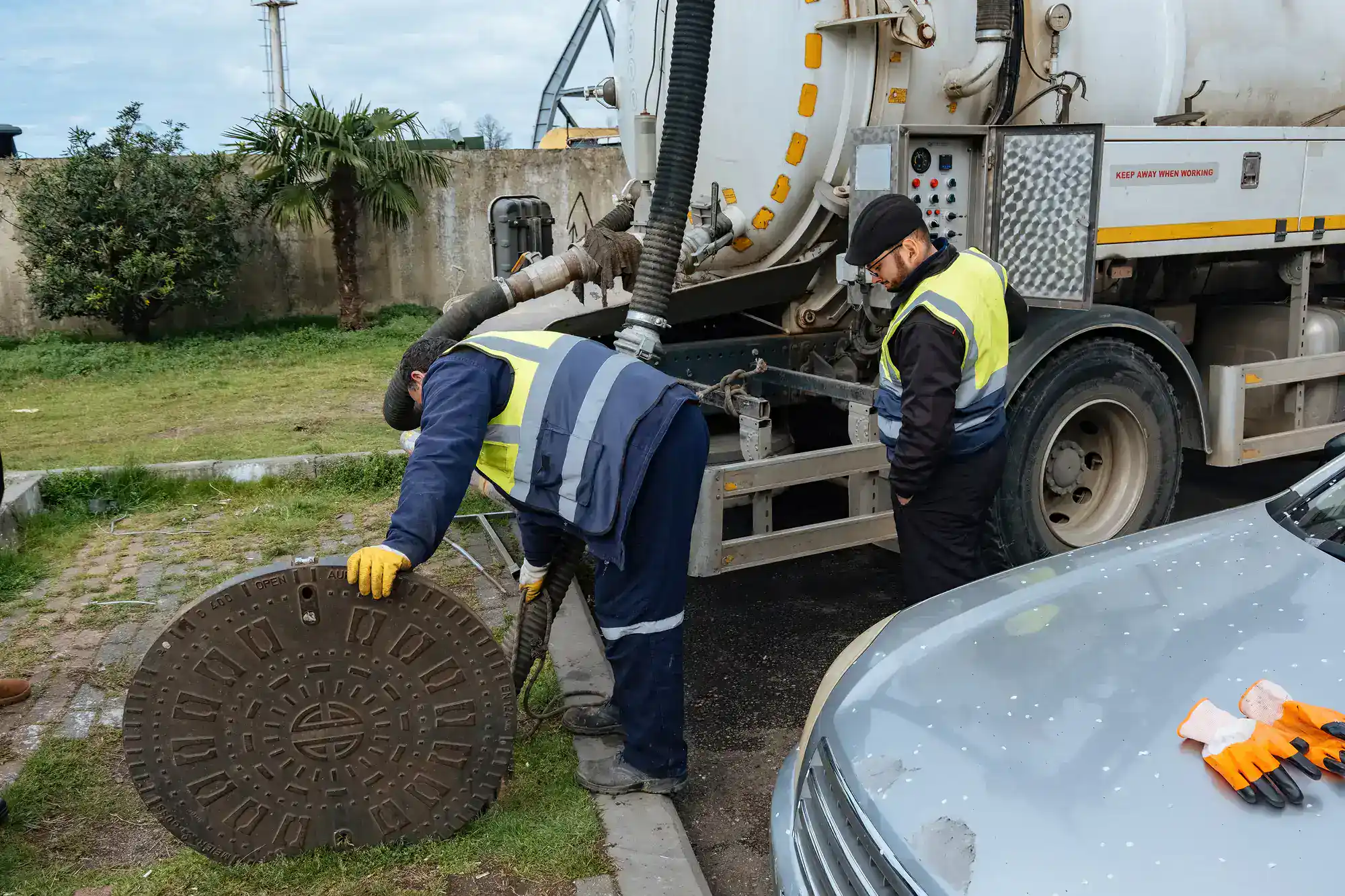
Quarterly maintenance goes deeper. Schedule professional drain cleaning for high-use areas like commercial kitchens, public restrooms, and utility sinks. Even if drains appear to be flowing normally, regular cleaning prevents buildup that leads to blockages.
Backflow prevention devices require quarterly testing in many jurisdictions. These protect your potable water supply from contamination and must be certified by licensed professionals. Failing to maintain backflow preventers violates health codes and creates serious liability.
Inspect exposed pipes for corrosion, especially in basements, mechanical rooms, and utility areas. Look for rust, mineral deposits, or deterioration that suggests pipes are approaching end of life. Identifying these issues early allows for planned replacement rather than emergency repairs.
Test temperature and pressure relief valves on water heaters. These safety devices prevent dangerous pressure buildup but can fail over time. Regular testing ensures they’ll function properly if needed.
Annual maintenance addresses systems that don’t require frequent attention but need regular professional service to maintain reliability and compliance.
Water heater maintenance tops the annual checklist. Commercial water heaters work hard and benefit from professional service that includes flushing sediment, inspecting the anode rod, checking heating elements or burners, and verifying proper temperature and pressure settings. This service extends equipment life, improves efficiency, and prevents premature failure.
In Chicago’s climate, water heaters face additional stress from hard water causing mineral buildup. Annual flushing removes sediment that reduces capacity and efficiency. Replacing worn anode rods prevents tank corrosion that leads to leaks. These relatively inexpensive maintenance tasks can add five years to a water heater’s lifespan.
Comprehensive sewer line inspection should happen annually, especially for older properties. Video camera inspection reveals the condition of underground pipes, identifying cracks, root intrusion, corrosion, or developing blockages before they cause backups. This diagnostic service costs a few hundred dollars but can prevent $10,000+ emergency sewer repairs.
Main drain lines benefit from annual hydro jetting, particularly in food service facilities or buildings with heavy usage. Hydro jetting uses high-pressure water to thoroughly clean pipes, removing grease, mineral deposits, and debris that accumulate over time. This preventive cleaning maintains flow capacity and prevents blockages.
Backflow prevention devices require annual testing and certification by licensed professionals. This isn’t optional—it’s mandated by health codes. The testing verifies that these devices are protecting your water supply from contamination. Failed devices must be repaired or replaced to maintain compliance.
Inspect all shut-off valves annually. Main water shut-offs, zone valves, and individual fixture shut-offs should be exercised (turned on and off) to prevent them from seizing. In an emergency, you need these valves to work immediately. Valves that haven’t been operated in years often fail when you need them most.
Check water pressure regulators if your building has them. These devices protect plumbing systems from excessive pressure that damages fixtures and accelerates wear. Annual inspection ensures they’re functioning correctly and maintaining appropriate pressure levels.
Examine sump pumps in buildings that have them. Test operation, inspect discharge lines, and verify that backup systems work. Sump pump failure can lead to basement flooding, especially during Chicago’s spring storms.
Review and update your plumbing system documentation. Maintain records of all maintenance performed, repairs completed, and equipment replaced. This documentation supports property value, helps with insurance claims, and provides critical information for future maintenance planning.
A preventive plumbing maintenance program protects your property investment, reduces operating costs, and keeps tenants satisfied. The key is moving from reactive to proactive management—addressing issues before they become emergencies.
Start by documenting your current plumbing systems. Know the age and condition of major components like water heaters, main drain lines, and supply piping. Identify areas of concern based on age, previous problems, or visible deterioration. This baseline assessment guides your maintenance priorities.
Establish a schedule based on your property’s specific needs. High-traffic facilities need more frequent attention than lightly used buildings. Older properties with original plumbing require closer monitoring. Adjust the recommended monthly, quarterly, and annual tasks to fit your situation.
Partner with a full service plumbing company that understands commercial property management. Look for licensed, bonded, and insured professionals with experience in facility management and commercial plumbing. Local expertise matters—Chicago’s unique challenges require plumbers who understand Cook County building codes, aging infrastructure, and regional water conditions.
When you need reliable commercial plumbing maintenance or emergency service in Cook County, we at All Rooter Hydro Jetting Experts Inc provide the expertise and responsiveness property managers depend on. From preventive maintenance programs to 24/7 emergency response, our team helps keep your commercial facilities running smoothly.
Article details:
Share:
Continue learning: