Worried hydro jetting might harm your pipes? Discover the truth behind five persistent myths about this powerful drain cleaning method from Cook County plumbing experts.
Share:
Summary:
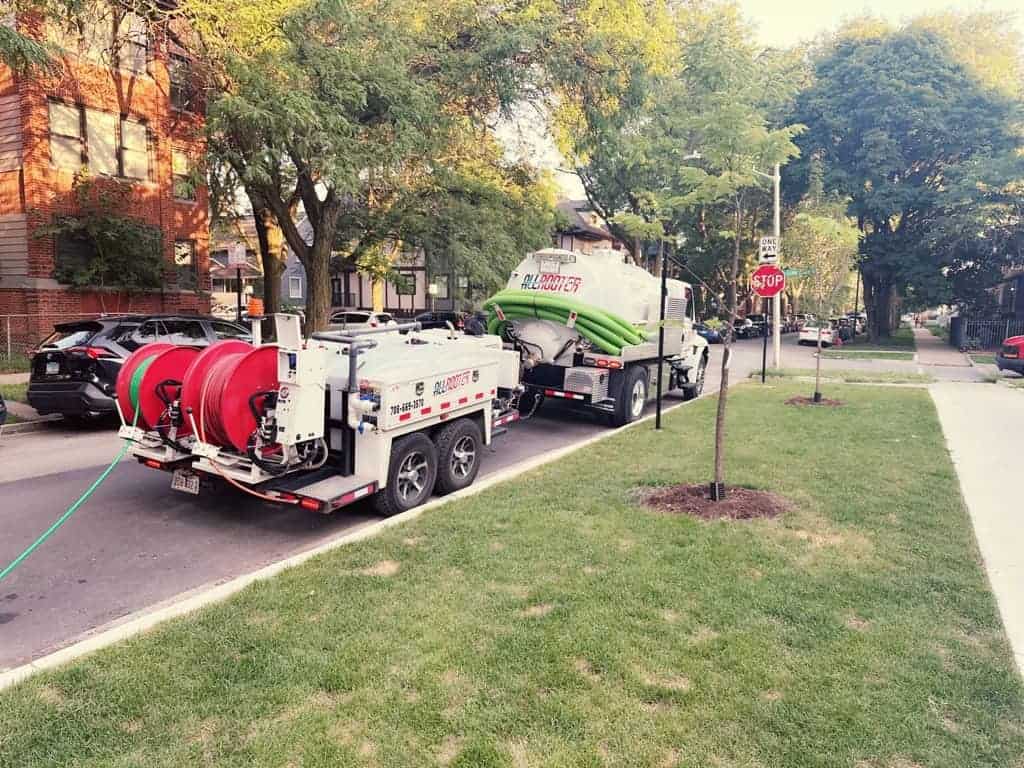
Hydro jetting uses high-pressure water to clean the inside of your pipes. A specialized hose connects to equipment that pressurizes water between 1,500 and 4,000 PSI for residential applications. The nozzle directs water forward to break through blockages and backward at an angle to scour pipe walls clean.
This isn’t the same as pressure washing your driveway. The pressure gets calibrated based on your specific pipe material, diameter, and condition. PVC pipes get different settings than cast iron. Newer systems can handle higher pressure than older infrastructure.
Before any water hits your pipes, we run a camera inspection through your line. This shows exactly what’s blocking the drain and whether your pipes can handle the pressure. No guessing. No assumptions. Just a clear view of what needs fixing and how to fix it safely.
This is the myth that stops most people. You’ve got an older home in Cook County. Maybe cast iron pipes from the 1950s or clay lines that have been underground for decades. The last thing you want is a cleaning method that cracks them open and floods your basement.
Here’s what actually happens. Hydro jetting doesn’t damage pipes that are in decent shape. Age matters less than condition. A 60-year-old cast iron pipe with solid walls and no corrosion? Perfectly safe for hydro jetting when we adjust the pressure correctly. A 10-year-old PVC pipe with cracks from ground shifting? That’s a different story.
The camera inspection before service exists for exactly this reason. We look for weak spots, cracks, severe corrosion, or collapsed sections. If the pipe can’t handle pressure, we’ll tell you. In those cases, snaking might work temporarily, or you might need repairs before any cleaning happens.
When pipes do fail during hydro jetting, it’s almost always because they were already compromised. The pressure just revealed damage that was going to cause problems anyway. Better to know now than after a complete collapse floods your property.
As licensed plumbers in Cook County, we deal with Chicago’s older infrastructure every day. We know which pipe materials need gentler pressure. We know how cast iron behaves differently than PVC. We know that clay pipes require extra assessment. This experience protects your system while still getting results that snaking can’t match.
The real risk isn’t hydro jetting itself. It’s skipping the inspection or hiring someone who doesn’t adjust pressure for your specific pipes. That’s why licensing and experience matter more than the equipment.
Yes, hydro jetting costs more upfront. In Cook County, you’re typically looking at $300 to $600 for residential service compared to $100 to $300 for snaking. That price difference makes snaking look like the smart choice when you’re staring at a backed-up drain.
Until the clog comes back three weeks later. Then again two months after that. Then you’re calling a plumber twice a year for the same problem, spending $200 each time, and wondering why nothing actually fixes it.
Snaking creates a hole through the blockage. It pushes through or pulls out whatever’s causing the immediate backup. But all that grease coating your kitchen line? Still there. The soap scum and hair buildup in your bathroom drain? Mostly intact. The mineral deposits narrowing your pipes? Untouched.
Hydro jetting removes everything. The water pressure scours pipe walls completely, restoring them close to their original diameter. You’re not just clearing a path. You’re eliminating the conditions that caused the clog in the first place.
Property owners who switch to hydro jetting typically go 18 to 24 months before needing service again. Some go even longer. Compare that to snaking every few months, and the math shifts. You’re not paying more. You’re paying once instead of repeatedly.
There’s also the cost you don’t see. Recurring clogs stress your pipes. Water backing up into your home or business causes damage. Emergency calls on weekends cost more than scheduled maintenance. A major sewer line failure from years of neglected buildup can run thousands in repairs.
For commercial properties, especially restaurants dealing with grease, the calculation is even clearer. Hydro jetting prevents the emergency backups that shut down your kitchen and cost you a day’s revenue. It keeps your grease traps functioning. It protects you from health code violations.
The question isn’t whether hydro jetting costs more than snaking. It’s whether you want to fix the problem or just postpone it. If you’re tired of calling plumbers for the same drain, the higher upfront cost pays for itself in time saved, stress avoided, and actual results that last.
Safe pipe cleaning means different things depending on who you ask. Some people think “safe” means gentle, so they assume the lowest-impact method is always best. Others worry that anything powerful enough to work must be risky.
The reality sits somewhere in the middle. Safe pipe cleaning matches the method to your specific situation. It considers your pipe material, age, condition, and what’s actually causing the blockage. It uses enough force to solve the problem without creating new ones.
Industrial drain solutions like hydro jetting became standard because they work when other methods fail. But “industrial” doesn’t mean reckless. It means professional-grade equipment operated by people who know what they’re doing. The same technology that clears a restaurant’s main sewer line can safely clean your home’s kitchen drain when calibrated correctly.
This myth probably started because restaurants and commercial buildings were early adopters. When you’re dealing with the grease volume a commercial kitchen produces, snaking doesn’t cut it. Hydro jetting became the go-to solution for businesses, and somewhere along the way, people assumed it wasn’t meant for homes.
Your residential pipes face the same challenges, just at a smaller scale. Grease from cooking. Soap scum and hair from showers. Mineral buildup from hard water. Tree roots working their way into sewer lines. Food particles, toilet paper, and everything else that goes down your drains.
The difference between commercial and residential hydro jetting is mostly about volume and frequency. A restaurant might need service every six months because of constant heavy use. Your home might go two years between cleanings. The equipment and technique? Essentially the same, just adjusted for your pipe size and the severity of buildup.
Homeowners in Cook County deal with recurring drain issues all the time. Kitchen sinks that drain slowly. Bathroom backups that come back no matter how many times you snake them. Main line obstructions that cause multiple fixtures to back up at once. These are exactly the situations where hydro jetting makes sense.
The myth that it’s “too much” for residential use ignores the reality that your pipes need thorough cleaning just like commercial lines do. The buildup doesn’t care whether it’s in a restaurant or a house. It accumulates the same way and causes the same problems.
We adjust our approach based on your needs. We’re not using maximum pressure on a simple bathroom drain clog. We’re assessing what’s required and calibrating accordingly. That’s the difference between professional service and someone who just owns the equipment.
If you’ve been told hydro jetting is “overkill” for your home, ask whether the person saying that has another solution that actually prevents the clog from coming back. If the answer is no, you’re probably dealing with someone who doesn’t have the right equipment or doesn’t want to invest in learning how to use it properly.
People hear “high-pressure water” and picture their yard dug up, water everywhere, and a multi-day project that turns their property into a construction zone. That mental image keeps them from even considering hydro jetting as an option.
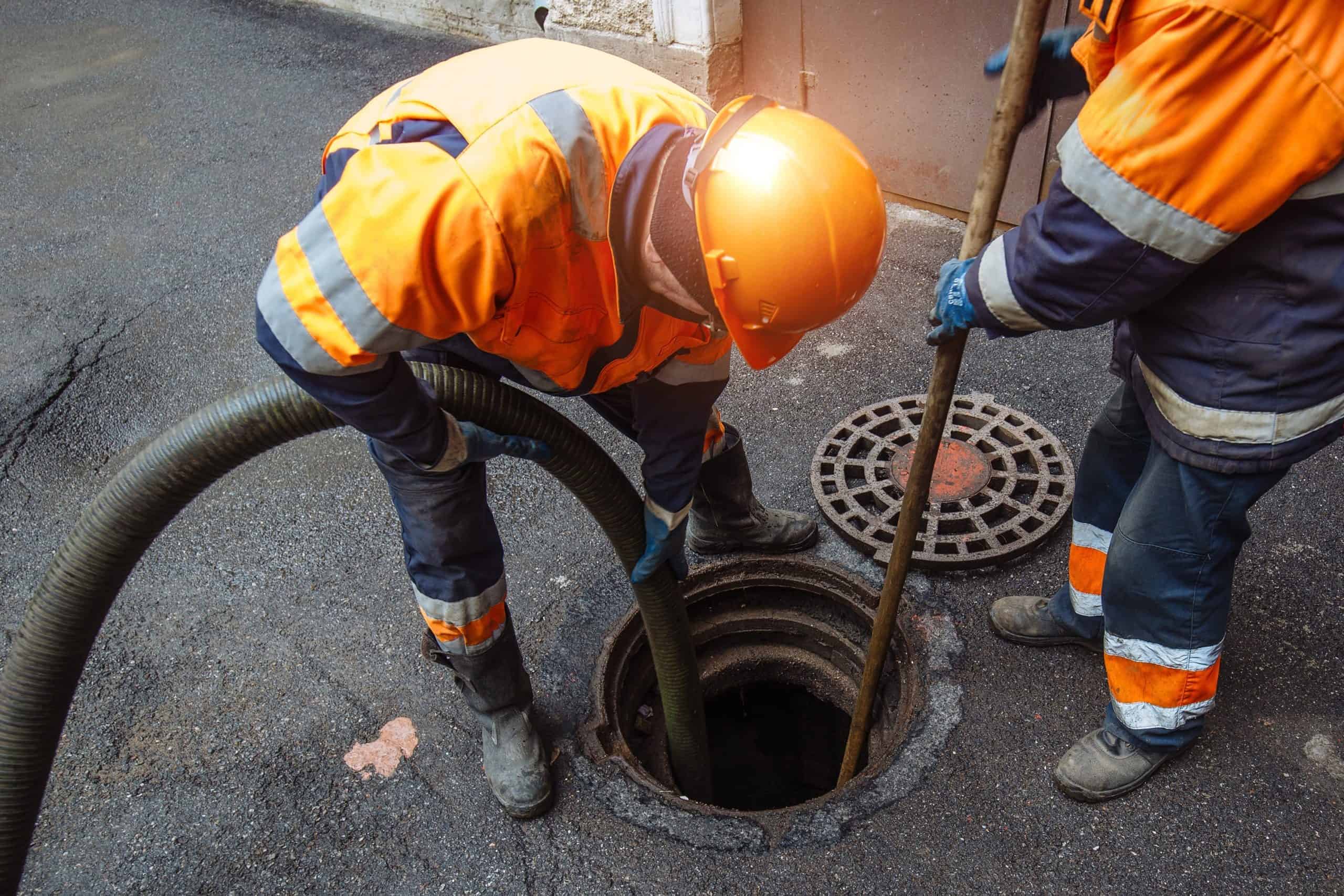
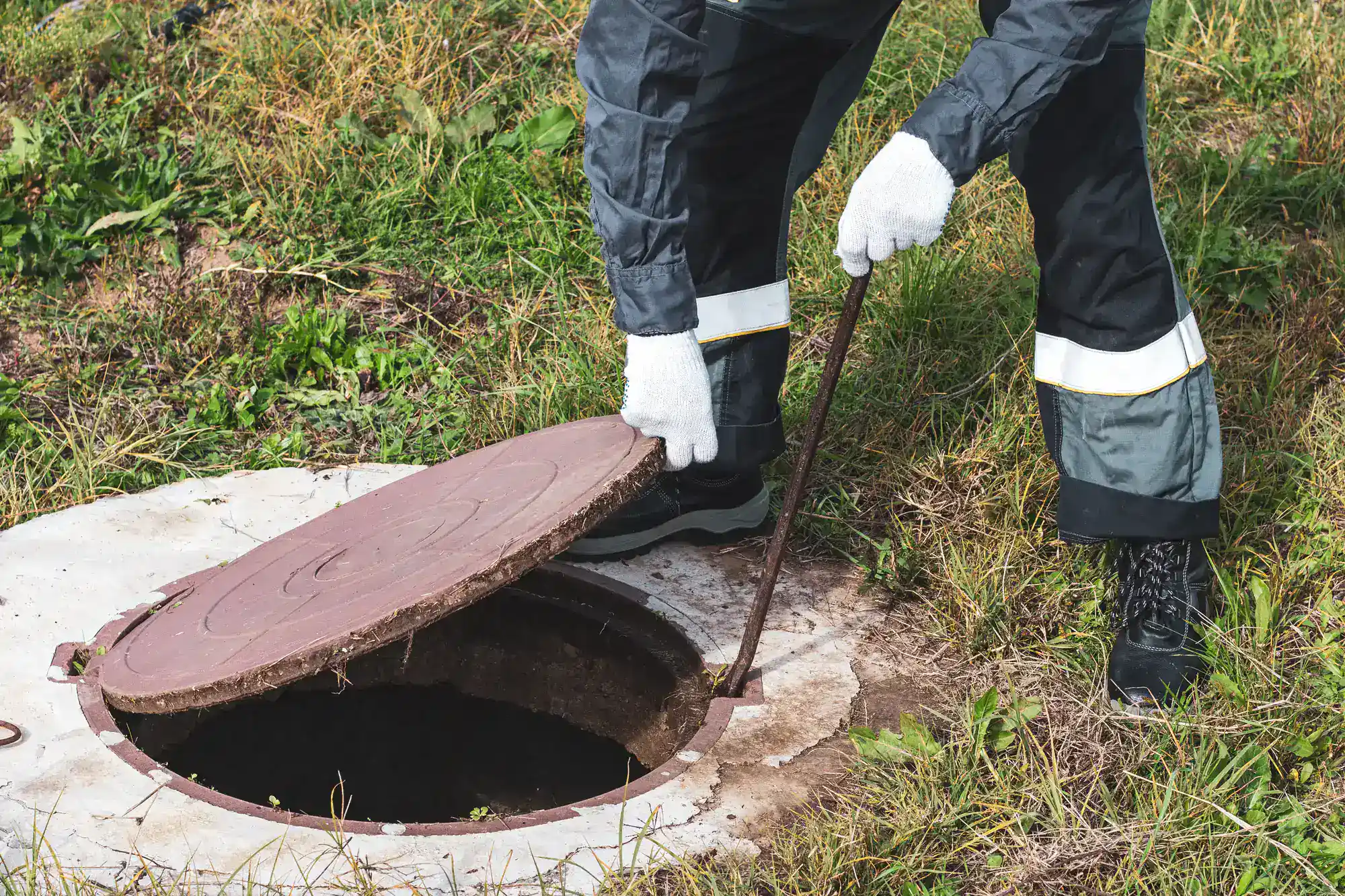
The actual process is surprisingly contained. Most residential systems have a cleanout—an access point specifically designed for this kind of maintenance. It’s usually in your basement, crawl space, or outside near your foundation. We connect the hydro jetting equipment to that access point, run the hose through your pipes, and the water does its work entirely inside your plumbing system.
No digging. No breaking through walls. No tearing up your landscaping. The water and debris flow through your pipes to the municipal sewer system exactly like they’re supposed to. You might not even know work is happening if you’re in another part of the house.
The mess concerns usually come from confusing hydro jetting with sewer line replacement or repair. Those projects do require excavation. But cleaning your existing pipes? That’s a trenchless solution. The whole point is to avoid the disruption and cost of digging.
There are situations where access is more complicated. Older Chicago homes sometimes lack proper cleanouts. In those cases, we might need to remove a toilet or access the line through a vent stack on your roof. Even then, it’s a few hours of work, not days of demolition.
We also contain the work area. We’re not tracking mud through your house or leaving equipment scattered across your lawn. The setup is compact. The cleanup is quick. Most residential jobs take one to three hours from start to finish, including the camera inspection.
The disruption to your daily routine is minimal compared to dealing with backed-up drains every few months. No emergency calls because your basement is flooding. No scrambling to find a plumber on a weekend. No stress about whether this fix will actually work or just buy you a few weeks.
If someone’s telling you hydro jetting will tear up your property, they’re either confused about what the service involves or they’re trying to steer you toward something else. Ask them to explain the actual process. If they can’t, that’s a red flag.
Hydro jetting isn’t always the answer. Sometimes snaking works fine for a simple clog near the surface. Sometimes your pipes need repair before any cleaning happens. The key is working with someone who’ll tell you the truth about what your system actually needs.
What you don’t want is to keep throwing money at temporary fixes while the real problem gets worse. If your drains are backing up repeatedly, if you’re dealing with slow drainage throughout your property, or if you’ve got older Chicago infrastructure that hasn’t been properly cleaned in years, hydro jetting probably makes sense.
The myths around this service—that it destroys pipes, costs too much, isn’t for homes, or creates a huge mess—keep people stuck in a cycle of recurring problems and repeated service calls. Understanding what actually happens, what it costs, and when it’s appropriate helps you make a decision based on facts instead of fear.
We’ve been handling these situations for Cook County property owners who are tired of the same drain backing up over and over. If you want to know whether hydro jetting is right for your situation, a camera inspection will show you exactly what’s going on and what it’ll take to fix it for real.
Article details:
Share:
Continue learning: