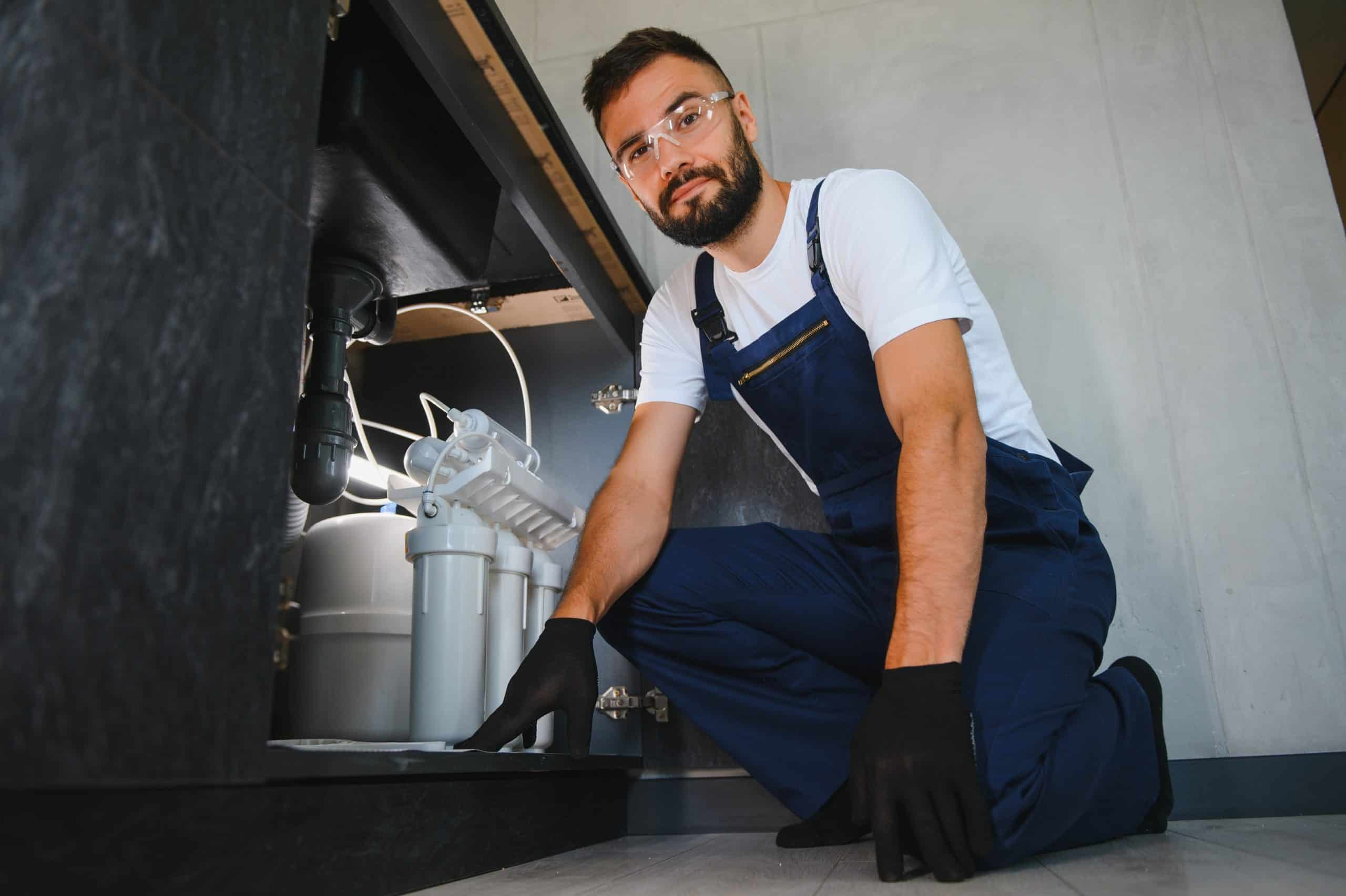
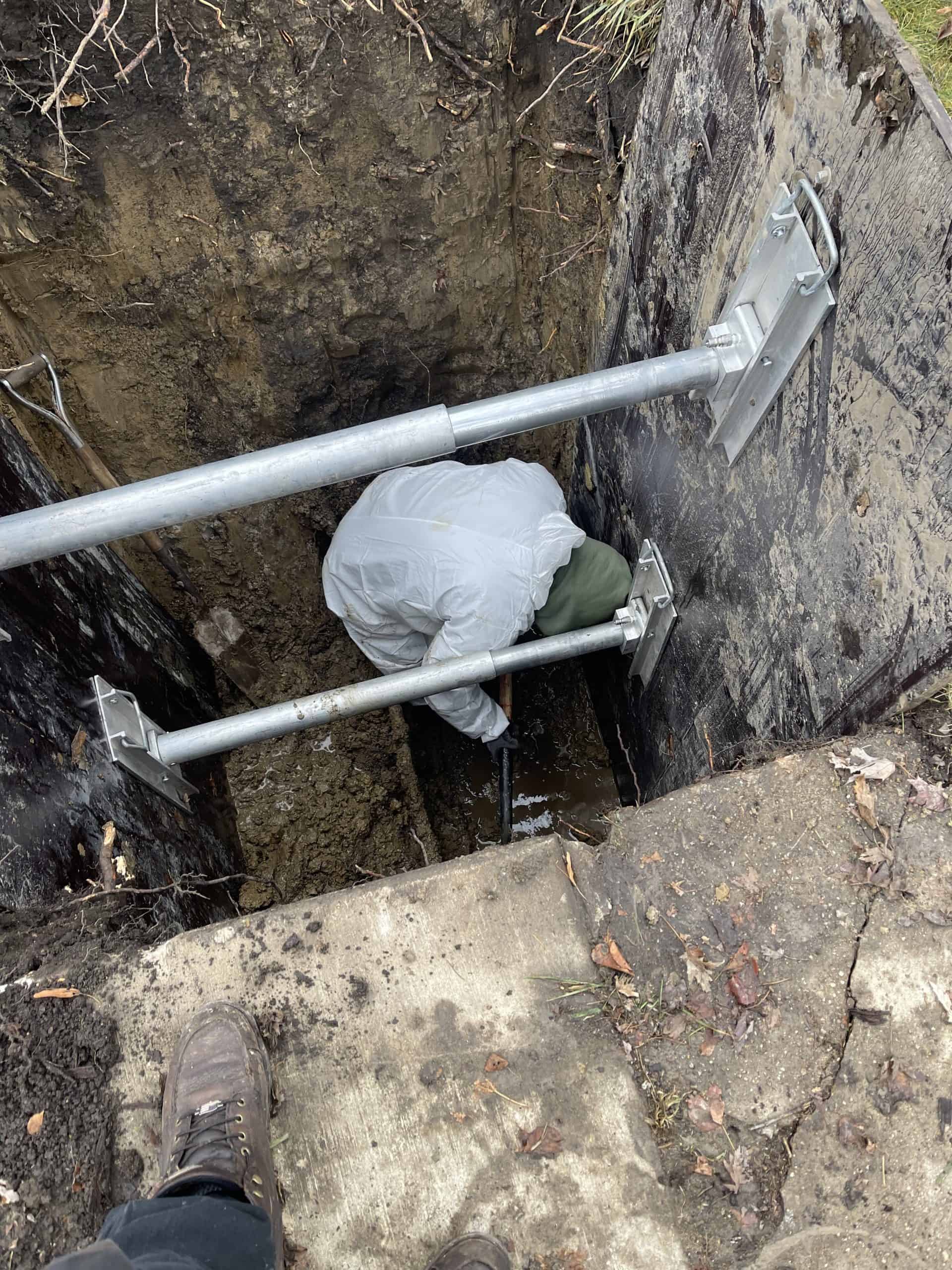
A drain snake is a solid first move for a clogged drain. But if the clog keeps coming back, the snake may not be the right tool for the job.
Share:

Summary:
You plunged it. You snaked it. The water drained. And three months later, you’re standing in a puddle again wondering what you’re missing. It’s one of the most common frustrations we hear from Cook County homeowners — and the answer isn’t always “use a bigger snake.” Sometimes the tool was right. Sometimes it wasn’t. And sometimes the real problem was never the clog itself. This guide walks you through how drain snakes actually work, when they solve the problem for good, and when they’re just buying you time.
A drain snake — sometimes called a drain auger or plumber’s snake — is a long, flexible metal cable coiled inside a drum or spool. We feed it down through the drain opening until the tip reaches the blockage, then rotate it to either break the clog apart or hook it so it can be pulled back out. It works by mechanical force: the cable bends around curves in the pipe, navigates through traps and turns, and physically contacts whatever is causing the backup.
Manual models typically reach 25 to 50 feet, which covers most bathroom sinks, tubs, and shower drains. Electric models can extend 75 feet or more, making them useful for blockages deeper in the drain system. For the right kind of clog in the right location, a drain snake is fast, affordable, and genuinely effective.
Drain snakes work best on what you might call “soft” blockages — hair tangles near a shower drain, soap buildup in a bathroom sink, or a small object that found its way into the line. These are isolated clogs, usually close to the drain opening, made of material the snake’s tip can grab or break apart. When those conditions are met, snaking is a clean, quick fix.
There’s another situation where a drain snake is actually the smarter choice over more aggressive methods: when the pipe condition is unknown. Cook County has a lot of housing stock built between the 1910s and 1950s — the brick bungalows that stretch across the South Side, the two-flats in Berwyn and Cicero, the older ranches in the inner suburbs. Many of these homes still have their original cast iron drain stacks and clay tile sewer laterals. These pipes can be brittle, corroded, or partially cracked after 70 or 80 years of use.
Running high-pressure water through a pipe in that condition without first knowing what you’re dealing with can cause more damage than the clog itself. In those cases, a drain snake is the gentler, safer first move. It clears the immediate blockage without putting stress on aging pipe walls. That’s not a limitation — that’s the right call. The key is knowing what you’re working with before you choose a method, which is exactly why a camera inspection before any drain cleaning job matters so much in older Cook County homes.
Here’s the thing most people aren’t told when they pay to have a drain snaked: the snake only clears a path as wide as its tip. It punches through the blockage, restores flow, and gets pulled back out — but it doesn’t clean the pipe walls. Whatever was coating the inside of that pipe — grease, mineral scale, soap residue, root tendrils — is still there. Just with a hole through the middle of it.
That’s why the clog comes back. The partial clearance leaves a rough, narrowed surface that catches new debris faster than a clean pipe would. Within weeks or months, you’re back to a slow drain. The snake didn’t fail, exactly — it did what a snake does. The problem is that a snake isn’t designed to remove buildup. It’s designed to remove blockages.
This distinction matters especially in Cook County, where Chicago’s municipal water supply contributes to mineral scale buildup over time, and where grease accumulation in kitchen lines is a persistent issue in both residential and commercial properties. If your kitchen drain has been slow for years and gets snaked back to normal every few months, the pipe walls are almost certainly coated with grease that snaking will never fully address.
The same goes for tree root intrusion — mature trees along Chicago’s parkways have had decades to grow roots into clay sewer laterals, and a snake can punch through a root mass temporarily, but it cannot remove the roots. That’s a job for a different method entirely. The honest answer to “why does my drain keep clogging after snaking” is usually one of three things: the buildup on the pipe walls was never cleared, there’s root intrusion that keeps regenerating, or the problem is further down the line than the snake reached.
Some clogged drain problems announce themselves as single-fixture issues — one slow sink, one backed-up tub. Those are usually good candidates for snaking. But other symptoms point to something happening deeper in the system, where a snake at the fixture level won’t reach the actual source.
If multiple drains in your home are backing up at the same time, that’s a main line signal, not a fixture clog. If you hear gurgling from a toilet when you run the kitchen sink, or if you smell sewer gas near floor drains, those are signs the problem is in the shared line — and no amount of snaking individual drains will fix it.
Cook County’s combined sewer system adds another layer to this: in older Chicago neighborhoods, sanitary waste and stormwater run through the same pipes, and a heavy rain can push that system past capacity, sending backflow up through basement floor drains. That’s an infrastructure issue, not a clog, and it requires a different approach than drain cleaning alone.
When people search for the best drain cleaner, they’re often thinking about a product — something to pour down the drain. While chemical cleaners have their place for very minor buildup, they don’t remove what’s already coating the pipe walls, they can be harsh on older materials, and they do nothing for root intrusion or structural issues. For Cook County homes with aging cast iron or clay pipes, the “best drain cleaner” is really a question of method, not product.
For grease-heavy kitchen lines, long sections of mineral scale, or any line with confirmed root intrusion, hydro jetting is the method that actually clears the pipe — not just opens it. Hydro jetting uses high-pressure water to scour the full circumference of the pipe walls, removing the buildup that a snake leaves behind. The result is a pipe that’s genuinely clean, not just passable, and one that stays clear significantly longer.
That said, hydro jetting isn’t a universal answer either. At pressures up to 4,000 PSI, it can cause real damage to a pipe that’s already severely corroded or cracked. This is why the sequence matters: camera inspection first, then method selection. A video camera inspection shows exactly what’s in the pipe, where the blockage is, and what condition the pipe walls are in. That information determines whether snaking is sufficient, whether hydro jetting is the right call, or whether there’s a structural repair needed before any cleaning makes sense.
Skipping the diagnosis and going straight to a method — any method — is how people end up paying twice. We’ve been doing this work in Cook County since 2000, and the homes here genuinely require a different approach than newer construction. The pipe materials are different, the sewer system is different, and the consequences of using the wrong method on a compromised line are real.
A professional drain cleaning service should start with a diagnosis, not a tool. Before anything goes into your drain, we want to know what we’re dealing with — the type of blockage, how far down it is, and what condition the surrounding pipe is in. That’s what camera inspection is for, and it’s the step that separates a real fix from a temporary one.
Once the camera has given a clear picture, the method gets matched to the actual problem. A soft hair clog near a shower drain gets snaked. A grease-coated kitchen line that’s been building up for years gets hydro jetted. A main line with root intrusion gets treated differently than a single-fixture backup. The point is that the diagnosis drives the decision — not the other way around.
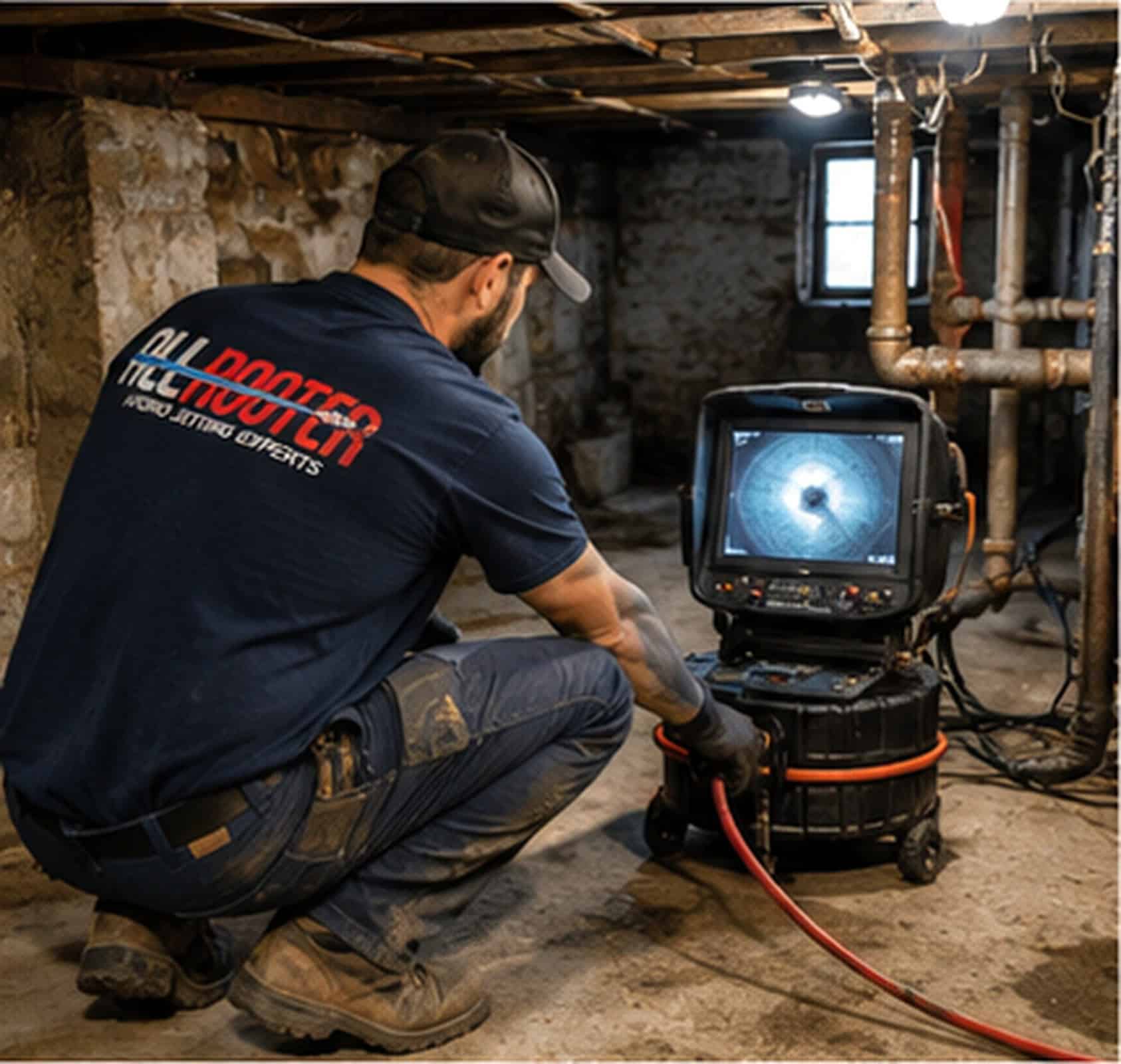
After the work is done, the camera goes back in. Our customers have specifically mentioned how much it meant to see the cleared pipe on a monitor before we packed up — not because they didn’t trust us, but because seeing it confirmed the job was actually finished. That’s the standard we hold ourselves to. You should be able to see that the problem is solved, not just take someone’s word for it.
If you’re in Cook County and you’ve been dealing with a drain that keeps coming back, or you’ve never had a camera inspection done on an older home’s main line, that’s the conversation worth having. We offer free estimates, 24/7 emergency availability, and upfront pricing before any work begins — so there are no surprises on either end. Financing is also available through Hearth for larger jobs if that’s a factor. Reach out by phone or text at 708-669-3570, and we’ll figure out what’s actually going on in your pipes.
A drain snake is a legitimate, effective tool — but only for the right problem. For soft, accessible clogs in a single fixture, it works. For recurring backups, grease-coated lines, root intrusion, or anything happening in the main sewer line, it’s usually a short-term answer to a longer-term problem.
The real question was never “should I use a drain snake?” It was always “what is actually inside my pipe?” A camera inspection answers that. The method follows from the answer.
If you’re a Cook County homeowner who’s tired of the same drain problem cycling back every few months, All Rooter Hydro Jetting Experts Inc is worth a call. We’ve been working on Chicago’s pipes long enough to know that the homes here deserve more than a quick fix — and we have the tools and the experience to deliver something that actually holds.
Article details:
Share:
Continue learning: