When pipes freeze in Cook County's brutal winters, knowing these 5 emergency steps can save you thousands in water damage and repair costs.
Share:
Summary:
The moment you suspect frozen pipes, your first move determines everything that happens next. Turn off your main water supply immediately. This single action prevents the disaster that happens when frozen pipes thaw and burst while water pressure is still flowing through your system.
Locate your main water shutoff valve and be ready to turn it off if you hear rushing water or see flooding. Most Cook County homes have the shutoff near where the water line enters your house or close to the water meter. If you’ve never found yours before, now isn’t the time to start looking—but make sure you locate it after this emergency passes.
Turn on faucets connected to frozen pipes and leave them open—when thawing begins, running water helps prevent refreezing and you’ll know immediately when flow resumes. This also relieves pressure that builds up as ice melts, reducing the chance of pipe damage.

Finding exactly where your pipes are frozen helps you understand the scope of the problem and communicate clearly with us when you call for emergency service. Start by checking which faucets aren’t working—this tells you which water lines are affected.
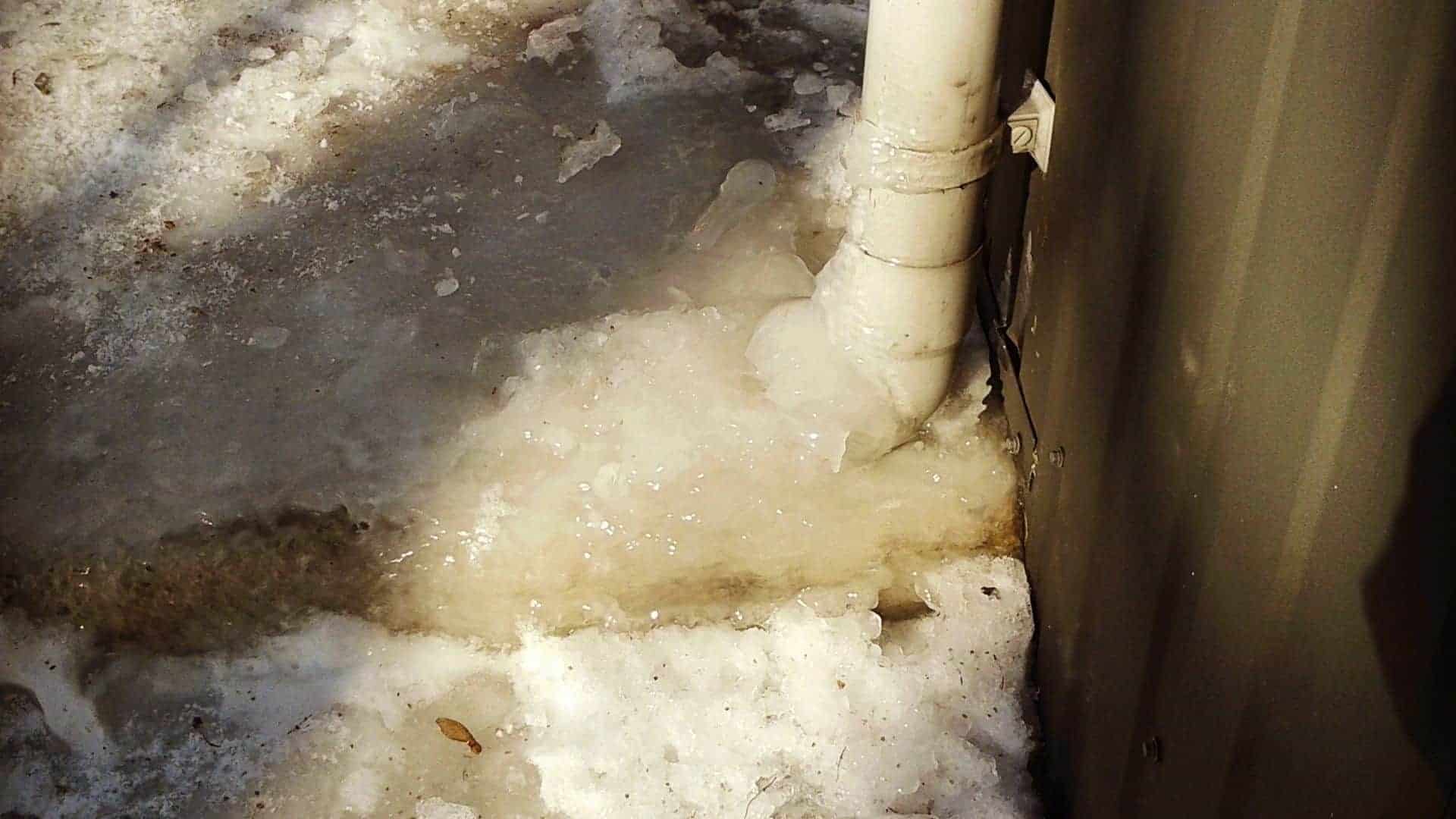
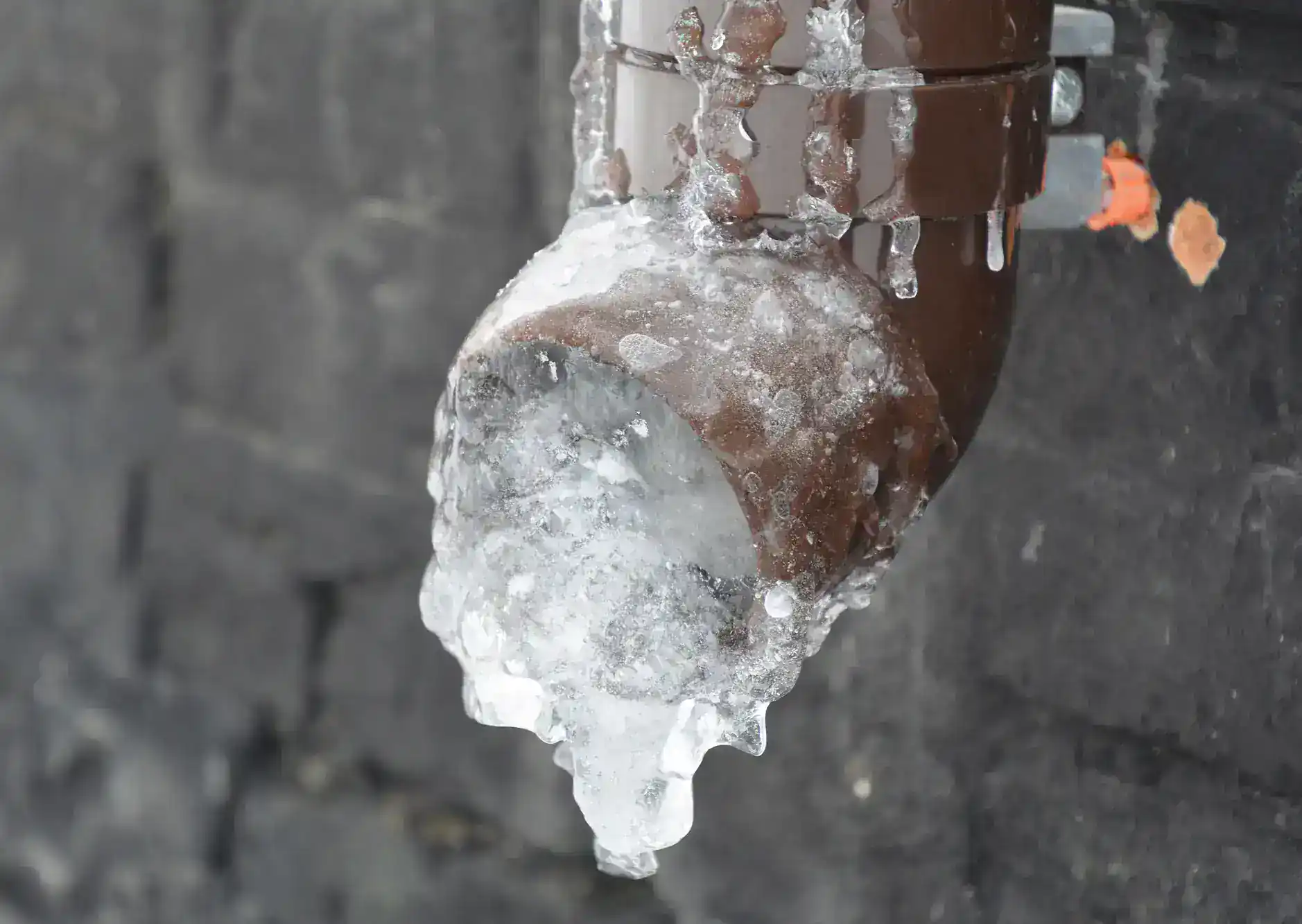
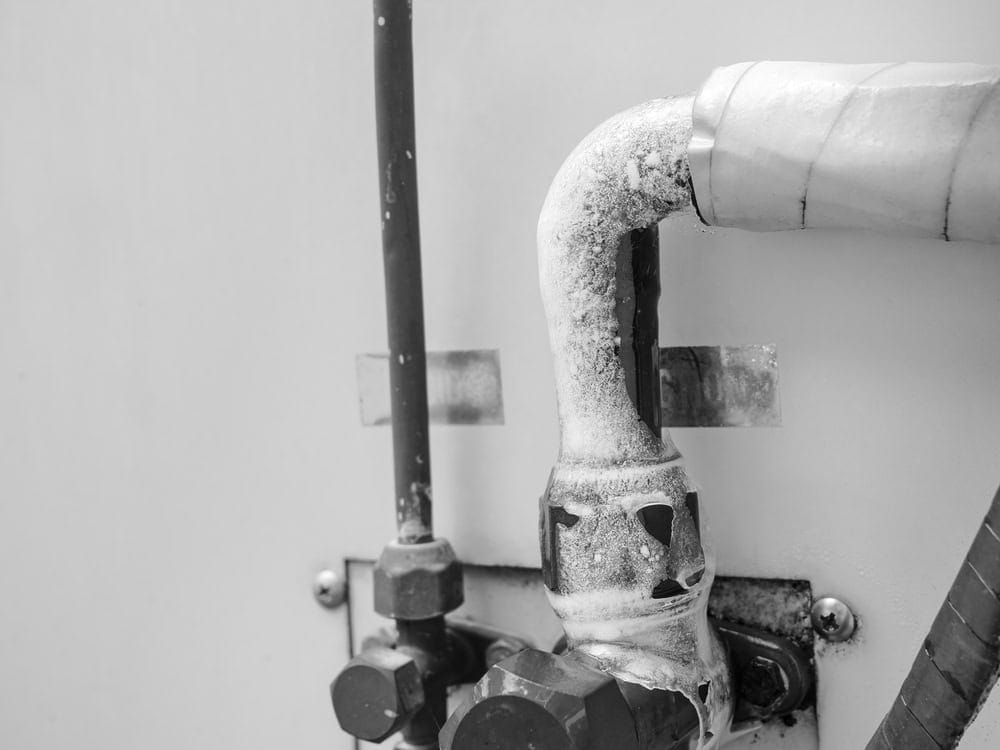
Check your basement or crawl space for signs of burst pipes like water puddles or ice formations. Look for frost on exposed pipes, especially those along exterior walls, in unheated areas, or near windows and doors where cold air might reach them.
Chicago pipes freeze when temperatures drop below 32°F and pipes lack adequate insulation or heat exposure. The most vulnerable areas are unheated basements, crawl spaces, exterior walls, and anywhere pipes are exposed to cold air drafts. Pay special attention to pipes under kitchen and bathroom sinks against outside walls.
Check other faucets throughout your home—if one pipe is frozen, others likely are too. Don’t assume the problem is limited to one area. Cook County’s older housing stock means many homes have vulnerable pipe configurations that freeze in multiple locations during severe cold snaps.
Document what you find with photos. Take photos if you see damage—this helps our technicians assess the situation quickly and may be useful for insurance claims. Note which areas have no water flow, where you see frost or ice, and any signs of leaking or damage.
Don’t attempt to thaw pipes yourself—no hair dryers, space heaters, or open flames near plumbing. Chicago sees structure fires every winter from homeowners attempting DIY pipe thawing with dangerous methods. The risk isn’t worth it when professional help is available.
If you absolutely must attempt thawing while waiting for professional help, use safe heating methods like an electric pad or hairdryer to slowly thaw the pipe, starting from the end closest to the faucet. Heat tape, a hairdryer, a space heater kept away from flammable materials, or hot water are acceptable methods. Never use an open flame or high heat sources.
Slowly heat the pipe, and do not overheat it to the point where the water begins to boil or steam forms. With the faucet open this will allow water to flow as the ice melts. The goal is gradual warming, not rapid heating that can shock pipes and cause them to crack.
Improper thawing techniques can cause pipes to burst or create fire hazards. Never use open flames, propane heaters, or excessive heat sources near pipes. These methods can damage pipe materials, ignite surrounding materials, or cause rapid temperature changes that make pipes more likely to crack.
Professional thawing is always safer. We ensure our technicians identify any damage before restoring water pressure. If there are cracks or weak spots in your pipes, turning the water back on without proper inspection can cause immediate flooding. Our equipment and expertise prevent these costly mistakes.
Some frozen pipe situations require immediate professional intervention. Don’t wait if you hear unusual sounds, see water damage, or have no water flow throughout your home.
If you have no water flow at all, or if you hear unusual sounds like clanging or gurgling, call for professional help immediately. These signs often indicate that pipes have already burst or are under extreme pressure that could cause failure at any moment.
If your attempts to thaw the frozen pipes have been unsuccessful, it’s time to consult a professional who has the necessary tools and experience. Don’t hesitate to reach out for professional assistance when needed—it can save you from further complications and costly repairs.

Recognizing burst pipe signs helps you escalate the emergency appropriately and minimize water damage. The sooner you identify a burst, the faster you can prevent extensive flooding and property damage.
If you notice unexplained water pooling in your yard or damp areas on your floors, walls, or ceilings, it could be a sign of a burst pipe. Water will always find its way out, and if a pipe has burst, it will start seeping into your home’s structure. Pay attention to any unusual wet spots and investigate their source immediately.
A sudden decrease in water pressure or a complete loss of water flow can be indicative of a burst pipe. But here’s what’s tricky: during freezing conditions, you might not see water immediately because it’s still frozen at the break point.
When frozen pipes burst and flood the house, it’s obvious right away, but pipes don’t always rupture when they freeze. If you think your pipes are frozen, look for these signs. Listen for the sound of running water when all faucets are off. Check your water meter—if it’s moving when no water is being used, you have a leak somewhere.
The rupture often happens in an area where the pipe is weakest, leading to sudden water damage when the ice thaws and water starts flowing again. This delayed flooding catches many homeowners off guard, turning a manageable frozen pipe situation into a water damage emergency.
Most importantly, stay calm and keep everyone away from potential electrical hazards if water is present. Water and electricity don’t mix, especially in basement areas where electrical panels and outlets might be affected by flooding.
Frozen pipes are true emergencies because the longer they stay frozen, the higher the risk of bursting and causing extensive water damage. Rapid response time is critical during Chicago’s coldest periods when multiple properties may be experiencing similar issues.
Every hour your pipes stay frozen increases the risk of bursting. The sooner we can safely thaw your pipes and assess for damage, the better chance of preventing a minor inconvenience from becoming a major disaster. Cook County’s brutal winters mean that once pipes freeze, temperatures often stay below freezing for extended periods, increasing pressure on your plumbing system.
When plumbing emergencies strike during Chicago’s winter, every minute of delay compounds the financial damage. Emergency plumbing rates tend to rise in winter, when frozen pipes are more common. During peak winter months, emergency plumbing services cost one and a half to three times the standard hourly rate.
Delaying emergency plumbing calls creates a cascade of additional expenses that can devastate household budgets. Failure to address frozen pipes promptly can lead to water damage, mold growth, and structural damage. The mathematics are unforgiving: a $200 emergency thawing call versus thousands in water damage restoration.
We provide same-day service throughout Cook County from downtown high-rises to suburban single-family homes. We maintain fully stocked vehicles with specialized thawing equipment specifically for Chicago’s winter emergencies. Our response times are typically within one hour, with technicians on call specifically for frozen pipe emergencies.
When pipes freeze in Cook County, these five emergency steps can mean the difference between a quick fix and a costly disaster: shut off your main water supply, locate the frozen sections safely, avoid dangerous thawing methods, recognize burst pipe warning signs, and call professionals when needed.
The mathematics of emergency plumbing are unforgiving: delay equals exponential cost increases. In Chicago’s harsh winters, the question isn’t whether you can afford to call an emergency plumber—it’s whether you can afford not to. Every minute counts when temperatures plummet and your pipes are at risk.
Remember that prevention beats emergency response every time. But when Cook County’s brutal winters catch you off guard, knowing these steps protects your home and your wallet. For immediate frozen pipe emergencies or professional winterization services, we provide 24/7 emergency response throughout Cook County with transparent pricing and local expertise that understands exactly what Chicago winters do to your plumbing.
Article details:
Share:
Continue learning: