Hidden water leaks destroy Chicago homes silently. Learn how modern leak detection technology finds the problem before you're facing thousands in damage and sky-high water bills.
Share:
Summary:
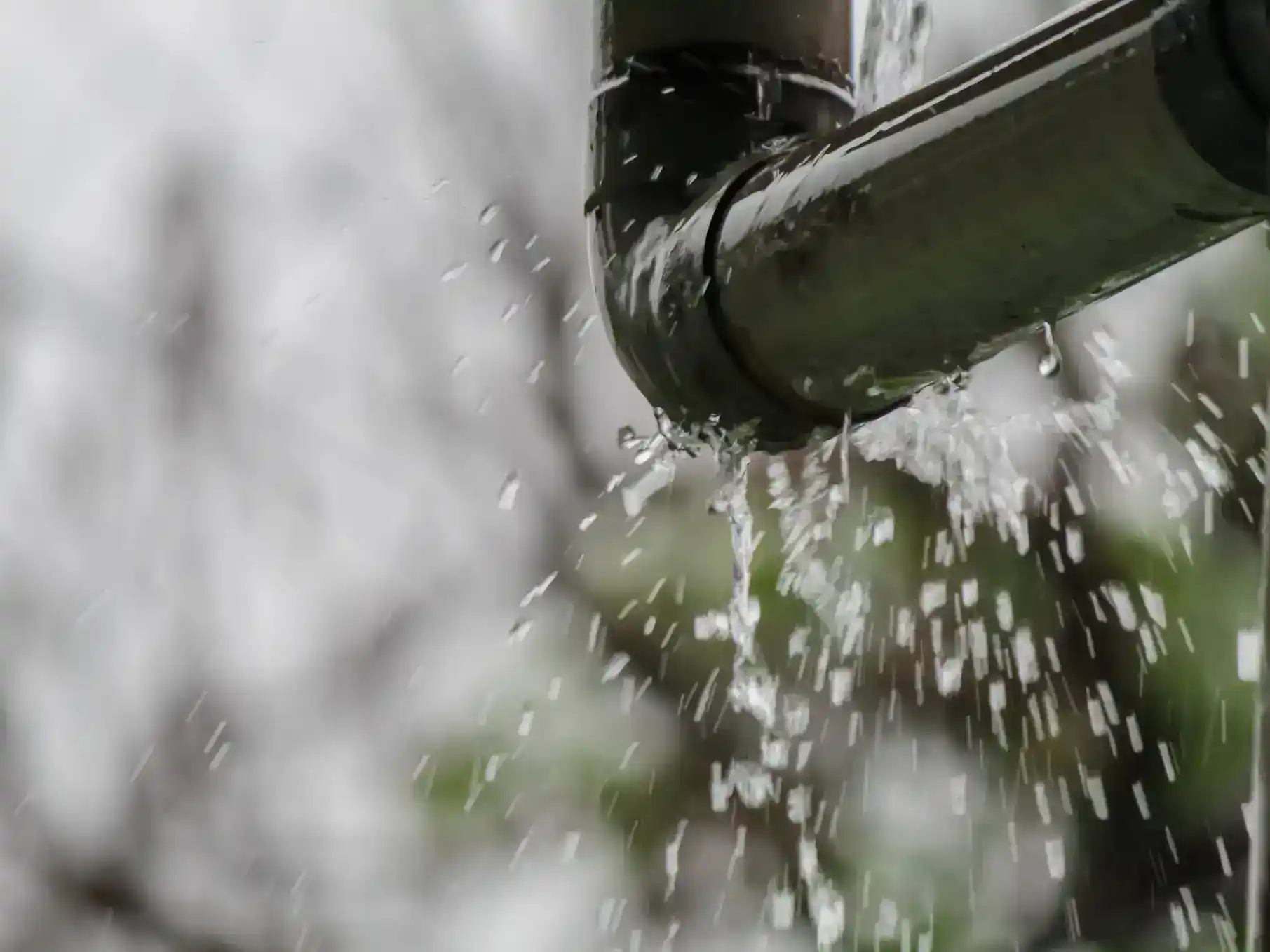
Professional leak detection isn’t about ripping apart your walls and hoping to find the problem. Modern methods use specialized equipment that locates leaks through solid surfaces without any demolition.
The two main technologies are thermal imaging and acoustic detection. Thermal imaging cameras detect temperature differences that show where water is moving behind walls or under floors. Water creates distinct heat signatures that show up clearly on infrared screens. Acoustic sensors pick up the sound frequencies of water escaping from pipes—sounds your ears can’t hear, but the equipment captures with precision.
Both methods let us pinpoint the exact location of a leak before making even a small access hole. That means you’re not paying to repair exploratory damage on top of fixing the actual problem. You get straight to the source with minimal disruption to your home.
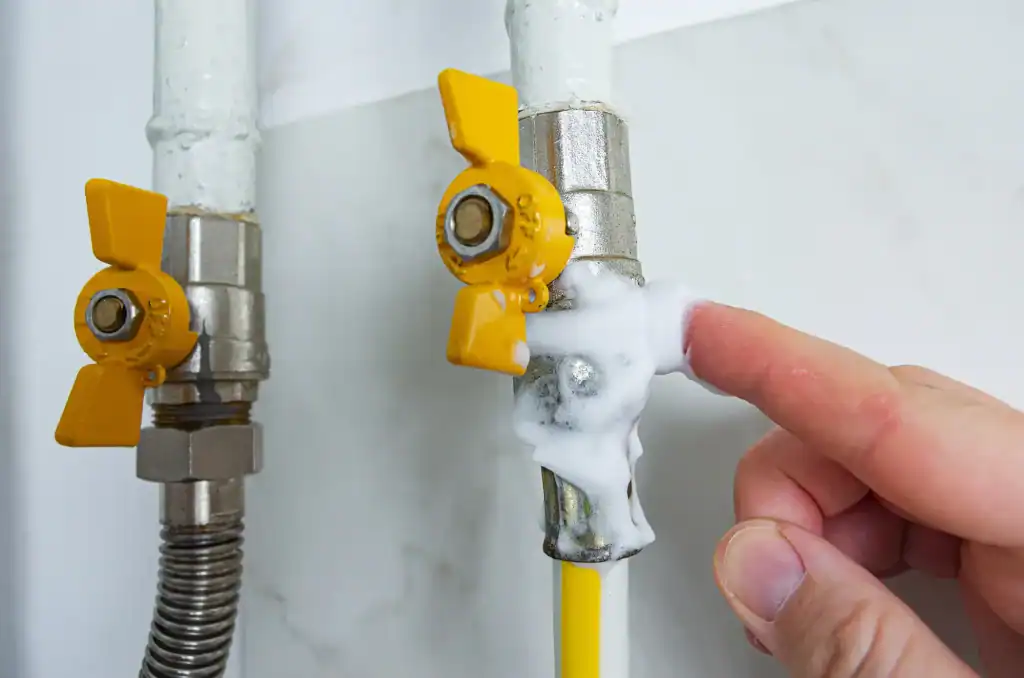
Thermal imaging leak detection uses infrared cameras to see what’s happening behind your walls without opening them up. Water changes temperature as it moves through your home. Whether it’s a hot water line or cold water seeping into insulation, that temperature difference shows up clearly on a thermal camera screen.
The technology works because water absorbs and transfers heat differently than the materials around it. A leak behind drywall creates a distinct thermal pattern. Same with water pooling under a floor or seeping through a foundation. The camera picks up these patterns and shows exactly where moisture is present.
This matters because it eliminates guesswork. Traditional leak detection meant making educated guesses about where to cut into walls or dig up floors. Sometimes plumbers got it right on the first try. Often they didn’t. Each wrong guess meant more holes to patch and more money spent on restoration.
Thermal imaging changed that. Now the leak location is confirmed before any cutting begins. You see the problem area on screen. We mark the spot. One small access point gets the job done. The rest of your walls stay intact.
The method works particularly well for hot water leaks, which create stronger thermal signatures. For cold water systems or situations requiring even more precision, we combine thermal imaging with acoustic detection for comprehensive results. Between the two technologies, there’s nowhere for a leak to hide.
Chicago homeowners benefit especially from this technology because of the city’s older housing stock. Many homes have plumbing hidden behind multiple layers of renovation work. Thermal imaging can see through all of it without disturbing finished surfaces. That’s a significant cost savings when you’re dealing with historic homes or custom finishes you don’t want damaged.
Acoustic leak detection listens for leaks using specialized microphones and amplifiers that pick up sound frequencies beyond human hearing range. When water escapes from a pressurized pipe, it creates a specific sound signature. The leak might be completely silent to your ears, but the equipment hears it clearly.
The technology uses sensitive transducers placed at various points along your plumbing system. These sensors detect vibrations and sounds traveling through pipes, walls, and floors. Water moving through an intact pipe makes one type of sound. Water escaping through a crack or hole makes a distinctly different sound. The equipment amplifies these differences so we can identify exactly where the problem is.
This method excels at finding leaks in pressurized water lines, whether they’re copper, PEX, or PVC. The material doesn’t matter because the principle stays the same—escaping water under pressure creates detectable sound waves that travel through the pipe and surrounding materials.
Acoustic detection becomes especially valuable for underground leaks and slab leaks. When a pipe breaks beneath your concrete foundation, there’s no visible evidence until significant damage has occurred. But the sound of water escaping travels through the concrete and can be detected from above. We use acoustic sensors to narrow down the leak location to a very specific area before any concrete gets broken.
The process starts with connecting acoustic equipment to various access points in your plumbing system—outdoor spigots, shut-off valves, exposed pipes. We systematically test different sections, listening for the characteristic sound of a leak. When we detect it, we can follow the sound to pinpoint the source with remarkable accuracy.
In many cases, we combine acoustic detection with other methods like pressure testing. We might pressurize a section of pipe and then use acoustic sensors to listen for where air or water escapes. This combination approach provides definitive answers about leak location and severity.
For Chicago homeowners, acoustic detection solves a major problem with the city’s aging infrastructure. Many homes still have galvanized pipes installed decades ago. These pipes corrode from the inside out, developing pinhole leaks that waste water without obvious symptoms. Acoustic detection finds these small leaks before they become large failures, giving you the chance to address problems proactively rather than reactively.
Most hidden leaks give warning signs long before they cause catastrophic damage. The problem is knowing what to look for. Some signals are obvious. Others are subtle enough that homeowners dismiss them as minor issues until the problem can’t be ignored anymore.
Your water bill is often the first indicator. If your monthly cost jumps without any change in your usage patterns, water is escaping somewhere. Even a small leak wastes hundreds of gallons per month. That adds up quickly on your bill.
Physical evidence comes next. Damp spots on walls or ceilings, musty odors that suggest mold growth, peeling paint or bubbling wallpaper—these all point to moisture where it shouldn’t be. You might notice soft spots in your floor or unexplained cracks in walls or ceilings. These are signs that water has been present long enough to cause structural changes.
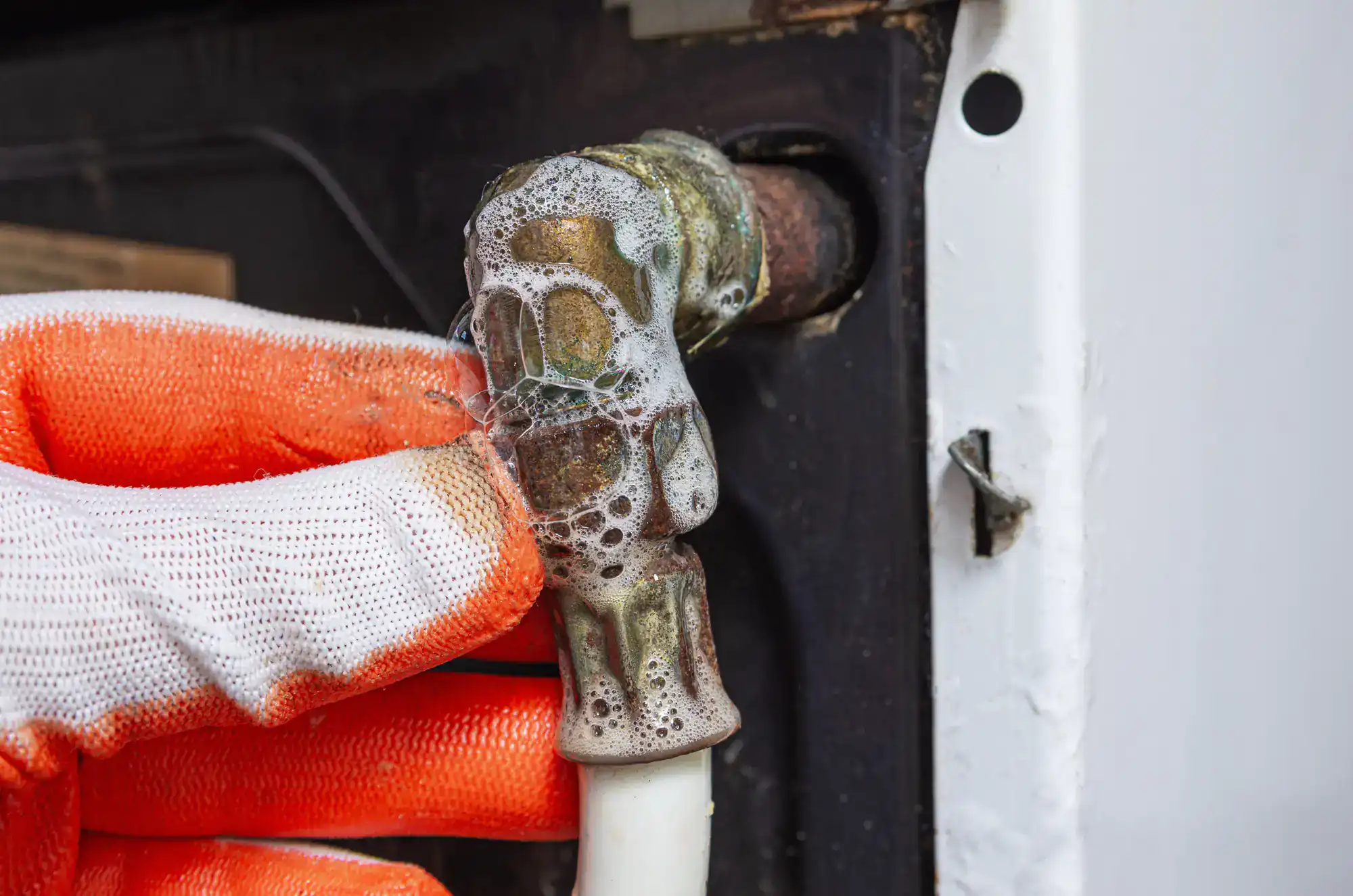
Hidden leaks waste water continuously, and your meter tracks every gallon. Even a small drip adds up fast. A leak that seems insignificant—just a steady drip you might not even notice—can waste 3,000 gallons per year. Larger leaks waste exponentially more.
The average Chicago home loses between 2,000 and 20,000 gallons annually due to leaks. That’s not water you’re using. It’s water disappearing into your walls, under your floors, or into the ground beneath your foundation. But you’re paying for all of it.
When homeowners see their water bill increase, the first assumption is often that rates went up or someone in the household is using more water. Sometimes that’s true. But if you can’t identify an obvious reason for the increase, a hidden leak is the likely culprit.
The EPA estimates that 10% of homes have leaks wasting 90 gallons or more per day. Do the math on that. Ninety gallons daily is 2,700 gallons per month. In Chicago, where water and sewer costs continue rising, that translates to significant money wasted every billing cycle.
What makes this particularly frustrating is that you’re not just paying for wasted water. You’re also paying for the damage that water causes while it leaks. Water behind walls leads to mold remediation costs. Water under floors means flooring replacement. Water in your foundation creates structural issues that require expensive repairs. The leak itself might cost a few hundred dollars to fix, but the damage it causes while going undetected can run into thousands.
This is why early detection matters so much. The sooner you identify and fix the leak, the less water you waste and the less damage occurs. Professional leak detection pays for itself quickly when you consider the alternative—months or years of inflated water bills plus the cost of repairing water damage throughout your home.
Chicago homeowners should also be aware that seasonal changes affect leak detection. Winter freezing can cause pipes to crack, creating leaks that don’t become obvious until spring thaw. If your water bill spikes after winter, it’s worth having a professional inspection even if you don’t see visible signs of water damage yet.
Water damage starts subtly. You might notice a faint musty smell in a room, especially in areas with poor ventilation. That odor indicates moisture accumulation and often the beginning of mold growth. By the time the smell is strong enough to be unmistakable, the problem has been developing for a while.
Visual signs come next, but they’re easy to dismiss at first. A small discolored spot on the ceiling might look like a stain from something long ago. Paint that’s slightly bubbled could seem like a cosmetic issue from humidity. Wallpaper that’s starting to peel at the edges might appear to be an adhesive failure rather than moisture damage.
These early warning signs are exactly that—warnings. They’re telling you that water is present where it shouldn’t be. The longer you wait to investigate, the worse the damage becomes. What starts as a small stain expands. What begins as minor paint bubbling turns into large sections of damaged drywall. What looks like a cosmetic issue becomes a structural problem.
In floors, early water damage shows up as slight warping or soft spots that feel different when you walk on them. Wood floors might develop small gaps between boards or show slight cupping. Tile might have grout lines that appear darker in certain areas due to moisture. Carpet might feel damp in spots or develop a musty smell even after cleaning.
For slab leaks—leaks in pipes running beneath your concrete foundation—the signs are different. You might notice warm spots on your floor if it’s a hot water line. Your foundation might develop cracks as water erodes the soil beneath it. In your yard, you might see unusually green patches of grass or areas that stay wet even during dry weather. These outdoor signs often indicate underground leaks that have been active for months.
The challenge with identifying early water damage is that each sign, taken alone, seems minor. It’s easy to convince yourself that it’s nothing serious or that you’ll deal with it later. But water damage doesn’t wait. It compounds. The small stain becomes a large stain. The minor soft spot becomes a section of floor that needs replacement. The faint musty smell becomes a mold problem that requires professional remediation.
This is where professional leak detection makes the difference. Instead of waiting until damage is obvious and expensive, you can have us inspect your home at the first sign of trouble. Thermal imaging and acoustic detection find the source quickly. You get definitive answers about whether you have a leak, where it’s located, and how serious it is. Then you can make informed decisions about repairs before the problem escalates.
The short answer is as soon as you suspect something’s wrong. The longer a leak goes undetected, the more damage it causes and the more expensive repairs become. Early detection isn’t just about fixing the leak itself—it’s about preventing the cascade of problems that hidden water creates.
If your water bill has increased without explanation, if you’ve noticed any of the warning signs mentioned above, or if you simply want peace of mind about your plumbing system, professional leak detection provides clear answers. Modern technology makes the process fast, accurate, and non-invasive. You’re not committing to major demolition just to find out if there’s a problem.
For Chicago homeowners dealing with aging infrastructure, harsh winters, and the unique challenges of Cook County plumbing systems, having a trusted local expert makes all the difference. At All Rooter Hydro Jetting Experts Inc., we combine advanced leak detection technology with deep knowledge of Chicago’s plumbing landscape. When you need answers about hidden leaks, you’re working with professionals who understand exactly what Chicago homes face and how to solve those problems efficiently.
Article details:
Share:
Continue learning: