Discover practical prevention strategies that keep your kitchen sink draining smoothly and help you avoid costly emergency plumbing calls in Cook County.
Share:
Summary:
Most clogs don’t happen overnight. They build up gradually from everyday kitchen activities that seem harmless in the moment.
Grease is the biggest offender. When you pour hot cooking oil or fat down the drain, it’s liquid. But the second it hits cooler pipes, it solidifies and sticks to the walls. Over time, that coating gets thicker, trapping food particles and soap residue until water can barely pass through.
Food scraps are the other major contributor. Even with a garbage disposal, certain items don’t break down the way you’d expect. Coffee grounds clump together. Pasta and rice expand when they get wet. Fibrous vegetables wrap around disposal blades. All of this accumulates in places you can’t see, slowly restricting flow until you’re dealing with a clogged kitchen sink that needs professional drain cleaning attention.

Grease might look harmless when it’s hot and liquid, but it transforms the moment it cools. Bacon fat, butter, cooking oil, meat drippings—they all behave the same way once they enter your pipes.
The problem starts in your P-trap, that curved section of pipe under your sink. Grease clings to the interior walls and hardens. Then it catches soap scum, food particles, and anything else flowing through. Layer by layer, the buildup narrows the pipe opening until water drains slower and slower.
In Cook County, this problem gets worse during colder months. The temperature drop accelerates how quickly grease solidifies. What might take hours to harden in summer happens in minutes during winter. That’s why you might notice more drainage issues when the weather turns.
Even small amounts add up. That thin film left in your pan after cooking? It seems insignificant, but over weeks and months, it contributes to the coating inside your pipes. Running hot water while pouring grease down doesn’t help—it just pushes the problem further into your plumbing system where it’s harder to reach.
The cost of ignoring this adds up fast. A simple kitchen sink drain unclogging service that we can handle in an hour costs a few hundred dollars. But if that grease buildup causes a main line blockage or pipe damage, you’re looking at significantly more—sometimes over a thousand dollars depending on the severity and location of the problem.
Proper grease disposal is straightforward. Let it cool in the pan, scrape it into an old container or jar, and toss it in the trash once it solidifies. For larger amounts from deep frying, pour the cooled oil into a sealed container. Some areas even offer recycling programs that convert used cooking oil into biofuel. It takes an extra minute, but it saves you from dealing with a backed-up sink and an emergency plumber visit.
Your garbage disposal isn’t a trash compactor. It’s designed to handle small, soft food particles—not everything that comes off your plate. Putting the wrong items down there doesn’t just risk jamming the unit. It creates clogs deeper in your drainage system that are expensive and time-consuming to fix.
Coffee grounds are one of the most common mistakes. They seem small and harmless, but they don’t break down in water. Instead, they clump together and form a dense sludge that sticks to pipe walls. Over time, this creates a stubborn blockage that traps other debris and slows drainage throughout your kitchen.
Starchy foods cause similar problems. Pasta, rice, and potatoes expand when they absorb water. What goes down as small pieces swells into a sticky mass that clings to pipes and catches everything else flowing through. Even if your disposal grinds them up initially, they continue expanding once they’re in your drainage system.
Fibrous vegetables are another issue. Celery, asparagus, corn husks, onion skins—anything with long, stringy fibers wraps around disposal blades and doesn’t break down properly. These fibers create tangles that jam the disposal motor and catch other food particles, building up into a clog.
Eggshells seem like they’d grind up fine, but the membrane inside creates a paste-like substance that coats pipes. Banana peels and potato skins behave similarly. They might go through the disposal, but they don’t move through your pipes efficiently. Instead, they contribute to the buildup that eventually blocks water flow.
Bones, pits, and hard seeds damage disposal blades and create blockages. Even small chicken bones or fruit pits put unnecessary stress on the motor and can get lodged in pipes. Your disposal might handle them in the moment, but you’re risking both mechanical failure and drainage problems down the line.
The simplest rule for food scrap disposal: if it’s not soft and water-soluble, it doesn’t belong in your disposal. Scrape plates into the trash or compost before rinsing. Use sink strainers to catch anything that accidentally falls in. Your disposal will last longer, your drains will flow better, and you’ll avoid the frustration of dealing with clogs that could have been prevented.
Prevention doesn’t require a complicated routine. A few small habits, done consistently, keep your kitchen drains flowing and save you from emergency plumber calls.
Start with how you use your sink. Always run cold water when using your garbage disposal—not just during, but for at least 15 seconds after you turn it off. Cold water keeps grease and fats solid so the disposal can break them down and flush them through the system. Hot water melts grease, which then coats your pipes once it cools further down the line.
Install a simple mesh strainer over your drain. These inexpensive screens catch food particles, preventing them from entering your pipes in the first place. Empty the strainer into the trash after each meal. It takes seconds and stops the small stuff that causes big problems over time. This one habit alone prevents a significant portion of kitchen sink drain clogs before they start.
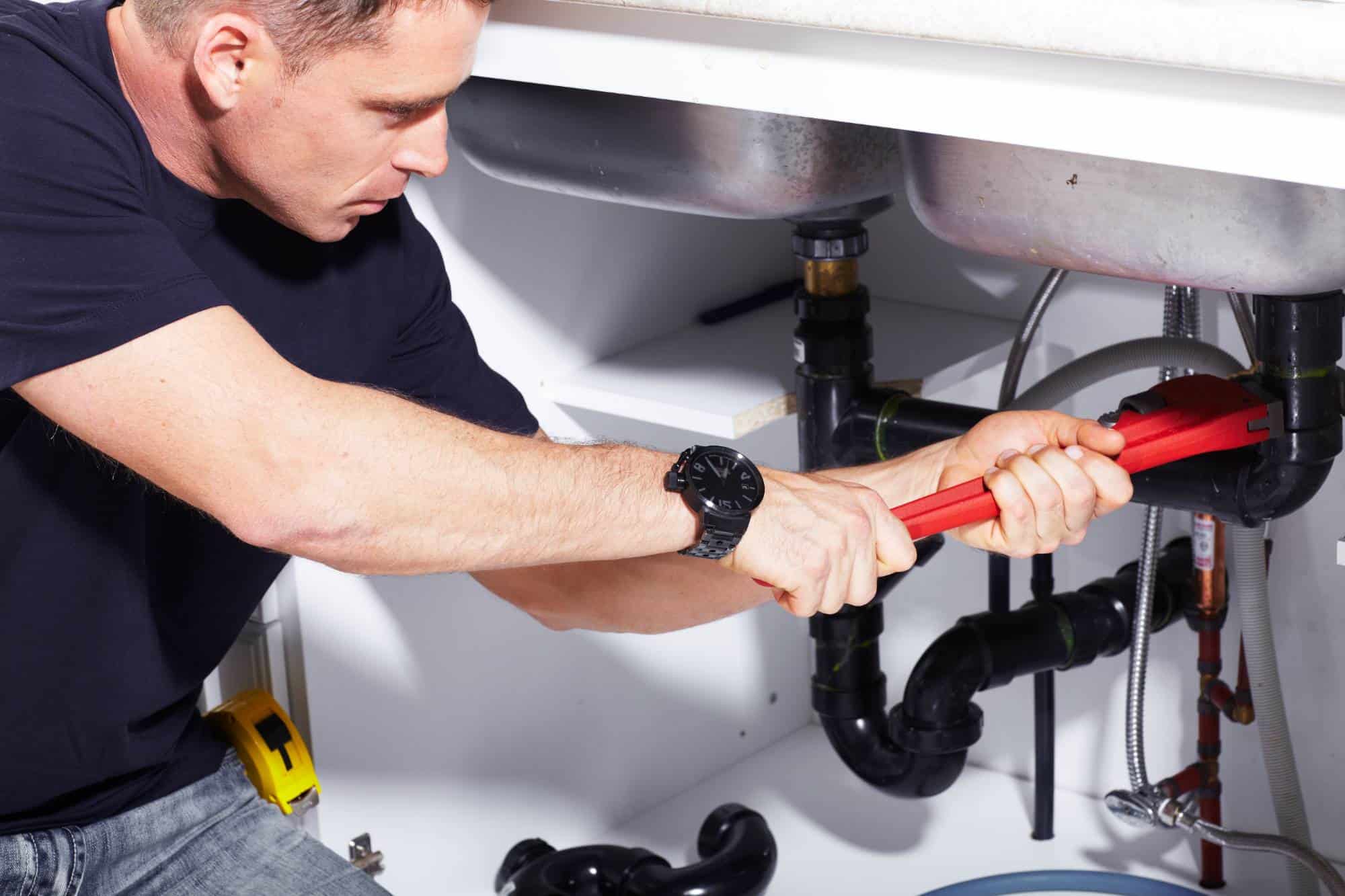
Your garbage disposal needs regular care to function properly and protect your drains. Most garbage disposal maintenance takes just a few minutes and prevents both mechanical failure and drainage issues.
Run your disposal at least once a day, even if you haven’t put food down it. This prevents rust and corrosion while keeping the moving parts lubricated. Let it run for 15 seconds with cold water, which is enough to clear any residual debris and keep everything functioning smoothly.
Ice cubes are your disposal’s best friend. Drop a handful down the drain once a week and grind them with cold water running. The ice sharpens the blades and breaks up any food buildup clinging to the grinding chamber. For extra cleaning power, add a tablespoon of coarse salt with the ice—it acts as an abrasive that scours away stuck-on gunk.
Citrus peels help with odors. After grinding ice, toss in a few lemon or orange peels. The natural oils freshen the disposal and leave your kitchen smelling better. This isn’t just masking odors—it’s actually cleaning the unit while making your sink area more pleasant.
Baking soda and vinegar work for deeper cleaning. Once a month, pour half a cup of baking soda down the disposal, followed by a cup of white vinegar. Let it fizz for 15 minutes, then flush with hot water. This combination breaks down grease and organic matter that’s accumulated inside the unit and in the upper portion of your drain pipes.
Never use chemical drain cleaners in a disposal. The harsh chemicals can corrode the metal components and damage seals. They’re also dangerous if they splash back. If you have a clog that won’t clear with normal use, it’s time to call us rather than risk damaging your system with aggressive chemicals.
Pay attention to what your disposal sounds like. A healthy unit hums smoothly. Grinding, rattling, or humming without the flywheel turning means something’s wrong. If it stops working entirely, check for the reset button on the bottom of the unit before calling for service. Sometimes a simple reset is all it needs after it’s been overloaded or jammed.
Feed food into the disposal gradually, not all at once. Overloading the unit causes jams and puts unnecessary stress on the motor. Break larger items into smaller pieces before putting them down. Let the disposal process each batch completely before adding more. This extends the life of your unit and ensures everything gets ground properly and flushed through your pipes.
You don’t need harsh chemicals to maintain clear drains. Natural methods work effectively for regular plumbing maintenance and minor slowdowns, and they’re safer for your pipes and the environment.
Monthly baking soda and vinegar treatments prevent buildup before it becomes a problem. Pour half a cup of baking soda down your drain, followed by a cup of white vinegar. The chemical reaction creates foam that works its way through your pipes, breaking down grease, soap scum, and organic matter. Let it sit for 30 minutes, then flush with a kettle of hot water. This simple routine keeps pipes clear and eliminates odors naturally.
Hot water flushes work for light maintenance. Once a week, boil a kettle and pour it slowly down your drain. The heat helps dissolve any grease or soap residue clinging to pipe walls before it hardens and causes problems. Just make sure your pipes aren’t old or compromised—older plumbing systems might not handle boiling water well, so use hot tap water instead if you’re unsure.
Dish soap can help with minor grease buildup. Squirt a generous amount of grease-cutting dish soap down the drain, let it sit for a few minutes, then run hot water for a minute or two. The soap breaks down light grease films before they accumulate into serious clogs. This works especially well as a preventive measure after cooking particularly greasy meals.
Salt and hot water create an abrasive cleaning solution. Pour half a cup of salt down the drain, followed by boiling water. The salt’s coarse texture helps scour pipe walls while the hot water flushes everything through. This method is particularly effective for clearing light buildup and eliminating odors.
These natural methods work best as prevention, not cure. If you already have a serious clog with standing water that won’t drain, you’ll need more aggressive intervention. But for regular maintenance and minor slowdowns, these simple solutions keep your drains flowing without exposing your plumbing to harsh chemicals that can cause long-term damage.
The key is consistency. Monthly treatments prevent the gradual buildup that eventually causes major clogs. It’s far easier to maintain clear pipes than to deal with a backed-up sink when you’re trying to prepare dinner or clean up after guests. A few minutes of preventive care saves you from hours of frustration and potentially hundreds of dollars in professional drain cleaning services.
Most kitchen sink clogs are preventable. Proper grease disposal, smart garbage disposal use, and simple plumbing maintenance routines keep your drains flowing and save you from expensive emergency repairs.
The habits covered here aren’t complicated. Scrape grease into the trash instead of down the drain. Run cold water with your disposal. Use sink strainers. Do monthly baking soda and vinegar treatments. These small actions add up to a plumbing system that works reliably without constant intervention.
When problems do arise—and sometimes they will despite your best efforts—you need professionals who understand Cook County’s unique plumbing challenges. We provide reliable drain cleaning and maintenance services throughout the Chicagoland area, with upfront pricing and experienced technicians who get the job done right. Your kitchen should work for you, not against you.
Article details:
Share:
Continue learning: