When Cook County temperatures drop below 20°F, your pipes are at risk. Learn what causes frozen pipes, how to prevent them, and when to call for emergency help.
Share:
Summary:
Chicago winters hit different. Temperatures regularly drop below 20°F and camp out there for days. Wind chill makes it worse, especially near the lake.
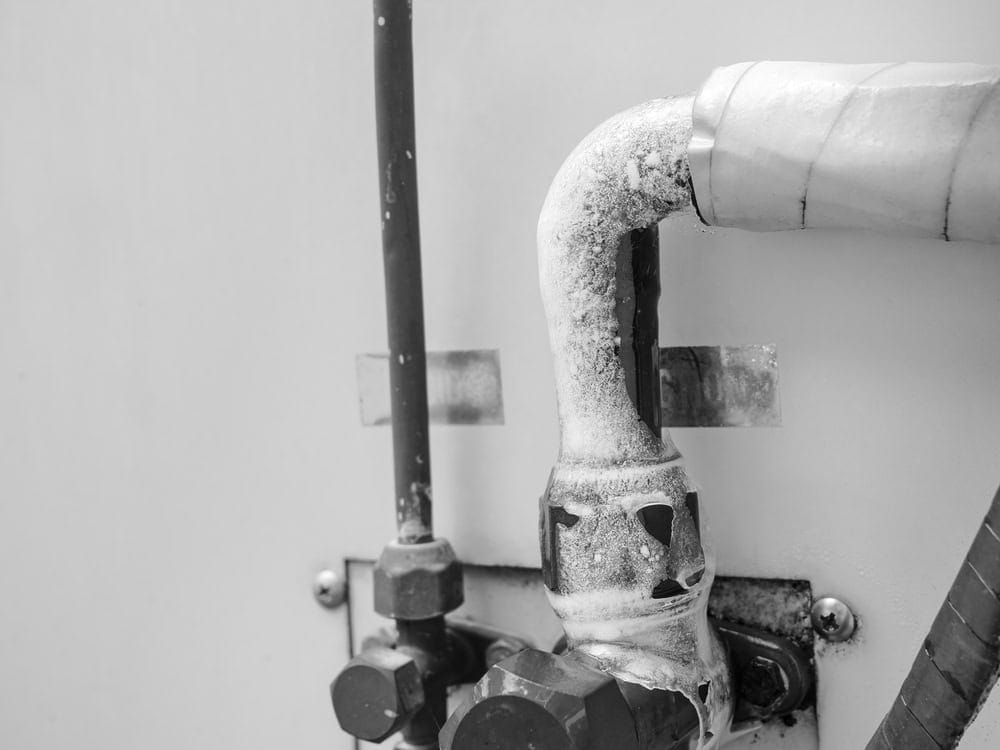
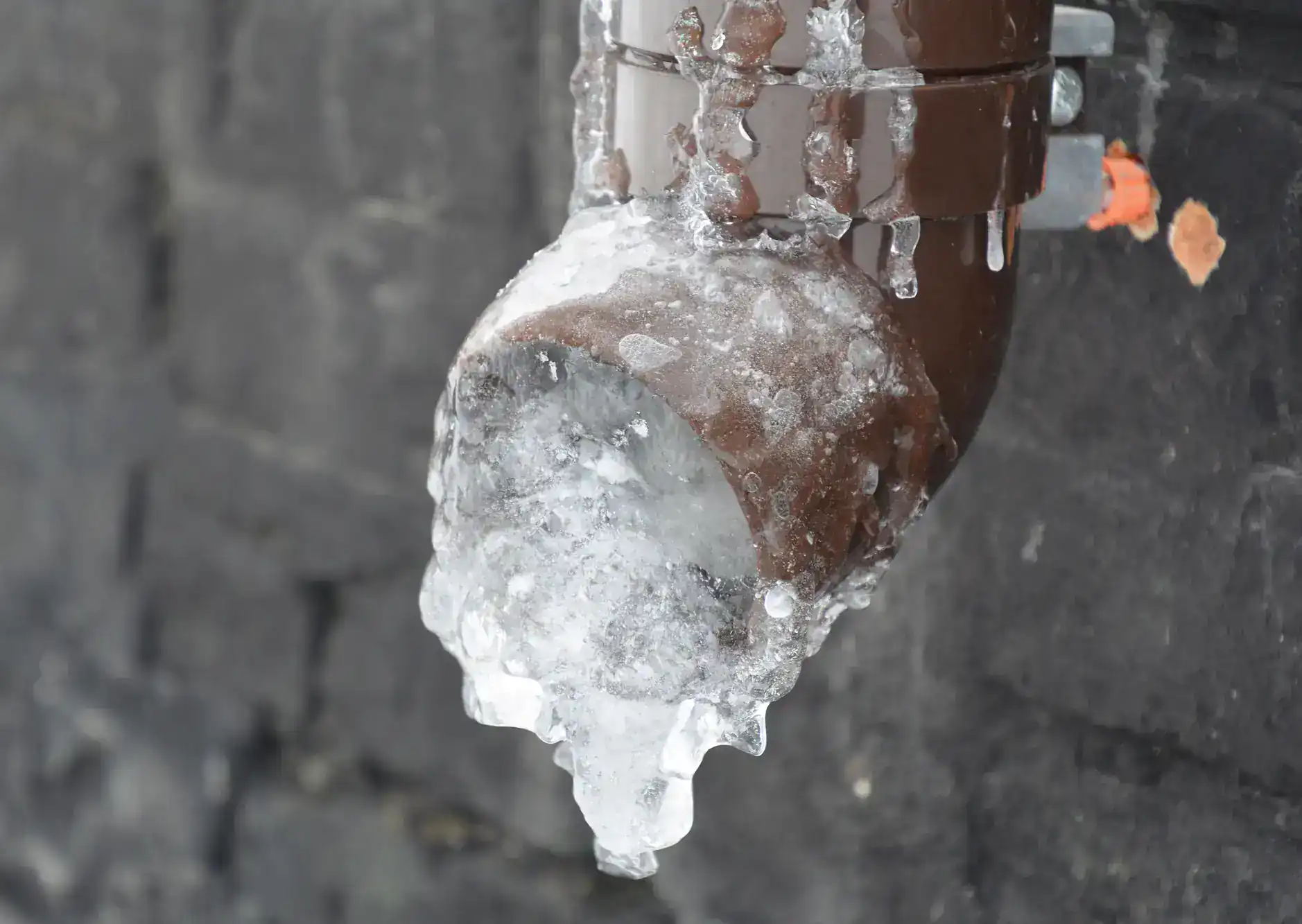
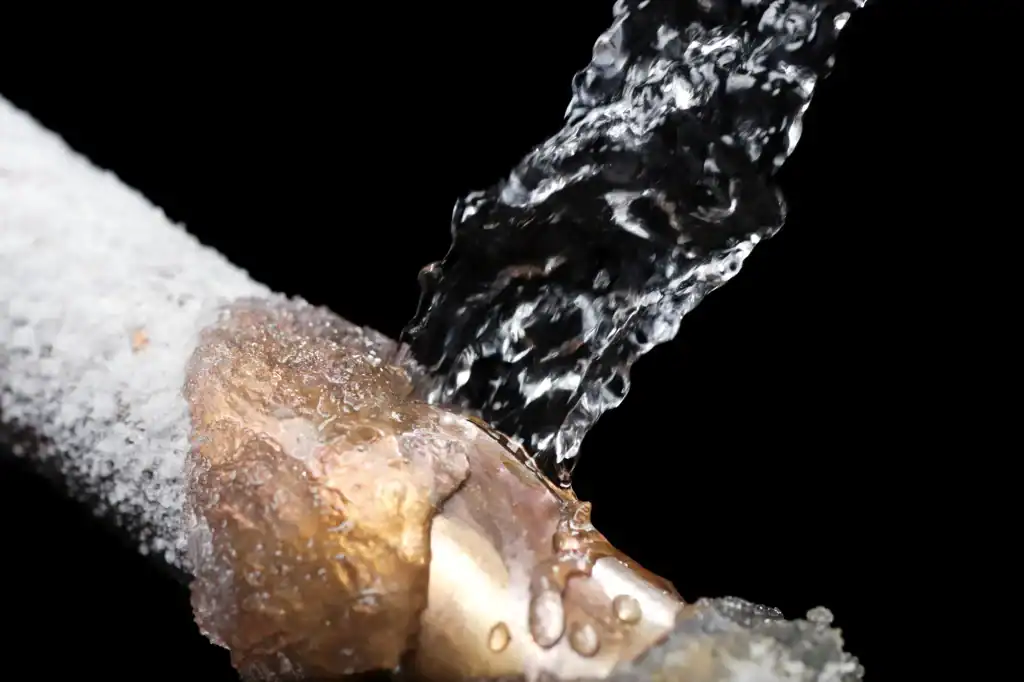
Water sitting in your pipes starts freezing when it’s exposed to these temperatures long enough. As it freezes, it expands—by about 9%. That expansion creates intense pressure inside the pipe. Eventually something gives. The pipe cracks, splits, or bursts outright.
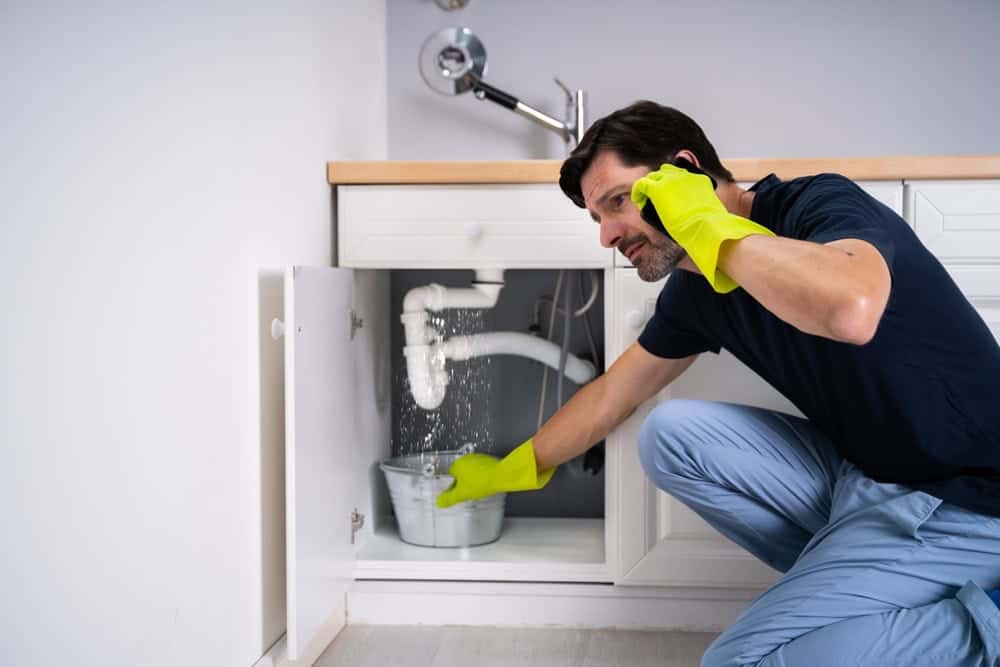
The real damage happens when everything thaws. That cracked pipe starts gushing water into your basement, walls, or ceiling. One burst pipe can release 10 gallons per minute. If you’re at work or asleep when it happens, you’re looking at hundreds of gallons flooding your home before you even know there’s a problem.
Not every pipe faces the same risk. Some spots are frozen pipe disasters waiting to happen, especially in Cook County’s older homes.
Pipes in exterior walls top the list. Many Chicago bungalows and vintage homes have plumbing running through outside walls with barely any insulation. When wind chill goes negative, those pipes don’t stand a chance. Lincoln Park, Logan Square, Hyde Park—these beautiful older neighborhoods have gorgeous architecture and vulnerable plumbing.
Unheated spaces come next. Your basement might feel cold but livable. Your crawl space, attic, or garage? Those can drop below freezing even when your house stays at 68°F. Pipes in these zones sit in near-freezing temperatures for hours or days during polar vortex events.
Outdoor plumbing seems obvious but gets forgotten. Hose bibs, sprinkler lines, pool equipment—any water left in these lines will freeze, expand, and crack something. You won’t know until spring when you turn the water back on and discover the damage.
Lake effect makes everything worse. Homes near Lake Michigan in Evanston, Rogers Park, and other lakefront areas get hit with more severe wind chill and longer cold periods. Your pipes freeze faster and stay frozen longer than properties just a few miles inland.
Older homes have one more vulnerability. Original plumbing from the 1920s through 1960s wasn’t designed for modern heating systems or today’s temperature extremes. These systems often have pipes in locations that newer construction avoids entirely—running through uninsulated exterior walls or unheated utility chases.
The clock starts the moment water stops flowing from your tap. Frozen pipes can burst within hours, and every minute that passes increases your risk.
Ice forms and blocks water flow. But the ice itself isn’t the problem—it’s what happens next. Pressure builds between the ice blockage and your closed faucet. More water tries to flow through. The pressure keeps climbing. The pipe can only handle so much before it fails.
When it fails, it floods. Not a drip. Not a slow leak. A gush. Ten gallons per minute pouring into your basement, your walls, your ceiling. If this happens overnight or while you’re at work, hundreds of gallons can flood your home before you discover the problem.
Water damage spreads fast. It soaks drywall, warps wood floors, ruins furniture, and creates ideal conditions for mold. Your insurance might cover some of this—but only if you took reasonable precautions. Turn off your heat during a cold snap? Let your vacant home sit unheated? Your insurer might deny the claim and leave you holding the bill.
Professional pipe thawing prevents this entire nightmare. Call at the first sign of frozen pipes, and a plumber can safely thaw the ice, check for damage, and restore water flow before anything bursts. Emergency service costs a fraction of what you’d pay for water damage restoration.
Frozen pipes rarely thaw fast enough on their own. Chicago’s extended cold spells mean pipes can stay frozen for days. The longer they stay frozen, the higher the pressure climbs, and the more likely they are to burst.
Some people try DIY thawing with hair dryers or space heaters. This works sometimes, if you can access the frozen section safely. But it’s risky. Improper heating can cause pipes to burst or start fires. Chicago sees house fires every winter from DIY pipe thawing gone wrong. If you can’t see the frozen section or don’t feel confident, professional help is the safer call.
Prevention beats emergency repairs every time. The best time to protect your pipes is October or early November, before the first hard freeze.
Start with insulation. Foam pipe sleeves cost almost nothing and install in minutes. Hit the pipes in unheated areas first—basements, crawl spaces, attics, garages. Even newspaper wrapped around pipes provides some protection, though proper insulation handles Chicago temperatures better.
Seal air leaks next. Walk your basement, utility rooms, and anywhere pipes enter your home. Look for gaps around pipe penetrations, cracks near windows, drafts by the foundation. Caulk, spray foam, or weatherstripping seals these spots and keeps cold air away from your plumbing.
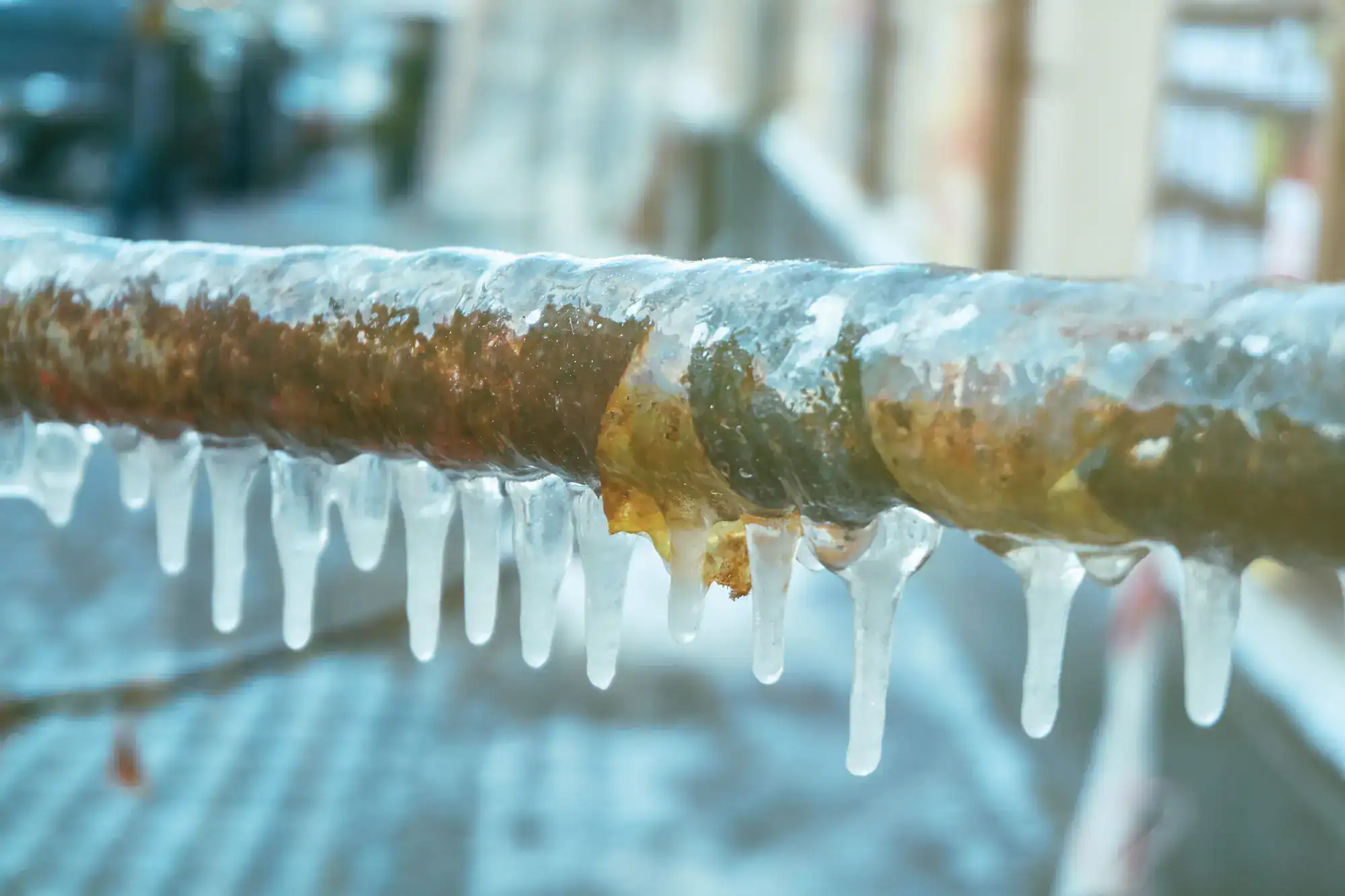
Outdoor plumbing needs attention before winter. These exposed lines freeze first and cause obvious damage come spring.
Disconnect every garden hose. Water trapped in a hose freezes and backs up into the pipe, cracking the indoor section. Once you disconnect the hose, open the outdoor faucet all the way and let remaining water drain completely. Even a small amount of water can freeze and cause problems.
Shut off interior valves supplying outdoor faucets. Most homes have shut-off valves inside for exterior hose bibs. Close these valves, then open the outdoor faucet to drain water from the line. Leave the outdoor faucet open all winter so any remaining water can expand without building dangerous pressure.
Consider upgrading to frost-proof hose bibs. These faucets have their shut-off valve located far inside your home where it stays warm. When you turn off a frost-proof faucet, water drains automatically from the exposed section. They cost more upfront but eliminate frozen outdoor faucet problems.
Drain sprinkler systems completely. In-ground irrigation can’t be drained by just turning off the water. You need an air compressor to force every drop out of the lines, valves, and sprinkler heads. This job is worth hiring a pro. One missed section can freeze, crack, and require expensive spring repairs.
Pool equipment needs winterization. Drain pumps, filters, and heaters according to manufacturer specs. Any water left in pool plumbing will freeze and cause damage. Pool service companies offer winterization if you’re not comfortable doing it yourself.
Don’t forget outdoor kitchens, utility sinks, or other exterior plumbing. These less-obvious fixtures need the same attention as your garden hoses. Drain them completely and shut off their water supply from inside.
When the forecast shows single digits or below zero, switch into active freeze prevention mode. These measures protect your pipes during the coldest nights.
Keep your thermostat at 55°F minimum, even when you’re away. This is non-negotiable. Lowering heat to save money can cost you thousands in pipe damage. Going on winter vacation? Leave the heat on. Ask a neighbor to check daily that your house is staying warm.
Let faucets drip during extreme cold. Moving water resists freezing better than standing water. You don’t need a strong flow—a trickle from both hot and cold taps works. Focus on faucets connected to pipes in exterior walls or unheated spaces. This wastes some water, but it’s cheaper than repairing burst pipes.
Open cabinet doors under sinks on exterior walls. This lets warm air from your home circulate around the plumbing. Kitchen and bathroom sinks on outside walls benefit most from this simple step.
Keep garage doors closed if water lines run through your garage. Every time you open that door, cold air rushes in and drops the temperature around exposed plumbing. Keep it closed during cold snaps.
Don’t close off unused rooms with plumbing. Some people close vents and doors to unused spaces to save on heating. This creates cold zones where pipes freeze. If a room has plumbing, it needs heat—even if nobody’s using that space.
Watch for freeze/thaw cycles. Chicago’s temperature swings create unique risks. A warm day partially thaws pipes, then a sudden cold night refreezes them with even more pressure. These cycles stress pipes more than steady cold, making them more likely to fail.
Turn on a faucet and get only a trickle or nothing? You likely have frozen pipes. Don’t panic, but don’t wait. Turn on the affected faucet and leave it open. As ice melts, flowing water helps clear the blockage. If you know where the frozen section is and can safely reach it, try gentle warming with a hair dryer—start near the faucet and work toward the coldest section. Never use open flames, propane heaters, or torches. These cause fires and can make pipes burst.
Can’t locate the frozen pipe? Can’t safely access it? Multiple faucets not working? Call us immediately. The longer pipes stay frozen, the higher your burst risk. We have specialized thawing equipment that applies controlled heat safely. We can also inspect for cracks or weak spots that might fail when water pressure returns.
At All Rooter Hydro Jetting Experts Inc, we provide 24/7 emergency frozen pipe service throughout Cook County, IL. Our technicians understand Chicago’s unique winter challenges and arrive equipped with professional thawing equipment, replacement materials, and the expertise to prevent future freezing. Don’t wait until a frozen pipe becomes a burst pipe disaster.
Article details:
Share:
Continue learning: