
Our Reviews
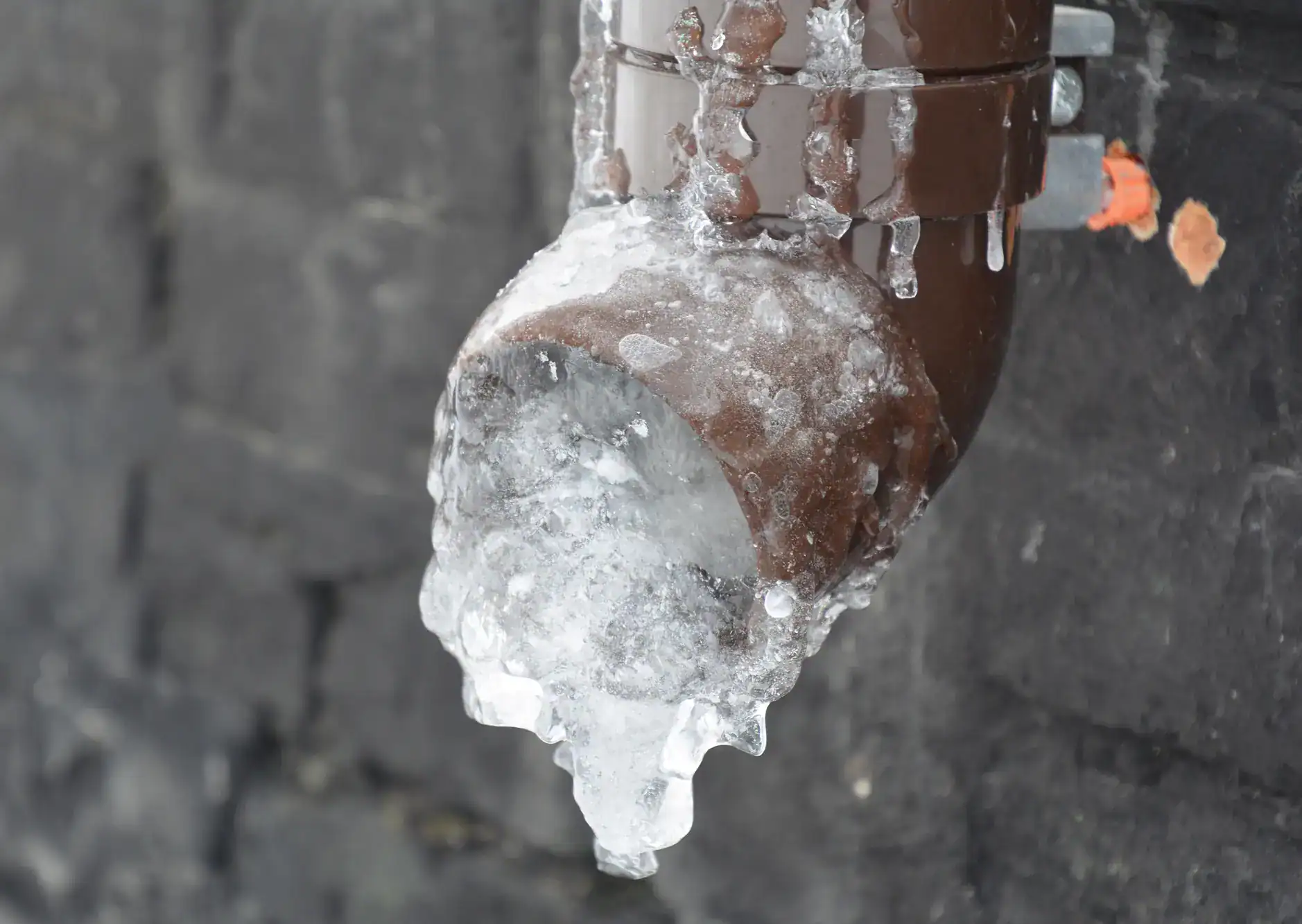
You turn the faucet and nothing happens. Or worse, you hear water running where it shouldn’t be. Either way, you’re dealing with frozen pipes that could burst any minute.
Here’s what happens when we handle your frozen pipe emergency: Your water gets restored quickly with professional thawing equipment that won’t damage your pipes. We inspect every inch after thawing to catch potential weak spots before they become expensive problems. You get back to your normal routine without the stress of wondering if more pipes will freeze tonight.
The difference between calling us and waiting it out? We prevent the $2,000 to $8,000 disaster that happens when frozen pipes burst and flood your home. Arlington Heights homeowners know that Chicago winters don’t mess around, and neither do we.
We’ve been serving Arlington Heights and the Chicagoland area through every brutal winter. We’re the locally owned plumbing company that understands what happens when temperatures drop to -10°F and windchills hit -40°F.
Our team knows Arlington Heights homes inside and out. We’ve thawed pipes in century-old houses with minimal insulation and newer construction where pipes still freeze in the wrong spots. Every truck carries professional-grade thawing equipment that safely restores water flow without compromising your pipe integrity.
We’re licensed, bonded, and insured because this work matters. When your pipes freeze at 2 AM on a Sunday in January, you need plumbers who show up ready to work, not give excuses about the weather.

First, we locate exactly where your pipes froze. This isn’t guesswork – we use professional diagnostic tools to pinpoint the problem without tearing up your walls unnecessarily.
Next comes the thawing process. We use specialized heating equipment that gradually warms your pipes from the outside, never shocking them with extreme temperature changes that could cause bursts. The process typically takes 30 minutes to two hours depending on how long the pipes have been frozen and their location.
After your water flows again, we inspect the entire affected area. Frozen pipes often develop small cracks that don’t leak immediately but will fail later. We catch these issues now, so you don’t wake up to a flooded basement next week. If we find any damage, we give you a clear explanation of what needs repair and why.
Ready to get started?
Our frozen pipe service covers everything from emergency thawing to preventative measures that keep your pipes flowing all winter. We handle the immediate crisis and help you avoid future problems.
Arlington Heights winters are particularly challenging because of the area’s soil conditions and housing stock. Many homes here were built when insulation standards were different, leaving pipes vulnerable in basements, crawl spaces, and exterior walls. We’ve worked on everything from vintage bungalows to modern subdivisions, so we know where pipes typically freeze in your neighborhood.
What you get with our service: 24/7 emergency response when pipes freeze, professional thawing that won’t damage your plumbing system, complete inspection after thawing to identify potential problems, and recommendations for insulation or pipe relocation to prevent future freezing. We also provide upfront pricing so you know exactly what you’re paying before we start work.
We provide 24/7 emergency service throughout Arlington Heights and can typically respond within an hour during regular business hours, often faster during overnight emergencies. Winter pipe emergencies don’t wait for convenient times, so neither do we.
Our response time depends on current weather conditions and call volume, but we prioritize frozen pipe calls because we know how quickly they can turn into burst pipe disasters. When you call, we’ll give you an honest timeframe and keep you updated if anything changes. The sooner we get there, the better chance we have of thawing your pipes before they burst and cause expensive water damage.
Frozen pipes have ice blockages that stop water flow, while burst pipes have actual cracks or breaks that leak water. You might have frozen pipes if your faucets produce little to no water, you hear gurgling sounds, or notice unusual odors from drains.
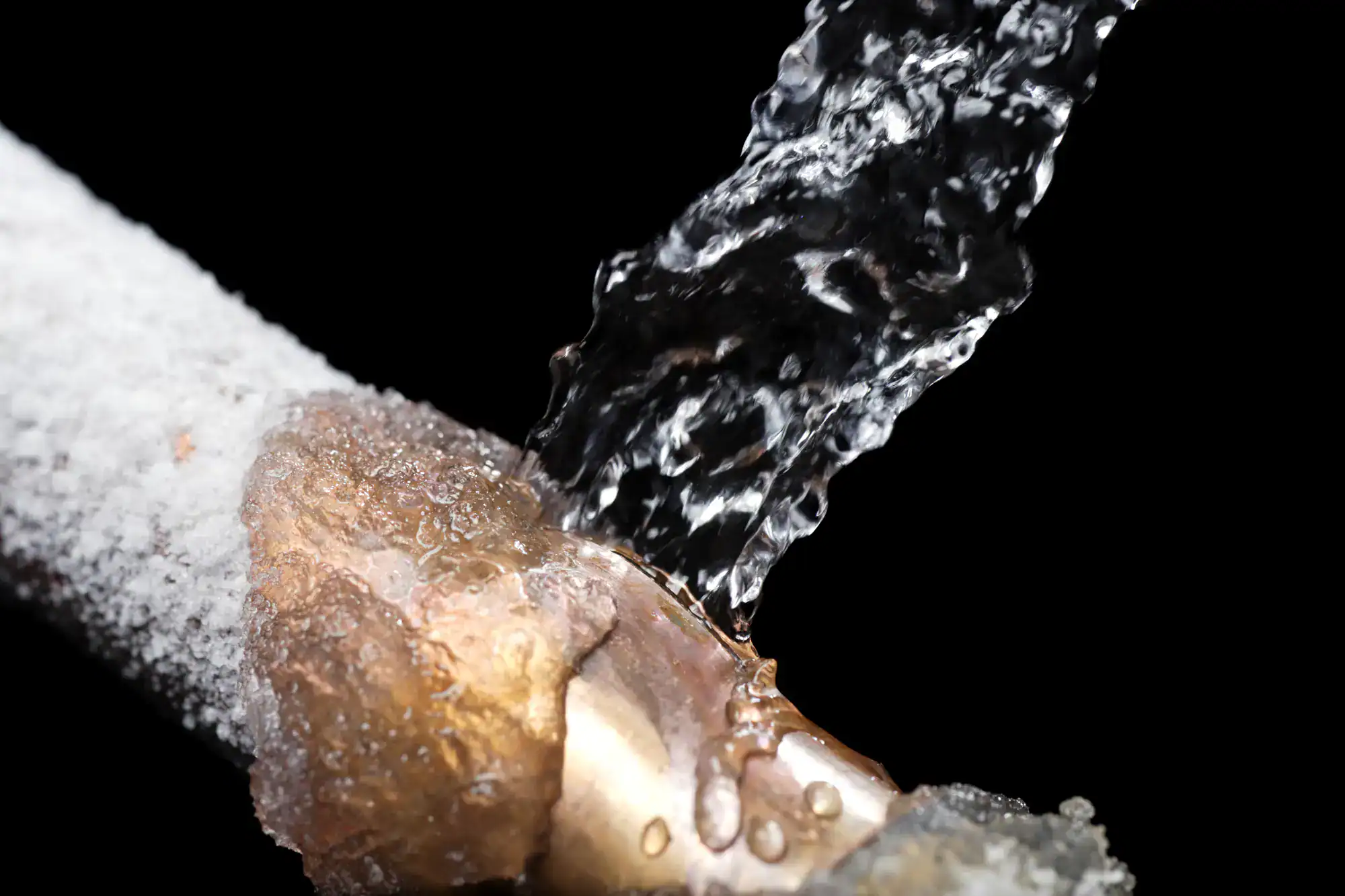
Burst pipes are more serious – you’ll see water where it shouldn’t be, damp drywall, or hear water running when all fixtures are off. The tricky part is that pipes often burst after they start thawing, not while they’re frozen solid. That’s why professional thawing is crucial – we monitor the process to catch potential bursts before they flood your home. If we find any pipe damage during thawing, we handle the repairs immediately.
You can try gentle methods like using a hair dryer on accessible pipes, but most frozen pipe situations require professional equipment and expertise. Never use open flames, torches, or high-heat devices – they can burst pipes instantly or start fires.
The bigger issue is that you might not know where your pipes actually froze. Pipes often freeze in walls, crawl spaces, or underground service lines that you can’t reach safely. Professional thawing equipment can handle these locations without damaging your home’s structure. We also inspect for damage after thawing, something most homeowners can’t do properly. If your DIY attempts don’t restore water flow within 30 minutes, call us before the situation gets worse.
Basic pipe thawing typically costs between $200-500, while burst pipe repairs can range from $500-2000 depending on the location and extent of damage. We provide upfront pricing before starting any work, so you’ll know exactly what to expect.
The cost depends on several factors: how many pipes are frozen, where they’re located, whether any pipes have burst, and what repairs are needed. Pipes in easily accessible areas cost less to thaw than those in walls or under slabs. Emergency calls during nights, weekends, or holidays may include additional service fees. However, professional thawing almost always costs less than dealing with burst pipes and water damage, which can easily reach $8000 or more in repairs.
Arlington Heights pipes typically freeze when temperatures drop below 20°F for several hours, especially in homes with poor insulation or pipes near exterior walls. The combination of Chicago’s harsh winters and the area’s diverse housing stock creates perfect conditions for frozen pipes.
Common causes include inadequate insulation in basements and crawl spaces, pipes located in unheated areas like garages, cold air leaks around windows and foundations, and thermostats set too low during cold snaps. Many Arlington Heights homes were built before modern insulation standards, leaving pipes vulnerable in areas that seemed protected. Even newer homes can have problems if pipes run through exterior walls or unheated spaces. The key is identifying vulnerable areas before winter hits and taking preventative measures.
Keep your thermostat at 55°F minimum even when you’re away, let faucets drip slightly during extreme cold, and open cabinet doors under sinks to circulate warm air around pipes. These simple steps prevent most frozen pipe emergencies.
For long-term protection, insulate pipes in unheated areas like basements, attics, and crawl spaces using foam pipe sleeves or heat tape. Seal air leaks around windows, doors, and where pipes enter your home – cold drafts are a major cause of pipe freezing. Disconnect and drain outdoor hoses before winter, and consider having vulnerable pipes relocated away from exterior walls. If your home has a history of frozen pipes in specific areas, professional insulation or pipe rerouting might be worth the investment to avoid repeated emergency calls.