
Our Reviews
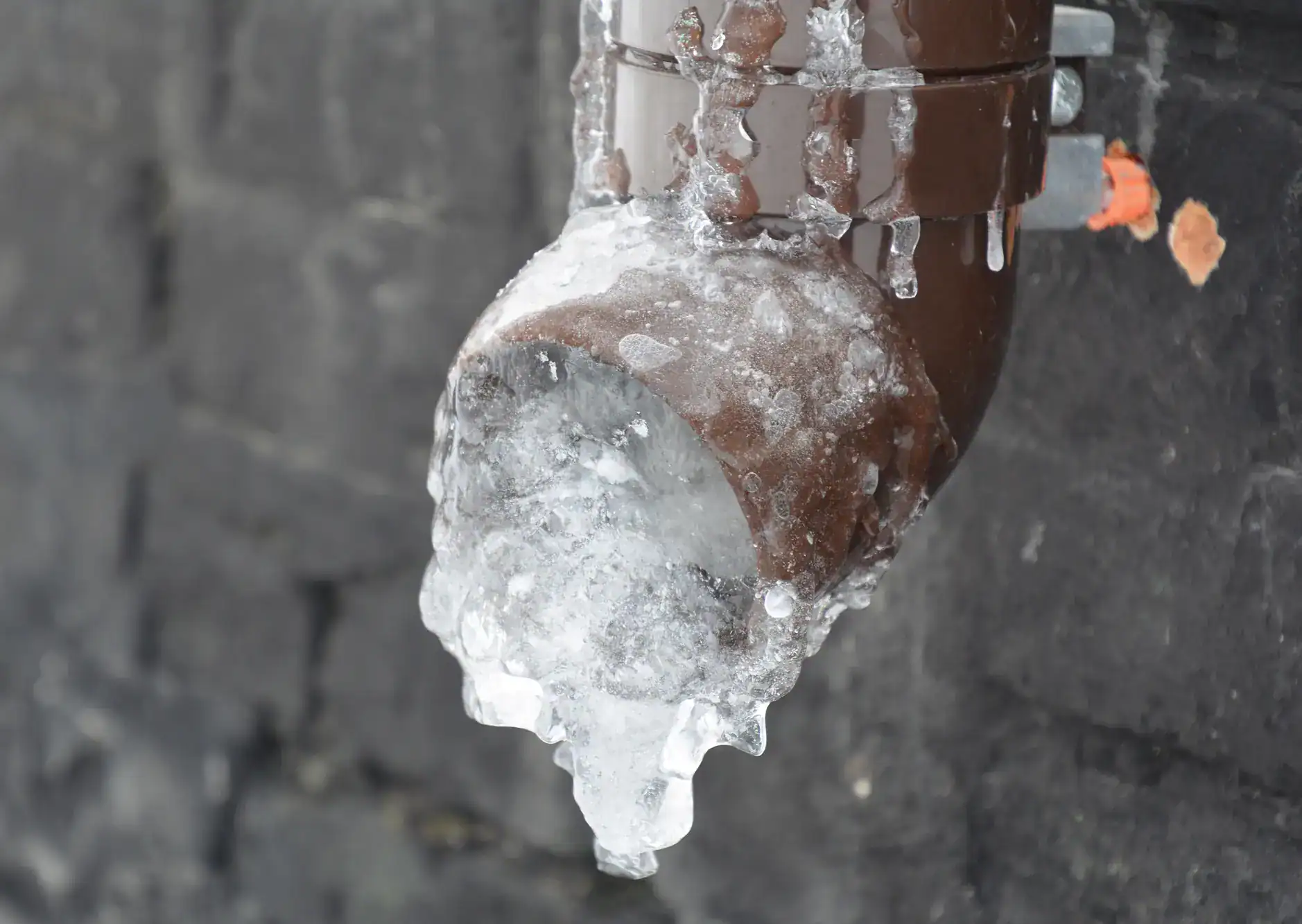
You wake up to no water. Panic sets in as you realize your pipes are frozen solid, and you’re picturing burst pipes flooding your home.
Here’s what happens when we handle your frozen pipe emergency: Your water starts flowing again within hours, not days. No guessing games about what it’ll cost—you get upfront pricing before we start. No water damage spreading through your walls while you wait for help.
Your morning routine gets back to normal. Your business stays operational. Your stress level drops from panic to relief because someone who actually knows Illinois winters just fixed the problem right.
We at All Rooter Hydro Jetting Experts have been handling Chicago-area plumbing emergencies for years. We know exactly what sub-zero Illinois temperatures do to your pipes.
Licensed, bonded, and insured—because when your pipes freeze at 2 AM, you need professionals, not handymen. We’ve thawed thousands of frozen pipes across the Chicagoland area, from old homes with exposed pipes to newer builds with inadequate insulation.
Ashburn homeowners call us because we show up fast, fix it right, and explain what happened in plain English. No corporate runaround, no inflated emergency rates—just local expertise when you need it most.

First, we locate exactly where your pipes froze using professional equipment. No guessing, no tearing into walls unnecessarily.
Next, we apply controlled heat using specialized thawing equipment—never open flames or dangerous methods that damage pipes. We monitor the process to ensure safe, gradual thawing that prevents pipe bursts.
While we work, we check for any damage that might have already occurred. If we find cracks or weak spots, we handle those repairs immediately. Before we leave, we show you how to prevent this from happening again and identify vulnerable areas in your plumbing system.
Ready to get started?
Our frozen pipe service covers everything from initial thawing to complete burst pipe repair. You get pipe thawing, damage assessment, emergency repairs, and prevention advice—all in one call.
Ashburn’s older homes often have pipes in crawl spaces and exterior walls that freeze first. We know these trouble spots and check them thoroughly. For businesses, we work around your schedule to minimize disruption while ensuring your plumbing system stays functional.
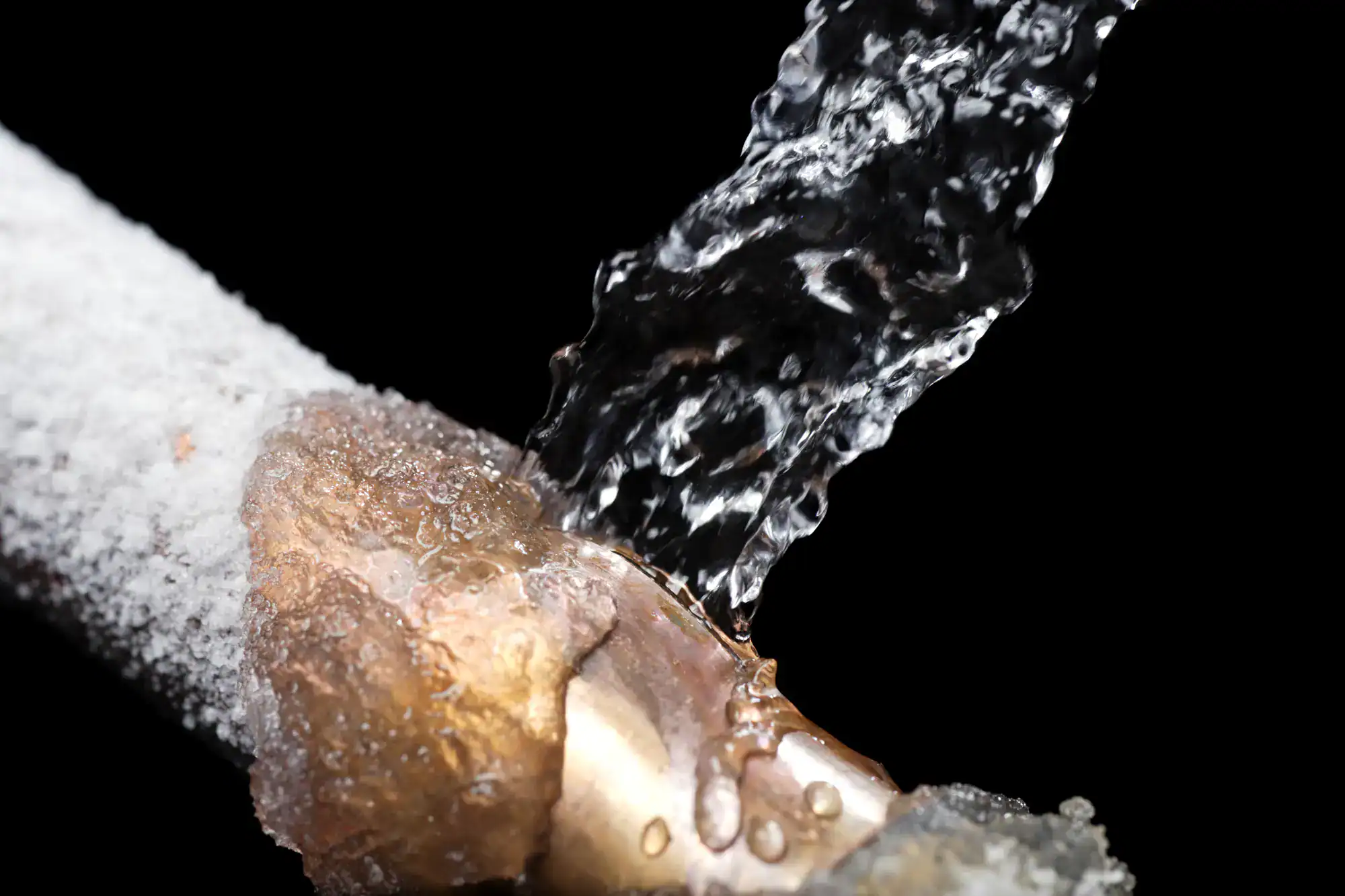
We also handle the aftermath—if pipes burst before we arrive, our emergency burst pipe repair service stops water damage immediately. Licensed professionals with the right equipment, insurance backing, and local knowledge of Illinois building codes and climate challenges.
We provide 24/7 emergency response for frozen pipes in Ashburn and typically arrive within 1-2 hours of your call. Illinois winters don’t wait for business hours, and neither do we.
Our emergency response time depends on current weather conditions and call volume, but we prioritize frozen pipe calls because we know how quickly the situation can escalate to burst pipes and water damage. We keep emergency crews on standby during extreme cold snaps common in the Chicago area.
Frozen pipes have ice blocking water flow but the pipe itself remains intact. Burst pipes have cracked or split open due to ice expansion, causing active water leaks and potential flooding.
Frozen pipes are an emergency because they often lead to burst pipes if not addressed quickly. When water freezes, it expands about 9%, creating enormous pressure inside your pipes. This pressure can cause pipes to crack or burst, especially in older homes or pipes that have frozen before.
The key is catching frozen pipes before they burst. If you turn on a faucet and no water comes out during freezing weather, you likely have frozen pipes that need immediate professional thawing.
While you can try gentle methods like hair dryers on accessible pipes, most frozen pipe situations require professional equipment and expertise to avoid causing more damage.
DIY thawing often fails because homeowners can’t locate exactly where pipes are frozen, especially in walls or crawl spaces. Using too much heat too quickly can cause pipes to burst from thermal shock. Space heaters and open flames create fire hazards and can damage your home.
Professional pipe thawing uses controlled heat application and specialized equipment to safely thaw pipes without damage. We also inspect for existing cracks that could become major leaks once thawed, preventing costly water damage down the road.
Emergency frozen pipe thawing typically costs $200-$500 depending on location and complexity, while burst pipe repairs range from $300-$1,500 based on damage extent and pipe accessibility.
We provide upfront pricing before starting work—no surprise charges or inflated emergency rates. Simple pipe thawing costs less than complex repairs involving wall access or multiple frozen sections. Burst pipe repairs vary based on pipe material, location, and water damage extent.
Most homeowners insurance covers burst pipe damage but not the thawing service itself. We work directly with insurance companies when needed and provide detailed documentation for your claims.
Pipes freeze when temperatures drop below 20°F and pipes lack adequate insulation or heat exposure. Common problem areas include exterior walls, crawl spaces, basements, and pipes near windows or doors.
Ashburn’s older homes often have pipes in unheated areas or inadequate insulation around plumbing. Power outages during storms can also cause interior pipes to freeze when heating systems fail. Even newer homes can have issues with pipes in garage walls or poorly insulated areas.
Wind chill makes freezing worse by pulling heat away from exterior walls faster. Pipes on the north side of homes freeze first since they get less sun exposure during Illinois winters.
Keep cabinet doors open under sinks to allow warm air circulation, let faucets drip slightly during extreme cold, and maintain consistent indoor temperatures above 55°F even when away.
Insulate pipes in crawl spaces, basements, and exterior walls with foam pipe insulation. Seal cracks around pipes where they enter your home to prevent cold air infiltration. Consider installing heat tape on vulnerable pipes, but have it professionally installed to avoid fire hazards.
During extended cold snaps, know where your main water shutoff is located in case pipes do burst. We also recommend annual plumbing inspections before winter to identify and address vulnerable areas before they become expensive emergencies.