
Our Reviews
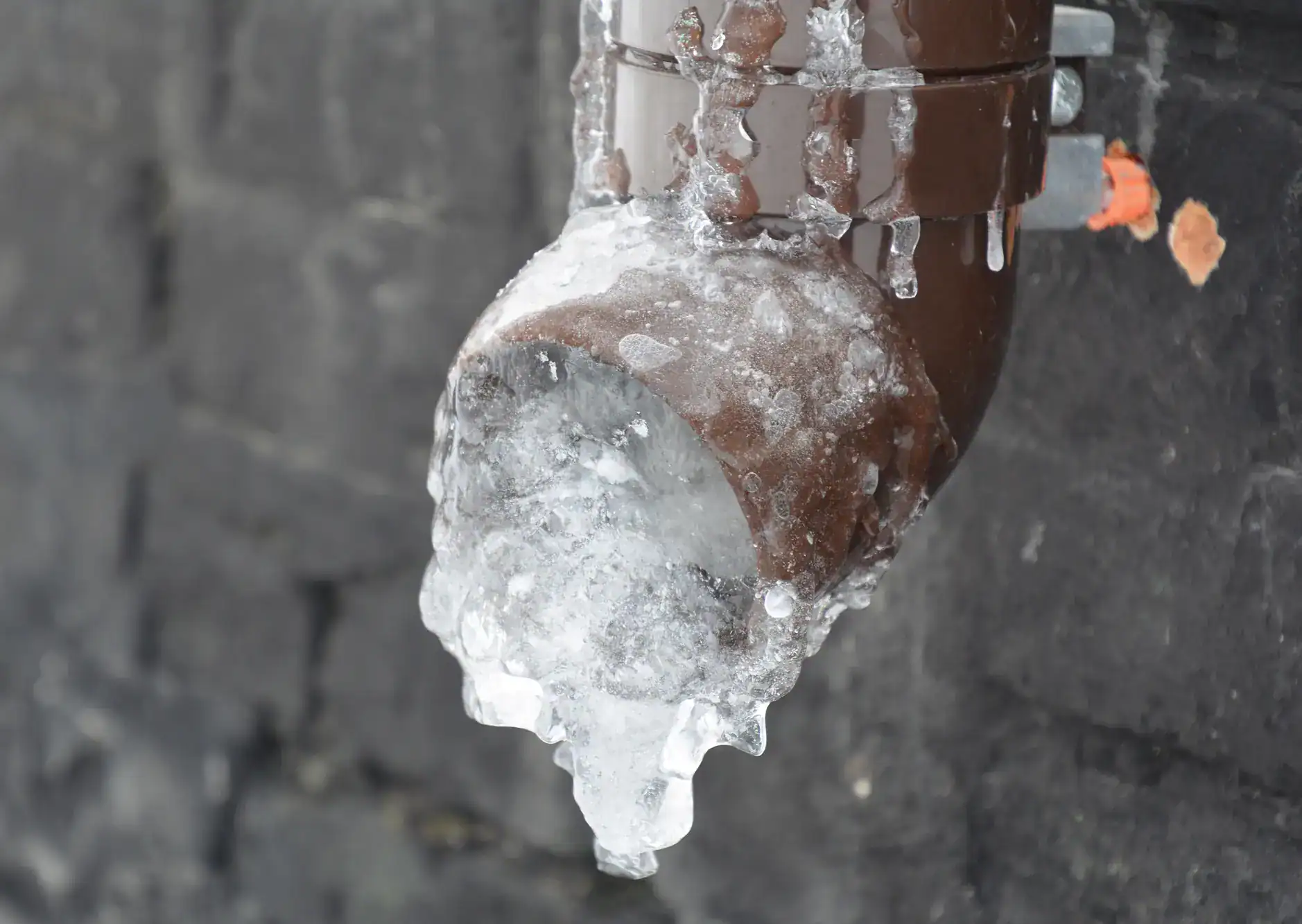
You wake up, turn the faucet, and nothing happens. In Chicago’s freezing temperatures, this scenario plays out in thousands of homes every winter. The good news? Professional pipe thawing typically restores your water flow within 30 minutes to an hour, depending on the severity and location of the freeze.
When we arrive at your home, we use specialized equipment designed specifically for Chicago’s climate challenges. Our advanced thawing methods safely warm your pipes without causing the sudden temperature changes that can lead to bursts. You get your water back quickly, and more importantly, you avoid the nightmare of dealing with burst pipes that can flood your home with hundreds of gallons of water.
The difference between a quick thaw and a major disaster often comes down to acting fast and choosing professionals who know what they’re doing.
All Rooter Hydro Jetting Experts Inc. has been serving Chicago homeowners and businesses through every brutal winter this city can deliver. We understand that Chicago’s strong winds don’t just make it feel colder—they push freezing air into the nooks and crannies where your plumbing lives, especially in the older homes, bungalows, and vintage brick buildings that make up so much of our city’s character.
Our team knows that pipes in exterior walls, unheated basements, and crawl spaces are the most vulnerable. We’ve seen how Chicago’s infrastructure creates unique challenges, from the way buildings are constructed to how the city’s water systems interact with winter weather.
When you call us, you’re getting plumbers who’ve spent years learning the specific ways Chicago winters attack your plumbing—and more importantly, how to fight back effectively.

First, we locate exactly where your pipes are frozen. Our technicians know how to identify frozen sections by listening for changes in sound when tapping pipes and feeling for temperature differences. This step is crucial because trying to thaw the wrong section wastes time when you need your water back.
Next, we use professional-grade thawing equipment—never open flames or dangerous heating methods that can damage pipes or create safety hazards. Our specialized tools apply controlled, even heat that gradually warms the ice blockage without causing the rapid temperature changes that lead to pipe bursts.
Throughout the process, we keep the affected faucets open so that as the ice melts, water can flow through and help clear the remaining blockage. We monitor the thawing carefully, adjusting our approach based on how your specific pipes respond. Most thaws are complete within 30 minutes to an hour, and you’ll know we’re successful when you see steady water flow returning to normal pressure.
Ready to get started?
Our frozen pipe services go beyond just thawing. When you call All Rooter, you get a comprehensive response that addresses both your immediate emergency and helps prevent future problems. We arrive with professional thawing equipment, pipe repair materials, and the expertise to handle whatever we find.
If we discover that pipes have already burst, we’re equipped to handle the repair immediately. Our trucks carry the materials needed for most common pipe repairs, so we can often complete the work in a single visit. We work with all pipe materials common in Chicago homes—copper, PVC, PEX, and even the older galvanized steel found in many of the city’s vintage buildings.
Chicago winters are unpredictable, but our response isn’t. We maintain 24/7 emergency availability because frozen pipes don’t wait for convenient business hours. Whether it’s 2 AM on a Sunday or during a holiday weekend, we understand that when your pipes freeze, you need help immediately. Our local knowledge means we can navigate Chicago’s streets efficiently, even in winter weather conditions, to reach you as quickly as possible.
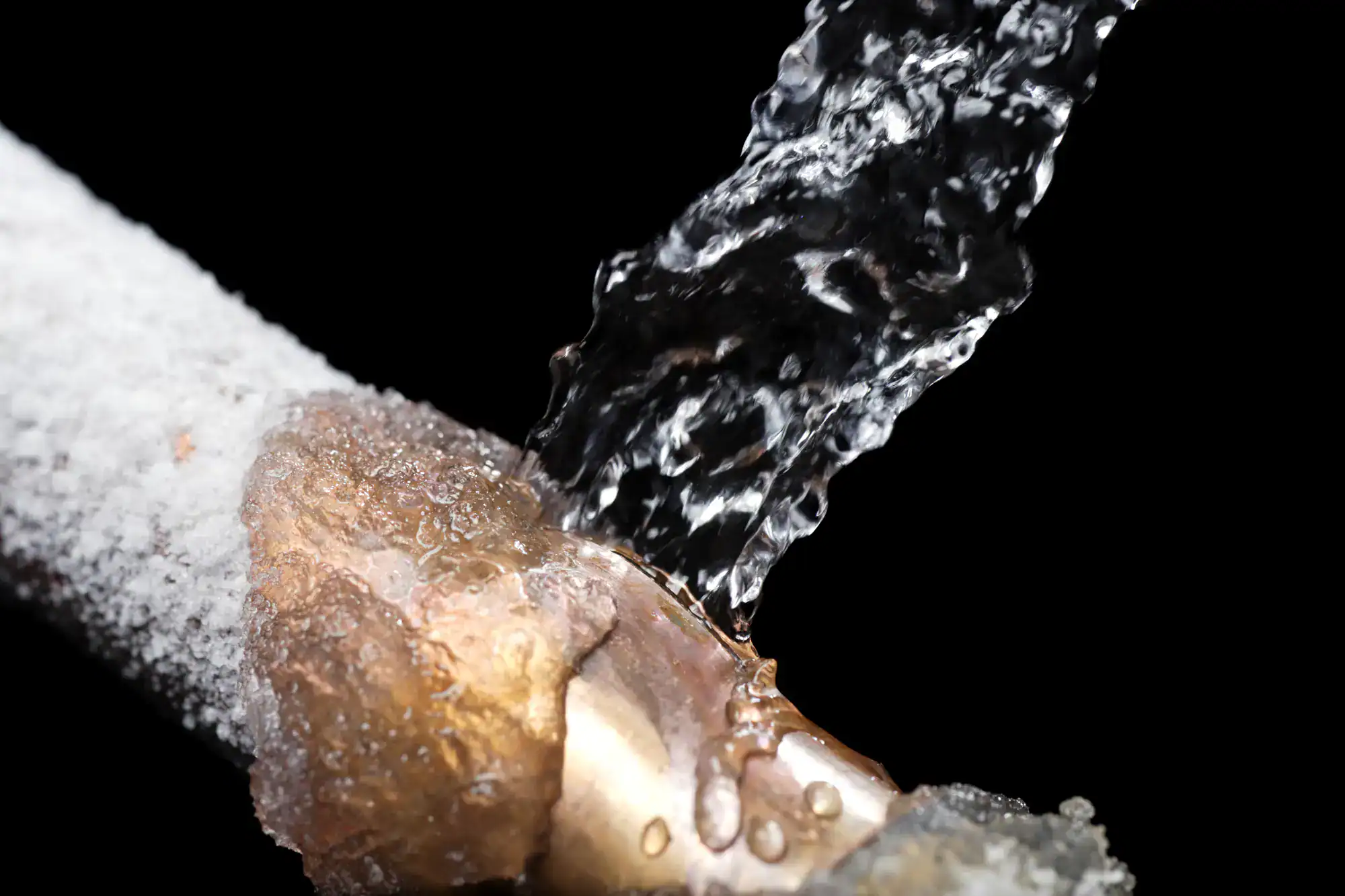
Frozen pipe repair costs in Chicago typically range from $150 to $500 for straightforward thawing services, though costs can reach $5,000 if extensive pipe replacement or water damage cleanup is needed. The final price depends on several factors: how many pipes are frozen, their location and accessibility, whether any pipes have burst, and the extent of any water damage.
Simple pipe thawing jobs where we catch the problem early usually fall on the lower end of this range. However, if pipes are frozen inside walls or have already burst, costs increase due to the additional labor required to access the pipes and make repairs. During Chicago’s peak winter months, emergency service rates can be 1.5 to 3 times higher than standard rates, which is why we provide upfront pricing so you know exactly what to expect before we begin work.
Professional pipe thawing typically takes 30 minutes to an hour, though the exact timing varies based on how cold it’s been, how long the pipes have been frozen, and where the frozen section is located. Pipes in exterior walls or unheated areas may take longer to thaw than those in warmer parts of your home.
Our technicians use specialized equipment that applies controlled heat safely and efficiently. We never rush the process because rapid temperature changes can cause pipes to burst from thermal shock. During the thawing process, we keep affected faucets open so that as the ice melts, flowing water helps clear the remaining blockage and restore normal water pressure throughout your system.
While there are some safe DIY methods like using a hair dryer on accessible pipes, we strongly recommend calling professionals for frozen pipes in Chicago. The risks of DIY thawing often outweigh the potential savings, especially when pipes are frozen in walls, crawl spaces, or other hard-to-reach areas.
Many homeowners accidentally cause more damage by using dangerous heating methods like torches, space heaters, or open flames near pipes. These can melt plastic pipes, create steam that causes explosions, or even start fires. Professional plumbers have specialized equipment designed specifically for safe pipe thawing, and we can quickly identify whether pipes have already burst or are at risk of bursting during the thawing process.
Chicago’s combination of extremely cold temperatures and strong winds creates unique challenges for home plumbing systems. The city’s notorious winds push freezing air into small gaps around pipes, especially in older homes where insulation may not meet modern standards. Many Chicago buildings were constructed before current insulation requirements, leaving pipes in exterior walls particularly vulnerable.
Additionally, Chicago’s diverse housing stock—from vintage brick buildings to modern constructions—means different homes have different vulnerabilities. Older homes often have pipes running through unheated basements, crawl spaces, or exterior walls where they’re exposed to temperature fluctuations. The city’s lake effect weather patterns can also create sudden, severe cold snaps that catch homeowners off guard before they’ve had time to implement winter protection measures.
First, turn on the affected faucets and leave them open—even if no water comes out initially. This relieves pressure in the system and allows water to flow once thawing begins. Next, locate your main water shut-off valve in case pipes have burst and you need to stop water flow quickly.
Check other faucets in your home to determine how extensive the freezing is. If multiple areas are affected or if you can’t locate the frozen section, call professional help immediately. Don’t use open flames, space heaters, or other dangerous heating methods near pipes. If you can safely access the frozen pipe and want to attempt gentle thawing while waiting for professionals, a hair dryer held several inches away from the pipe can help, but never leave heating devices unattended.
Prevention starts with understanding your home’s vulnerable areas. Insulate pipes in unheated spaces like basements, attics, and crawl spaces using foam pipe sleeves or fiberglass insulation. For pipes in exterior walls, open cabinet doors during cold snaps to allow warm air circulation around the plumbing.
During extreme cold weather, let faucets drip slightly—even a small trickle of moving water is much harder to freeze than stagnant water. Keep your thermostat set to at least 55°F even when you’re away from home, and seal any air leaks around windows, doors, and pipe penetrations where cold air can enter. Disconnect outdoor hoses and shut off water to exterior faucets, draining them completely before winter arrives.