
Our Reviews
When your pipes freeze, you need more than a quick fix—you need it done right the first time. We thaw frozen pipes safely, repair burst sections professionally, and get your water flowing again without the mess most companies leave behind.
No guessing games about what went wrong or what it’ll cost. You get straight answers, fair pricing, and work that actually lasts through Chicago’s brutal winters.
Your morning routine gets back to normal. Your business stays operational. And you don’t spend the next few days dealing with water damage because someone rushed the job.
All Rooter Hydro Jetting Experts has been handling frozen pipe emergencies across the Chicago area for years. We’re licensed, bonded, and insured—not just another guy with a truck.
Chicago Ridge winters are tough on plumbing systems, especially in older homes with pipes running through exterior walls or unheated basements. We’ve seen every type of freeze-up this area throws at properties, from single-pipe blockages to whole-house shutoffs.
When you call us, you’re getting technicians who understand how Chicago’s freeze-thaw cycles affect your plumbing and know exactly what it takes to get things working again.

First, we locate exactly where the freeze occurred—sometimes it’s obvious, sometimes it takes some detective work. We use safe thawing methods that won’t damage your pipes or create bigger problems down the line.
If pipes have already burst, we assess the damage and give you a clear breakdown of what needs repair or replacement. No surprises, no upselling—just honest assessment of what’s broken and what it takes to fix it properly.
Once everything’s thawed and repaired, we test the system to make sure water pressure is back to normal and check for any weak spots that might cause problems later. You get your water back, plus peace of mind that the job was done right.
Ready to get started?
Our frozen pipe service covers the full scope of what Chicago Ridge properties need during winter emergencies. We handle pipe thawing, burst pipe repair, and emergency plumbing situations that can’t wait until regular business hours.
Chicago Ridge’s mix of older homes and newer construction means different challenges. Older properties often have pipes in vulnerable locations, while newer builds sometimes have installation issues that show up during extreme cold. We’ve worked on both and know what each situation requires.
You get upfront pricing before we start, professional work that meets local codes, and 24/7 availability when frozen pipes can’t wait. Plus, we clean up after ourselves—no water-soaked mess left for you to deal with.
We provide 24/7 emergency service throughout Chicago Ridge and typically respond within an hour during normal conditions. Winter storms or extreme cold snaps might extend response times slightly, but we prioritize frozen pipe calls because we know how quickly the situation can get worse.
When you call, we’ll give you an honest estimate of when we can get there. We don’t make promises we can’t keep, especially during the peak winter months when everyone’s dealing with plumbing problems at once.
The key is calling as soon as you notice the problem. The longer pipes stay frozen, the higher the chance they’ll burst and create much bigger headaches.
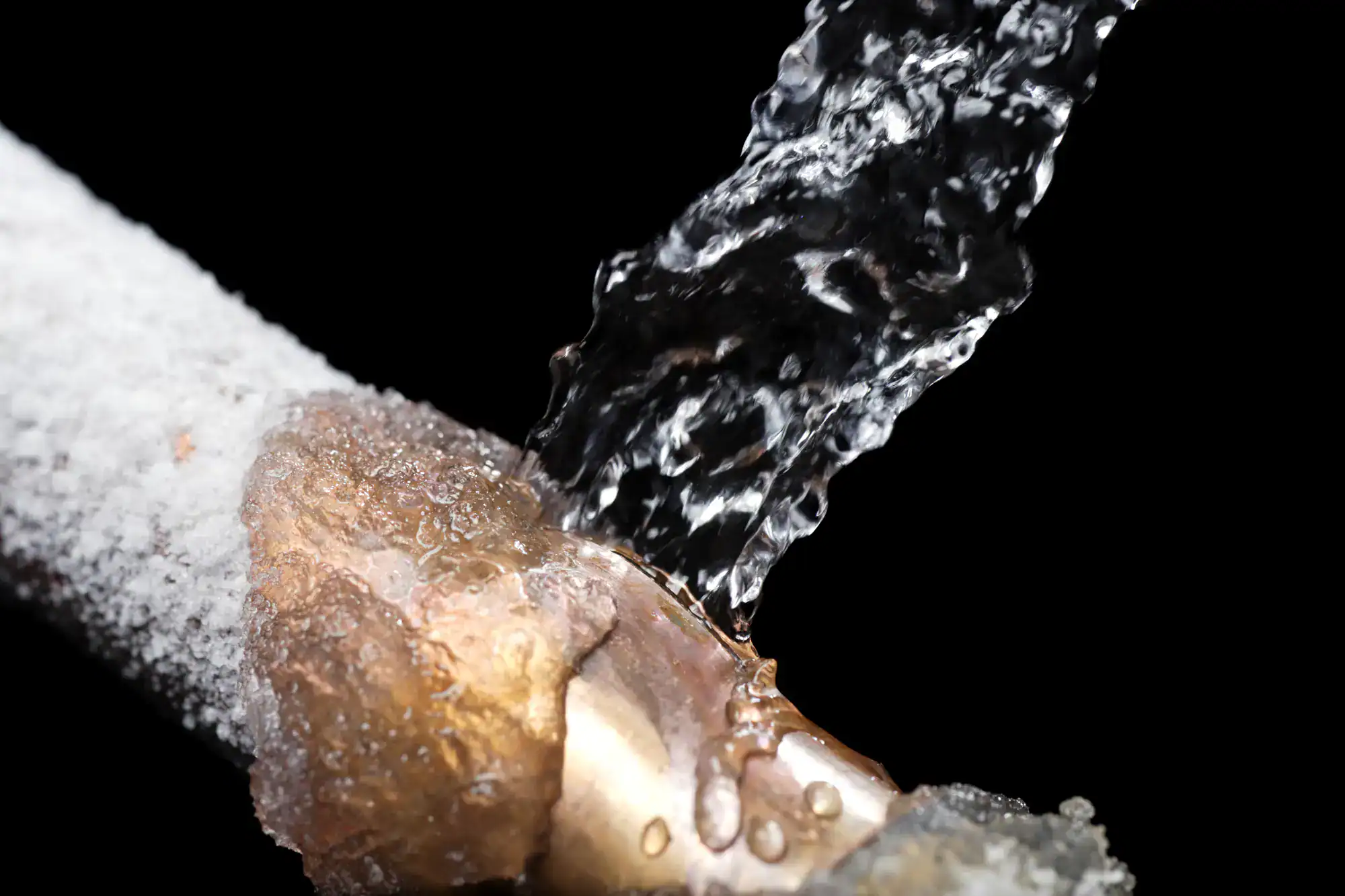
Frozen pipes are blocked by ice but still intact—no water is flowing, but there’s no leak yet. Burst pipes have actually cracked or split open from the pressure of expanding ice, which means water damage once they thaw.
Frozen pipes are the easier fix. We can thaw them safely and get your water running again without major repairs. Burst pipes require replacement of the damaged section plus cleanup of any water damage that’s already occurred.
The tricky part is that you might not know pipes have burst until they start thawing and water begins leaking. That’s why it’s important to have a professional assess the situation rather than just trying to thaw pipes yourself with a hair dryer.
Simple pipe thawing usually runs $150-300, depending on how many pipes are affected and how difficult they are to access. If pipes have burst and need replacement, costs depend on the location and extent of damage—anywhere from $200-800 for typical residential repairs.
We provide upfront pricing before starting any work, so you know exactly what you’re paying. No surprise charges, no hidden fees, no “we found additional problems” upselling after we’re already in your house.
Emergency service calls do include a premium for after-hours, weekend, and holiday availability, but we’re transparent about those costs when you call. You’ll know the total before we start.
You can try gentle methods like opening cabinet doors to let warm air reach pipes or using a hair dryer on low heat, but avoid anything that applies direct heat like blowtorches or space heaters—that’s how pipes actually burst.
The problem with DIY approaches is that you might not realize pipes have already burst until you start thawing them and water starts leaking everywhere. Plus, if pipes are frozen in walls or crawl spaces, you probably can’t reach them safely anyway.
If you’ve got no water to multiple fixtures or the freeze seems extensive, call a professional. The cost of proper repair is almost always less than dealing with water damage from a DIY attempt gone wrong.
Keep cabinet doors open during extreme cold to let warm air circulate around pipes under sinks. Let faucets drip slightly overnight when temperatures drop below 20°F—moving water is much harder to freeze than standing water.
Make sure your home’s heating system is working properly and maintain consistent temperatures, even when you’re away. Pipes in exterior walls, basements, and crawl spaces are most vulnerable, so those areas need extra attention during cold snaps.
If you’ve had frozen pipes before, consider having those problem areas insulated or relocated. It’s cheaper than dealing with the same emergency every winter, and Chicago Ridge winters aren’t getting any warmer.
Turn off your main water supply to prevent flooding if pipes burst while thawing. Then call a professional plumber—don’t wait to see if the problem resolves itself when temperatures rise.
Open all faucets connected to the frozen pipes to relieve pressure and give water somewhere to go once thawing begins. Check for any signs of leaks or water damage around the frozen area.
Don’t use open flames, propane heaters, or other high-heat sources to try thawing pipes yourself. These can damage pipes, create fire hazards, or cause rapid thawing that leads to bursts. Professional thawing equipment does the job safely without creating bigger problems.