
Our Reviews
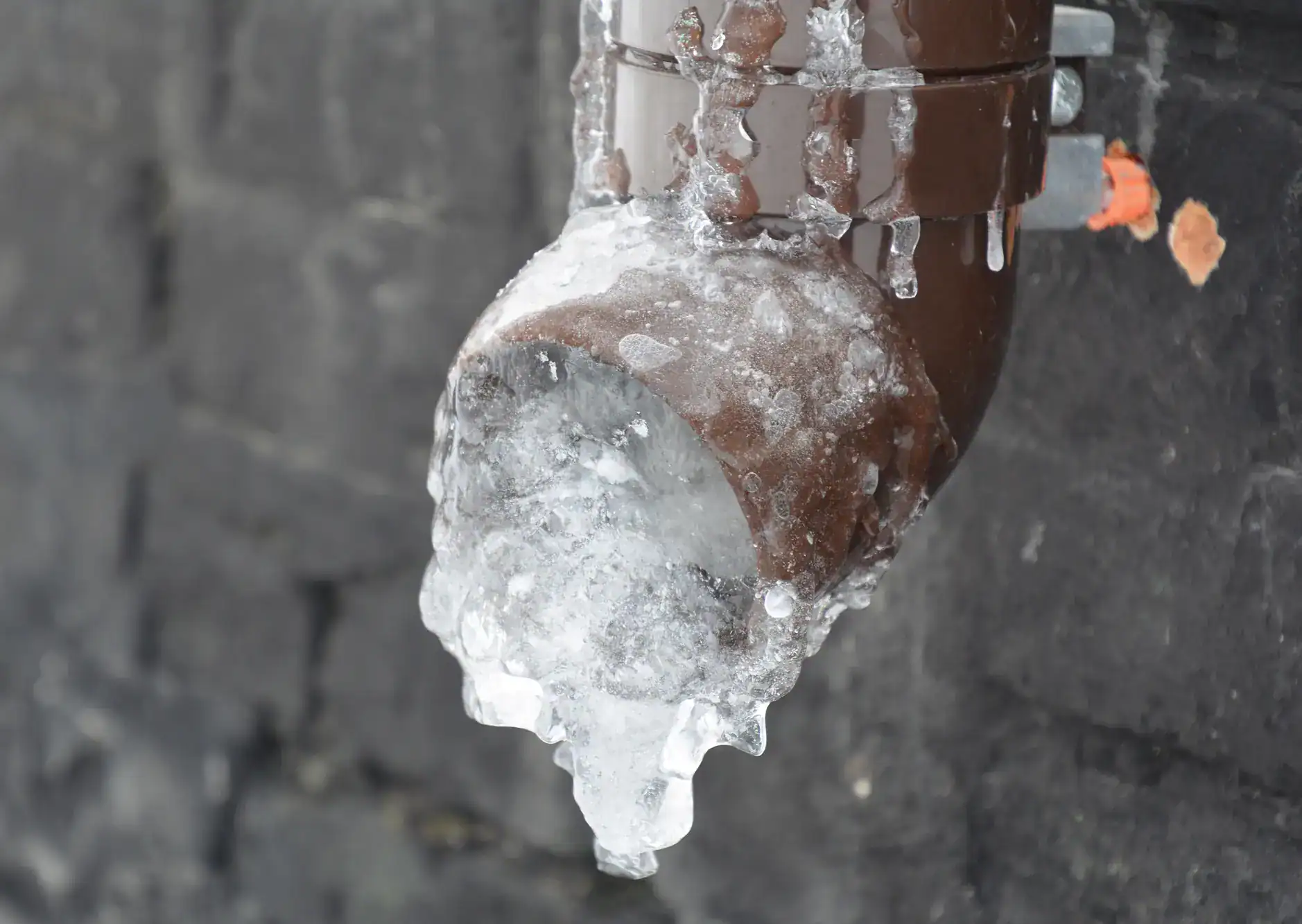
When Evanston’s brutal winters freeze your pipes, every minute without water feels like an eternity. Every minute also increases your risk of catastrophic damage.
Our professional thawing process means you get your water back without the nightmare. No emergency restoration crews tearing up your floors. No insurance adjusters documenting thousands in damage. No weeks of living with industrial fans drying out your home.
You turn on the faucet and water flows. Your morning routine returns to normal. Most importantly, you avoid the $3,000 to $8,000 average cost of water damage restoration that comes when frozen pipes burst and flood your home.
We’ve been handling Evanston’s frozen pipe emergencies since 2000. We understand exactly how this area’s unique climate affects your plumbing.
Evanston’s sandy soils let frost penetrate 5 feet deep compared to 3-4 feet in other Chicago suburbs. The average home age of 74 years means pipes that weren’t designed for today’s temperature extremes. Lake Michigan’s wind chill creates conditions that catch even experienced homeowners off guard.
We’re licensed, bonded, and insured with BBB accreditation since 2021. When your neighbors face plumbing emergencies at 2 AM on a Sunday in January, they call us because they know we answer.

We locate the frozen section using professional diagnostic equipment. No guessing where the problem is while your pipes stay at risk.
Our specialized thawing equipment uses controlled electrical current to gradually warm the pipe from inside out. This method prevents the rapid temperature changes that cause pipes to crack during thawing. Never blowtorches or space heaters that can damage your plumbing or start fires.
We test water flow and inspect for damage as we work. If we find cracks or weak spots, we handle repairs immediately. You don’t discover leaks hours later when you think the problem is solved.
Ready to get started?
Our complete frozen pipe repair includes professional thawing, damage assessment, and immediate repairs if needed. We carry pipe thawing equipment specifically designed for Chicago winters and the replacement materials for common pipe failures.
Evanston properties face specific challenges. Homes near the lake deal with more severe wind chill. Central Evanston’s older homes have pipes running through exterior walls with minimal insulation. Properties where the main line enters through basement areas that struggle to maintain heat above 32 degrees.
We also provide winter preparation guidance specific to your property. Simple steps like keeping cabinet doors open, running faucets at a trickle during extreme cold, and maintaining basement temperatures above 55 degrees can prevent most freezing issues.
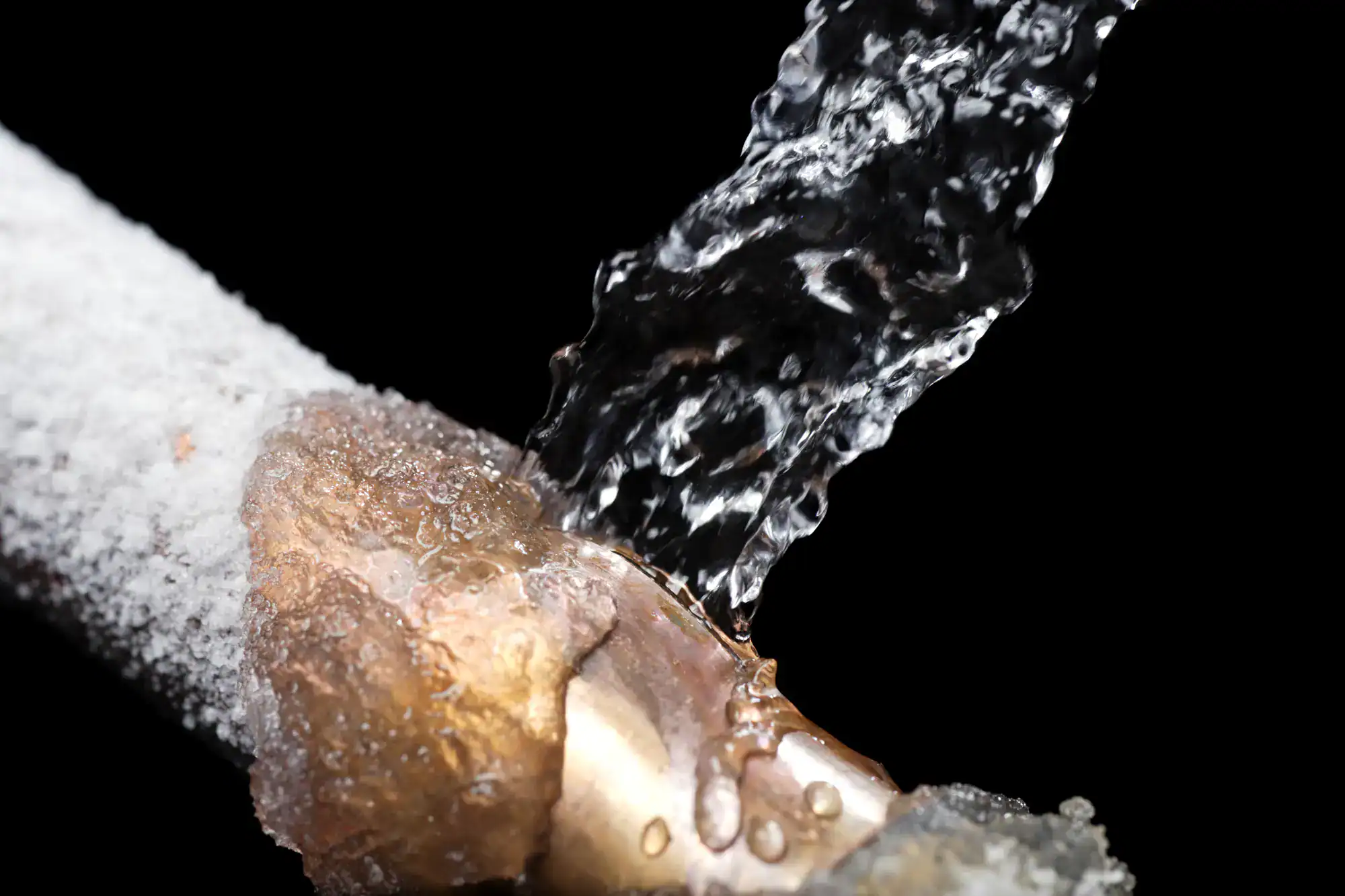
With average winter lows of 21 degrees, pipes can freeze solid in 6-8 hours during cold snaps. Once frozen, ice expansion creates up to 40,000 PSI of pressure inside the pipe.
The danger increases when temperatures fluctuate. Ice thaws slightly, then refreezes, building more pressure each cycle. Eventually something gives way, usually at joints or weak spots in older pipes.
Even a hairline crack releases 250 gallons daily. In Evanston’s older homes, that water often goes unnoticed until it’s soaked through floors, walls, and personal belongings. This is why we recommend immediate professional help when you notice reduced water flow.
Evanston’s sandy soil allows frost to penetrate much deeper than clay soils in other Chicago suburbs. The frost line can reach 5 feet compared to 3-4 feet elsewhere, affecting pipes that would normally be protected.
Lake Michigan creates wind chill factors that drop effective temperatures well below actual air temperature. This affects pipes in exterior walls more severely than inland properties experience.
Most Evanston homes average 74 years old. These properties have pipes in locations and materials that weren’t designed for today’s temperature extremes. Galvanized steel pipes in unheated basements. Copper lines running through exterior walls with minimal insulation.
Hair dryers and space heaters can work for accessible pipes, but this approach carries serious risks. If the pipe already cracked from ice expansion, thawing immediately floods your home.
Our professional equipment lets us monitor for leaks as we thaw. We can shut off water supplies instantly if we detect pipe damage. This prevents flooding while we make repairs.
Never use blowtorches, propane heaters, or open flames. These create fire hazards and cause rapid thawing that leads to immediate bursting. The City of Evanston specifically warns against these dangerous methods in their frozen pipe guidelines.
Professional pipe thawing typically runs a few hundred dollars. Water damage restoration averages $15,000. The math is simple.
Costs depend on pipe location and accessibility. Basement pipes cost less to thaw than those behind walls or under concrete. Emergency service during nights, weekends, and holidays may include additional fees.
We provide upfront pricing before starting work. Most homeowners find professional thawing costs less than their insurance deductible for water damage, making it smart financial protection even with coverage.
Turn on affected faucets slightly to relieve pressure as pipes thaw. Keep them open even if no water flows initially. This prevents pressure buildup that causes bursting.
Locate your main water shut-off valve before you need it. Most Evanston homes have shut-offs near where the water line enters, typically in the basement. Know how to turn it off quickly if you hear pipes bursting.
Call for professional help immediately. Don’t wait to see if the problem resolves itself. We provide 24/7 emergency service because frozen pipes create emergencies at the worst possible times.
Keep your thermostat at 55 degrees minimum, even when away. This is critical in Evanston where temperatures stay below freezing for days at a time.
Open cabinet doors under sinks to circulate warm air around pipes on exterior walls. Let faucets drip during extreme cold – moving water resists freezing much better than standing water.
Insulate pipes in unheated areas like basements and crawl spaces. Seal gaps where pipes enter from outside. Consider professional pipe heating cable installation in vulnerable areas before winter arrives.