
Our Reviews
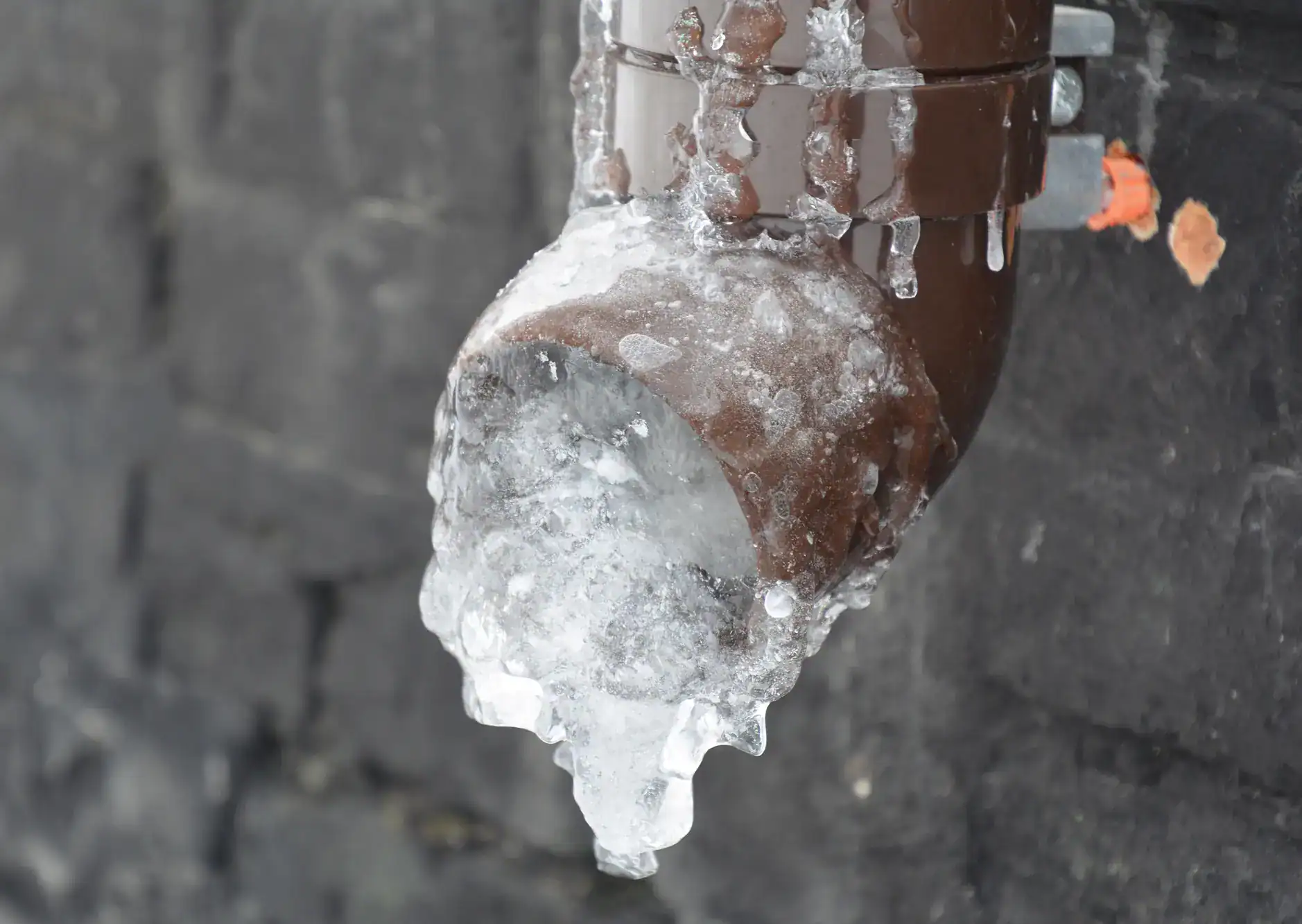
You wake up to frozen pipes and panic sets in. No water, potential flooding, and the clock ticking toward a burst that could cost thousands.
Here’s what happens when you call us instead of trying to fix it yourself. We arrive with professional thawing equipment that safely restores your water flow without the fire hazards of torches or the guesswork of hair dryers. Your pipes get properly thawed, tested for damage, and protected against future freezing.
Within hours, you’re back to normal water pressure and peace of mind. No flooding, no fire risk, no surprise bills later.
All Rooter Hydro Jetting Experts Inc. has been handling Chicago’s brutal winter plumbing challenges for years. We understand what happens when temperatures drop below 20°F for days—and why Glenwood’s mix of older homes and harsh winters creates the perfect storm for frozen pipes.
We’re licensed, bonded, and insured because this work matters. When your pipes freeze at 2 AM and water damage threatens everything you’ve worked for, you need professionals who show up with the right equipment and know-how.
Our technicians live and work in the Chicago area. We’ve seen every type of freeze scenario, from basement pipes in older homes to exposed lines in crawl spaces.

First, we shut off your water supply to prevent flooding if pipes have already burst. This single step can save you thousands in water damage.
Next, our technicians locate the frozen section using professional diagnostic equipment. We don’t guess—we know exactly where the blockage is and how severe the situation has become.
Then comes the safe thawing process. We use controlled heat application with professional-grade equipment, never open flames or risky DIY methods. The ice melts gradually, preventing thermal shock that could crack your pipes.
Finally, we test water pressure and inspect for any damage before restoring full service. If we find cracks or weak spots, we handle repairs immediately rather than leaving you with a ticking time bomb.
Ready to get started?
When you call All Rooter for frozen pipe service, you get comprehensive protection for your Glenwood home. Emergency thawing service available 24/7, because pipes don’t freeze on schedule. Professional pipe repair for burst or damaged lines, using quality materials that handle Chicago winters.
Glenwood homeowners face unique challenges with the area’s mix of older construction and extreme weather. Many homes built decades ago have pipes in vulnerable locations—against exterior walls, in unheated basements, or inadequately insulated crawl spaces.
We also provide preventative services including pipe insulation, heat tape installation, and winterization consultations. After experiencing one frozen pipe emergency, most homeowners want to prevent the next one. Our prevention services help protect your investment year-round.
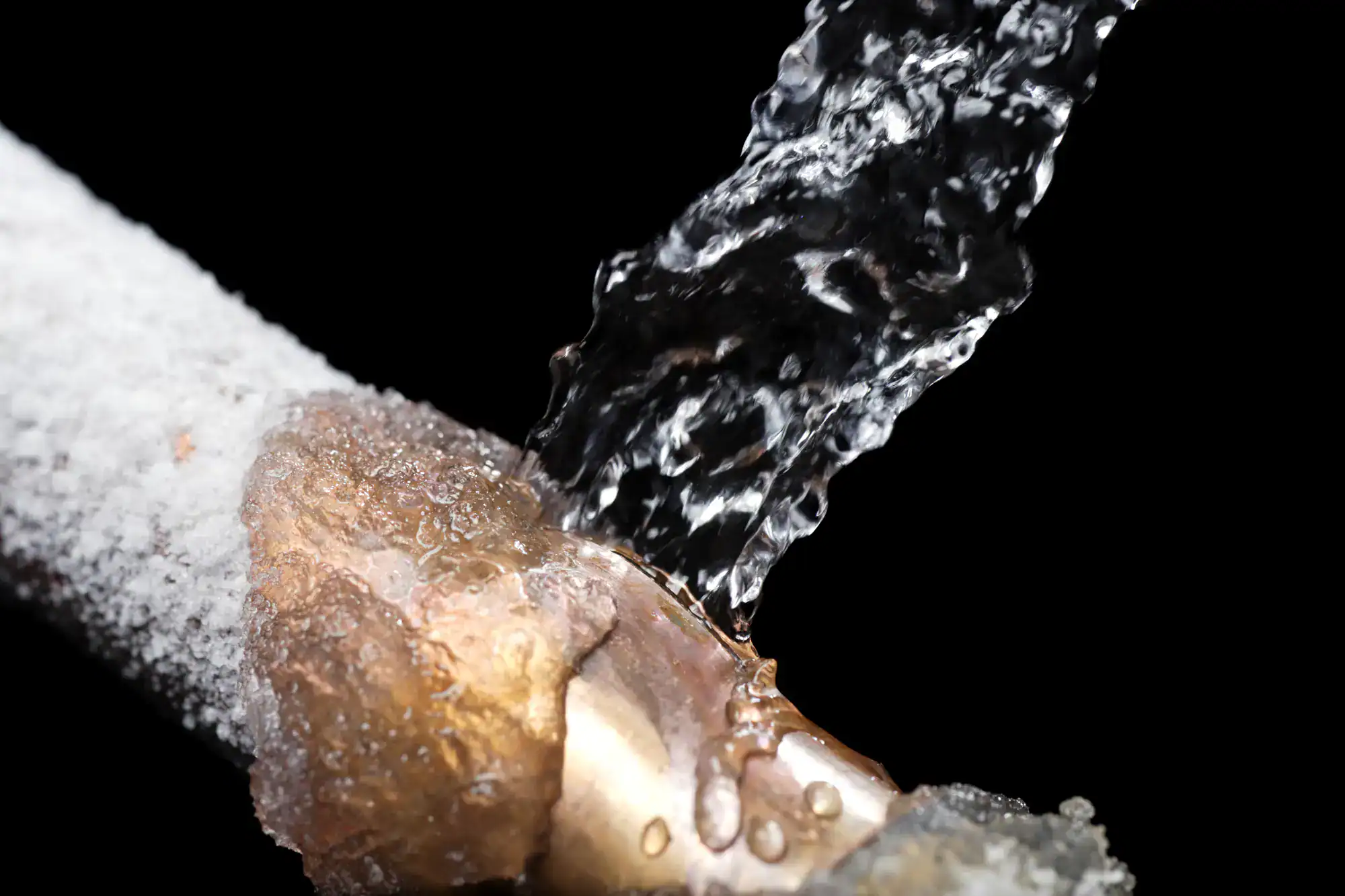
Frozen pipes can burst within 6-8 hours once temperatures drop below 20°F, especially in uninsulated areas. When a pipe bursts, even a small 1/8-inch crack can release over 250 gallons of water per day into your home.
The real damage happens fast. Water spreads through walls, floors, and ceilings, causing structural damage, ruining personal belongings, and creating conditions for mold growth. In Glenwood’s older homes, this can mean damaged hardwood floors, soaked drywall, and compromised electrical systems.
That’s why we offer 24/7 emergency service. The faster we can thaw your pipes professionally, the better chance you have of avoiding catastrophic damage and the massive repair bills that follow.
Hair dryers can work for minor freezing in accessible pipes, but they’re risky and often ineffective for serious blockages. The bigger danger comes when homeowners escalate to space heaters, heat lamps, or worst of all—open flames like torches.
We see house fires every winter from DIY pipe thawing gone wrong. Professional thawing equipment applies controlled, even heat that safely melts ice without creating hot spots that can crack pipes or ignite nearby materials.
If you can see the frozen section and it’s a minor freeze, a hair dryer might help. But if you’re dealing with no water pressure, multiple affected fixtures, or pipes you can’t access, call us. The risk of making things worse isn’t worth the potential savings.
Chicago’s extreme winter temperatures regularly drop below 20°F and stay there for days. Unlike areas with brief cold snaps, our sustained freezing periods give ice time to form completely through pipe sections.
Many Chicago-area homes, including those in Glenwood, were built decades ago when insulation standards were different. Pipes often run along exterior walls, through unheated basements, or in crawl spaces with minimal protection. The combination of old construction and brutal winters creates perfect conditions for freezing.
Wind chill makes it worse. When arctic air hits exposed pipes or poorly insulated areas, the effective temperature can be much lower than the actual air temperature, accelerating the freezing process.
Professional pipe thawing usually costs a few hundred dollars. Burst pipe repairs range from $500-$2,000 depending on location and extent of damage. Water damage from a burst pipe? That’s where costs explode.
A single burst pipe can cause $10,000-$50,000 in damage once you factor in flooring replacement, drywall repair, electrical work, and mold remediation. Insurance covers most water damage, but you’re still dealing with deductibles, displacement, and the hassle of major home repairs.
The math is simple. Spending money on professional thawing and prevention saves you from spending exponentially more on damage repair. Plus, you avoid the disruption of having contractors in your home for weeks while everything gets rebuilt.
Frozen pipes aren’t inevitable, even in Illinois winters. The key is understanding where your vulnerable points are and taking action before temperatures drop.
Pipe insulation in crawl spaces, basements, and along exterior walls makes a huge difference. Heat tape on exposed sections provides extra protection during extreme cold. Keeping cabinet doors open under sinks allows warm air to circulate around pipes.
During severe cold snaps, letting faucets drip slightly keeps water moving through the system. Moving water is much harder to freeze than standing water. We also recommend keeping your thermostat consistent day and night rather than lowering it when you’re asleep or away.
First, don’t panic, but do act quickly. Turn off your main water supply to prevent flooding if pipes have already burst. This valve is usually located near where the water line enters your home or at the water meter.
Open the affected faucets to relieve pressure in the system. Even if no water comes out, this helps when the thawing process begins. Check other faucets in your home—if one pipe is frozen, others probably are too.
Call us immediately for professional service. Don’t attempt thawing with open flames, space heaters near combustible materials, or any method that could cause fire or electrical hazards. The few hundred dollars you might save attempting DIY repair isn’t worth the risk of making a bad situation catastrophically worse.