
Our Reviews
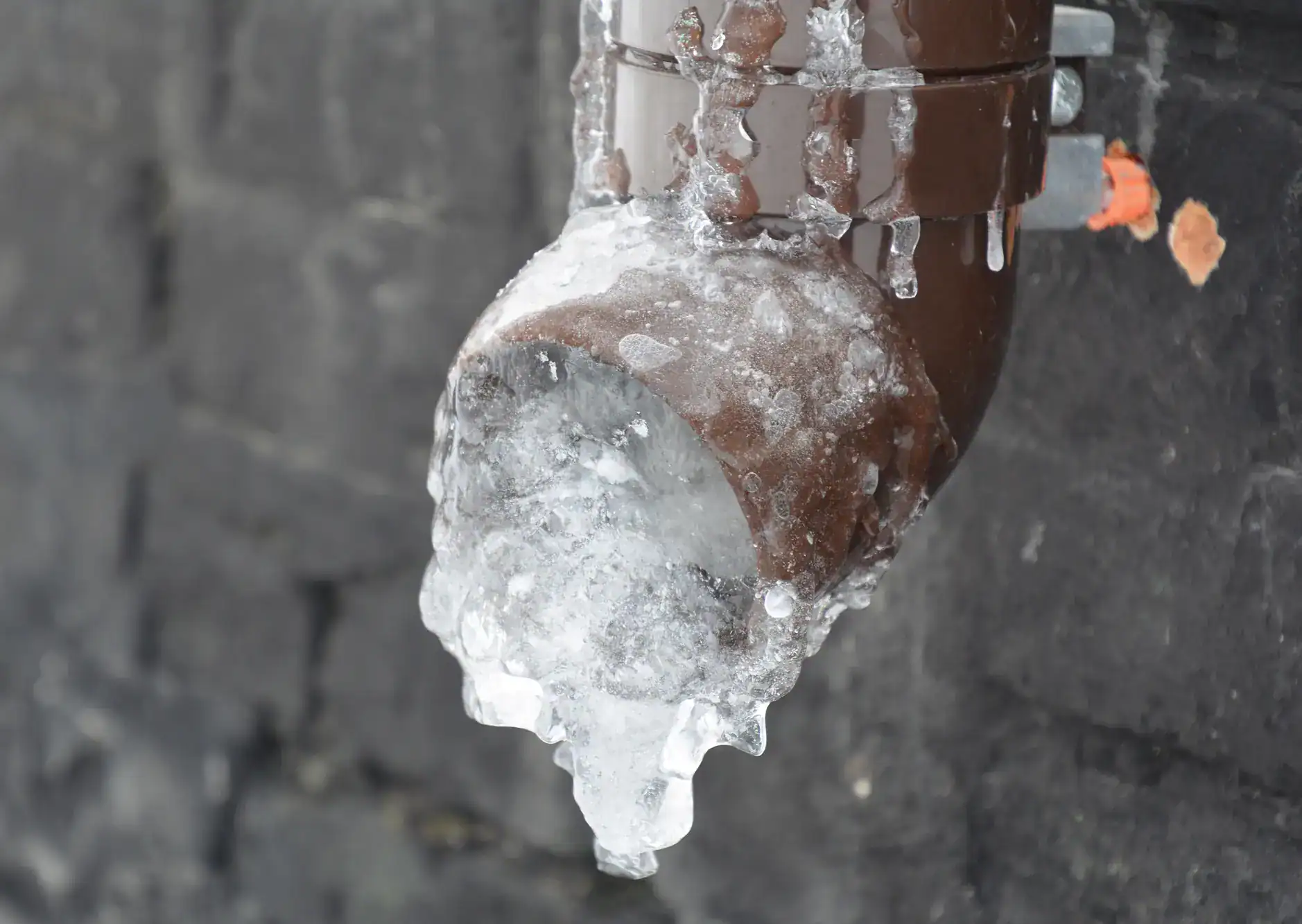
When your pipes freeze in Homewood’s brutal winters, every minute brings you closer to burst pipes and thousands in water damage. You need your water back fast, without the mess or massive repair bills.
Our emergency frozen pipe repair team arrives equipped with professional thawing equipment designed for Illinois winters. We locate frozen sections quickly, apply controlled heat safely, and restore flow before small problems turn into expensive disasters.
You avoid flooded basements, damaged ceilings, and weeks of contractors tramping through your home. Your pipes work, your water flows, and your family stays comfortable even when Homewood temperatures hit rock bottom.
All Rooter Hydro Jetting Experts Inc has served Homewood and the greater Chicago area through countless brutal winters. We’re licensed, bonded, and insured – the basics you expect from any plumber worth calling.
What sets us apart is understanding Homewood specifically. We know the older homes along Ridge Road with their unique plumbing configurations. We understand how the area’s historic architecture creates cold spots where pipes freeze first.
When your pipes freeze at 2 AM on a Sunday in January, you’re not getting an answering service or a callback tomorrow. You’re getting our emergency response team, because frozen pipes don’t care about business hours.

We start by locating exactly where ice has formed using professional detection equipment. No trial and error – we find the problem fast and assess any existing damage before it gets worse.
Next comes controlled thawing using methods specific to your pipe material. Copper pipes need different treatment than PVC or older galvanized steel. We use the right approach to thaw safely without creating cracks or weak spots.
If pipes have already burst, we replace damaged sections immediately and pressure-test connected lines for hidden problems. You get a complete fix, not a patch job that fails when temperatures drop again next week.
Ready to get started?
Our frozen pipe service covers immediate emergency response, professional pipe thawing, burst pipe repair, and prevention recommendations. One call handles your current crisis and helps prevent the next one.
In Homewood, we see frozen pipes most often in homes with unheated basements, pipes running along north-facing exterior walls, and older properties with insufficient insulation. These aren’t random occurrences – they’re predictable problems with proven solutions.
We provide upfront pricing before starting any work. No surprise charges when you’re already dealing with a plumbing emergency and potential water damage. You know exactly what you’re paying before we touch your pipes.
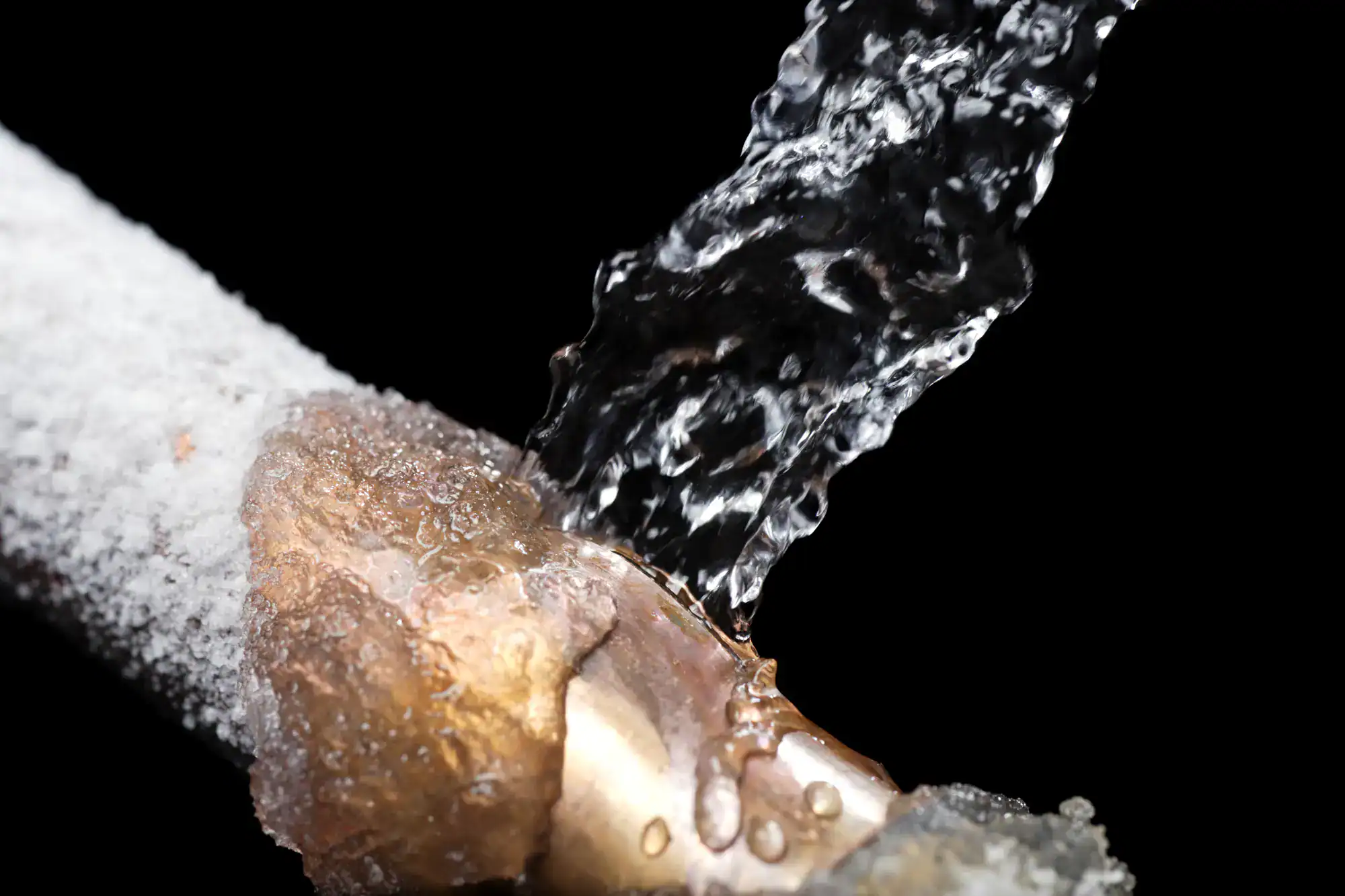
We provide 24/7 emergency response throughout Homewood and typically arrive within an hour, depending on weather conditions and current emergency volume. Our trucks stay fully equipped with thawing equipment, replacement pipes, and repair tools.
Most frozen pipe situations get resolved within 2-3 hours from arrival. Burst pipe repairs take longer depending on damage extent and pipe location, but we work efficiently to minimize disruption to your home and family.
During severe cold snaps, response times may extend slightly due to high demand, but we prioritize emergencies with active water damage or complete water loss.
Location makes a huge difference. Pipes in unheated basements, crawl spaces, and along exterior walls freeze first when temperatures drop below 32°F. Homewood’s older homes often have pipes in vulnerable locations that weren’t problems when heating was cheaper.
Quick temperature drops, poor insulation, and thermostats set too low create perfect conditions for frozen pipes. Homes built before modern insulation standards face higher risk, especially those with pipes running through unheated garages or near exterior walls.
Even well-insulated homes experience frozen pipes during extended cold periods or power outages that knock out heating systems. It’s not always about old houses – it’s about pipe placement and protection.
Call us immediately if you suspect frozen pipes. DIY thawing attempts often cause more damage than the original freeze, especially when people use space heaters, hair dryers near water, or dangerous open flames.
Professional thawing equipment applies controlled, even heat without risk of cracking pipes or starting fires. We also inspect for damage that isn’t visible – hairline cracks that become major bursts when water pressure returns.
If you must do something while waiting, turn off your main water valve and keep affected faucets open. This prevents additional damage if pipes burst during thawing, but don’t attempt heating frozen pipes yourself.
Simple pipe thawing typically costs much less than burst pipe repairs requiring section replacement and water damage cleanup. Costs vary based on pipe location, freezing extent, and accessibility.
We provide exact pricing upfront before starting work – no estimates that balloon into surprise bills. We also offer interest-free payment plans for emergency repairs, because frozen pipes don’t wait for convenient financial timing.
Consider this: the average insurance claim for frozen pipe water damage runs about $15,000. Professional thawing and prevention costs a fraction of dealing with burst pipes, flooded basements, and structural damage.
Turn off your main water valve immediately to prevent flooding if pipes burst during thawing. Keep affected faucets open to relieve pressure as ice melts and water begins flowing.
Never use open flames, blowtorches, or space heaters near pipes. These cause house fires and crack pipes from rapid temperature changes. Don’t use electrical appliances like hair dryers if there’s any standing water present.
Call us immediately for professional assessment. Even if water starts flowing again, hidden damage often exists that leads to sudden bursts days or weeks later. Better to confirm everything’s safe than deal with emergency water damage.
Keep your thermostat at 55°F minimum even when away, and maintain consistent temperatures day and night. Open cabinet doors under sinks to circulate warm air around pipes, especially those against exterior walls.
Let faucets drip slightly during extreme cold – even a trickle keeps water moving and resists freezing. Disconnect and store garden hoses before winter, and shut off outdoor water supplies completely.
Insulate pipes in unheated spaces like basements, crawl spaces, and garages. We recommend professional inspection before winter to identify vulnerable pipes and install insulation or heat tape where needed. Prevention costs far less than emergency repairs.