
Our Reviews
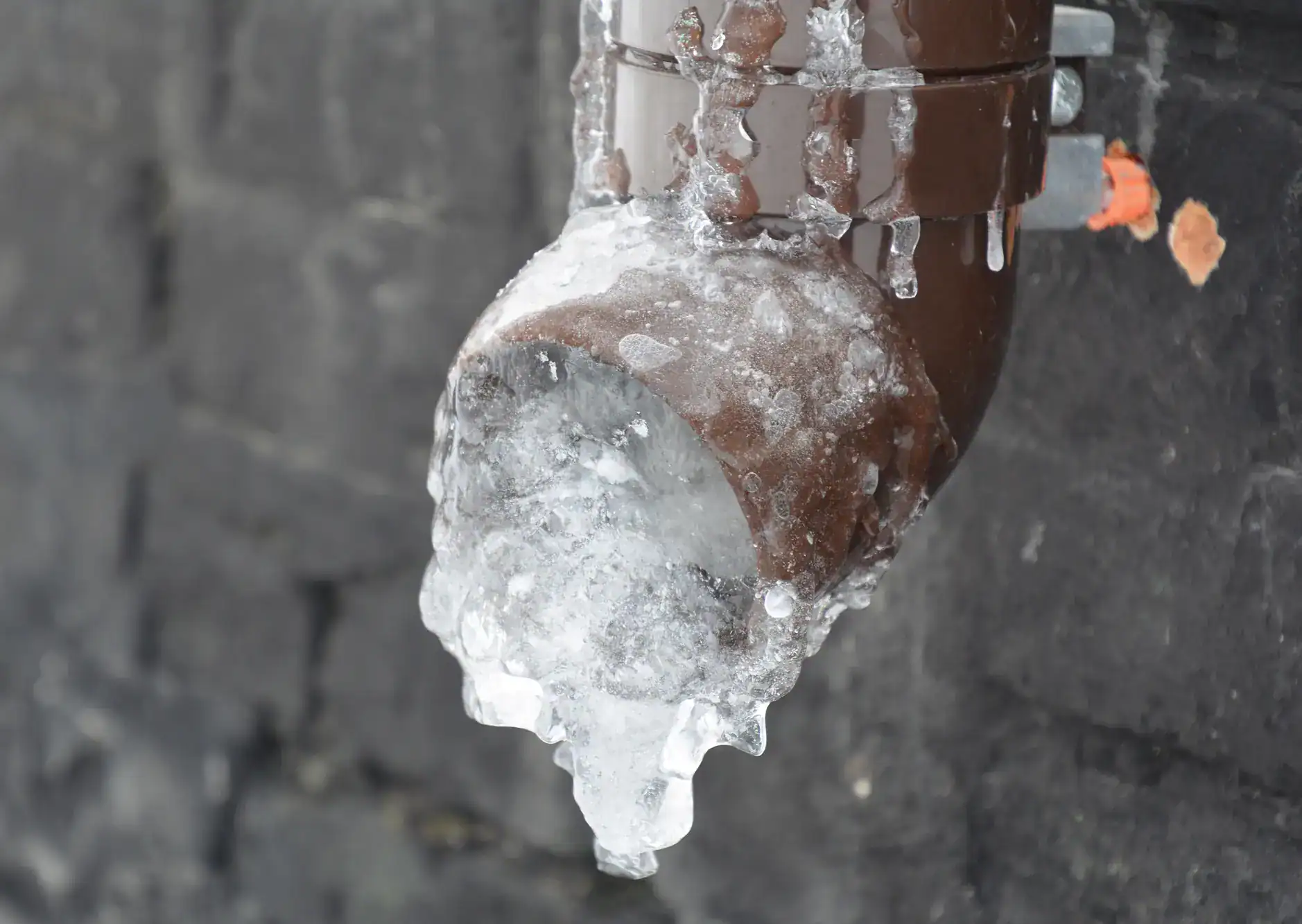
Turn the faucet and get nothing but a trickle? That’s a frozen pipe emergency waiting to explode. We restore your water flow before that hairline crack becomes 250 gallons flooding your basement every single day.
You’ll have hot showers tomorrow morning. Your kitchen sink works again. Most importantly, you skip the $15,000 average water damage nightmare that comes with burst pipes.
We don’t just melt the ice and disappear. We find out why your pipes froze and fix the real problem so this doesn’t happen again when the next cold snap hits Indian Hill, IL.
All Rooter Hydro Jetting Experts Inc. serves the Chicagoland area with reliable plumbing solutions. We know exactly what Illinois winters do to pipes in Indian Hill, IL. We’re licensed, bonded, and insured professionals who arrive with real equipment, not improvised fixes.
Indian Hill, IL residents deal with the same brutal conditions that plague the entire Chicago region. Six hours below 32 degrees and your pipes are in danger. We’ve thawed pipes in crawl spaces, along exterior walls, and in every unheated space you can imagine.
Our team brings professional pipe-thawing equipment designed for safe, effective results. We understand which pipes fail first in your area and how to bulletproof them against future freezing.

First step: we shut off your main water supply. This prevents flooding if there’s already a crack hiding behind the ice. One simple action that can save you thousands.
We locate the frozen section with professional detection equipment. No guessing games or dangerous shortcuts with open flames that can wreck your pipes.
Our specialized thawing equipment gradually restores flow without shocking your pipes with extreme temperature changes. This isn’t a hair dryer and prayer method – it’s controlled heating that protects your system. Water starts flowing, we inspect for freeze damage, and repair anything that needs fixing right then.
Finally, we identify what caused the freeze and give you a real prevention plan. Better insulation, strategic pipe relocation, whatever it takes to keep this from happening again in Indian Hill, IL.
Ready to get started?
Our frozen pipe service covers professional thawing, burst pipe repair, and prevention strategies. We handle every pipe material in Indian Hill, IL homes – copper, PVC, galvanized steel, cast iron, you name it.
Illinois winters are particularly brutal on plumbing. Lake Michigan wind chill, sustained sub-freezing temperatures, and sudden drops create perfect storm conditions for pipe failures. Most emergencies happen in pipes along exterior walls, unheated crawl spaces, or poorly insulated attics.
We arrive with fully equipped trucks ready to work. Most repairs finish within hours because frozen pipes can’t wait for convenient scheduling. 24/7 emergency service with upfront pricing, no hidden fees, and the backing of licensed, insured professionals who guarantee results.
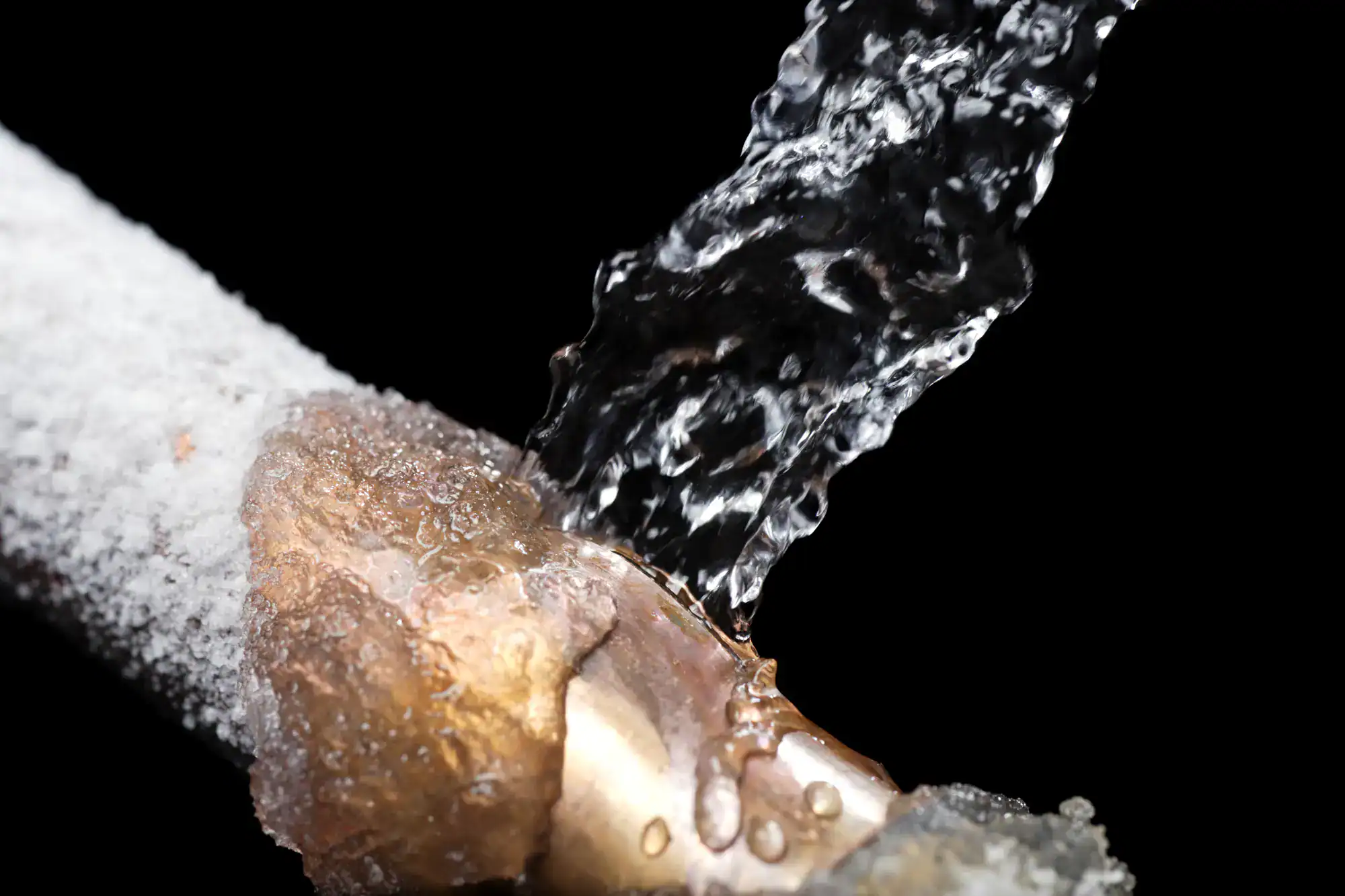
Pipes can freeze and burst in just six to eight hours once temperatures hit 32 degrees. In Indian Hill, IL’s harsh winters, where temps regularly drop into the 20s or below, that timeline shrinks fast.
The burst doesn’t always happen where you’d expect. Water freezes and expands, creating massive pressure – up to 40,000 psi inside your pipes. That pressure often causes cracks downstream from the frozen section, where there’s less ice to absorb the force.
The moment you notice weak water flow or no water at all, you’re already in the danger zone. A burst pipe can dump 250 gallons daily into your home, turning a minor inconvenience into a major disaster.
Professional pipe thawing runs $200-$500. Burst pipe water damage averages $15,000 in insurance claims. The choice is pretty clear.
Burst pipes don’t just mean pipe repair costs. You’re looking at flooded basements, destroyed flooring, ruined furniture, potential mold problems, and sometimes major structural work. A tiny 1/8-inch crack releases 250 gallons of water every day it goes unfixed.
Insurance usually covers burst pipe damage, but you’ll still pay deductibles, deal with rate increases, and live through weeks of restoration chaos. Professional thawing gets your water running again in hours and prevents all that headache.
Exterior wall pipes are your biggest threat – especially under kitchen sinks or bathroom vanities against outside walls. These pipes have minimal insulation between them and freezing outdoor temperatures.
Unheated spaces like crawl spaces, attics, and garages are disaster zones for pipes. Any plumbing running through these areas becomes extremely vulnerable during Illinois winters. Basement pipes near foundation walls also freeze when air leaks or poor insulation let cold penetrate.
Pipes that froze before will freeze again unless you fix the root cause. We consistently find repeat freeze locations where insulation is inadequate, air leaks exist, or heat circulation is poor.
That hair dryer approach might seem harmless, but it’s risky. If your pipe already cracked from freezing, DIY thawing could trigger an immediate burst and flood your home.
Never use open flames, torches, or high-heat sources. These create fire hazards, damage pipes, and cause rapid expansion that leads to bursting. Even “safe” methods like hair dryers can cause problems if hairline cracks already exist.
Smart move: shut off your main water supply immediately and call professionals with proper equipment. We can safely restore flow while checking for freeze damage you can’t see, preventing unpleasant surprises later.
Real prevention starts with understanding why your specific pipes froze. Common culprits include poor insulation around pipes, air leaks letting cold reach plumbing, and pipes in unheated areas without protection.
Effective solutions include insulating vulnerable pipes, sealing air leaks around pipe penetrations, and sometimes relocating pipes away from exterior walls. For pipes that can’t be moved, thermostat-controlled heat cables provide targeted protection during extreme cold.
Simple maintenance helps too: let faucets drip during severe weather, keep cabinet doors open for warm air circulation, and maintain steady indoor temperatures. The key is addressing your home’s specific vulnerabilities, not hoping generic advice works.
Find your main water shutoff valve and turn it off immediately. This prevents flooding if the pipe already cracked or bursts while you’re handling the situation. Make sure everyone in your household knows where this valve is and how to use it.
Open the faucets connected to frozen pipes and leave them open. This relieves system pressure and allows water to flow once thawing starts. Don’t close these faucets until normal flow returns.
Call us right away instead of attempting fixes yourself. While waiting, open cabinet doors under sinks to improve warm air circulation, but avoid using heat sources like hair dryers or space heaters near pipes. These can cause rapid expansion and bursting if damage already exists.