
Our Reviews
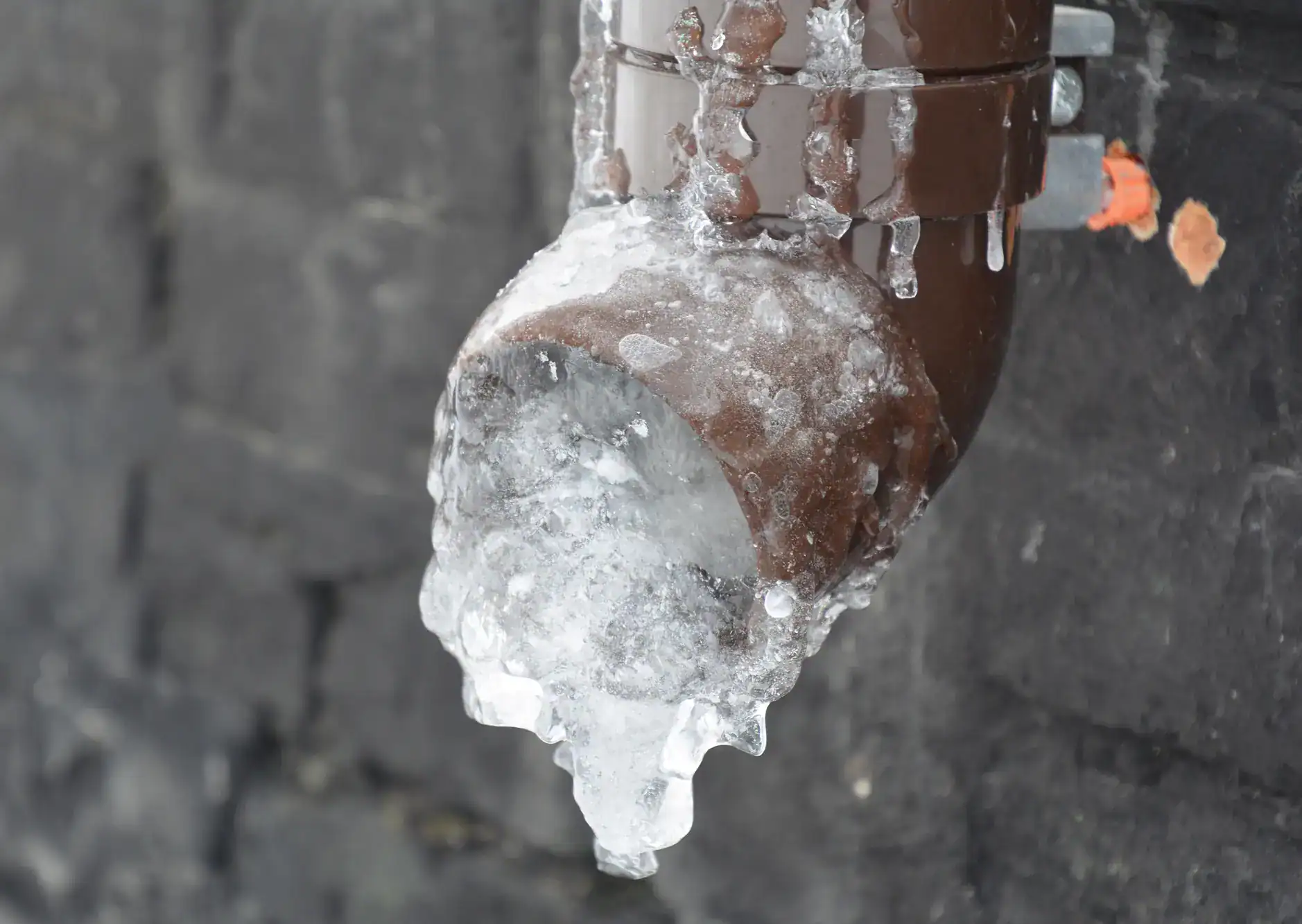
When your pipes freeze in Inverness, you’re looking at potential disaster. A single crack can release hundreds of gallons of water into your home, damaging floors, walls, and everything you care about.
That’s where professional pipe thawing makes the difference. Instead of waiting for a catastrophic burst, we safely restore water flow using specialized equipment designed for Illinois winters.
You get your water back without the cleanup, insurance claims, or thousands in property damage. Your home stays dry, your belongings stay safe, and you avoid the headache that comes with burst pipe emergencies.
All Rooter Hydro Jetting Experts Inc. has been serving the Chicago area for years, and we understand exactly what Inverness homeowners face when temperatures drop. We’re not some distant company trying to figure out your local plumbing challenges.
We know how older homes in established Inverness neighborhoods handle freezing weather. We understand the pipe materials common in your area and the specific vulnerabilities that come with Illinois winter conditions.
Every truck is fully stocked with professional-grade thawing equipment, and our licensed plumbers respond fast because we know frozen pipes don’t wait for convenient timing.

First, we locate the frozen section using professional diagnostic tools. No guesswork, no trial and error that wastes your time while water pressure builds.
Next, we apply controlled heat using specialized thawing equipment designed specifically for this work. This isn’t a hair dryer approach – we use professional-grade tools that safely restore flow without damaging your pipes.
Throughout the process, we monitor pressure and flow to ensure everything returns to normal operation. We also check for any damage that might have occurred before the freeze became complete, catching potential problems before they become expensive emergencies.
Ready to get started?
Our service covers everything from emergency thawing to burst pipe repair when prevention wasn’t possible. You get upfront pricing before any work begins, so there are no surprises when you’re already dealing with a plumbing emergency.
In Inverness, we see frozen pipes most commonly in older homes with inadequate insulation around exterior walls and crawl spaces. The combination of Illinois wind patterns and temperature drops creates specific vulnerable points that we know how to address.
We also provide guidance on preventing future freezes, including insulation recommendations and maintenance tips specific to your home’s plumbing layout. This isn’t just about fixing today’s problem – it’s about preventing next winter’s emergency calls.
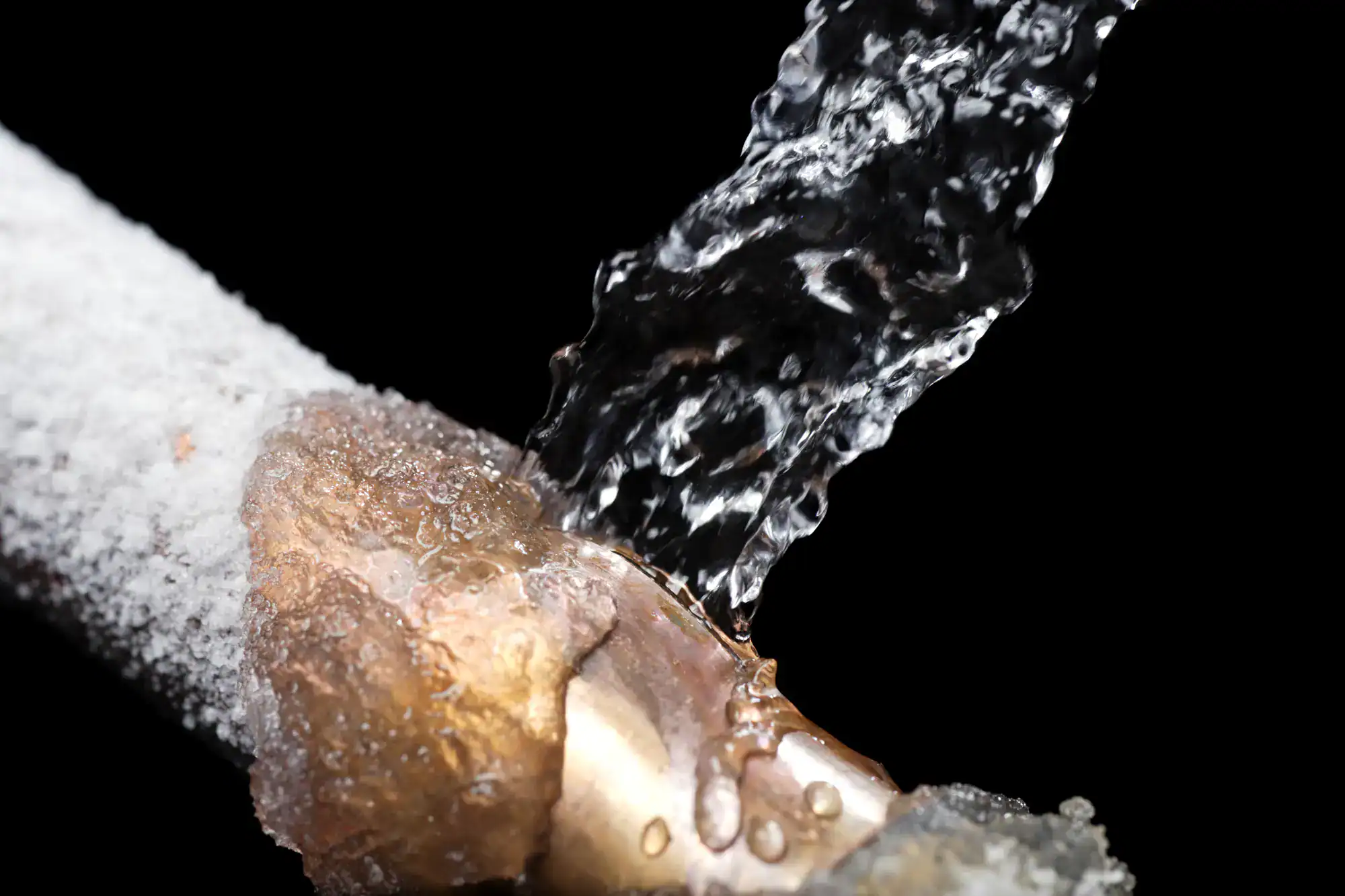
We provide same-day emergency service and can often respond within a few hours of your call. For true emergencies like burst pipes causing active water damage, we prioritize these calls and aim to have a licensed plumber on-site as quickly as possible.
We understand that frozen pipes don’t follow business hours, which is why we maintain availability for urgent situations that can’t wait until the next business day. Our trucks are fully stocked with professional thawing equipment, so we can start work immediately upon arrival.
Time matters with frozen pipes because the longer water remains frozen, the more pressure builds in your system. Quick response prevents minor freezing from becoming major pipe bursts.
Professional pipe thawing uses specialized equipment designed specifically for this work, while DIY methods often involve hair dryers, space heaters, or other improvised solutions that can actually cause more damage.
We use controlled heat application that safely restores flow without creating hot spots that can damage pipes or create dangerous conditions. Our equipment monitors temperature and pressure throughout the process, ensuring everything returns to normal operation safely.
DIY attempts also miss the diagnostic aspect – we locate exactly where the freeze occurred and check for any damage that might have happened before the blockage became complete. This prevents future problems that homeowners often discover weeks later when small cracks become major leaks.
Most homeowners insurance policies cover water damage from burst pipes if the incident is deemed “sudden and accidental” and you’ve taken reasonable precautions to prevent freezing. However, coverage can be denied if insurers determine you neglected basic preventive measures.
Policies typically require homeowners to maintain minimum temperatures or shut off water supply if the home is vacant. If you turned off heat while away and pipes froze, your claim might not be covered.
The key is acting quickly when you suspect frozen pipes. Professional inspection and thawing can prevent the burst that leads to expensive water damage claims. It’s much less costly to address frozen pipes immediately than to deal with insurance claims, water damage cleanup, and potential coverage disputes later.
Reduced water flow or pressure is often the first sign, especially from faucets on exterior walls or in unheated areas like basements and crawl spaces. You might also notice unusual noises like gurgling or banging sounds when you turn on taps.
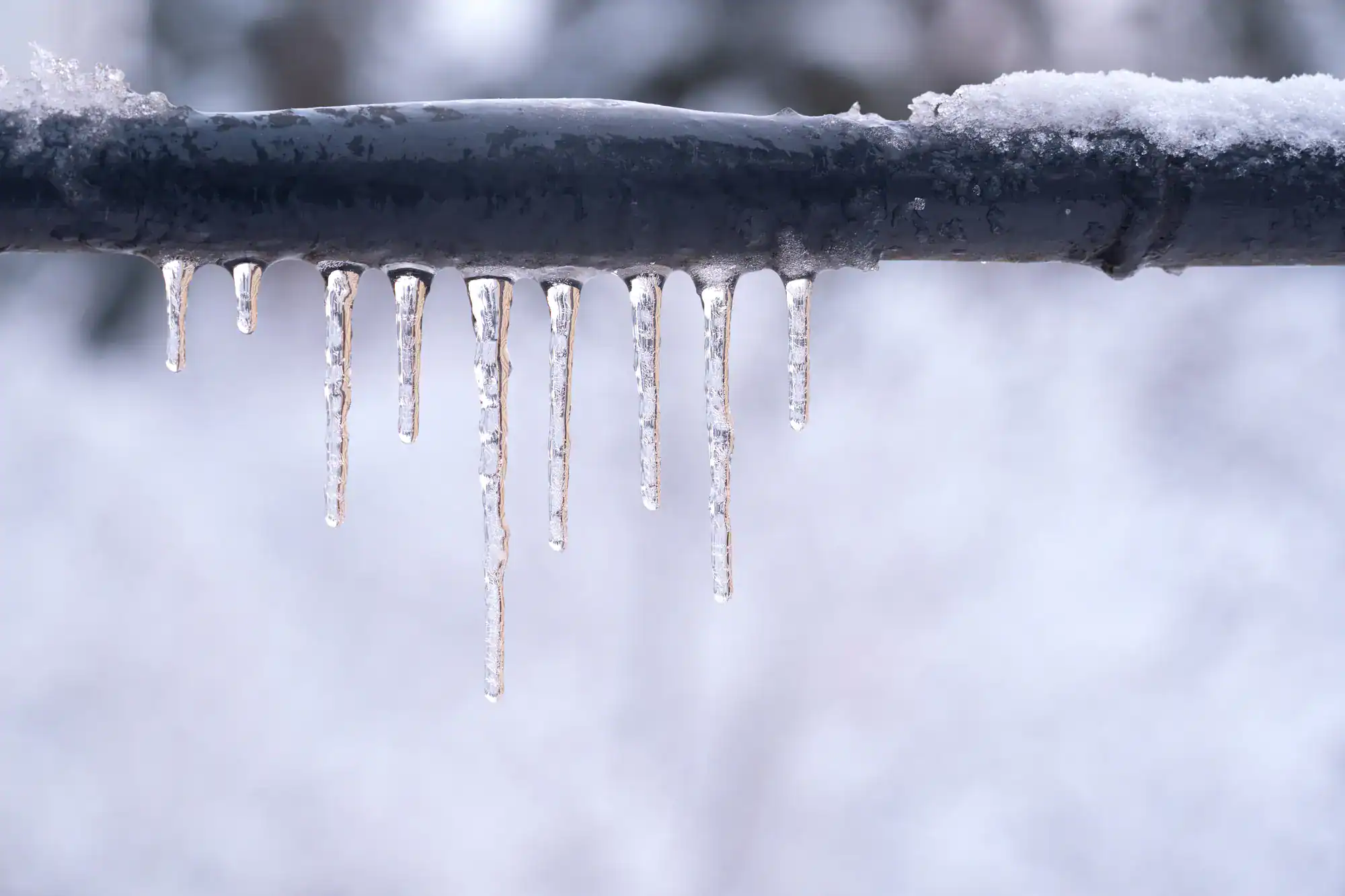
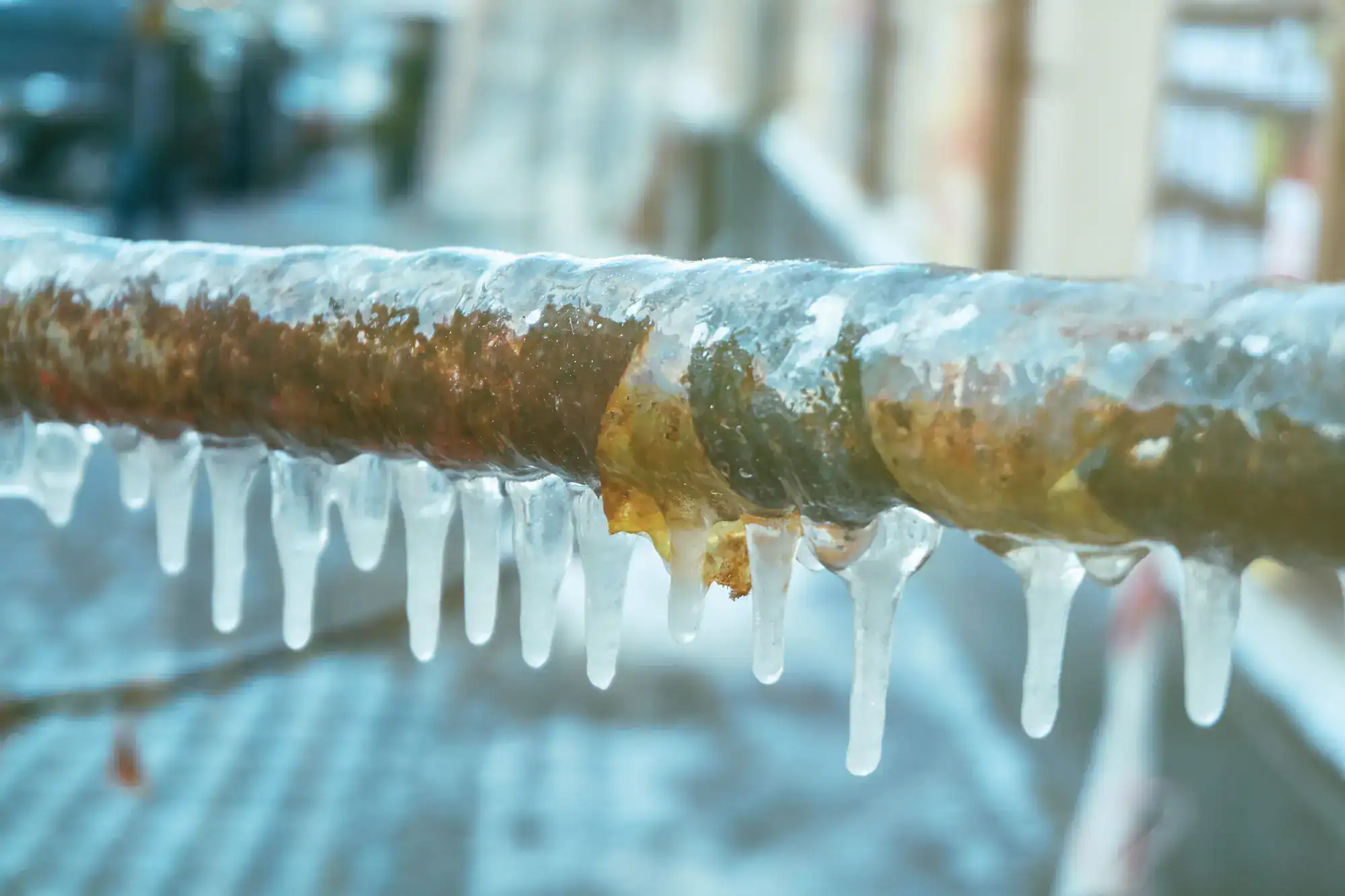
No water at all from specific faucets is a clear indicator that freezing has progressed to complete blockage. You might also see frost formation on exposed pipes, bulging sections, or visible cracks in pipe materials.
Strange smells can also indicate problems – if water has been sitting stagnant due to freezing, you might notice odors when flow begins to return. The important thing is not to ignore these early warning signs, because frozen pipes rarely resolve themselves and usually get worse without professional intervention.
Yes, we provide specific recommendations based on your home’s plumbing layout and the areas where we find freezing problems. This includes insulation improvements, pipe rerouting if necessary, and maintenance tips for extreme weather conditions.
For Inverness homes, we often recommend insulating pipes in crawl spaces, around exterior walls, and in unheated areas like garages. We can also install pipe heating cables in particularly vulnerable sections.
We’ll also show you how to properly maintain water flow during extreme cold snaps and identify shut-off valves in case preventive measures aren’t enough. The goal is to give you the knowledge and improvements needed to avoid emergency calls next winter while keeping your home’s plumbing system reliable year-round.
First, turn off your main water supply to prevent pressure buildup that can cause pipes to burst while you’re waiting for professional help. Then open faucets to relieve any existing pressure in the system.
Don’t attempt to thaw pipes yourself using open flames, blowtorches, or high-heat devices – these can damage pipes or create dangerous conditions. Gentle heat like hair dryers can be used on accessible pipes, but professional equipment works much more effectively and safely.
Call for professional service immediately, even if you think you can handle it yourself. Frozen pipes often have damage that isn’t immediately apparent, and professional assessment can prevent small problems from becoming major emergencies. We can usually respond the same day and have the specialized tools needed to restore your water service safely.