
Our Reviews
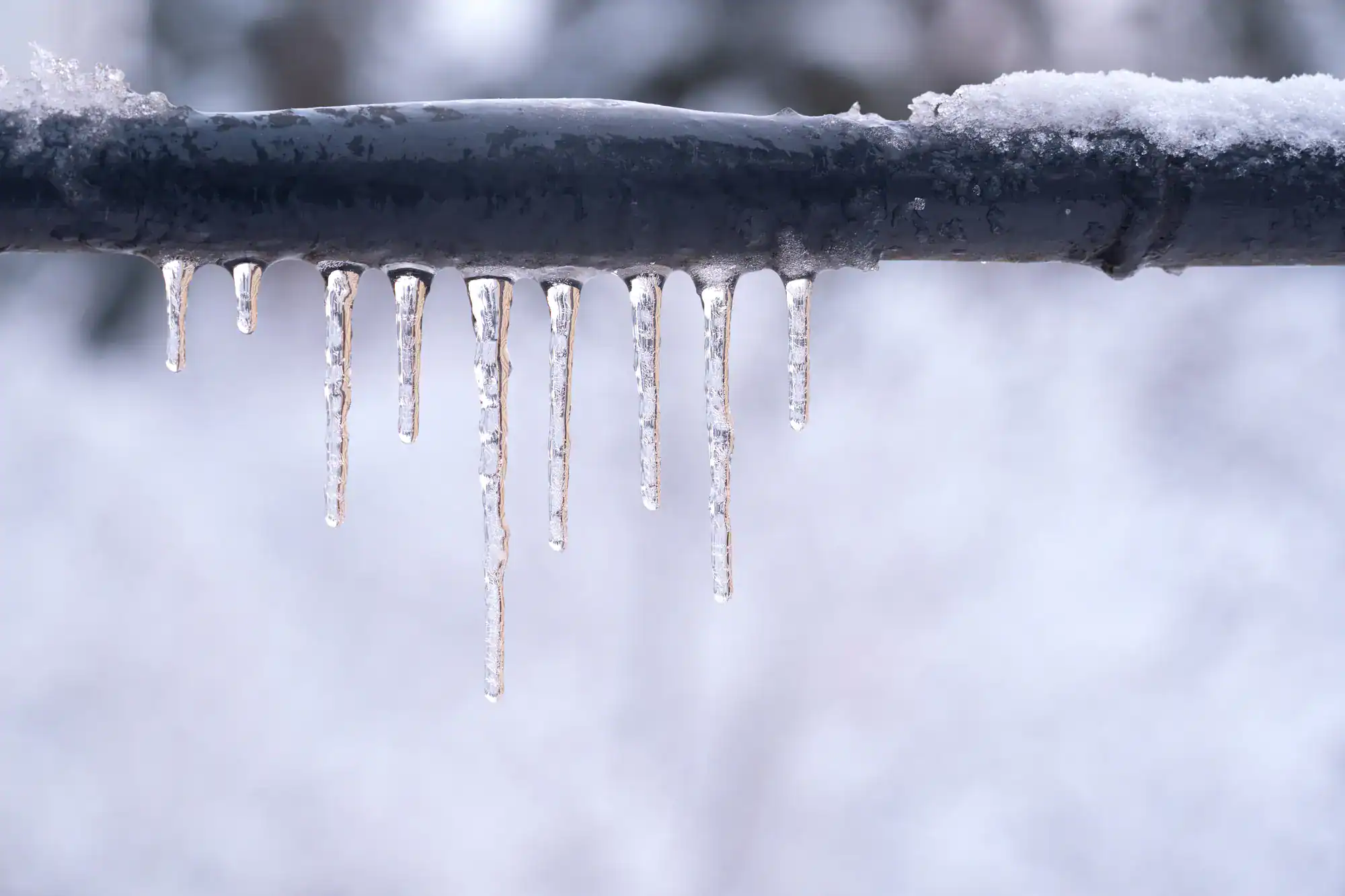
You turn the faucet and nothing happens. Or worse, you hear that telltale drip behind the wall. When Jefferson Park temperatures plummet, your pipes are under siege.
Here’s what happens when we handle your frozen pipe emergency: Your water starts flowing again within hours, not days. No flooded basement. No warped floors. No insurance headaches. Just professional pipe thawing that gets your life back to normal.
We use advanced thawing equipment designed specifically for Chicago’s brutal winters. While other companies might leave you waiting, we respond fast because we know every minute counts when pipes are frozen.
All Rooter Hydro Jetting Experts Inc has been serving Jefferson Park and the greater Chicago area through countless harsh winters. We’re not just another plumbing company – we’re your neighbors who understand exactly what Chicago’s extreme weather does to your plumbing.
Our team is licensed, bonded, and insured, with the experience to handle everything from simple frozen faucets to complex burst pipe repairs. We’ve seen it all in Jefferson Park’s older homes and newer constructions alike.
What sets us apart is our commitment to transparent pricing and 24/7 emergency service. When your pipes freeze at 2 AM on a Sunday, we’re the team that answers the phone and shows up ready to work.

First, we locate the frozen section using professional diagnostic equipment. No guesswork, no unnecessary wall damage. We pinpoint exactly where the ice has formed and assess whether the pipe has already burst.
Next, we apply controlled heat using specialized thawing equipment. This isn’t a hair dryer approach – we use professional-grade tools that safely restore flow without damaging your pipes or creating dangerous conditions in your home.
Finally, we test the entire system to ensure proper water pressure and check for any damage that occurred during the freeze. If we find cracks or splits, we handle the repairs immediately so you don’t face the same problem again next week.
Ready to get started?
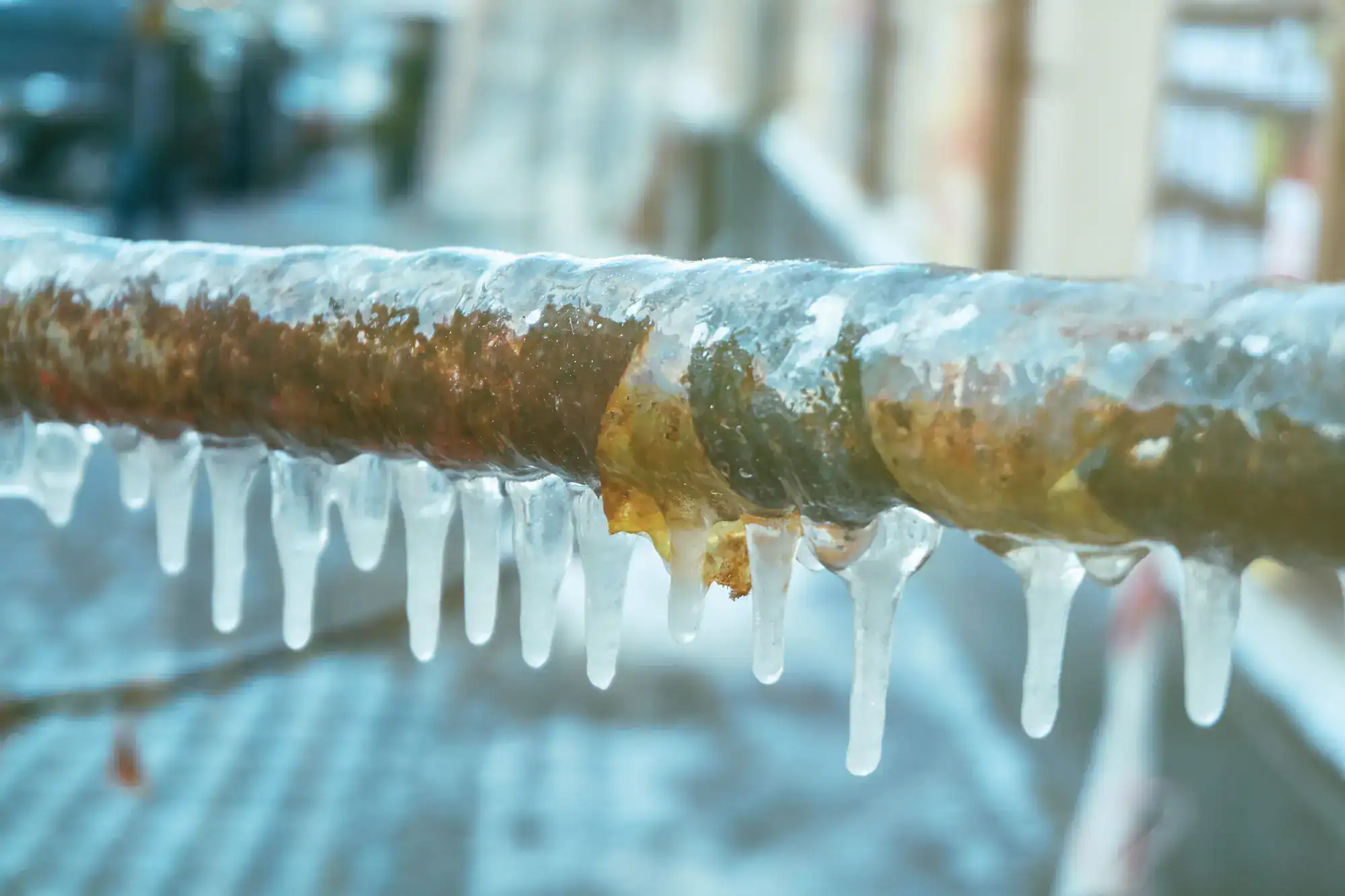
Jefferson Park’s older brick homes and bungalows face unique challenges during Chicago winters. Pipes in exterior walls, unheated basements, and crawl spaces are particularly vulnerable when temperatures drop below 20 degrees for extended periods.
Our service includes professional pipe thawing, burst pipe repair, and preventive insulation recommendations specific to your home’s layout. We understand that Jefferson Park homes built in different eras have different plumbing configurations, and we adjust our approach accordingly.
We also provide emergency water damage mitigation if a pipe has already burst. A single crack can release 250 gallons of water per day, but quick action prevents minor leaks from becoming major disasters that affect your walls, floors, and belongings.
We provide 24/7 emergency service throughout Jefferson Park and typically arrive within 60 minutes of your call. During extreme cold snaps, we prioritize calls based on severity – burst pipes get immediate attention, while frozen but intact pipes are handled in order received.
Our trucks are fully equipped with professional thawing equipment, so we can start work immediately upon arrival. We don’t need to make multiple trips or wait for specialized tools. Most frozen pipe situations are resolved within 2-4 hours, depending on the location and extent of the freeze.
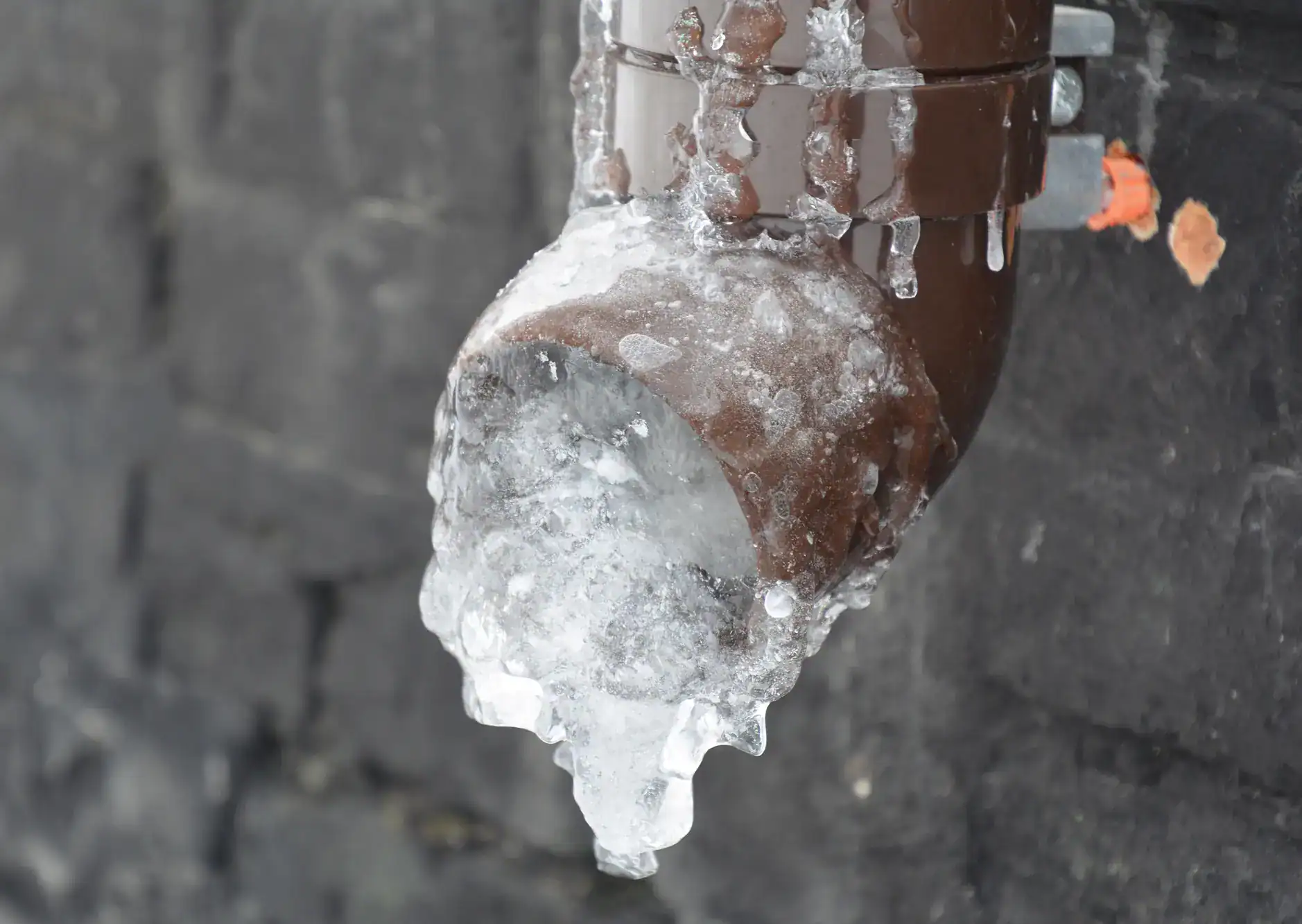
Frozen pipes still have their structure intact – the water inside has turned to ice, blocking flow, but the pipe walls haven’t cracked. You’ll notice reduced water pressure or no water at all, but no visible leaking.
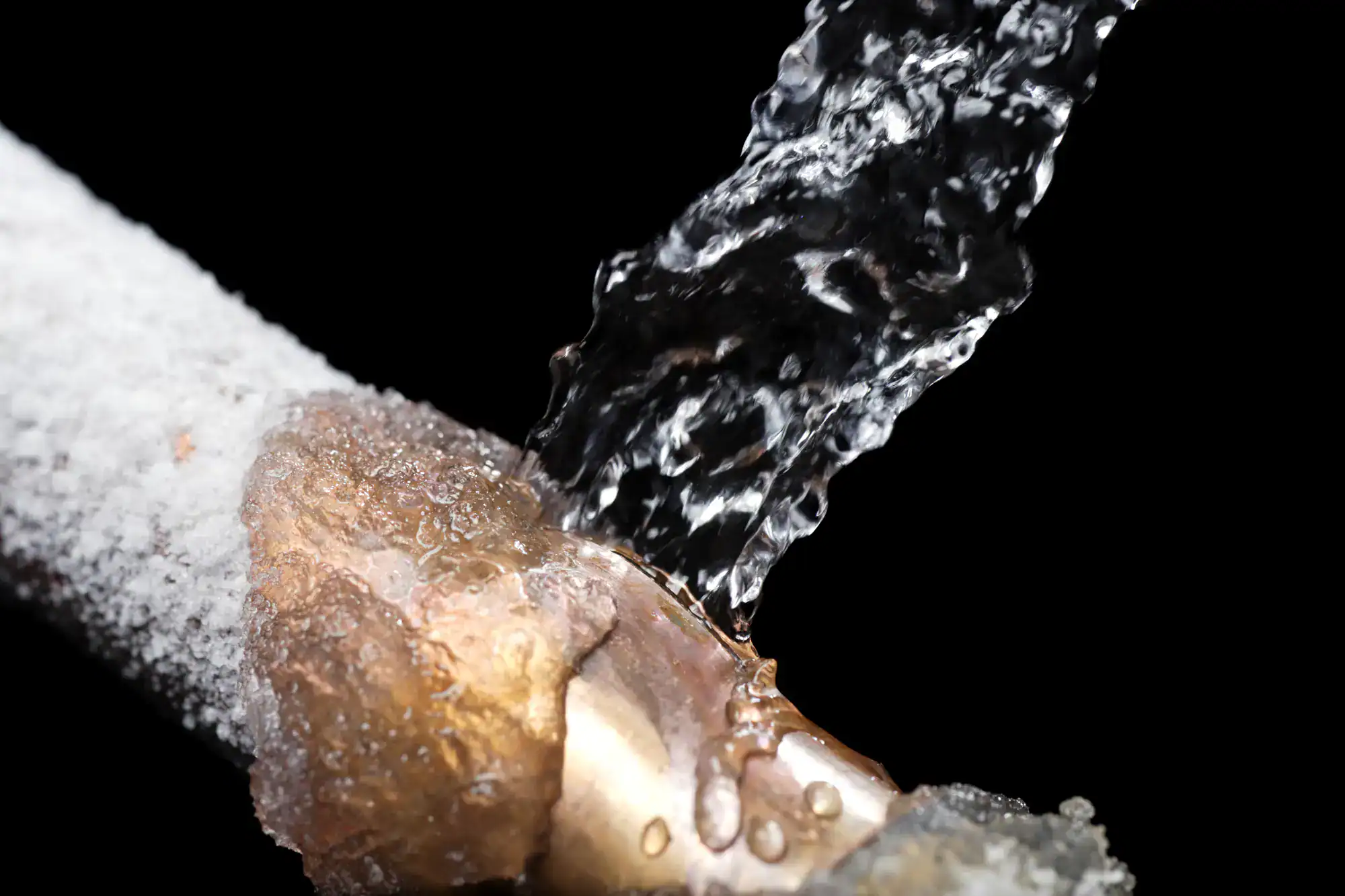
Burst pipes occur when ice expansion creates enough pressure to crack or split the pipe wall. This can happen at pressures up to 40,000 PSI. You’ll see water damage, wet spots on walls or ceilings, or hear running water when all faucets are turned off. Burst pipes require immediate water shut-off and emergency repair to prevent extensive property damage.
You can attempt gentle thawing using a hair dryer on the lowest setting, working from the faucet toward the frozen section. Keep the affected faucet open so water can flow as ice melts. Wrapping pipes in warm towels can also help.
Never use open flames, torches, or high-heat devices. These can damage pipes, create fire hazards, or cause rapid thawing that leads to bursts. If you can’t locate the frozen section, if pipes are inside walls, or if you suspect damage, call professionals immediately. The risk of creating bigger problems isn’t worth the DIY attempt.
Simple pipe thawing typically costs $200-400, depending on accessibility and time required. If pipes have burst, repairs range from $500-2000 based on location, extent of damage, and whether wall or floor access is needed.
We provide upfront pricing before starting work, so you know exactly what to expect. Most homeowners insurance policies cover burst pipe damage and associated water damage cleanup. We can work directly with your insurance company to streamline the claims process and minimize your out-of-pocket costs.
Pipes can freeze when temperatures drop below 32°F for 6-8 hours, but Jefferson Park’s older homes may see freezing at slightly higher temperatures if pipes lack proper insulation. The most vulnerable times are overnight during cold snaps when temperatures drop into the teens or single digits.
Pipes in exterior walls, unheated basements, crawl spaces, and garages freeze first. If your home was built before 1980, pay extra attention during weather warnings. Modern homes with proper insulation typically don’t see issues until temperatures stay below 20°F for extended periods.
Keep your thermostat at 55°F minimum, even when away. Let faucets drip slightly during extreme cold, especially those on exterior walls. Open cabinet doors under sinks to allow warm air circulation around pipes.
Before winter, insulate pipes in unheated areas like basements and crawl spaces. Seal air leaks around pipe penetrations in exterior walls. Disconnect and drain outdoor hoses completely. If your Jefferson Park home has pipes in exterior walls – common in older brick homes – consider having them relocated or professionally insulated before the next hard freeze.