
Our Reviews
When a burst pipe releases 250 gallons of water per day through just a 1/8 inch crack, every minute counts. You get your water back without the flood, the panic, or the thousands in damage repairs.
Most Lincolnwood homeowners don’t realize pipes can freeze in just 6 to 8 hours when temperatures drop below 32 degrees. Our professional thawing stops the problem before it becomes a disaster.
You avoid the scramble for emergency contractors, the insurance claims, and the weeks of dealing with water damage restoration. Your home stays dry, your pipes stay intact, and your winter stays manageable.
We’ve been serving Chicagoland homeowners through every brutal winter for years. We’re licensed, bonded, and insured—not just another emergency service that shows up unprepared.
Living in Lincolnwood means dealing with Chicago’s harsh winters and many homes built in the 1950s and 60s with aging pipes more susceptible to freezing. We know exactly what you’re up against because we’ve been fixing these problems in your neighborhood for years.
You’re not getting a generic plumber who’s never seen a Chicago winter. You’re getting professionals who understand how Lincolnwood homes respond to cold snaps and what it takes to keep your plumbing working when the temperature drops.

First, we’ll guide you to locate your main water valve—typically in your basement or near the water meter—and turn it clockwise until it stops. This prevents additional flooding while we work.
Our technicians use professional equipment to thaw pipes safely without causing additional damage. No hair dryers, no space heaters, no risky shortcuts that could make things worse.
We inspect why it happened and how to prevent it, checking your pipe insulation, identifying drafts that let cold air reach vulnerable pipes, and finding other areas at risk in Lincolnwood homes. You get more than just restored water flow—you get a plan to avoid this happening again.
Ready to get started?
Prevention starts with insulating exposed pipes, especially along exterior walls, basements, crawl spaces, or attics—foam pipe insulation costs just a few dollars per foot and prevents most freezing problems in Lincolnwood homes.
We recommend allowing faucets to drip during extreme cold, opening cabinet doors to let warm air circulate, sealing gaps to keep cold air out, and setting your thermostat no lower than 55°F when away during winter.
You’ll get specific recommendations for your property—maybe adding insulation to exposed pipes in your crawl space, maybe sealing gaps where cold air sneaks in. We don’t sell you stuff you don’t need, but we’ll tell you exactly what needs attention.
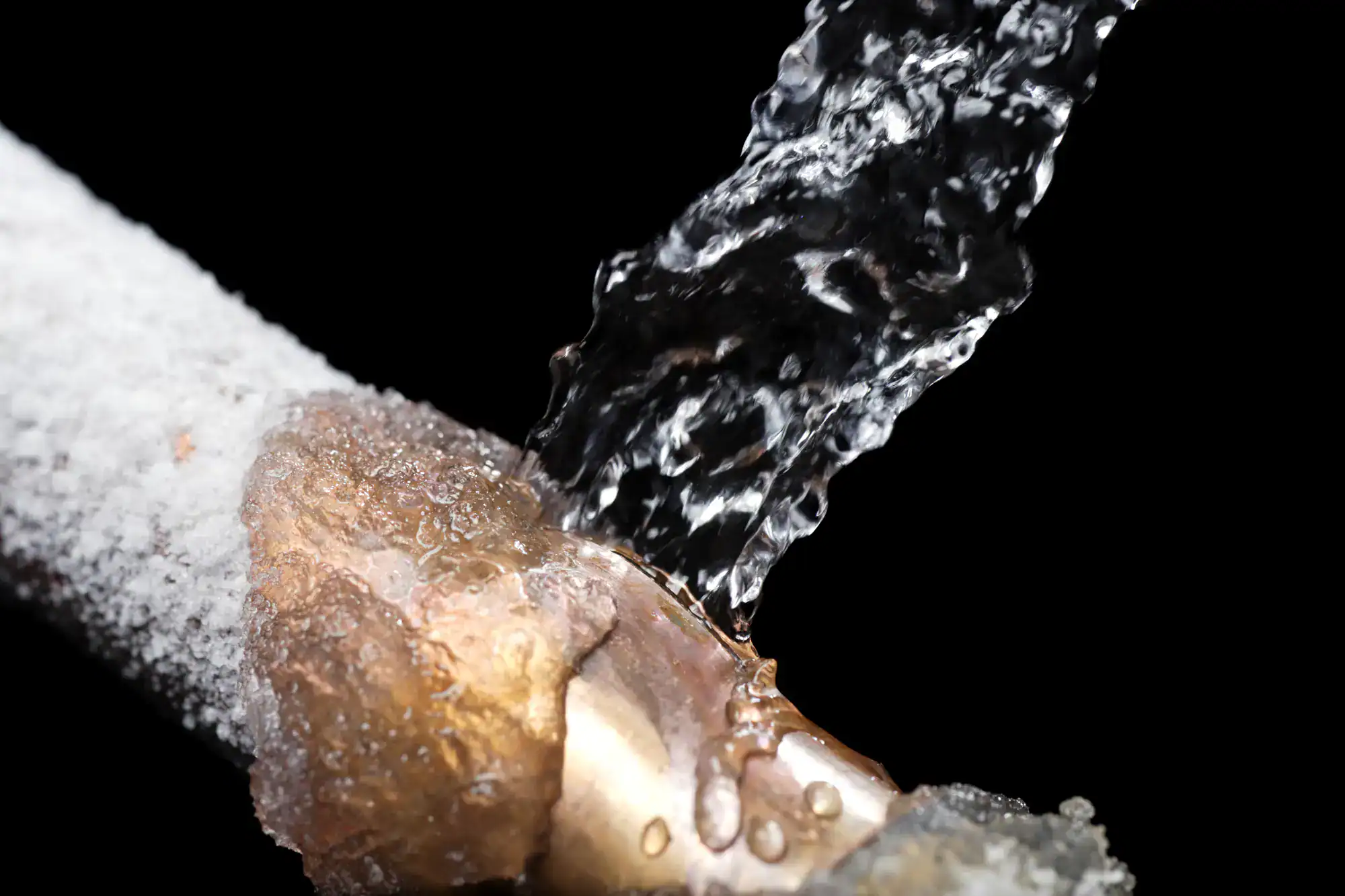
Frozen pipes can cause serious permanent damage if they burst—when water freezes, it expands with tremendous force, enough to crack copper pipes, split PVC joints, or rupture flexible connections, and a burst pipe can release 250 gallons of water per day through a crack just 1/8 inch wide, damaging your home’s structure, flooring, walls, and belongings.
Water damage often leads to mold growth if not properly dried, creating health hazards and additional repair costs averaging $15,000 per incident. However, pipes that freeze but don’t burst rarely suffer permanent damage—professional thawing restores normal function without harming the plumbing system, which is why getting professional help quickly matters before freezing progresses to bursting.
Don’t attempt to thaw pipes yourself with hair dryers, space heaters, or open flames near plumbing—instead, open cabinet doors under sinks to let warm air circulate around pipes and turn on faucets connected to frozen pipes, leaving them open so when thawing begins, running water helps prevent refreezing.
Check your basement or crawl space for signs of burst pipes like water puddles or ice formations, and take photos if you see damage—this helps our technician assess the situation quickly and may be useful for insurance claims. Most importantly, stay calm and keep everyone away from potential electrical hazards if water is present.
We dispatch the nearest licensed plumber within minutes of your call, with typical response times of 45-60 minutes throughout Lincolnwood. The actual thawing process depends on how much of your plumbing system is affected and where the frozen sections are located.
Our technicians use specialized equipment to safely thaw pipes and repair burst sections using methods that prevent the problem from recurring. Most residential frozen pipe situations can be resolved within 2-3 hours, including our inspection to identify why it happened and recommendations to prevent future freezing.
Yes, we provide clear, upfront pricing before any work begins, even during emergency calls at night or on weekends—you’ll know exactly what you’ll pay before we start repairs, with no hidden fees or surprise charges, and our service call fee covers the plumber’s visit and diagnosis.
We believe in complete transparency when it comes to pricing—before we start any work, you’ll receive a detailed estimate that breaks down exactly what needs to be done and how much it will cost, and if you don’t approve the estimate, you don’t pay anything. This upfront approach helps during stressful emergency situations.
Living in Lincolnwood means dealing with Chicago’s harsh winters, where temperatures regularly drop below freezing and put tremendous stress on plumbing systems. Many homes in the area were built in the 1950s and 60s, which means dealing with aging pipes that may be more susceptible to corrosion, mineral buildup, or sudden failures.
Homes built before 1986 may have lead service lines that need attention, older properties often have aging pipes that require replacement, and even newer homes can have issues with hard water buildup that restricts flow and damages fixtures. The combination of brutal winter weather and aging infrastructure creates the perfect storm for frozen pipe emergencies.
We provide recommendations for insulation and preventative measures specific to your home’s plumbing layout. We inspect your pipe insulation, check for drafts that let cold air reach vulnerable pipes, and identify other areas at risk—in Lincolnwood homes, we often find pipes along exterior walls or in unheated basements that need attention before the next cold snap.
Implementing preventative measures like insulation, dripping faucets in cold weather, and regular maintenance checks helps identify issues early and ensures the longevity of your plumbing system. We also provide emergency contact information and tips for what to do if it happens again, so you’re prepared for whatever Chicago winter throws at you.