
Our Reviews
You wake up to working faucets instead of no water pressure. Your basement stays dry instead of flooded with hundreds of gallons per hour. Your heating bills don’t skyrocket from burst pipe damage forcing you to crank up the heat.
Most importantly, you avoid the nightmare of water damage restoration, torn-out drywall, and weeks of contractors tramping through your home. McKinley Park’s older homes, many built before 1940, face unique risks during Chicago’s harsh winters.
When we thaw your frozen pipes properly, you get back to normal life fast. No flooding, no emergency restoration bills, no sleepless nights worrying about the next cold snap.
All Rooter Hydro Jetting Experts has been protecting Chicago homes from frozen pipe disasters since 2000. We’re the locally-owned, licensed, bonded, and insured company that understands exactly how Chicago’s brutal winters affect McKinley Park’s unique housing stock.
Your neighborhood’s workers’ cottages and two-flats, many with plumbing that’s seen decades of Chicago winters, need specialists who know these systems inside and out. We’ve thawed pipes in basements, crawl spaces, and exterior walls throughout McKinley Park for over two decades.
We’re not some fly-by-night operation or a big corporate chain. We’re your neighbors, and we know that when your pipes freeze at 2 AM during a polar vortex, you need someone who answers the phone and shows up fast.

First, we locate the frozen section using professional equipment, not guesswork. We can identify exactly where ice has formed, even in pipes hidden behind walls or in tight crawl spaces common in McKinley Park homes.
Next, we use specialized thawing equipment to safely warm the pipe without causing thermal shock or damage. No blowtorches, no risky DIY methods that can crack your pipes or start fires. Our controlled thawing process protects your plumbing investment.
Finally, we inspect for damage and test water pressure throughout your system. We make sure everything works properly before we leave, and we’ll recommend winterization steps to prevent future freezing. You get professional service that solves the problem right the first time.
Ready to get started?
Our frozen pipe service includes emergency thawing, leak detection, pipe replacement, and winterization recommendations specific to Chicago’s climate. We handle everything from kitchen sink pipes that froze overnight to main water lines affected by extended cold snaps.
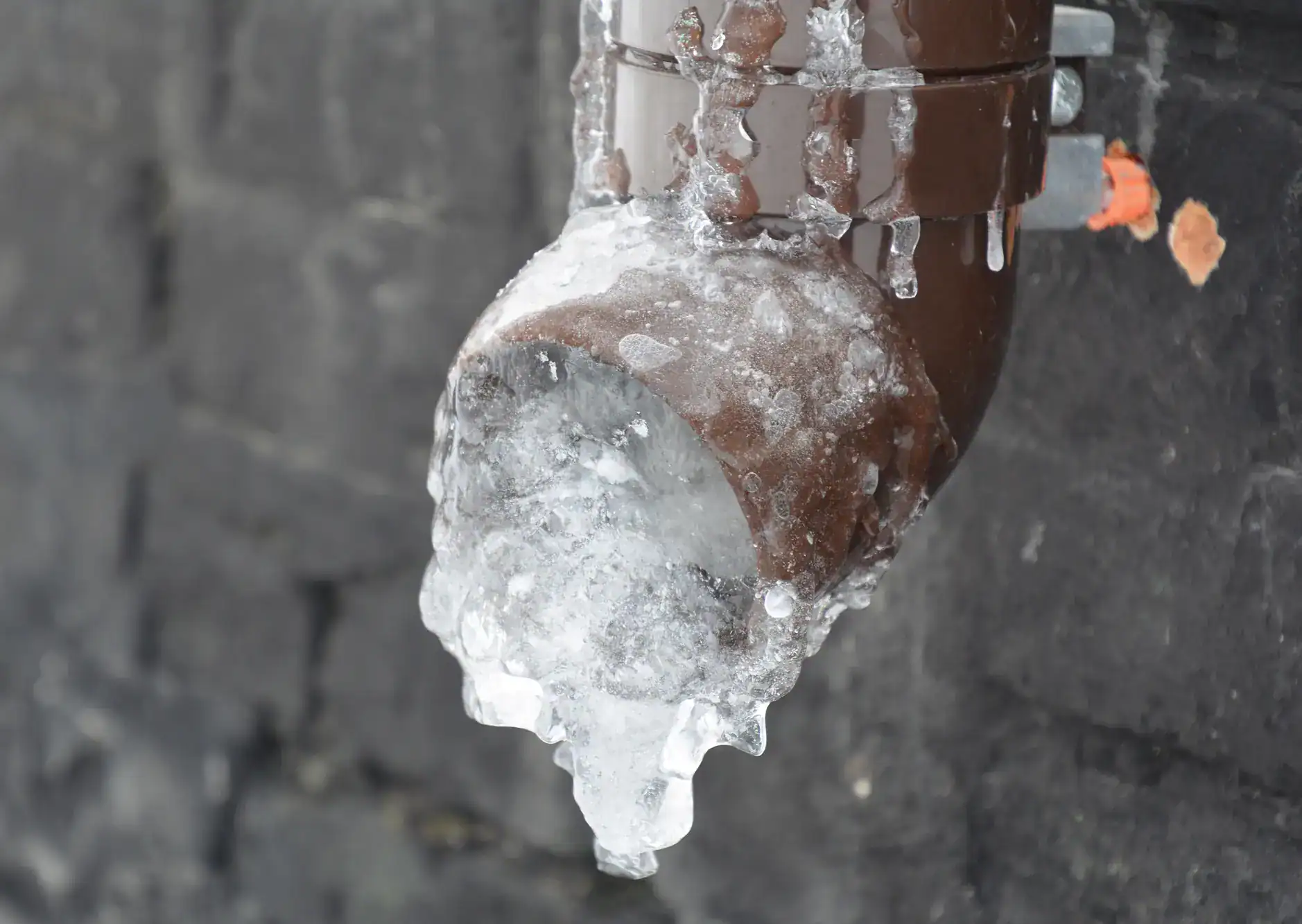
McKinley Park homes face unique risks due to the city’s temperature extremes and older housing stock. Many properties have pipes running through unheated basements, crawl spaces, or exterior walls that are vulnerable when temperatures drop below 20°F for extended periods.
We provide same-day service throughout McKinley Park, from the historic homes near the park to the converted lofts in former industrial buildings. Our trucks carry specialized equipment for Chicago’s most common frozen pipe scenarios, including pipes in vintage buildings with limited access and modern installations in newer developments.
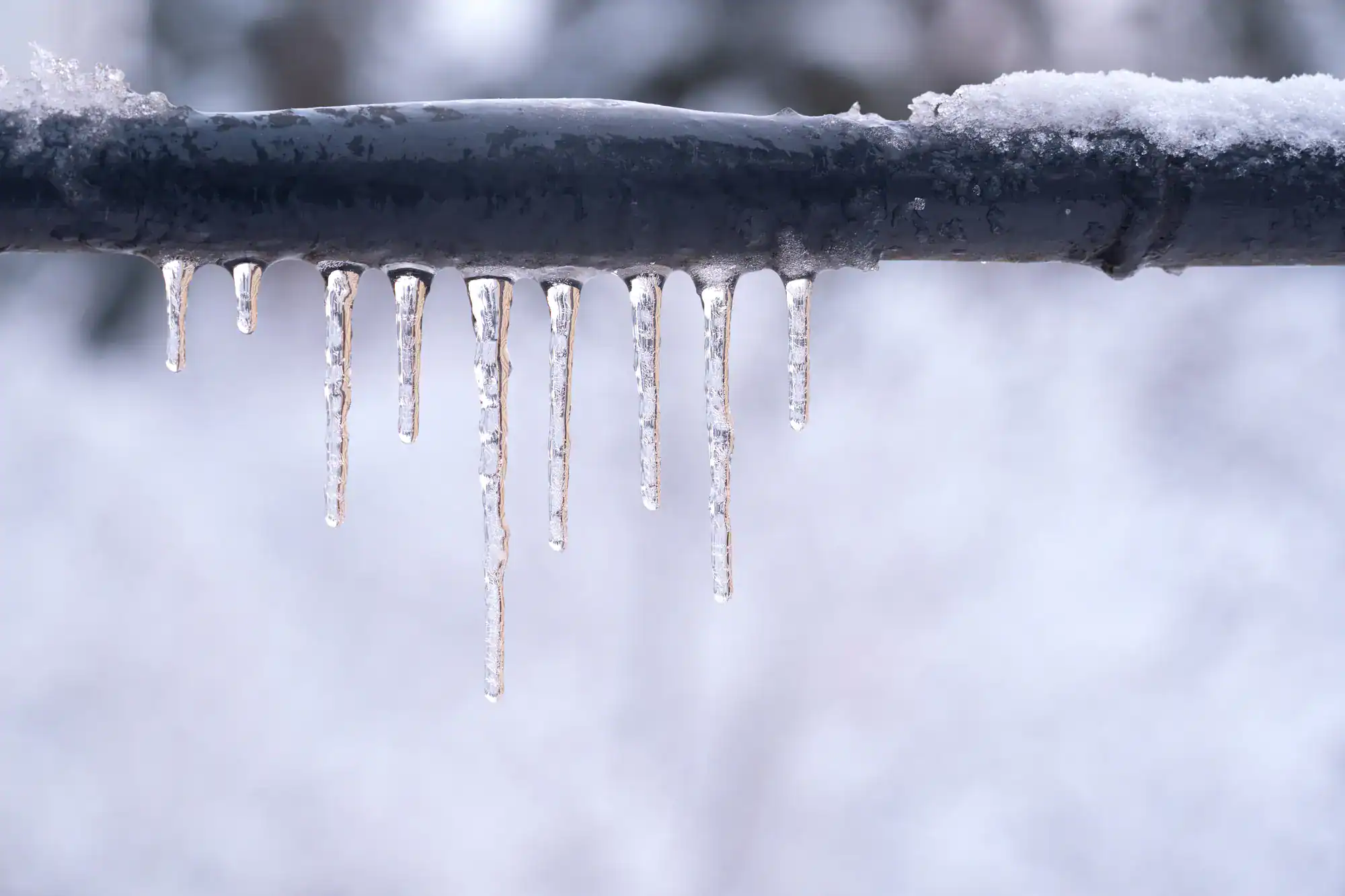
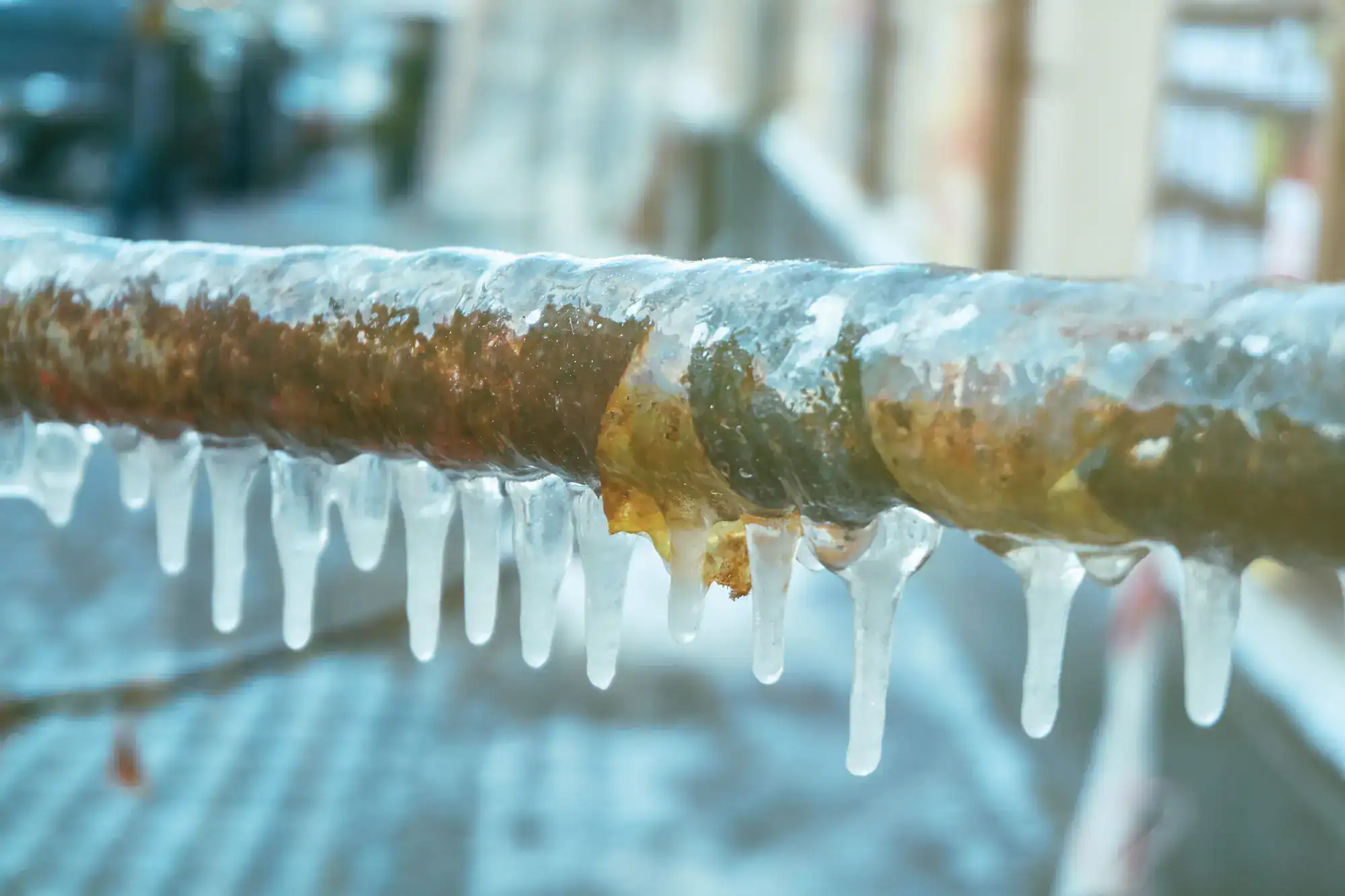
Pipes can start freezing when temperatures drop below 32°F, but the real danger begins when temperatures stay at or below 20°F for several hours. This is common during Chicago’s winter cold snaps.
McKinley Park’s older homes are particularly vulnerable because many have pipes in unheated basements, crawl spaces, or running through exterior walls with minimal insulation. Pipes in these locations can freeze even when indoor temperatures feel comfortable.
The combination of Chicago’s wind chill, extended cold periods, and the neighborhood’s vintage housing stock creates perfect conditions for frozen pipes. That’s why it’s crucial to take preventive steps before the temperature drops and have a reliable emergency plumber’s number ready.
First, turn on the affected faucet and keep it open. Even a small trickle of water can help prevent the pipe from bursting by relieving pressure. Don’t turn off the faucet even if no water comes out initially.
Next, call us immediately. Attempting DIY thawing with space heaters, hair dryers, or worse, open flames, can cause more damage or create fire hazards. Professional thawing equipment safely warms pipes without thermal shock.
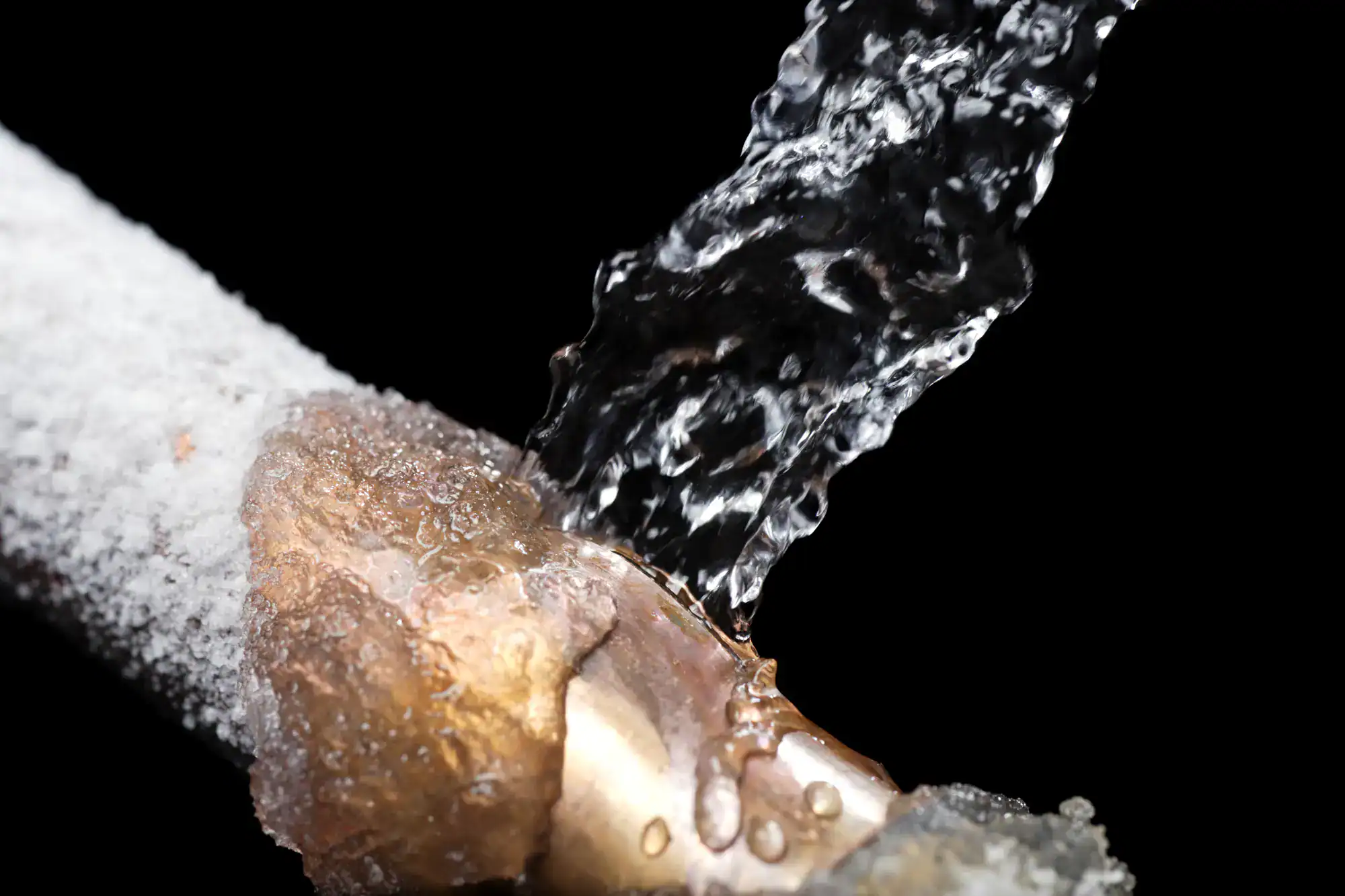
If you suspect a pipe has already burst, shut off your main water supply immediately. This is usually located near where water enters your home or at the meter. Then call us for emergency service right away – burst pipes can release hundreds of gallons per hour.
Simple thawing services typically range from $150-$400, depending on the location and complexity of the frozen pipe. If we catch the problem early, before bursting occurs, costs stay on the lower end of this range.
Burst pipe repairs can cost significantly more, ranging from $200 to $2,000 depending on the extent of damage and location of the pipe. Pipes hidden behind walls or in difficult-to-access areas cost more to repair due to additional labor.
The key is calling us as soon as you notice signs of freezing. Early intervention with professional thawing prevents the much higher costs associated with burst pipe damage, water restoration, and property repairs that can run into thousands of dollars.
Yes, we offer comprehensive winterization services specifically designed for McKinley Park’s older housing stock. This includes insulating vulnerable pipes, sealing air leaks, and installing heat tape in problem areas.
For homes built before 1940, we often recommend upgrading insulation around pipes in basements, crawl spaces, and exterior walls. We can also relocate especially vulnerable pipes during renovations to provide better protection from Chicago’s harsh winters.
We also provide practical advice like keeping cabinet doors open during cold snaps, letting faucets drip slightly during extreme weather, and maintaining consistent indoor temperatures. These simple steps, combined with proper insulation, dramatically reduce your risk of frozen pipes.
Absolutely. Frozen pipes don’t wait for business hours, and neither do we. We provide true 24/7 emergency service throughout McKinley Park and surrounding Chicago neighborhoods, including weekends and holidays.
When you call our emergency line, you reach our actual service team, not an answering service. We understand that frozen pipes can quickly turn into burst pipes, especially during Chicago’s extended cold snaps, so we respond quickly to minimize damage.
Our emergency service includes the same professional equipment and expertise as our scheduled appointments. We come prepared to handle most frozen pipe situations on the first visit, so you can get back to normal as quickly as possible.
McKinley Park’s housing stock presents unique challenges for winter plumbing protection. With over half the homes built before 1940, many have plumbing systems that weren’t designed for modern insulation standards or Chicago’s increasingly harsh winter weather patterns.
These older homes often have pipes running through unheated basements, crawl spaces, or along exterior walls with minimal insulation. The neighborhood’s workers’ cottages and two-flats frequently have plumbing in vulnerable locations that newer construction avoids.
Additionally, many McKinley Park homes have been renovated over the decades, sometimes with plumbing additions that create new vulnerable points. We understand these local challenges and have the experience to protect your specific type of home from frozen pipe problems.