
Our Reviews
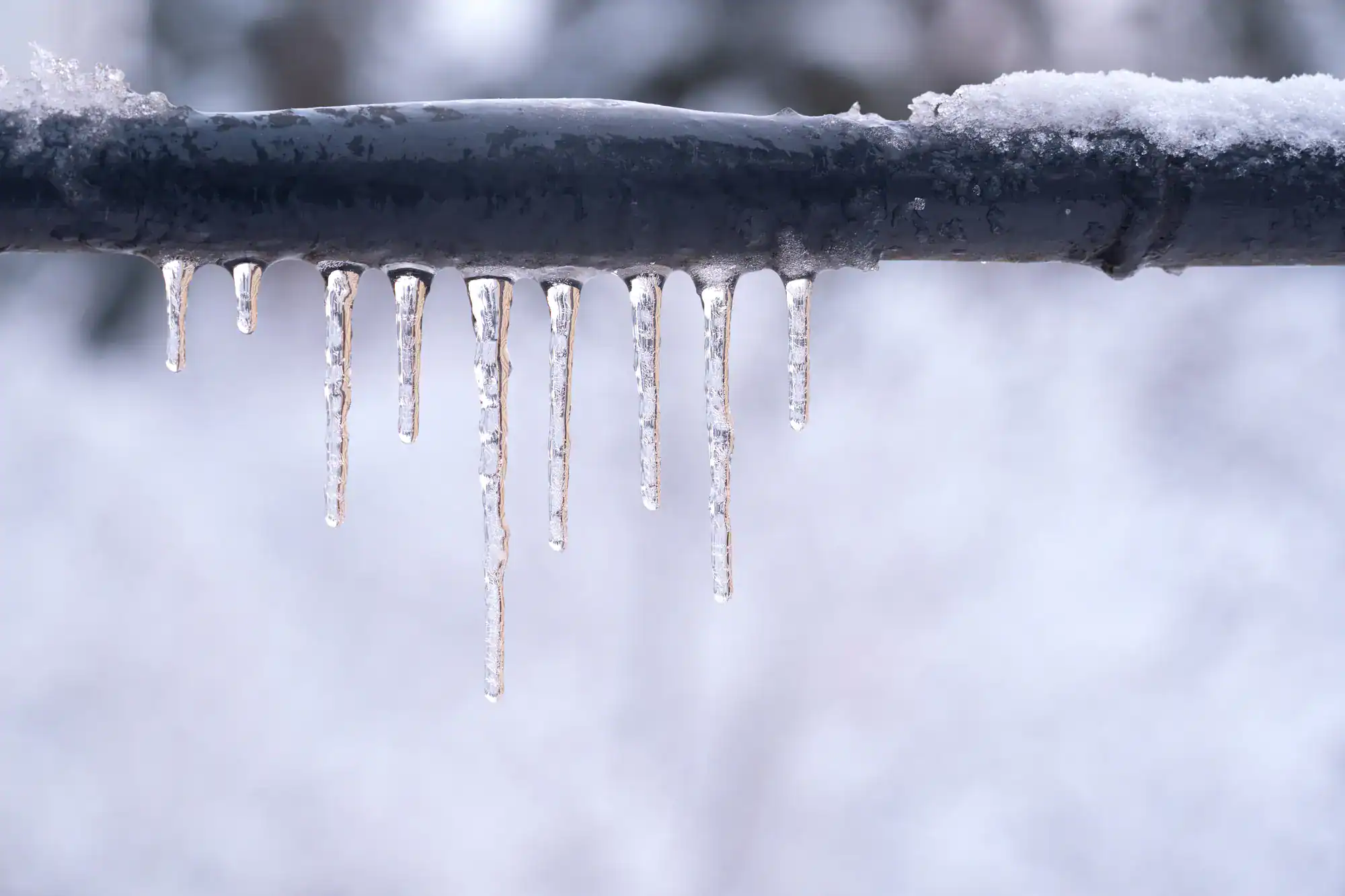
When your pipes freeze, every minute counts. You’re not just dealing with no water—you’re racing against a potential burst that could flood your home and cost thousands in damage.
Our emergency pipe thawing service gets your water running again fast. We use professional-grade equipment that safely thaws frozen pipes without the risk of cracking or bursting that comes with amateur attempts.
You’ll have hot showers, working toilets, and functioning faucets restored quickly. More importantly, you’ll have peace of mind knowing the job was done right by licensed professionals who understand exactly how Chicago winters affect your plumbing.
All Rooter Hydro Jetting Experts Inc. has been serving Palos Hills and the greater Chicago area with reliable plumbing solutions. We’re a locally owned company that understands exactly what brutal Chicago winters do to your pipes.
Our team is licensed, bonded, and insured, giving you the protection and professionalism you need during plumbing emergencies. We’ve built our reputation on transparent pricing and getting the job done right the first time.
When other companies are closed or unavailable, we’re here. Our 24/7 emergency service means you’re never left dealing with frozen pipes alone, even during the worst winter storms that hit Palos Hills.

First, we assess your situation over the phone to determine if you need immediate emergency service or if we can walk you through temporary measures until we arrive. Our technicians carry professional pipe thawing equipment that safely warms frozen sections without damage.
We locate the frozen area using specialized tools, then apply controlled heat to gradually thaw the blockage. If we find any cracks or damage, we handle burst pipe repair on the spot using quality materials that will last.
Before we leave, we check your entire system to identify other vulnerable areas and give you practical advice for preventing future freezes. You’ll know exactly what we found, what we fixed, and what to watch for going forward.
Ready to get started?
Our frozen pipe service covers complete diagnosis, professional thawing, and any necessary burst pipe repairs. You get upfront pricing before we start work, so there are no surprises when the job is done.
Palos Hills homes are particularly vulnerable to frozen pipes because of the area’s older housing stock and the way Chicago’s wind patterns affect temperature drops. We understand these local factors and come prepared with the right equipment for your specific situation.
Every service call includes a system check to identify other potential freeze points, practical prevention advice, and emergency contact information for future issues. We’re not just fixing today’s problem—we’re helping you avoid tomorrow’s crisis.
We provide 24/7 emergency service and typically arrive within 1-2 hours of your call, even during severe weather conditions. Our technicians are strategically located throughout the Chicago area to ensure fast response times.
During extreme cold snaps when frozen pipe calls spike, we prioritize based on urgency—situations with confirmed burst pipes or significant water damage risk get immediate attention. We’ll give you an accurate arrival window when you call and keep you updated if conditions cause delays.
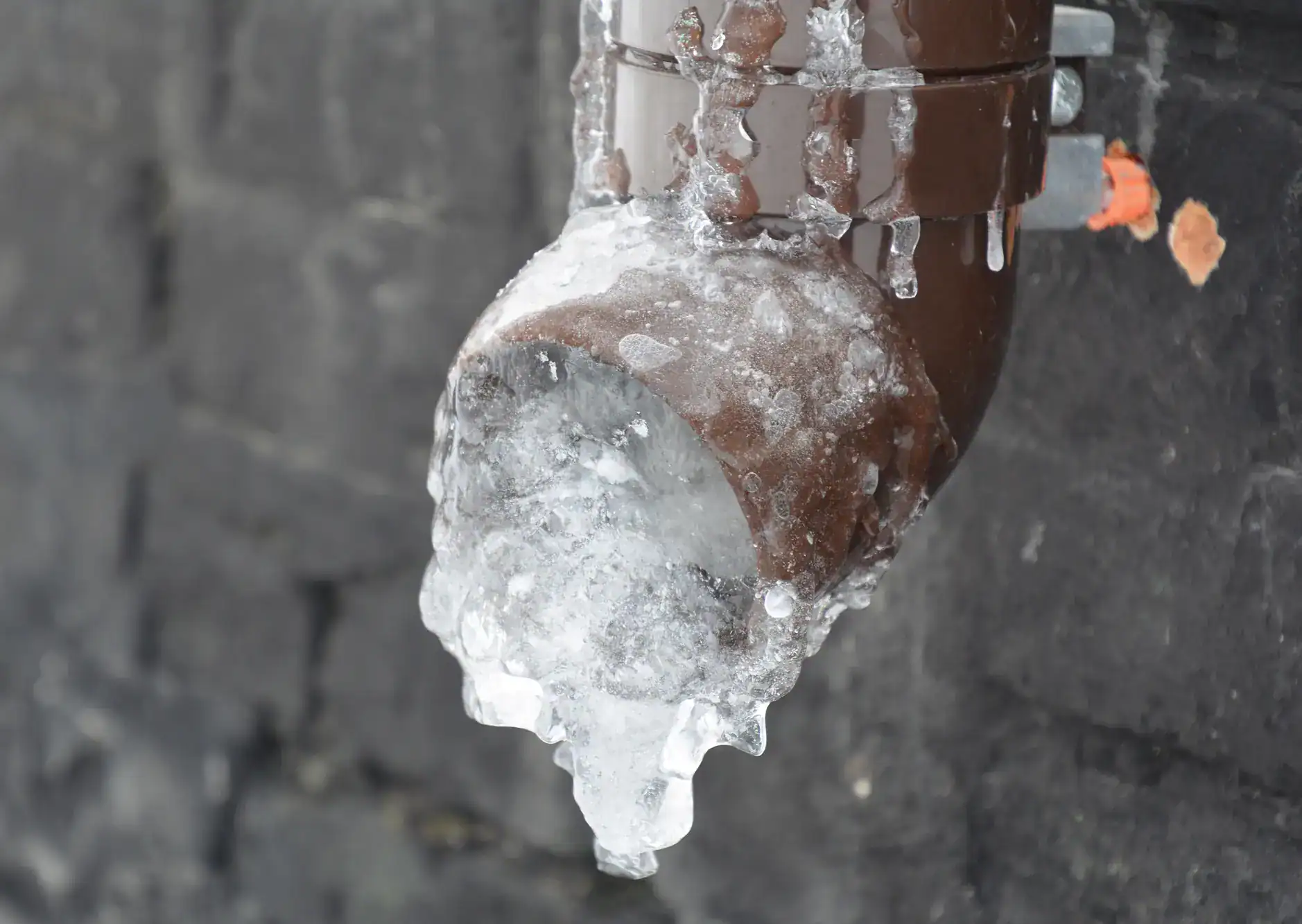
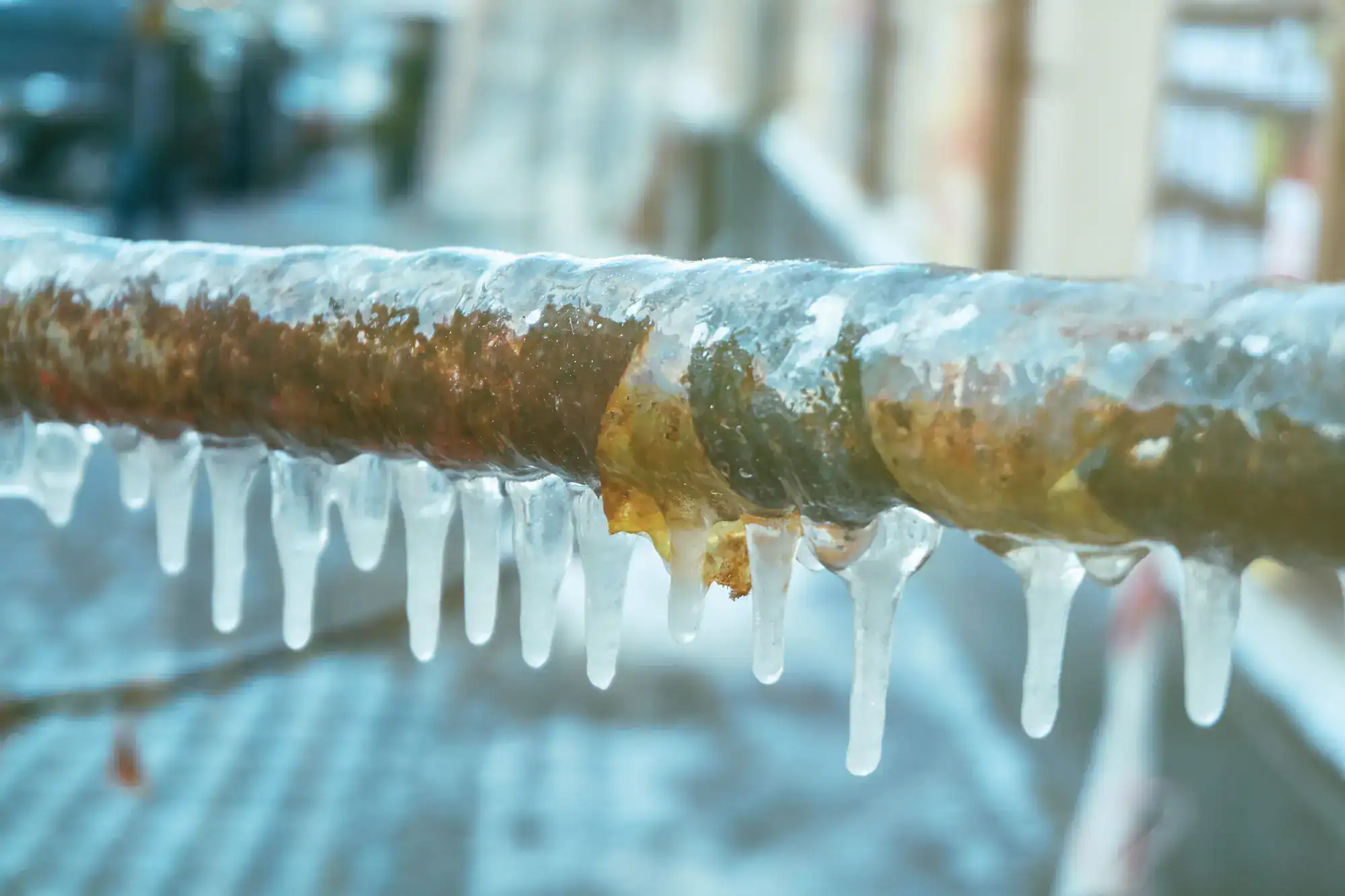
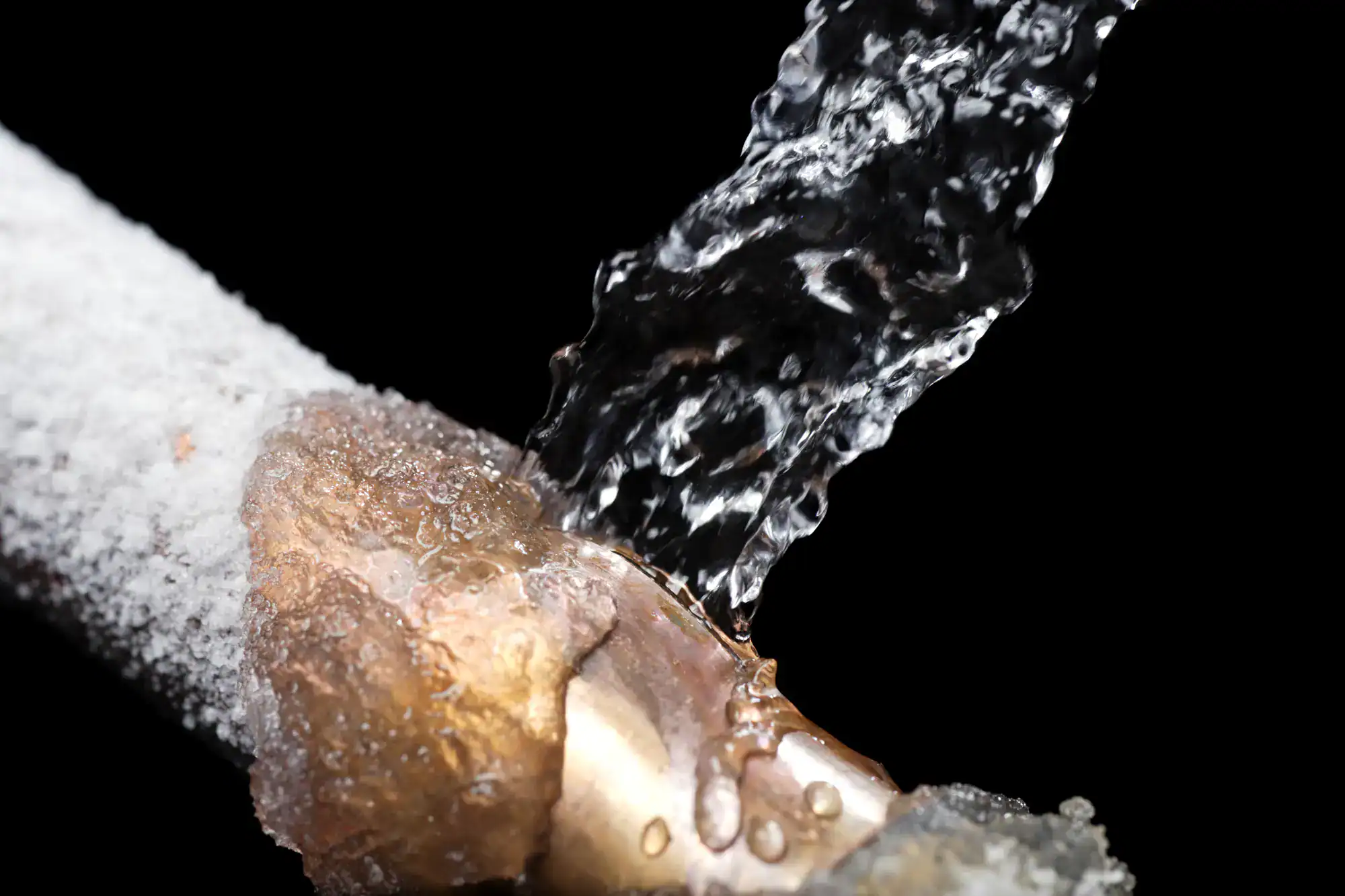
Frozen pipes are blocked by ice but still intact—you’ll have no water flow but no visible damage yet. Burst pipes have actually cracked or split from ice expansion, causing active leaks or flooding.
Frozen pipes are urgent because they can become burst pipes quickly as temperatures fluctuate. The ice expansion puts tremendous pressure on pipe walls, and when it starts to thaw, that’s often when the rupture happens. That’s why we recommend calling immediately when you lose water pressure, even if you don’t see any leaks yet.
Our technicians can quickly determine which situation you’re dealing with and respond accordingly—either with careful thawing for frozen pipes or immediate repair work for burst pipes.
You can try gentle methods like opening cabinet doors to let warm air circulate or using a hair dryer on low heat, but avoid anything with open flames or high heat that could damage pipes or create safety hazards.
The problem with DIY thawing is that you might not know where the frozen section actually is, and applying heat to the wrong area can cause more damage. Professional equipment lets us locate the exact blockage and apply controlled, even heat that won’t crack pipes.
If you’ve tried basic methods for 30 minutes without results, or if you suspect the freeze is in walls or underground lines, it’s time to call professionals. The cost of emergency service is much less than dealing with burst pipes and water damage.
Emergency pipe thawing typically runs $200-400 depending on the location and complexity of the freeze. Burst pipe repairs vary based on the extent of damage but usually range from $300-800 for standard residential repairs.
We provide upfront pricing before starting any work, so you’ll know exactly what you’re paying. There are no hidden fees for emergency service, weekend calls, or equipment usage. The price we quote is the price you pay.
Keep in mind that emergency service costs are almost always less expensive than the water damage, restoration work, and insurance deductibles you’ll face if frozen pipes burst and flood your home.
Palos Hills homes face unique freeze risks because many were built before modern insulation standards, and the area’s elevation and open spaces create wind chill effects that drop temperatures quickly. Pipes in exterior walls, crawl spaces, and unheated basements are most vulnerable.
The combination of Chicago’s temperature swings—from mild days to sub-zero nights—creates expansion and contraction that weakens pipe joints over time. Add in power outages during winter storms, and you have perfect conditions for frozen pipes.
Homes on the north or west sides of streets often see more freeze issues because they get less direct sunlight and more wind exposure. We see patterns in certain neighborhoods and can often predict which areas will have problems during specific weather events.
Keep interior temperatures at 55°F minimum, even when you’re away. Open cabinet doors under sinks to let warm air circulate around pipes, and let faucets drip slightly during extreme cold—moving water is much harder to freeze.
Insulate pipes in unheated areas like basements, crawl spaces, and garages. Pay special attention to pipes along exterior walls. If you know where your main water shut-off is located, make sure it’s accessible and everyone in your household knows how to use it.
During extended cold periods, consider leaving heat on in unused rooms and checking that your furnace is working properly before temperatures drop. Small prevention steps now save you from major headaches and expensive repairs later.