
Our Reviews
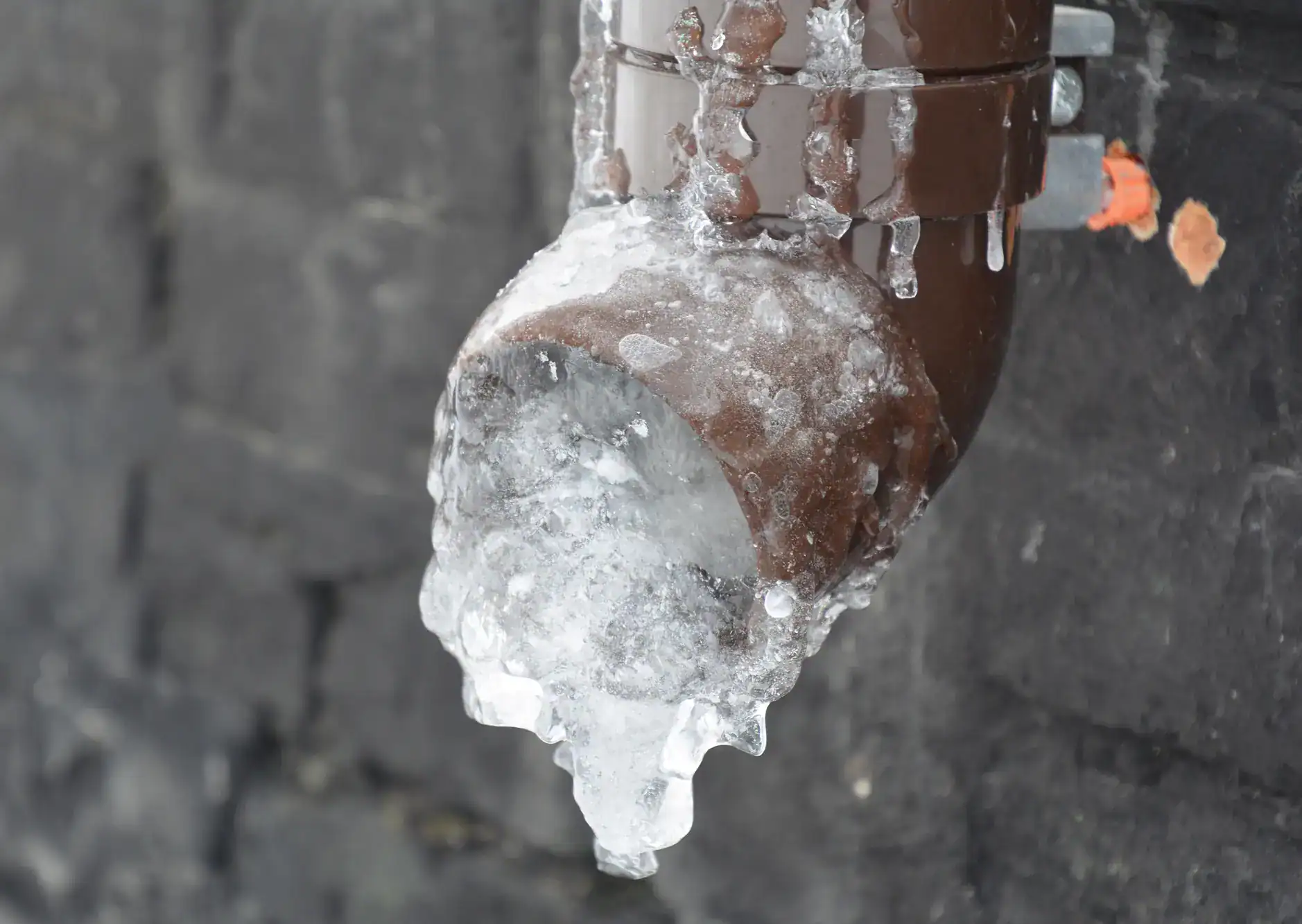
You wake up to no water. The temperature hit 15 degrees last night, and now you’re facing a potential disaster. But here’s what happens when you call us instead of waiting.
Your water flows normally again. Your basement stays dry. Your family gets back to their routine without the stress of emergency repairs, water damage cleanup, or insurance claims.
Most importantly, you avoid the average $15,000 that frozen pipe damage typically costs Chicagoland homeowners. Because when pipes freeze in older homes like many in Richton Park, the damage spreads fast.
We’ve been handling Chicago’s brutal winters since 2000. Every year, we see the same pattern in Richton Park and surrounding areas.
Temperature drops to 20 degrees. Pipes in basements, crawl spaces, and exterior walls start freezing. Homeowners wait, hoping things will warm up. Then the pipes burst, and a small problem becomes a major expense.
That’s why we focus on fast response and permanent solutions. We’re licensed, bonded, and insured. More importantly, we understand how Chicago’s climate affects the plumbing in homes built in the 1970s and 80s, like many in Richton Park.

First, we shut off your main water supply to prevent flooding if pipes have already burst. Then we locate the frozen section using professional equipment that detects temperature changes in your plumbing system.
Next, we safely thaw the frozen pipes using controlled heating methods. No torches, no risky shortcuts. We use proper thawing equipment that won’t damage your pipes or create fire hazards.
Finally, we test the entire system to ensure proper flow and check for any damage that occurred during freezing. If we find cracks or weak spots, we handle repairs immediately. You get upfront pricing before any work begins, so there are no surprises on your bill.
Ready to get started?
Your service includes emergency thawing, damage assessment, and immediate repairs if needed. We also provide prevention recommendations specific to your home’s layout and age.
Richton Park homes face unique challenges. Many were built in 1978, meaning they have older plumbing systems that weren’t designed for today’s extreme weather patterns. The village sits in Cook County’s path for Arctic air masses that can drop temperatures to dangerous levels in hours.
We’ve worked on hundreds of homes in your area. We know which neighborhoods have the most vulnerable plumbing, which home designs are most at risk, and how to protect your investment for future winters. Every service call includes practical advice to prevent the same problem from happening again.
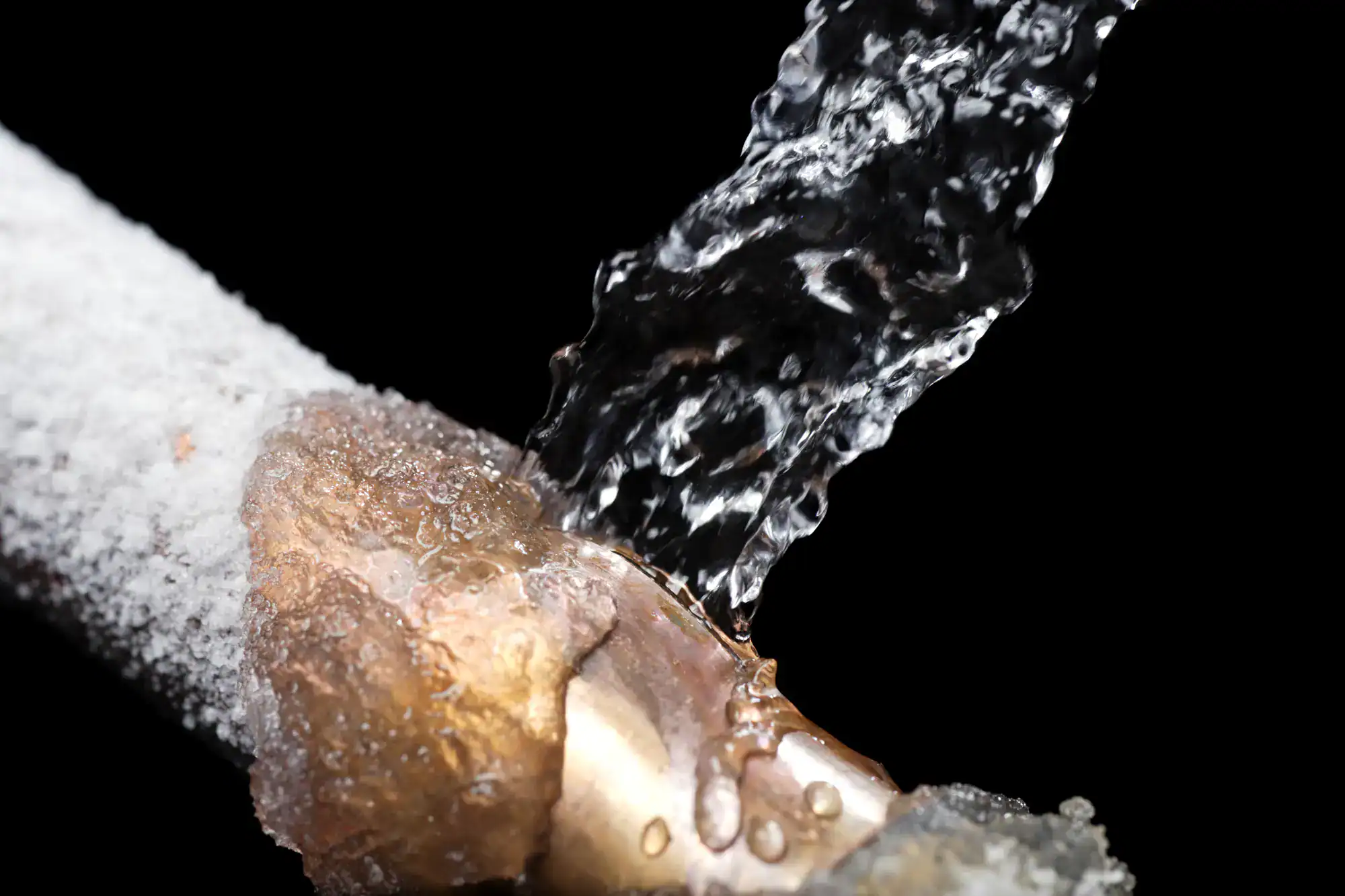
Faster than most homeowners realize. When temperatures drop to 20 degrees, pipes can freeze solid in just 6 hours. Once frozen, the ice expansion creates pressure that can exceed 40,000 psi inside your pipes.
The real damage happens when pipes burst. A crack as small as 1/8 inch can release 250 gallons of water per day into your walls, basement, or crawl space. In Richton Park’s older homes, this water spreads quickly through wooden subfloors and can reach electrical systems.
We’ve seen minor frozen pipe situations turn into $15,000 insurance claims overnight. That’s why we offer 24/7 emergency service and focus on reaching you within an hour of your call during winter emergencies.
Location and insulation make the biggest difference. Pipes in exterior walls, especially on the north side of your home, freeze first. Basement pipes near foundation walls are also vulnerable, particularly in homes built in the 1970s and 80s.
Many Richton Park homes have plumbing that runs through unheated spaces like crawl spaces, garages, or utility rooms. These areas can drop below freezing even when your main living areas stay warm. Poor insulation around pipes compounds the problem.
We also see issues in homes where previous repairs created gaps in insulation or where pipes were rerouted without proper protection. During our service calls, we identify these vulnerable spots and recommend specific improvements for your home’s layout.
Call a professional, especially if you suspect pipes have already burst. DIY thawing attempts often cause more damage than the original freeze. We’ve seen homeowners crack pipes with excessive heat, start fires with improper heating methods, or flood their basements by thawing burst pipes too quickly.
Professional thawing uses controlled heat application and proper safety measures. We can also detect whether pipes have already cracked during the freezing process, which isn’t always obvious until water starts flowing again.
If you must take immediate action while waiting for us to arrive, turn off your main water supply and open faucets to relieve pressure. Don’t use open flames, high-heat devices, or pour hot water directly on frozen pipes.
Simple thawing services typically range from $200 to $500, depending on the location and complexity. However, if pipes have burst, costs can reach $1,000 to $2,000 for repairs, plus additional expenses for water damage cleanup.
The real expense comes from water damage. Insurance claims for frozen pipe damage average $15,000 in the Chicago area. This includes structural repairs, flooring replacement, drywall work, and mold remediation. Emergency service rates during peak winter months can cost 1.5 to 3 times normal rates.
We provide upfront pricing before starting any work. Our goal is to catch problems early when they’re still affordable to fix, rather than waiting until you’re facing major water damage and insurance claims.
Insulation is your first line of defense. Focus on pipes in basements, crawl spaces, and exterior walls. Foam pipe insulation is inexpensive and effective, especially in unheated areas of your home.
During extreme cold snaps, keep your thermostat at 55 degrees minimum, even when you’re away. Let faucets drip slightly during the coldest nights, particularly those connected to pipes in exterior walls. Open cabinet doors under sinks to allow warm air circulation around plumbing.
For Richton Park’s older homes, consider having vulnerable pipes relocated away from exterior walls during renovations. We can assess your home’s specific risk factors and recommend targeted improvements that make sense for your budget and home’s design.
Call immediately if you have no water flow, hear unusual sounds from your plumbing, or see signs of water damage. Frozen pipes don’t improve on their own, and waiting often makes the situation worse and more expensive.
Temperature is critical. If it’s below 20 degrees and expected to stay there for several hours, frozen pipes can burst quickly. Chicago’s winter weather patterns often bring sustained cold that pushes freezing conditions deeper into your home’s protected areas.
We’re available 24/7 because plumbing emergencies don’t follow business hours. The cost of emergency service is always less than dealing with burst pipes, water damage, and insurance claims. When in doubt, call. We can often provide guidance over the phone and help you determine if immediate service is necessary.