
Our Reviews
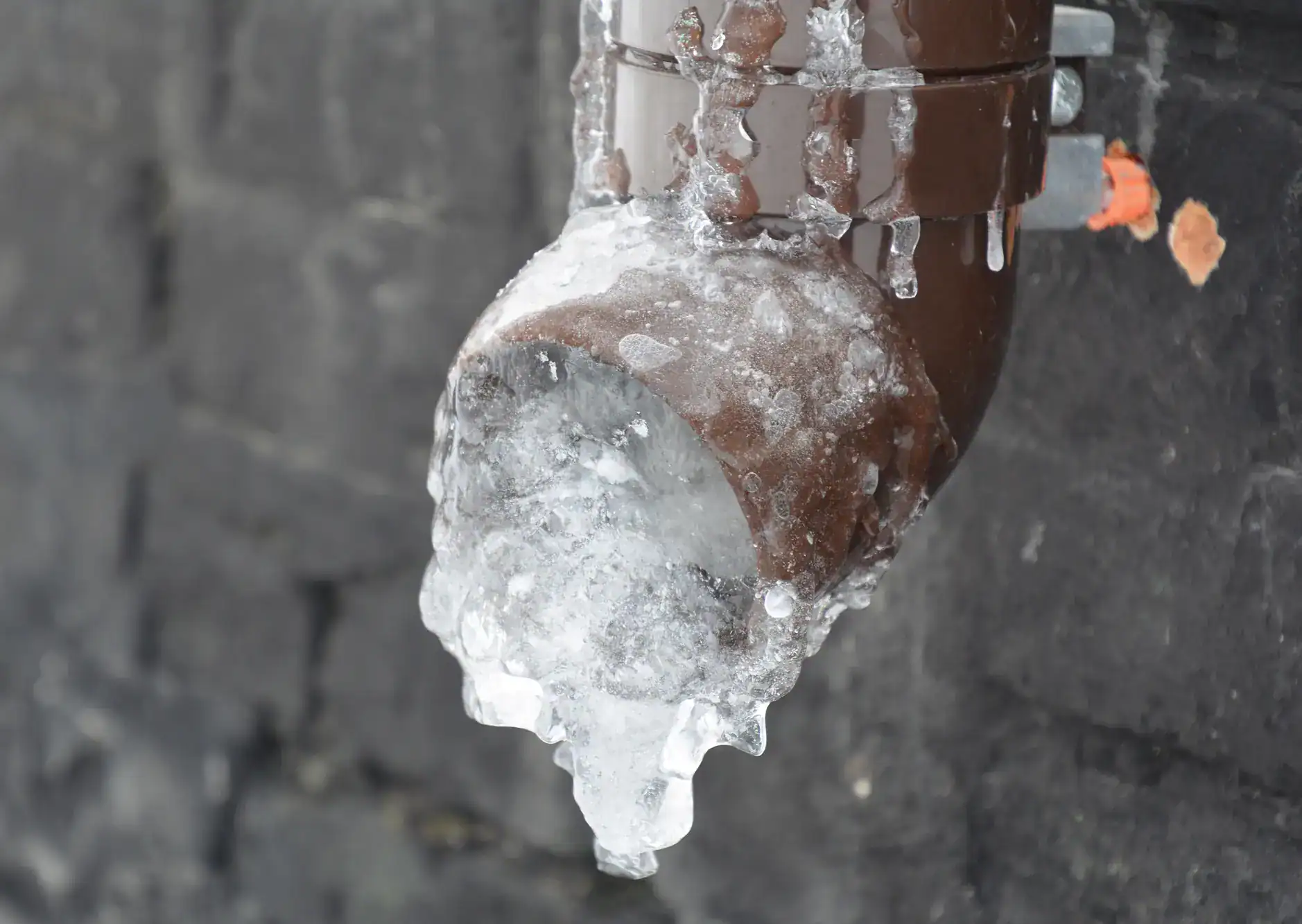
When your faucets barely trickle or stop completely, you’re dealing with frozen pipes that could burst any moment. We get your water flowing again fast, preventing the nightmare of flooded basements, damaged walls, and expensive repairs.
You’ll have hot showers, working toilets, and peace of mind knowing your pipes won’t surprise you with a middle-of-the-night disaster. Our professional thawing process safely restores flow without damaging your plumbing system.
No more hauling water from neighbors or wondering when that frozen section will finally give way and flood your home.
All Rooter Hydro Jetting Experts Inc. has been serving Sag Bridge and the greater Chicagoland area through countless brutal Illinois winters. We’re the locally owned plumbing company that understands exactly how Chicago-area cold affects your pipes.
Our licensed, bonded, and insured team responds 24/7 because frozen pipes don’t wait for business hours. We’ve built our reputation on transparent pricing, reliable service, and getting the job done right the first time.
When other companies are closed and your pipes are frozen solid, we’re the team Sag Bridge residents call.

First, we shut off your main water supply to prevent flooding if there’s already damage you can’t see. Then we inspect the frozen sections to determine the safest thawing approach for your specific pipe material and location.
We use professional-grade thawing equipment that gradually warms your pipes without shocking them or causing cracks. No dangerous open flames or risky DIY methods that could make things worse.
Once water flows normally, we test the entire system for leaks or damage, checking joints and connections that might have been stressed by the freezing. You’ll know exactly what we found and what it means for your plumbing.
Ready to get started?
Our frozen pipe service includes emergency pipe thawing, burst pipe repair, leak detection, and prevention recommendations specific to Sag Bridge’s climate challenges. We handle copper, PVC, and galvanized pipes with the right approach for each material.
Illinois homeowners face unique challenges with pipes in crawl spaces, basements near exterior walls, and unheated areas that get hit hard when temperatures drop below 20 degrees. We know which pipes fail first in Sag Bridge homes and how to protect them.
You get upfront pricing before we start, so there’s no sticker shock when the job’s done. Our fully stocked trucks mean we can handle most repairs on the spot without return trips that leave you without water longer.
We provide 24/7 emergency service throughout Sag Bridge and respond within 60 minutes for frozen pipe emergencies. Our trucks are fully stocked and ready to go, so we don’t waste time running back for parts or equipment.
Time matters when you’re dealing with frozen pipes because the longer they stay frozen, the higher the chance they’ll burst and cause serious water damage. We prioritize frozen pipe calls because we know how quickly a manageable problem can turn into a flooding disaster.
Our local presence in the Chicagoland area means we’re never more than a short drive away from Sag Bridge residents who need immediate help.
Frozen pipe thawing addresses pipes that are blocked with ice but haven’t cracked or burst yet. We use controlled heat to gradually melt the ice blockage and restore normal water flow without damaging the pipe.
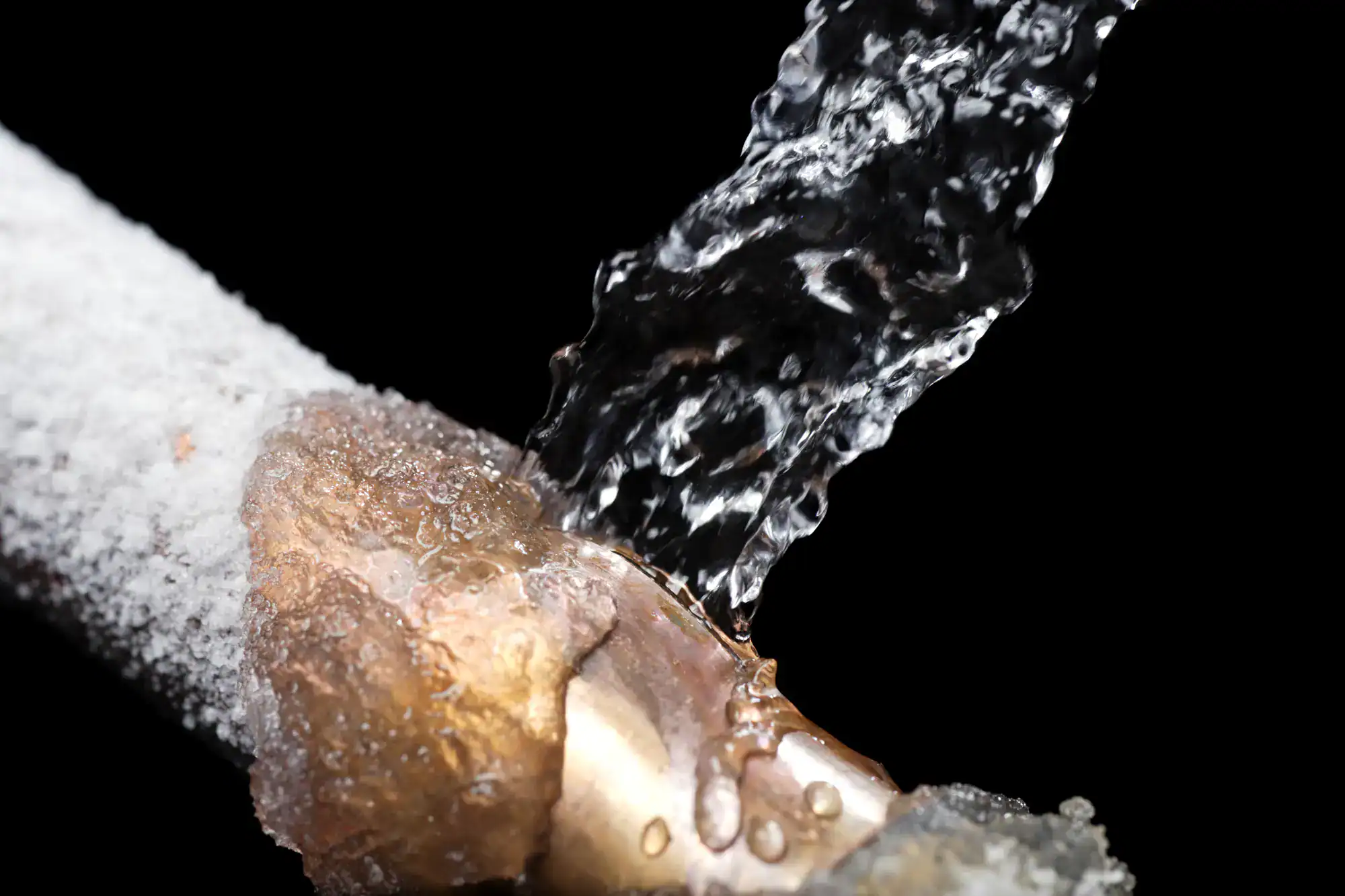
Burst pipe repair becomes necessary when frozen pipes have already cracked or split, causing water to leak into your home. This requires cutting out the damaged section and installing new pipe to stop the leak and restore your plumbing system.
The key is catching frozen pipes before they burst. If you notice reduced water flow or no water at all during cold weather, call us immediately for thawing service before the situation becomes a much more expensive burst pipe repair.
While you might be tempted to try a hair dryer or space heater, professional thawing is much safer and more effective. DIY methods often apply heat too quickly or unevenly, which can actually cause pipes to crack from thermal shock.
We use specialized equipment that applies controlled, even heat to gradually thaw your pipes without damaging them. Our professional approach also includes checking for leaks or stress damage that might not be visible but could cause problems later.
Most importantly, we know how to safely shut off water supplies and handle the situation if we discover the pipe has already burst. Attempting DIY repairs on burst pipes often leads to more water damage and higher repair costs.
Our frozen pipe thawing service typically costs much less than burst pipe repair, which is why we recommend calling as soon as you notice reduced water flow. We provide upfront pricing before starting any work, so you’ll know exactly what to expect.
Simple pipe thawing jobs are usually completed within a few hours, while burst pipe repairs depend on the location and extent of damage. Pipes in easily accessible areas cost less to repair than those behind walls or under concrete slabs.
The real savings come from preventing burst pipes in the first place. Emergency thawing service costs a fraction of what you’d spend on water damage restoration, new flooring, and extensive pipe replacement after a major burst.
Sag Bridge’s location in Northern Illinois means temperatures regularly drop well below 32 degrees during winter months, creating perfect conditions for pipe freezing. Pipes in unheated areas like basements, crawl spaces, and exterior walls are most vulnerable.
Poor insulation around pipes, gaps that let cold air in near plumbing, and thermostats set too low all contribute to freezing problems. Pipes that worked fine for years can suddenly freeze when we get an unusually cold snap or when heating systems fail.
Even pipes inside heated homes can freeze if they’re located near exterior walls or in areas where cold air infiltrates through small gaps around windows, doors, or where utilities enter the house.
The most effective prevention starts with proper pipe insulation, especially in unheated areas like basements and crawl spaces. We can identify which pipes in your home are most at risk and recommend the right insulation approach for each location.
During extreme cold snaps, let faucets drip slightly to keep water moving through the pipes, and keep your thermostat at a consistent temperature day and night. Opening cabinet doors under sinks helps warm air reach pipes near exterior walls.
Before winter hits, disconnect garden hoses and shut off outdoor water supplies. Small gaps around pipes, electrical wiring, or vents should be sealed to prevent cold air from reaching your plumbing. These simple steps can save you from expensive emergency calls during the coldest Illinois weather.