
Our Reviews
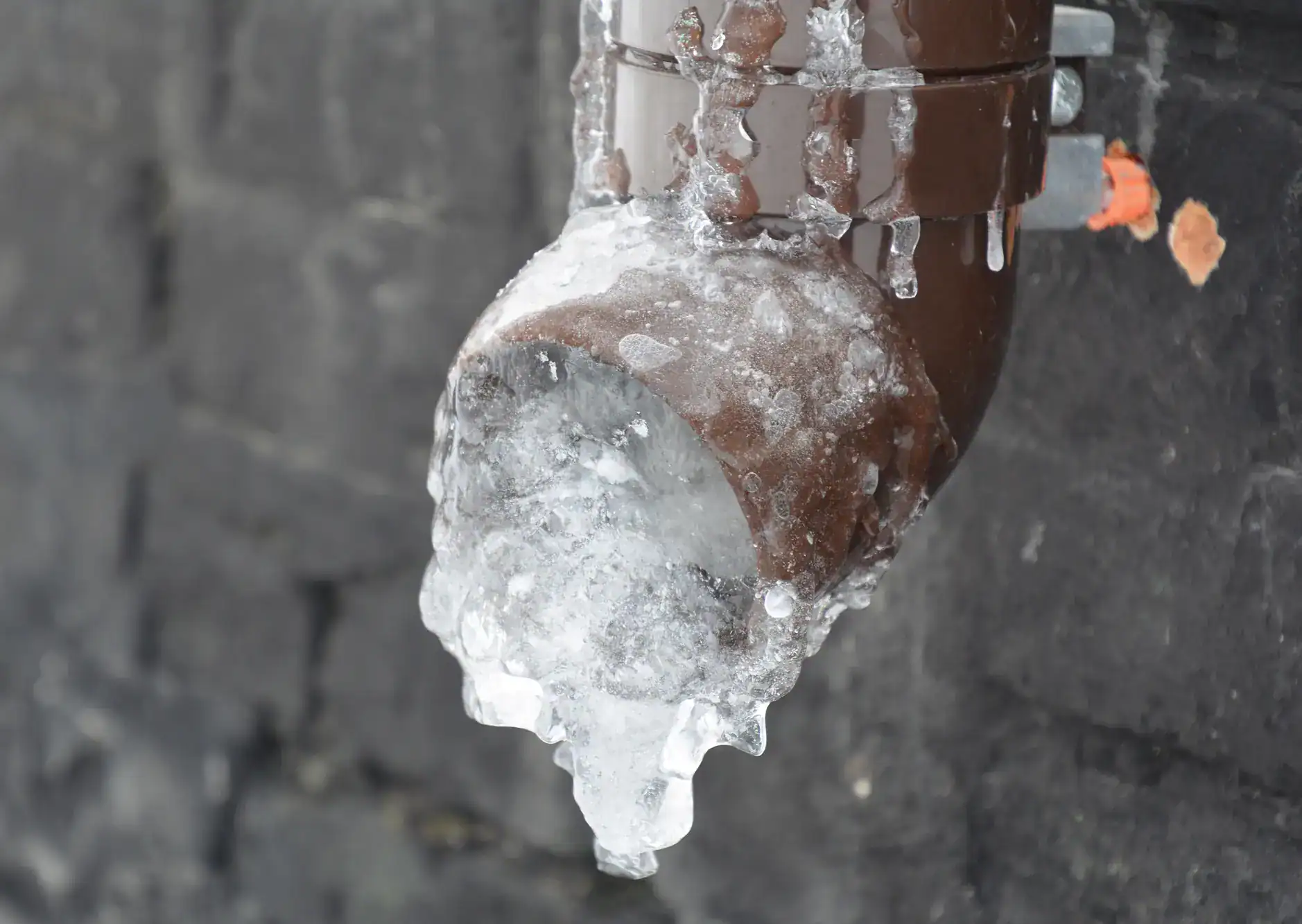
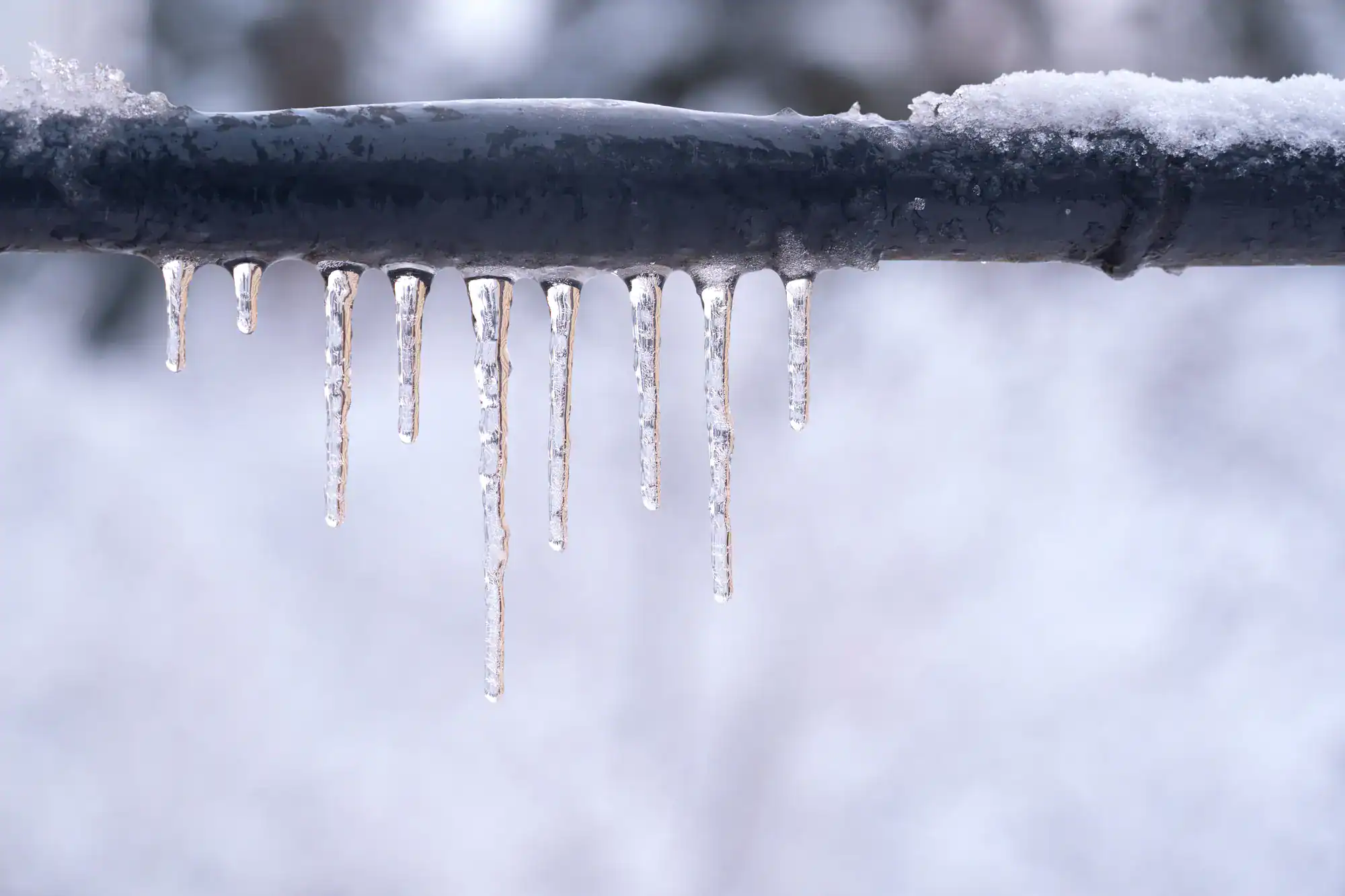
You wake up on a freezing morning and turn the faucet—nothing but a trickle. Your pipes are frozen, and every minute counts before they burst and flood your home.
We get your water flowing again fast. Our professional thawing equipment safely melts ice blockages without damaging your pipes. No more cold showers, no dishes piling up, no wondering if your pipes will explode while you’re at work.
Most frozen pipe calls get resolved the same day. You get your normal water pressure back, your daily routine continues, and you avoid the nightmare of burst pipes flooding your basement or crawl space.
All Rooter Hydro Jetting Experts has been handling Chicago’s frozen pipe emergencies since 2000. We know exactly what happens when temperatures drop below freezing for hours—and we’re ready for it.
Steger homeowners choose us because we understand how quickly pipes freeze in this area. We’ve thawed thousands of frozen pipes throughout Cook County, and we know which homes are most vulnerable.
Licensed, bonded, and insured. We show up when we say we will, fix what needs fixing, and charge exactly what we quote upfront. No surprises when you’re already dealing with a plumbing emergency.

First, we locate exactly where your pipes are frozen. Most freeze-ups happen along exterior walls, in crawl spaces, or where pipes enter your home. We use professional diagnostic tools to pinpoint the problem fast.
Next, we safely thaw the ice using specialized heating equipment. We start from the faucet end and work back toward the frozen section, so melted water can flow out instead of building pressure. No torches, no risky DIY methods—just controlled, professional thawing.
Finally, we test your entire system for damage. Once water flows normally, we check for leaks, cracks, or weak spots that cold weather might have created. If we find problems, we fix them before they become bigger headaches.
Ready to get started?
Our frozen pipe service includes emergency thawing, burst pipe repair, and prevention planning. We handle everything from minor freeze-ups to major pipe ruptures that flood basements.
Steger’s location south of Chicago means you face the same brutal winter conditions as the city, but with the added challenge of older home construction in some neighborhoods. Many homes here have pipes running through unheated spaces or along exterior walls—exactly where freeze-ups happen.
We also provide pipe insulation, heat tape installation, and whole-home winterization to prevent future problems. After we fix your immediate crisis, we help you avoid the next one. Smart homeowners in Steger plan ahead for winter instead of waiting for the next emergency.
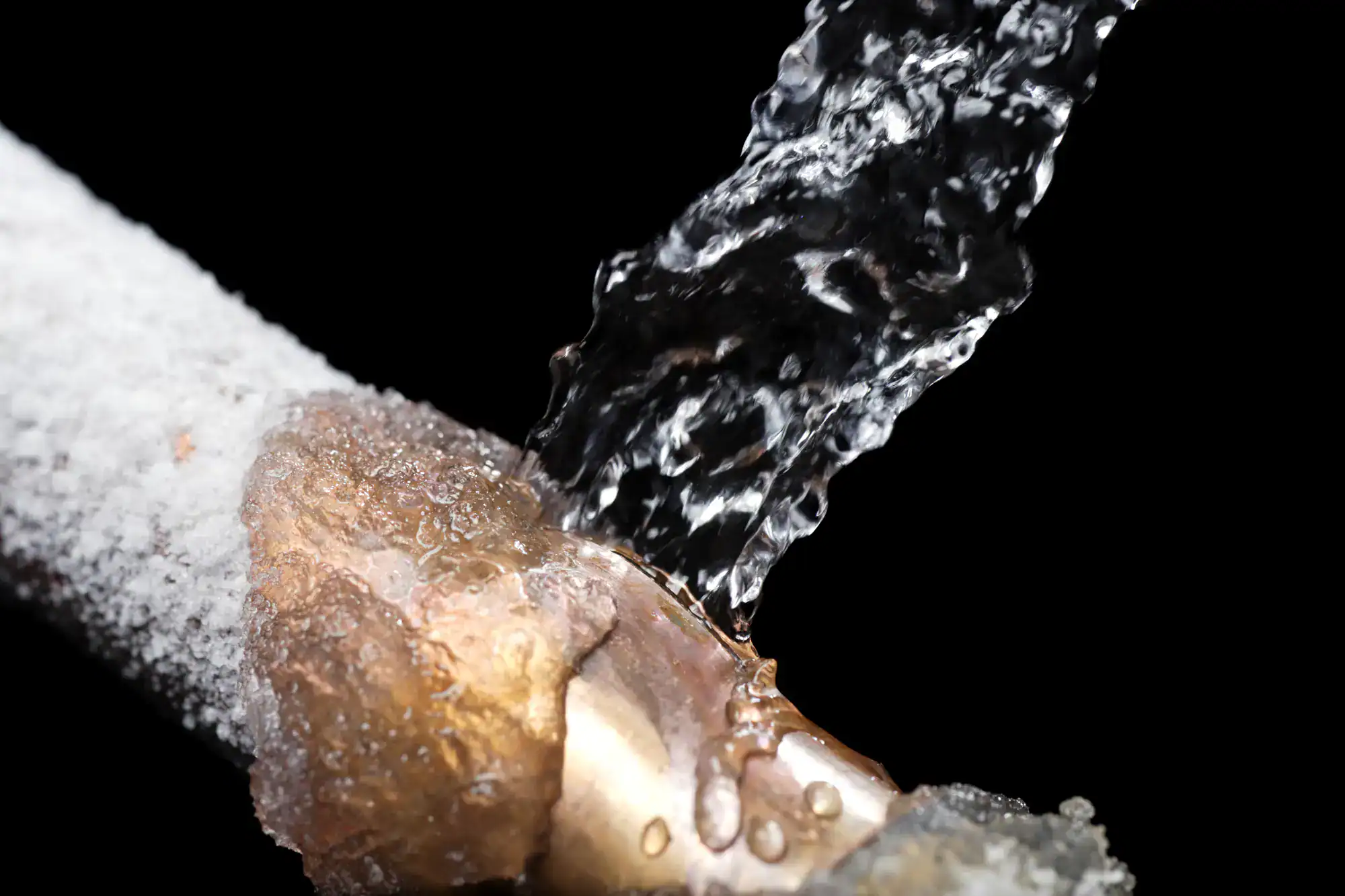
We provide 24/7 emergency service throughout Steger and can typically respond within 2-4 hours of your call. Frozen pipes are true emergencies because they can burst without warning, causing thousands of dollars in water damage.
Our emergency response time depends on weather conditions and current call volume, but we prioritize frozen pipe calls because we know how quickly the situation can escalate. We keep our trucks stocked with professional thawing equipment and stay ready even during the worst winter storms.
When you call, we’ll give you an accurate arrival time and walk you through immediate steps to minimize damage while we’re on our way.
Pipes freeze when temperatures drop below 32°F for extended periods, usually 6-8 hours. In Steger, the most vulnerable pipes run along exterior walls, through unheated crawl spaces, or in areas where your heating system can’t reach effectively.
The biggest culprit is often furnace failure during cold nights. When your heating system stops working and indoor temperatures plummet, pipes in cold areas of your home freeze first. Pipes serving outdoor faucets, those in garages, and water lines in basements are especially at risk.
Poor insulation around pipes, gaps in exterior walls, and even leaving cabinet doors closed during cold snaps can create the perfect conditions for freeze-ups. Chicago’s harsh winters combined with older home construction in parts of Steger make this a common problem.
Simple pipe thawing typically costs $200-500, depending on the location and severity of the freeze-up. If pipes have burst, repair costs range from $500-2000 depending on the extent of damage and accessibility.
Emergency service during nights, weekends, or holidays includes additional fees, but we always provide upfront pricing before starting work. We’ll never surprise you with hidden charges when you’re already dealing with a plumbing crisis.
The real cost comparison is against water damage from burst pipes. Insurance claims for frozen pipe damage average $15,000, and a single burst pipe can release over 250 gallons of water per day. Professional thawing prevents this catastrophic damage and saves you thousands in the long run.
You can attempt basic thawing using a hair dryer or space heater, but only if you can safely access the frozen section and you’re certain the pipes haven’t burst. Never use open flames, blowtorches, or high-heat sources that can damage pipes or create fire hazards.
The safest DIY approach is opening cabinet doors to let warm air circulate, letting faucets drip slightly, and applying gentle heat with a hair dryer. Work from the faucet toward the frozen area so melted water can flow out instead of building pressure.
However, if you can’t locate the freeze, if pipes are in hard-to-reach areas, or if you suspect burst pipes, call us immediately. Improper thawing techniques can cause more damage than the original freeze-up, and burst pipes require immediate professional attention to prevent flooding.
The most effective prevention combines proper insulation, consistent heating, and smart winter habits. We install pipe insulation in vulnerable areas, add heat tape to problem pipes, and seal gaps where cold air enters your home.
Keep your thermostat at 55°F minimum, even when away from home. Open cabinet doors during cold snaps to let warm air reach pipes under sinks. Disconnect outdoor hoses and shut off water to exterior faucets before winter arrives.
For Steger homes with recurring freeze problems, we often recommend relocating vulnerable pipes or improving insulation in crawl spaces and basements. A small investment in prevention saves thousands in emergency repairs and water damage. We’ll assess your specific situation and recommend the most cost-effective solutions.
First, turn off your main water supply to prevent flooding if pipes burst while you’re trying to thaw them. Keep affected faucets open so water and steam can escape as ice melts, reducing pressure in the pipes.
Look for signs of burst pipes like wet walls, water stains, or unusual moisture. If you find any damage, don’t attempt thawing—call us immediately. Ice can actually plug small holes temporarily, and when it melts, water will gush out.
While waiting for our help, you can open cabinet doors to warm pipes under sinks and gently apply heat with a hair dryer if the frozen area is accessible. Never use high heat or open flames, and stop immediately if you see any signs of damage or leaks.