That thumping in your walls isn't a ghost—it's your pipes telling you they're freezing. Here's what Cook County homeowners need to know before disaster strikes.
Share:
Summary:
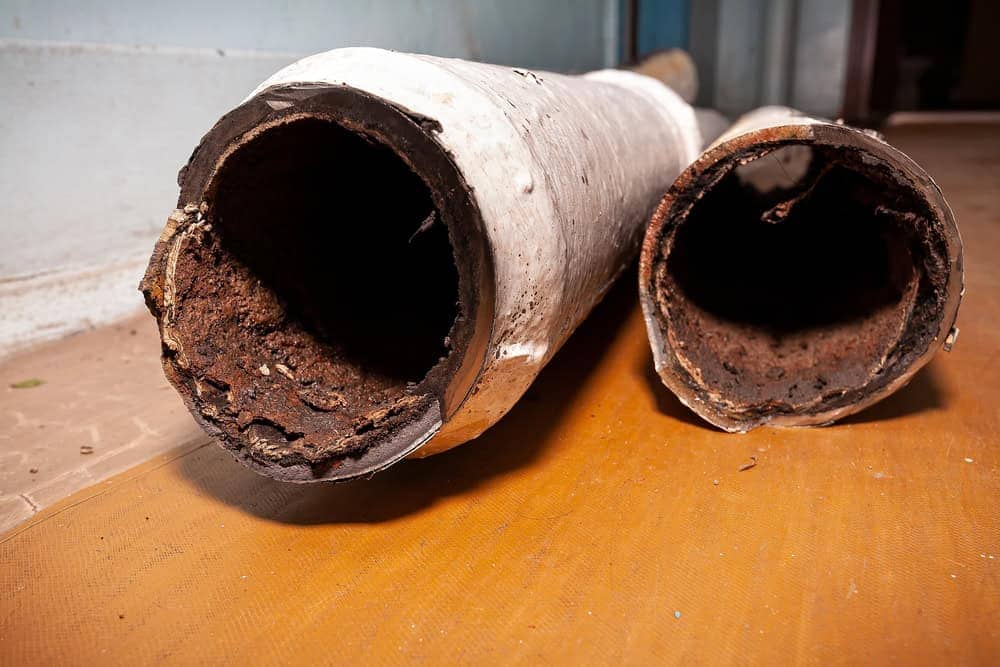
Water does something unusual when it freezes—it expands. That’s basic science, but inside your plumbing system, it’s a recipe for disaster. When temperatures in Cook County drop below 20°F, water inside your pipes starts turning to ice. As it freezes, it expands by about 9%, creating pressure that can reach 40,000 PSI on your pipe walls.
That thumping sound you’re hearing? It’s the ice pushing against the pipe, or it’s water trying to flow past a blockage. Either way, it’s your plumbing system telling you it’s in trouble. And here’s the thing most people don’t realize—the pipe doesn’t usually burst where the ice forms. It bursts somewhere between the blockage and your faucet, often in a spot where you can’t even see it until water starts pouring through your ceiling.

Cook County isn’t just cold in winter—it’s brutal. We’re talking extended periods where temperatures don’t climb above 20°F for days or even weeks. Add in those polar vortex events that drop temps into the negatives, and you’ve got the perfect storm for frozen pipes .
But temperature alone isn’t the only culprit. It’s the combination of factors unique to this area. Many homes in Cook County were built decades ago, before modern insulation standards. Pipes run through unheated basements, crawl spaces with minimal insulation, and along exterior walls where there’s barely any protection from the cold. Properties near Lake Michigan face even more severe wind chill, pushing frigid air into every crack and gap.
Then there’s the construction style itself. Chicago-area homes often have basements—a necessity because of how the ground freezes and expands here. But those basements are notoriously difficult to keep warm, and that’s exactly where most of your main plumbing lines run. Attics, garages, and crawl spaces create additional vulnerable zones where pipes are exposed to temperatures that can drop dangerously low in just six to eight hours.
The problem compounds during those stretches of consecutive freezing days. Even if your pipes survived the first cold snap, sustained exposure weakens them. Cold air seeps into areas that normally stay warm enough, and suddenly pipes that have never frozen before are at risk. It’s not paranoia—it’s just the reality of living in a place where winter doesn’t mess around.
You don’t have to wait for a burst pipe to know you’ve got a problem. Your plumbing system gives you warning signs—you just have to know what to look for.
The most obvious sign is reduced water flow. Turn on your faucet and only a trickle comes out, even though your neighbors have normal pressure. That’s a frozen pipe restricting flow. Sometimes you’ll get nothing at all—the ice blockage is complete, and water can’t get through.
Then there’s that sound. Thumping, banging, or gurgling noises coming from your walls or floors. That’s water trying to push past ice, or it’s the pipe itself expanding and contracting under pressure. Some people describe it as a knocking sound, like someone tapping from inside the walls. It’s unsettling, and it should be—it means you’re running out of time.
Frost on exposed pipes is another dead giveaway. Check your basement, crawl space, or any pipes you can see. If there’s visible frost or condensation on the outside, the inside is definitely frozen. You might also notice strange smells coming from drains—when water can’t flow properly, gases that normally get flushed away start backing up.
Here’s what most people miss: not all your faucets will stop working at once. You might have water in the kitchen but nothing in the bathroom. That tells you the freeze is localized, probably in a pipe that serves just that area of your house. It also tells you that other pipes might be next if the temperature doesn’t change.
The worst sign? Water stains on walls or ceilings, or actual dripping. If you’re seeing that, the pipe has already burst. At that point, you’re not preventing damage—you’re in full emergency mode. Turn off your main water supply immediately and call for help.
Prevention is always cheaper than repair. A burst pipe can cost you anywhere from $1,000 to $15,000 once you factor in water damage, mold remediation, and structural repairs. But most frozen pipes are preventable if you take action before the temperature drops.
The single most important thing you can do is maintain heat. Keep your thermostat at a minimum of 55°F, even when you’re away from home. Don’t turn it down to save money while you’re on vacation—that’s how you come home to a flooded basement and a five-figure repair bill. If you’re leaving town during winter, either have someone check on your house daily or shut off your main water supply entirely.
Let your faucets drip. It sounds wasteful, but moving water resists freezing far better than standing water. During extreme cold—anything below 20°F—let both hot and cold water drip from faucets on exterior walls. It doesn’t need to be a stream, just a steady trickle. The small increase in your water bill is nothing compared to the cost of a burst pipe.
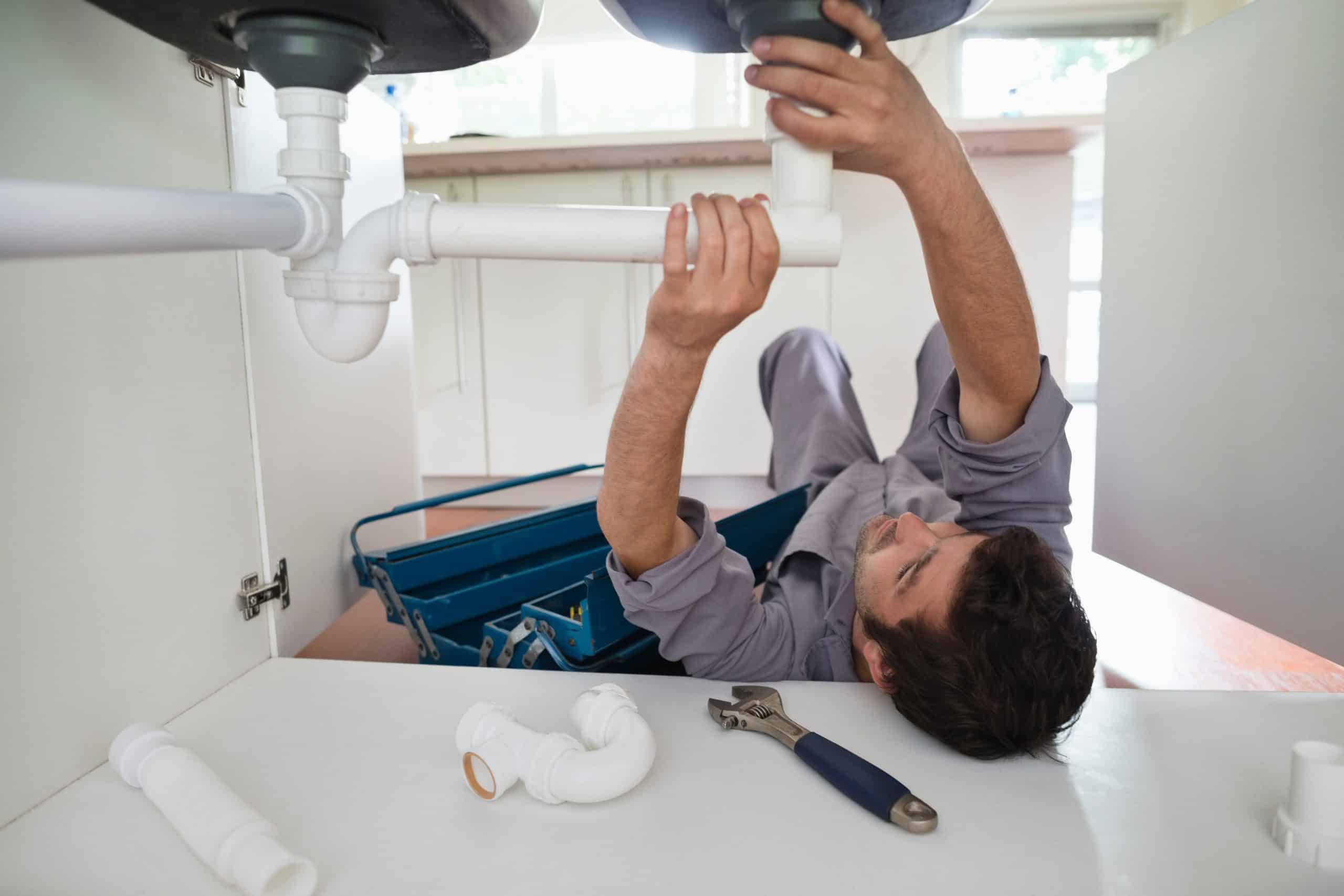
Open cabinet doors under sinks, especially those on exterior walls. This lets warm air from your home circulate around the pipes. It’s a simple step that makes a real difference, particularly in kitchens and bathrooms where pipes are tucked away in unheated spaces.
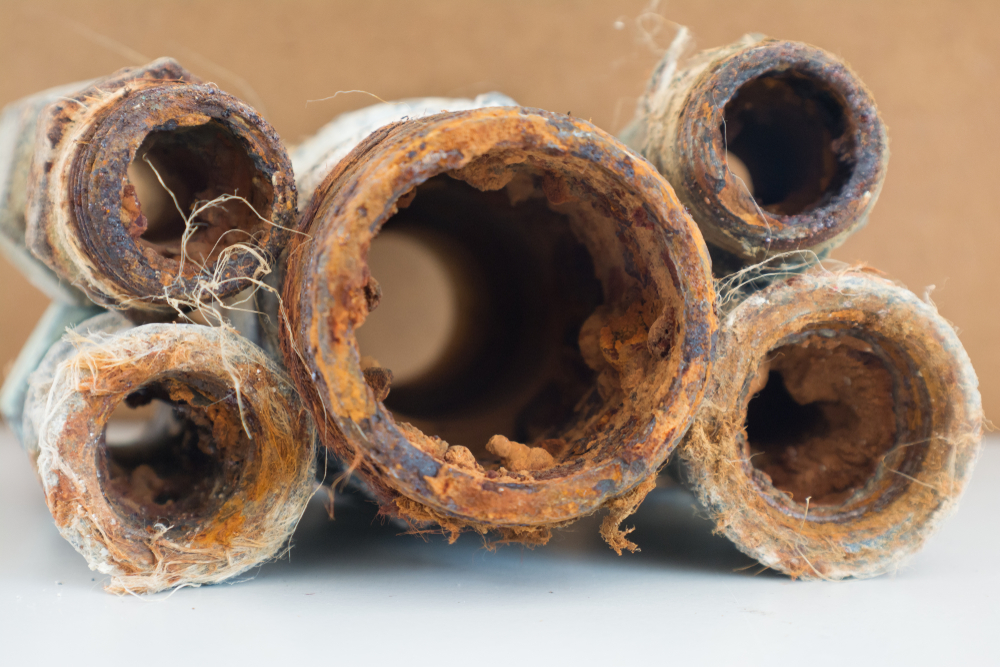
Insulate vulnerable pipes before winter hits. Foam pipe sleeves are cheap and available at any hardware store. Focus on pipes in basements, crawl spaces, attics, and garages—anywhere that doesn’t have consistent heat. Heat tape or heating cables are another option for pipes that freeze repeatedly. Just make sure you’re using products that are UL-listed and approved for the location where you’re installing them.
Seal gaps and cracks where pipes enter your home. Cold air sneaks in through the smallest openings, and once it reaches your pipes, the damage happens fast. Use caulk or spray foam to seal around pipes where they come through walls, floors, or foundations. Don’t forget to check around your basement windows and any vents that might let in drafts.
Disconnect outdoor hoses and shut off water to exterior faucets. Water left in hoses or outdoor spigots will freeze, and that ice can expand back into your house and crack the pipe. Drain the lines completely and, if possible, use an indoor valve to shut off water to outdoor faucets entirely.
You’ve checked the faucet and nothing’s coming out. Or worse, you’re hearing that thumping sound and you know something’s wrong. Here’s what you do right now.
First, don’t panic—but do act fast. Time matters. The longer water stays frozen, the higher the pressure builds, and the more likely that pipe is to burst. Turn on the faucet connected to the frozen pipe and leave it open. Once you start thawing, you want somewhere for the water and steam to escape. This also helps relieve pressure in the system.
If you can locate the frozen section and it’s accessible, you can try gentle heat. Use a hair dryer, heating pad, or space heater—never an open flame. Torches, propane heaters, and anything with a flame can cause fires, and they can make the pipe burst by heating it too quickly. Start closest to the faucet and work your way toward the frozen section. Apply heat slowly and evenly.
But here’s the reality: if you’re not sure where the freeze is, if it’s inside a wall, or if you’re seeing any signs of cracks or leaks, stop. Don’t try to DIY this. Frozen pipes that have already started to rupture can burst completely when you thaw them, and suddenly you’re dealing with gallons of water flooding your home.
This is when you call a professional. Not tomorrow, not when business hours start—now. A 24-hour emergency plumber has the equipment to thaw pipes safely without causing additional damage. We can also inspect for cracks or weak spots that might fail once the thaw happens. Professional thawing equipment is designed specifically for this—it applies controlled, even heat without the risks of DIY methods.
If you see water stains, hear dripping, or notice wet spots, the pipe has already burst. Shut off your main water supply immediately. That valve is usually near your water meter or where the main line enters your house. Everyone in your household should know where it is and how to use it. Then call for emergency repair. The faster you stop the water flow, the less damage you’ll face.
That thumping in your walls isn’t a mystery—it’s a warning. Frozen pipes are one of the most common and most expensive winter emergencies in Cook County, but they don’t have to be inevitable. When you understand what causes them, recognize the warning signs, and take preventative action before temperatures drop, you can avoid the nightmare of coming home to a flooded house.
The key is acting fast. Whether it’s maintaining proper heat, insulating vulnerable pipes, or calling for professional help the moment you suspect a problem, quick action is what separates a minor inconvenience from a $10,000 disaster. Don’t wait until you hear that thumping sound or discover you have no water. Prepare now, and if something does go wrong, know that help is available 24/7.
We’ve been handling frozen pipe emergencies throughout Cook County since 2000. If you’re dealing with frozen pipes, hearing strange sounds, or just want to make sure your plumbing is ready for Chicago’s brutal winter, reach out. Your home deserves better than a haunting—it deserves protection.
Article details:
Share:
Continue learning: