Chicago's brutal winters don't just freeze the lakefront—they wreak havoc on your plumbing. Discover the hidden ways winter damages pipes and what you can do before temperatures drop.
Share:
Summary:
You’re not imagining it—Chicago winters really are that brutal on your plumbing. When temperatures plunge below zero and wind chills make the lakefront feel like the Arctic, your pipes are fighting a battle you can’t see. Most homeowners don’t think about their plumbing until something goes wrong. By then, you’re dealing with burst pipes, flooding, and repair bills that can easily hit five figures.
The reality is that frozen pipes cause over $628 million in losses annually, and Chicago’s climate puts local homes at serious risk. But here’s the good news: understanding how winter damages your plumbing is the first step to preventing it. Let’s look at exactly what’s happening inside your walls when temperatures drop.
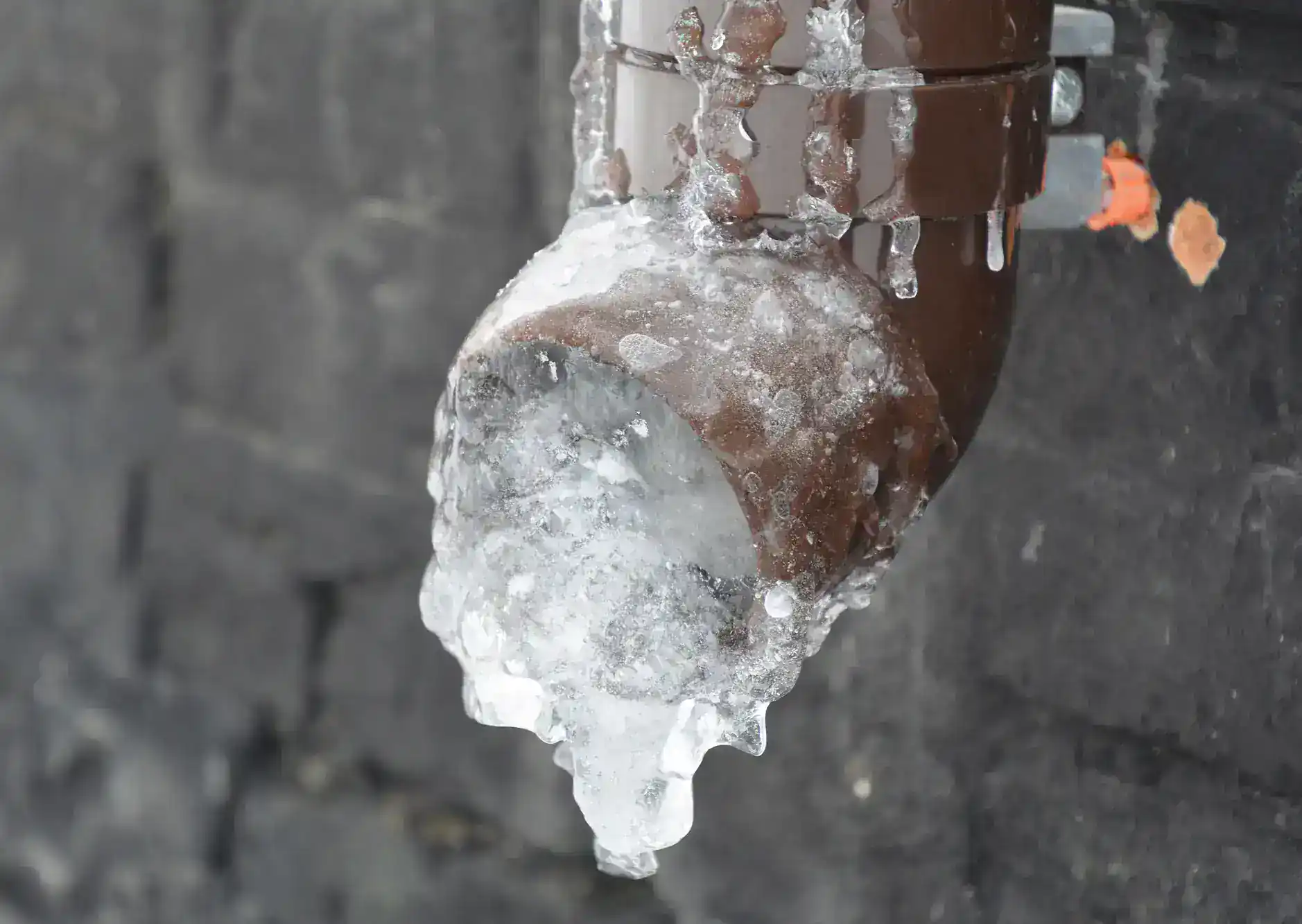
Your pipes don’t just freeze once and stay frozen all winter. Chicago’s temperature swings create a freeze-thaw cycle that’s actually worse than consistent cold. When water freezes, it expands by about 9%, creating pressure inside your pipes that can exceed 2,000 pounds per square inch. That’s enough force to crack copper, PEX, and even cast iron.
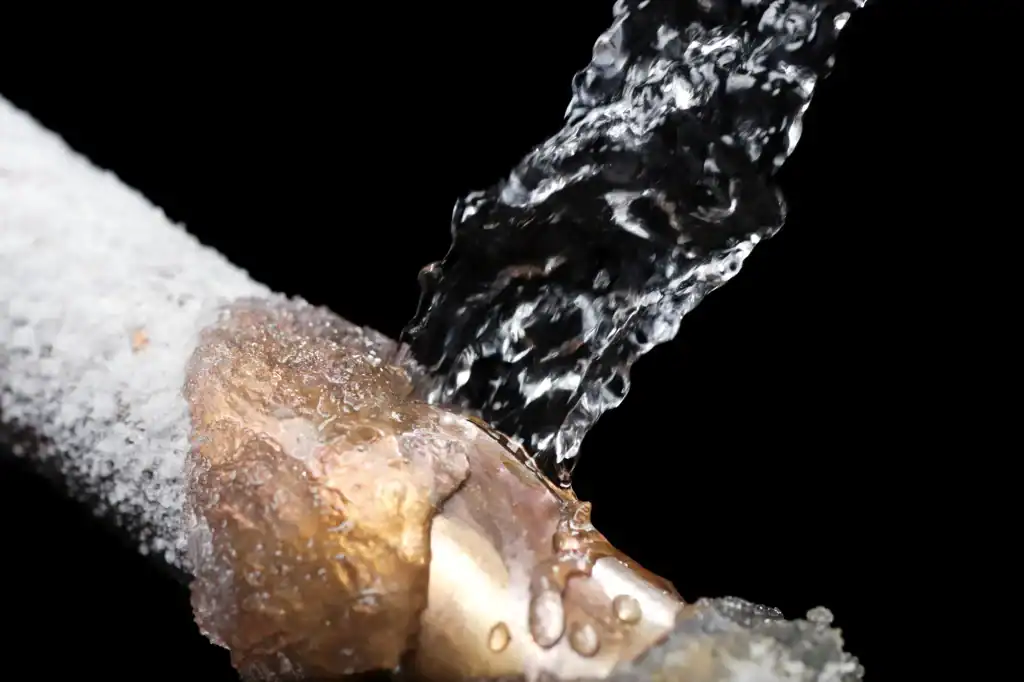
But the real damage often happens when things start warming up. As ice melts, water pressure returns to the system. If the freezing created even a hairline crack, that’s when you’ll see water start pouring into your basement or walls. The pipe doesn’t always burst at the frozen spot—it fails at the weakest point, which could be anywhere along the line.
This is why you might not notice problems until a few days after the worst cold has passed. The freeze created the damage, but the thaw reveals it.
If you own one of Chicago’s classic bungalows, vintage brick buildings, or homes built before 1986, you’re dealing with plumbing that wasn’t designed for the kind of insulation standards we have today. These older properties have pipes running through exterior walls with minimal protection, and many use materials that respond differently to freezing than modern systems.
Cast iron and clay pipes—common in older Chicago neighborhoods—handle cold differently than PVC or copper. They’re more brittle when temperatures drop, and they often sit in areas of your home that were never meant to be heated. Basements, crawl spaces, and attic runs in these buildings face direct exposure to Illinois’ harsh winter temperatures that regularly hit 20°F or lower for extended periods.
The challenge with older homes isn’t just the pipes themselves. It’s the combination of outdated materials, poor insulation, and architectural features like unheated mudrooms or enclosed porches where plumbing lines run. These are the spots where freezing happens first, and they’re often hidden behind walls where you can’t monitor them.
Start by identifying which pipes are most vulnerable. Walk through your basement and look for any plumbing along exterior walls. Check your attic if you have bathroom or kitchen plumbing that runs overhead. Feel the temperature in these spaces during cold weather—if it’s noticeably colder than the rest of your house, those pipes need attention.
Insulation is your first line of defense, but it has to be the right kind. Foam pipe sleeves work well for accessible pipes, and they’re affordable enough to cover everything in your basement. For pipes in walls or harder-to-reach areas, consider having a professional install heat tape or heating cables with automatic thermostats. These provide consistent warmth when temperatures drop below a certain threshold.
Don’t overlook the small details. Seal any gaps or cracks where cold air can reach your pipes. That might mean adding weatherstripping around basement windows, caulking around where pipes enter your home, or even adding extra insulation in your rim joists. Every bit of cold air you keep away from your plumbing reduces your risk.
The moment a pipe freezes, you’re on borrowed time. Ice doesn’t just block water flow—it creates a pressure situation that your plumbing was never designed to handle. As water continues to freeze, it needs somewhere to expand. When it can’t, that pressure builds between the ice blockage and the next closed valve or fixture.
Here’s what most people don’t realize: a single burst pipe can release 2 to 4 gallons of water every minute. If that happens while you’re at work or asleep, you could have hundreds of gallons flooding your basement before you even know there’s a problem. A small crack—just one-eighth of an inch—can dump 250 gallons per day into your home.
The damage goes far beyond wet floors. Water seeps into drywall, insulation, flooring, and framing. It destroys personal belongings, damages electrical systems, and creates the perfect environment for mold growth. Repairs often take weeks or months to complete, and the average claim for frozen pipe damage runs around $15,000. Some homeowners face bills of $20,000 or more when the damage is extensive.
You might think you’d hear a pipe burst, but that’s not always the case. Sometimes the crack is small and the leak is slow. You won’t notice until you see water stains on your ceiling, feel a wet spot in your carpet, or get hit with an unusually high water bill. By then, water has been soaking into your home’s structure for days or even weeks.
The worst-case scenario is a burst that happens during a polar vortex when temperatures stay well below zero for days. Not only are you dealing with flooding, but you’re trying to get emergency repairs done when every plumber in Chicago is swamped with calls. Response times stretch out, and you’re left managing the crisis on your own while you wait.
This is why prevention matters so much. Once a pipe bursts, you’re in damage control mode. The water is already flowing, the destruction is happening, and all you can do is minimize how bad it gets. Catching the problem before it reaches that point saves you thousands in repairs and weeks of disruption to your life.
Not every cold day threatens your pipes, but Chicago’s winter brings plenty that do. Pipes can start freezing when temperatures drop to 32°F, especially if they’re in uninsulated or exposed areas. But the real danger zone hits when outdoor temperatures stay at 20°F or lower for six hours or more.
That’s when even pipes inside your home—the ones running through exterior walls or unheated spaces—start losing heat faster than your home’s heating system can protect them. Interior plumbing along north-facing exterior walls is particularly vulnerable because those walls never get direct sunlight during winter.
Chicago’s climate makes this a regular occurrence. Average winter highs hover just above freezing, and overnight lows frequently dip well below 20°F. When an Arctic blast rolls through, you can see temperatures dive deep below zero with wind chills that make the conditions even more brutal.

Living in Cook County means dealing with weather patterns that don’t affect other parts of the country the same way. Lake Michigan creates its own microclimate, and while lake-effect snow gets most of the attention, the lake also influences temperature and wind patterns that impact your plumbing.
Those biting lake-effect winds don’t just make it feel colder—they actually pull heat away from your home faster. Wind chill doesn’t directly freeze pipes, but high winds increase heat loss from your building’s exterior. If you have pipes in exterior walls or near drafty areas, that wind is working against you.
The rapid temperature swings Chicago experiences also create problems. You might see a relatively mild day in the 30s followed by an overnight plunge to single digits. Your pipes don’t have time to gradually adjust—they go from manageable conditions to freezing risk in just a few hours.
This is especially problematic in neighborhoods close to the lake or in areas with older housing stock. Buildings in Palos Park, Orland Park, Lemont, and other Cook County communities face these conditions year after year. The homes that make it through winter without plumbing problems are usually the ones where homeowners took preventive action before the first hard freeze.
Understanding your specific risk means looking at both your home’s age and its location. If you’re in an older building near the lake or in a community known for harsh winter conditions, you need to be more aggressive with your prevention strategies. That might mean insulating pipes that other homeowners could leave exposed, or it might mean installing heat cables in areas where you’ve had problems before.
Pay attention to weather forecasts, especially when meteorologists start talking about polar vortexes or Arctic blasts. Those aren’t just scary terms—they’re warnings that conditions are about to get dangerous for your plumbing. When you hear those forecasts, take immediate action to protect vulnerable pipes.
You turn on the faucet and nothing comes out. Or maybe just a trickle. That’s your first sign that somewhere in your plumbing system, water has frozen solid. What you do in the next few minutes can make the difference between a minor inconvenience and a major disaster.
First, don’t panic. A frozen pipe hasn’t necessarily burst yet. Keep that faucet open—as the ice starts to melt, water needs somewhere to go. Leaving it open also relieves pressure in the system, which reduces the chance of the pipe cracking.
If you can locate the frozen section, you can try to thaw it yourself. Use a hair dryer, space heater, or heating pad to apply gentle, consistent heat. Start near the faucet end and work toward the frozen section. This lets melting water flow out instead of building up pressure behind the ice. Never use open flames, propane torches, or anything that could damage the pipe or create a fire hazard.
But here’s where most people make a critical mistake: they assume that because water isn’t flowing, the pipe must be frozen somewhere obvious. In reality, the frozen section could be inside a wall, under a floor, or in a crawl space you can’t easily access. If you can’t find the problem or if you suspect the pipe might have already cracked, it’s time to call a professional.
Turn off your main water supply if you see any signs of leaking or if you’re not confident in your ability to handle the situation. Knowing where that main shutoff valve is located should be part of your winter preparation—don’t wait until you’re in crisis mode to figure it out.
Watch for warning signs even before water stops flowing. Strange odors from drains, reduced water pressure, gurgling sounds, or visible frost on exposed pipes all indicate that freezing is happening or about to happen. Catching it at this stage gives you more options and more time to prevent damage.
If you suspect frozen pipes but everything seems okay, check all your faucets. One frozen pipe often means others are at risk too. Test every fixture in your home, especially those on exterior walls or in colder areas. Finding multiple frozen spots tells you that conditions are worse than you thought and professional help is probably necessary.
Remember that even after you’ve thawed a pipe, hidden damage might exist. Small cracks or weakened sections might not leak immediately but could fail later when pressure returns to normal. If you’ve dealt with frozen pipes, consider having a professional inspect your system to catch problems before they turn into emergencies.
Chicago winters aren’t getting any milder, and your plumbing is only as protected as the effort you put into prevention. The seven ways winter damages your pipes—from freeze-thaw cycles to pressure buildups to temperature extremes—all share one thing in common: they’re largely preventable with the right preparation and quick action when problems start.
You don’t have to be a plumbing expert to protect your home. Insulate vulnerable pipes, seal drafts, maintain consistent indoor temperatures, and know the warning signs of freezing. When the forecast calls for extreme cold, take those extra steps like letting faucets drip and opening cabinet doors to circulate warm air.
But you also don’t have to handle everything alone. When prevention isn’t enough or when you’re dealing with a situation that’s beyond DIY fixes, we provide the local expertise and 24/7 emergency response Cook County homeowners need. Winter plumbing emergencies don’t wait for convenient times, and neither should your access to professional help.
Article details:
Share:
Continue learning: