Tired of calling the plumber every few months for the same clog? Discover why hydro jetting outperforms drain snaking for long-term pipe cleaning in Cook County homes.
Share:
Summary:
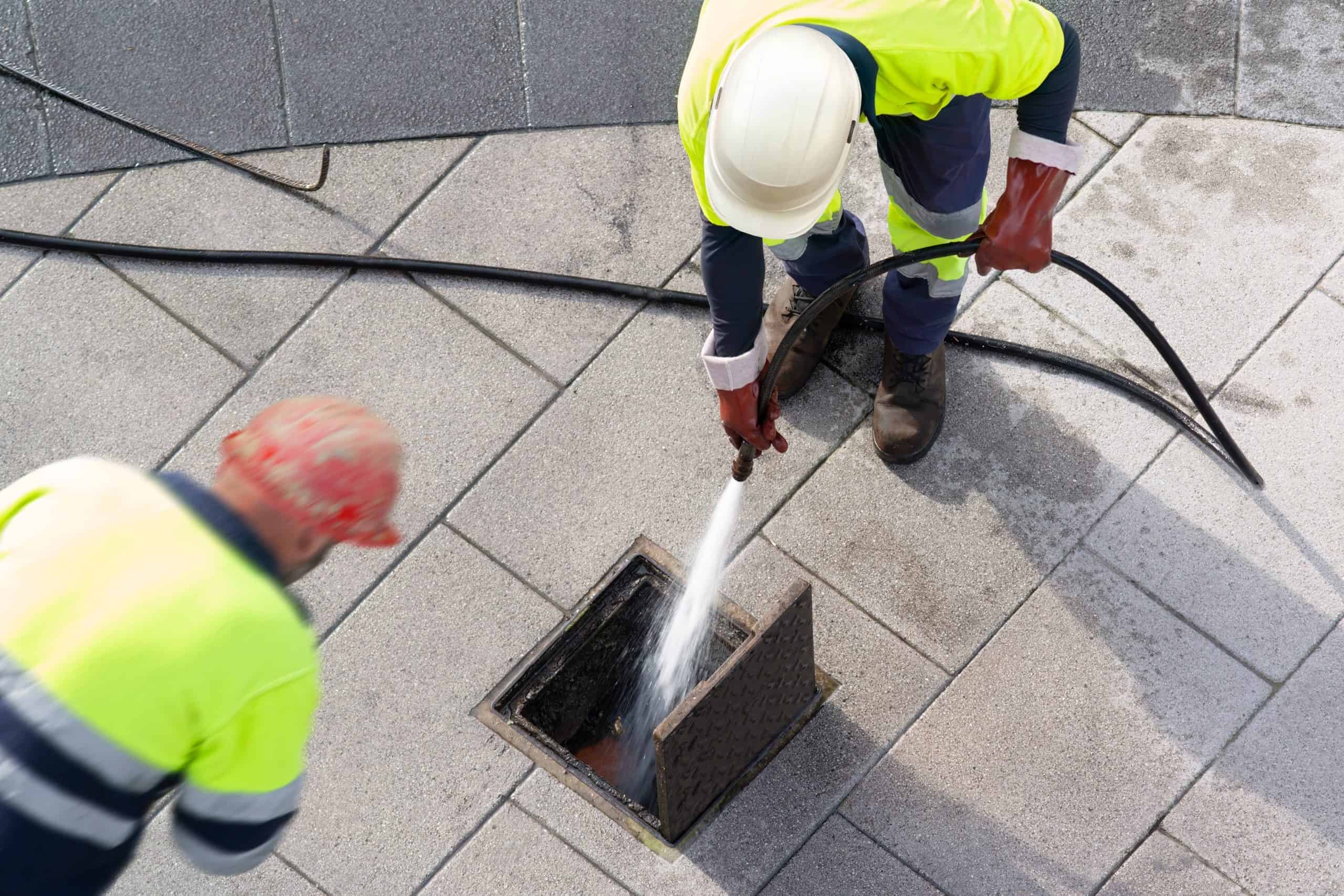
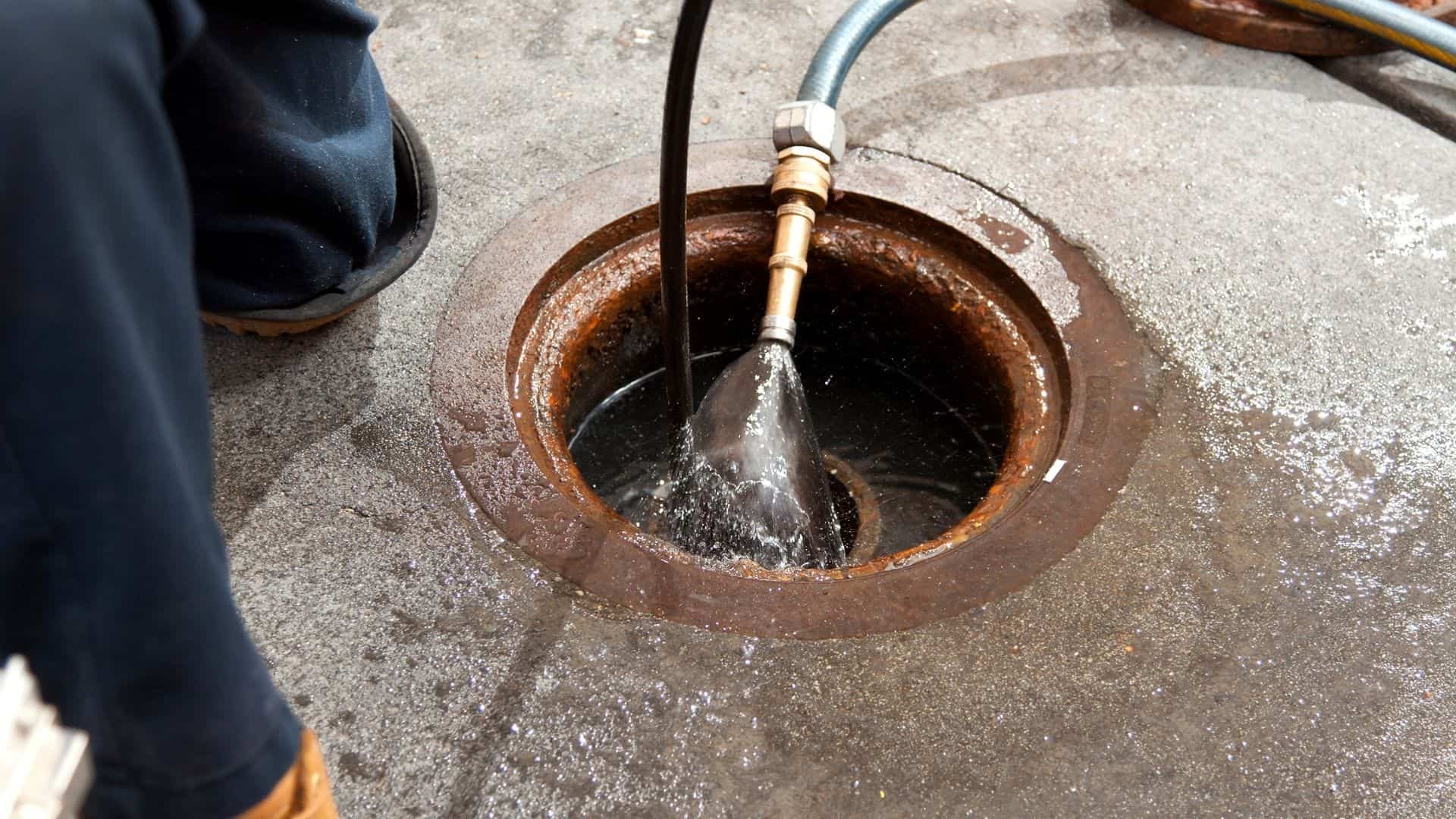
Hydro jetting uses high-pressure water—typically between 3,000 and 4,000 PSI for residential applications—to completely clean the inside of your pipes. A specialized nozzle gets inserted into your drain line and shoots water in multiple directions simultaneously, creating a 360-degree cleaning effect that scours every inch of the pipe’s interior.
The process doesn’t just break through clogs. It removes everything: grease buildup, soap scum, mineral deposits, scale, debris, and even tree roots. The high-pressure stream strips away years of accumulation from the pipe walls, flushing it all downstream and out of your system. What you’re left with is a pipe that’s as close to its original diameter as possible, with smooth, clean walls that won’t trap debris and cause future blockages anytime soon.

The key difference between hydro jetting and other methods comes down to thoroughness. When water blasts through your pipes at several thousand PSI, it doesn’t discriminate. Everything gets removed.
The nozzle design matters here. Most hydro jet nozzles spray water forward to propel the hose through the pipe, while additional jets spray backward and to the sides. This creates a scrubbing action that hits every surface. Grease that’s been coating your kitchen drain line for years? Gone. Mineral scale from hard water that’s been building up since your house was built? Removed. Tree roots that have infiltrated through cracks in your sewer line? Cut through and flushed away.
This is especially important in Cook County, IL, where many homes have older cast iron or clay pipes. These materials develop rough, corroded interiors over time that trap debris and accelerate clog formation. A traditional snake might clear the immediate blockage, but it leaves that rough, dirty surface intact. Hydro jetting restores the pipe’s interior to a much smoother condition, which means water flows freely and debris passes through instead of catching and accumulating.
The process also eliminates the bacterial growth that causes foul odors. That sewage smell coming from your drains? It’s not just the clog—it’s bacteria thriving in the organic material stuck to your pipe walls. High-pressure water jetting removes the food source, eliminating both the blockage and the smell in one treatment.
For properties with tree root problems—common in Chicago’s mature neighborhoods with Silver Maples and Willows—hydro jetting cuts through root masses that have infiltrated pipes through small cracks or joints. The water pressure is strong enough to slice through even dense root growth, clearing the obstruction without the need for excavation or pipe replacement in many cases.
Not every drain problem requires hydro jetting, but certain situations make it the clear winner. If you’re calling for drain service every few months for the same issue, that’s the biggest red flag. Recurring clogs mean there’s buildup on your pipe walls that snaking isn’t addressing. Each time a snake clears the clog, it’s just poking a hole through the blockage—the residue remains, and the clog reforms quickly.
Multiple slow drains throughout your home signal a main line problem, not isolated clogs in individual fixtures. When your kitchen sink, bathroom drains, and laundry connections all show reduced flow, the issue is in your primary sewer line. This scenario demands the comprehensive cleaning that only hydro jetting provides.
Foul odors emanating from drains, even after cleaning, indicate bacterial growth in accumulated organic material. These odors persist after traditional cleaning because the source material remains in your pipes. High-pressure water removes the debris where bacteria thrive, eliminating both the blockage and the smell.
Properties with mature trees near sewer lines—particularly within 30 to 40 feet—face ongoing root intrusion risks. Tree roots naturally seek moisture and nutrients, and even small cracks in your sewer line become entry points. Once roots establish themselves inside pipes, they expand rapidly and create dense blockages while further damaging pipe walls. Hydro jetting cuts through root masses and clears them from your system, though pipe repair or lining may be necessary to prevent future intrusion if damage is extensive.
Older homes in Cook County with original plumbing often benefit from hydro jetting as preventive maintenance. If your house is 50 years old or more and still has cast iron or clay pipes, decades of buildup have likely accumulated inside those lines. Even if you’re not experiencing major problems yet, that buildup is reducing your pipe’s effective diameter and creating rough surfaces that will cause clogs. Proactive hydro jetting every 18 to 24 months keeps those lines clear and extends their functional lifespan, potentially saving you from expensive pipe replacement down the road.
Commercial properties, especially restaurants and food service businesses, deal with heavy grease discharge that coats drain lines. Grease hardens as it cools, creating stubborn blockages that trap other debris. For these applications, hydro jetting isn’t optional—it’s the only method that effectively removes grease buildup and keeps systems flowing properly. Many commercial kitchens schedule quarterly or semi-annual hydro jetting to maintain compliance and prevent operational disruptions.
Drain snaking—also called augering or rodding—uses a flexible metal cable with a corkscrew-like tip to break through clogs. The cable feeds into your drain, and when it reaches the blockage, the rotating tip either breaks it apart or hooks onto it for removal. It’s been the standard drain cleaning method for decades, and for good reason: it works quickly for simple, localized clogs.
If your kitchen sink is draining slowly because of a grease clog that hasn’t traveled far into the line, a snake can clear it in minutes. Same with a toilet clog from too much paper or a bathroom drain backed up with hair. These are straightforward obstructions close to the fixture, and snaking provides fast, affordable relief.
Here’s the limitation: snaking creates a hole through the blockage rather than removing it completely. Picture a pipe that’s coated with years of grease, soap scum, and mineral deposits. When you snake that drain, the cable’s tip bores through the center of the clog, opening a pathway for water to flow. But all that buildup on the pipe walls? Still there.
This is why snaked drains often clog again within weeks or months. The rough, dirty surface left behind catches debris as it flows past. Hair, grease, food particles, toilet paper—anything moving through that pipe has something to grab onto. The clog reforms, and you’re back to square one.
The cost difference seems appealing at first. Snaking typically runs $100 to $300, while hydro jetting costs $600 to $1,500 for residential service in the Cook County area. But if you’re snaking the same drain three or four times a year, you’re spending $300 to $1,200 annually on temporary fixes. One hydro jetting service that lasts 18 to 24 months or longer suddenly looks like the better investment.
Snaking also struggles with certain types of blockages. Tree roots, for example, can be partially cleared with a snake, but the tool can’t remove the entire root mass or clean the pipe walls where roots have damaged the surface. Mineral scale and heavy grease buildup are similarly resistant to mechanical snaking—you might break through the center, but the coating remains.
For older pipes with significant corrosion or deterioration, snaking can actually cause additional damage. The rotating cable can catch on rough spots or cracks, potentially widening them or breaking off pieces of corroded pipe. This is particularly concerning with cast iron pipes common in older Chicago homes, where decades of rust have weakened the pipe structure.
That said, snaking has its place. For simple clogs in newer pipes, or when you need immediate relief and plan to schedule thorough cleaning later, it’s a practical choice. It’s also the safer option for pipes that are too fragile or damaged to handle high-pressure water. A camera inspection can help determine whether your pipes can safely withstand hydro jetting, or if gentler methods are necessary.
Let’s break down the real numbers. If you’re dealing with recurring drain problems—which most people are when they start researching hydro jetting—you’re probably calling for service two to four times per year. At $150 to $300 per service call, that’s $300 to $1,200 annually just to maintain the status quo.
Hydro jetting costs more upfront, typically $600 to $1,500 for residential applications, depending on the severity of buildup and accessibility of your lines. But here’s what changes: after a thorough hydro jetting, most homeowners don’t need another cleaning for 18 to 24 months, sometimes longer. The pipes are genuinely clean, not just temporarily clear.
Over a two-year period, repeated snaking could cost you $600 to $2,400, with ongoing frustration and service disruptions. One hydro jetting service in that same timeframe costs $600 to $1,500 and actually solves the problem. The math isn’t complicated.
There’s also the hidden cost of pipe damage from recurring clogs. When blockages persist, pressure builds up in your lines. This can cause leaks, cracks, or even pipe bursts in severe cases. Water damage to your home from a burst sewer line can run into thousands of dollars in repairs, not to mention the health hazards and property damage from sewage exposure. Preventive hydro jetting eliminates the buildup that causes these pressure problems, protecting your pipes and your property.
For commercial properties, the calculation includes operational downtime. A restaurant that has to close because of a backed-up drain loses revenue for every hour they’re not serving customers. The health department doesn’t care that you’ve had the line snaked three times this year—if you fail an inspection due to drainage issues, you’re shut down until it’s resolved. Hydro jetting provides the reliable, long-term solution that keeps businesses operational and compliant.
The frequency of maintenance also matters. Residential properties typically benefit from hydro jetting every 18 to 24 months as preventive care, especially if the home has older pipes or a history of clogs. High-use kitchens might need annual service. Commercial kitchens require quarterly or semi-annual hydro jetting due to constant grease discharge. Matching your maintenance schedule to your actual usage prevents severe blockages and keeps costs predictable rather than dealing with emergency service calls at premium rates.
One more factor: hydro jetting often includes camera inspection before and after the cleaning. This gives you visual confirmation of what was in your pipes and proof that they’re now clean. You can also identify any underlying damage—cracks, breaks, root intrusion points—that might require repair. This diagnostic value helps you make informed decisions about your plumbing rather than guessing about what’s happening inside your pipes.
If you’re dealing with a simple, one-time clog in a newer pipe, snaking might be all you need. But if you’re facing recurring problems, slow drains throughout your home, tree root issues, or you own an older property in Cook County with decades of buildup, hydro jetting delivers the thorough, long-lasting results that actually solve the problem.
The upfront cost is higher, but the value is clear: clean pipes that stay clean, fewer service calls, protection against pipe damage, and peace of mind that you’ve addressed the root cause instead of just treating symptoms. For 2026 and beyond, high-pressure water jetting has become the standard for serious drain cleaning because it works.
If you’re tired of temporary fixes and ready for a permanent solution, we provide professional hydro jetting services throughout Cook County, IL. Licensed, experienced, and equipped to handle everything from residential drain cleaning to commercial applications, we’ll assess your specific situation and recommend the approach that makes sense for your property.
Article details:
Share:
Continue learning: