Frozen pipes? Learn safe thawing methods with a hair dryer or heating tape, plus clear signs it's time to call a professional plumber in Cook County.
Share:
Summary:
The first sign is usually obvious. You turn on a faucet and get weak flow or nothing at all. That’s your pipes telling you ice has formed somewhere in the line.
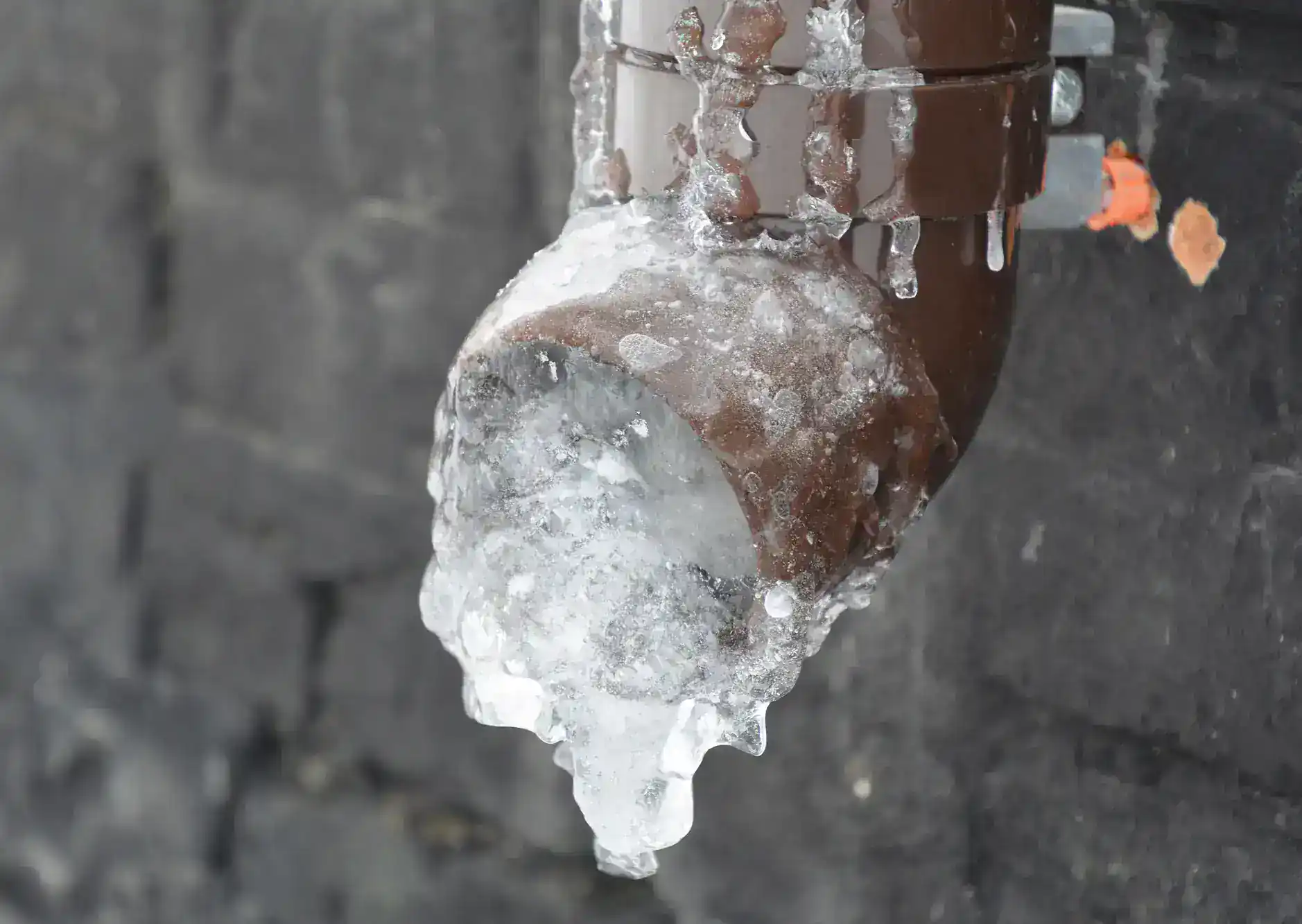
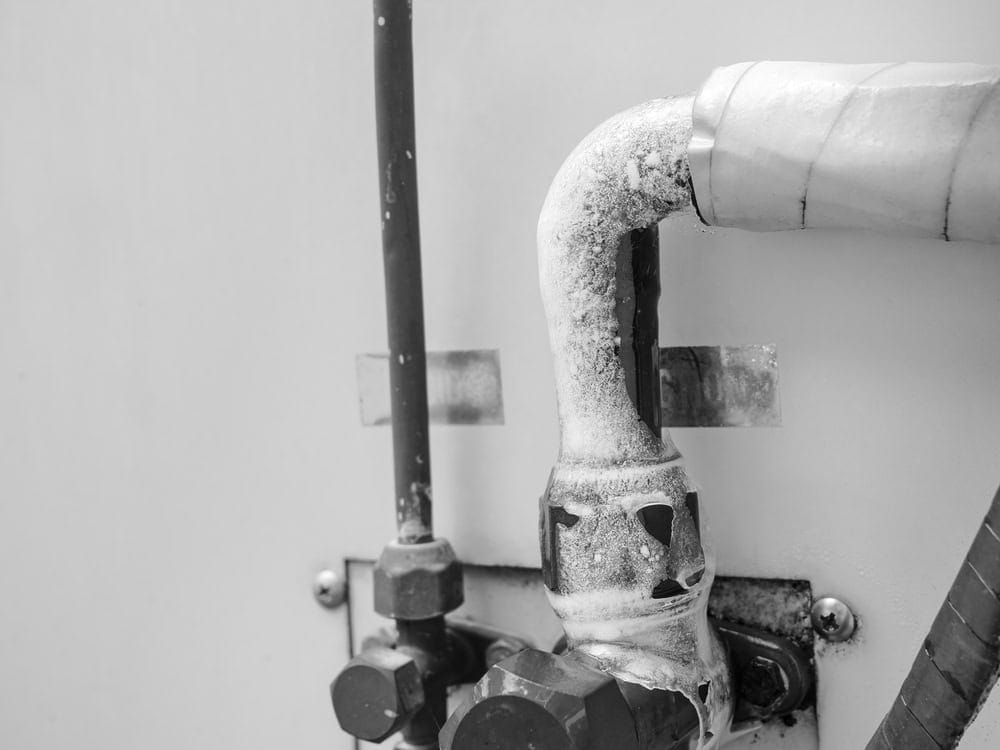
But there are other clues. Strange smells coming from drains can mean odors are trapped behind an ice blockage. Frost visible on exposed pipes is a dead giveaway. If you hear unusual sounds like banging or clanking when you turn on the water, that’s ice restricting flow.
Check your most vulnerable spots first. Pipes along exterior walls, in unheated basements, crawl spaces, or garages are the usual suspects. In Cook County, IL, older homes with plumbing near foundation cracks or poorly insulated areas freeze faster during those brutal subzero nights.
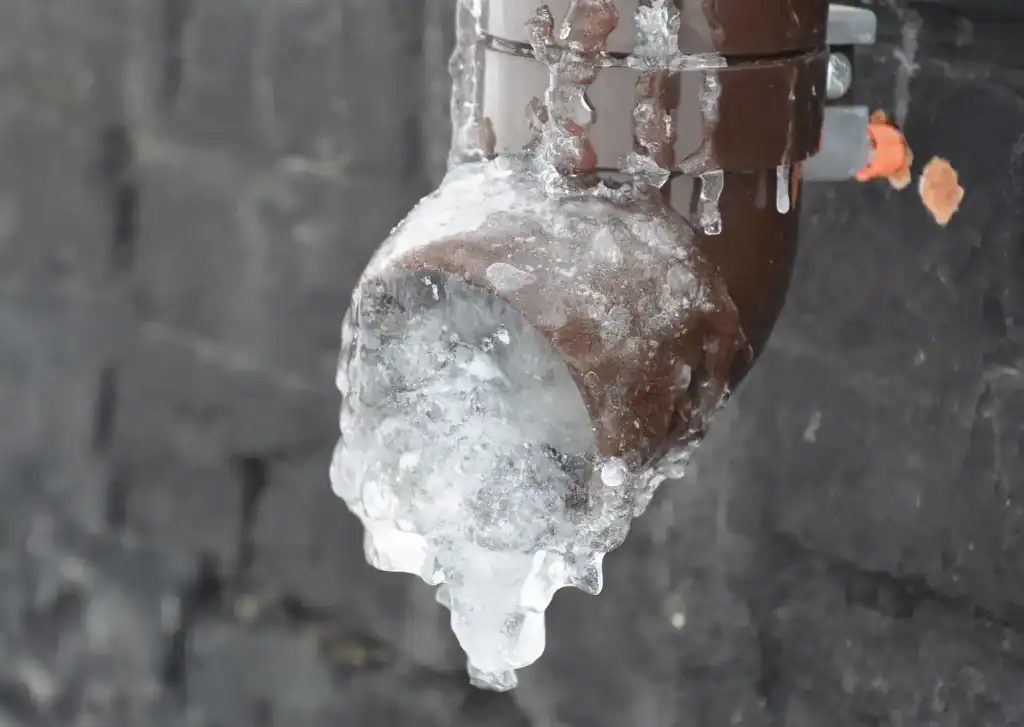
Water does something unusual when it freezes—it expands. That expansion creates massive pressure inside your pipes. We’re not talking about a little stress. When water turns to ice in a closed pipe, pressure can jump from the normal 40 to 80 pounds per square inch all the way up to 2,000 PSI or more.
No pipe is built to handle that. The pressure doesn’t usually crack the pipe right where the ice forms. It finds the weakest point anywhere between the blockage and your faucet, and that’s where the rupture happens. Sometimes that’s inches away. Sometimes it’s feet away, hidden behind a wall or under a floor.
Here’s the part that catches people off guard. A frozen pipe that’s already cracked won’t leak until it thaws. The ice is acting like a plug. Once you start warming things up, that plug melts, and water starts pouring out. That’s why you need to shut off your main water valve before you do anything else.
Even a tiny crack can dump 250 gallons of water into your home every single day. A burst pipe during a Chicago cold snap doesn’t just mean calling a plumber. It means water damage, ruined drywall, potential mold, and repair bills that can easily hit $30,000 or more based on recent insurance claim averages.
The risk goes up fast when temperatures drop below 20 degrees, which happens regularly here in Cook County, IL. Uninsulated pipes can freeze in as little as six to eight hours once the mercury dips. Pipes in older Chicago homes—especially those built before modern insulation standards—are even more vulnerable.
If you can see the frozen section and it’s accessible, you have options. But plumbing safety comes first. Open the faucet connected to the frozen pipe before you start. This gives melting water somewhere to go and relieves pressure as the ice thaws.
A hair dryer is your best tool for hair dryer pipe thawing. Hold it a few inches from the pipe and move it back and forth along the frozen section. Start at the faucet end and work toward the coldest part. This keeps water flowing out as the ice melts instead of trapping pressure. Keep the dryer moving. Don’t let any one spot get too hot to touch.
Heating tape works well if you have it on hand. Wrap it around the frozen section following the manufacturer’s instructions. Never overlap the tape—that can cause it to overheat and create a fire hazard. The tape warms the pipe gradually, which is actually better for the pipe’s integrity than rapid heating.
Hot towels are another option. Soak towels in hot water, wring them out, and wrap them around the frozen pipe. Replace them as they cool. It takes patience, but it works without any risk of overheating or electrical issues.
A space heater pointed at the frozen area can help, but keep it away from anything flammable. Never leave it unattended. If you’re working in a basement or crawl space, make sure the heater is on a stable surface and that there’s no standing water nearby.
What you absolutely cannot use: blowtorches, propane heaters, kerosene heaters, charcoal stoves, or any open flame. These can melt plastic pipes, create steam pressure that bursts the pipe, or start a fire. We get emergency calls every winter from homeowners who tried these methods and made everything worse.
Don’t use high-temperature heat guns either. They can get hot enough to damage PVC piping or scorch wood framing. A hair dryer is slower, but it’s controllable and safe.
If you’re using any electrical device near water, plug it into a GFCI outlet. Don’t stand in water. Don’t use electrical tools if you’re wet. And if the frozen pipe is anywhere near a gas line, stop and call a professional immediately.
Some situations aren’t DIY projects. If you can’t find where the pipe is frozen, you need a plumber. If the frozen section is behind a finished wall, under a floor, or in a ceiling, don’t start cutting into your home. We have detection equipment that pinpoints the problem without demolition.
Multiple frozen pipes mean the problem is bigger than one blockage. That usually indicates an issue with your home’s insulation, heating, or the way your plumbing is routed. A local licensed plumber can assess the whole system and tell you what needs to change to prevent this from happening again.
Visible cracks, bulging pipes, or any sign of leaking means you need cracked pipe repair immediately. Shut off your main water valve and call for emergency service. Trying to thaw a damaged pipe yourself just releases the flood you’re trying to avoid.
If you see water stains on walls or ceilings, that’s not just a frozen pipe—it’s a pipe that’s already leaking. Water doesn’t show up on drywall until it’s been soaking in for a while. By the time you notice the stain, there’s already damage inside your walls or ceiling structure.
Strange smells that persist after you’ve tried thawing could indicate a sewer line issue. Frozen sewer pipes are less common than frozen water supply lines, but when they happen, you’re dealing with raw sewage. That’s a health hazard, not a DIY situation.
If you’ve been working on thawing a pipe for 45 minutes to an hour with no results, the freeze is either deeper than you can reach or more extensive than you thought. At that point, you’re wasting time while the risk of a burst increases.
No water flow at any faucet in your house means the freeze is at your main line where water enters your home. That’s not something you can access or fix yourself. That requires professional equipment and often means the problem is underground or at the foundation entry point.
Pipes that were frozen, thawed, and now show reduced water pressure might have developed cracks that are causing hidden leaks. We can pressure-test your system and find leaks before they turn into major water damage.
In Cook County, IL, we understand how Chicago’s weather affects your plumbing. We know that homes built in different eras have different vulnerabilities. We’ve seen the specific problems that come with lake-effect temperature swings and the aging infrastructure in many Chicago neighborhoods. That local knowledge matters when you’re trying to prevent the next freeze or dealing with recurring issues.
Professional pipe thawing equipment works differently than a hair dryer. We use controlled electrical current applied through cables attached to both ends of the frozen pipe section. This warms the pipe from the inside out, thawing the ice in about 10 seconds per burst of current without the risk of overheating the pipe or causing breaks.
We also have pipe detection tools that locate frozen sections without guesswork. Thermal imaging cameras show exactly where the temperature drops, even behind walls. That means we can target the problem without unnecessary demolition.
Once we’ve thawed the pipe, we inspect the entire affected section for stress points, micro-cracks, or weak joints that could fail later. We test water pressure to make sure nothing’s leaking behind your walls. You get peace of mind that the problem is actually solved, not just temporarily patched.
We also assess why your pipes froze in the first place. Was it poor insulation? A draft from a crack in your foundation? Pipes routed too close to an exterior wall during a renovation? We’ll tell you what needs to change to prevent this from happening again next winter.
Emergency plumbing service means we show up fast—usually within an hour—with all the right tools already on the truck. You’re not making multiple trips to the hardware store or experimenting with methods you found online. The job gets done correctly the first time.
For homes in Cook County, IL with plumbing that dates back to the early 1900s, professional expertise matters even more. Older Chicago homes often have galvanized steel pipes, unusual routing through uninsulated spaces, or connections that don’t meet modern code. We’ve worked in these homes before and know what to expect and how to handle the quirks of vintage plumbing systems.
The cost of professional service is a fraction of what you’ll pay if a frozen pipe bursts. Water damage claims from frozen pipes average over $30,000. A plumber’s service call—even an emergency call—costs a few hundred dollars. The math isn’t complicated.
Frozen pipes are a reality of Chicago winters. Knowing how to respond safely makes the difference between a minor inconvenience and a major disaster. If you can access the frozen section and it’s not cracked, a hair dryer or heating tape can get water flowing again. But if you’re not sure where the freeze is, if you see any damage, or if DIY methods aren’t working, calling a licensed plumber is the smart move.
Don’t wait until water is pouring through your ceiling. The moment you suspect frozen pipes, take action. Open faucets, shut off your main water valve if needed, and assess whether this is something you can handle or if you need professional help.
We provide 24/7 emergency plumbing service throughout Cook County, IL. Local expertise, upfront pricing, and fast response times when you need help most.
Article details:
Share:
Continue learning: