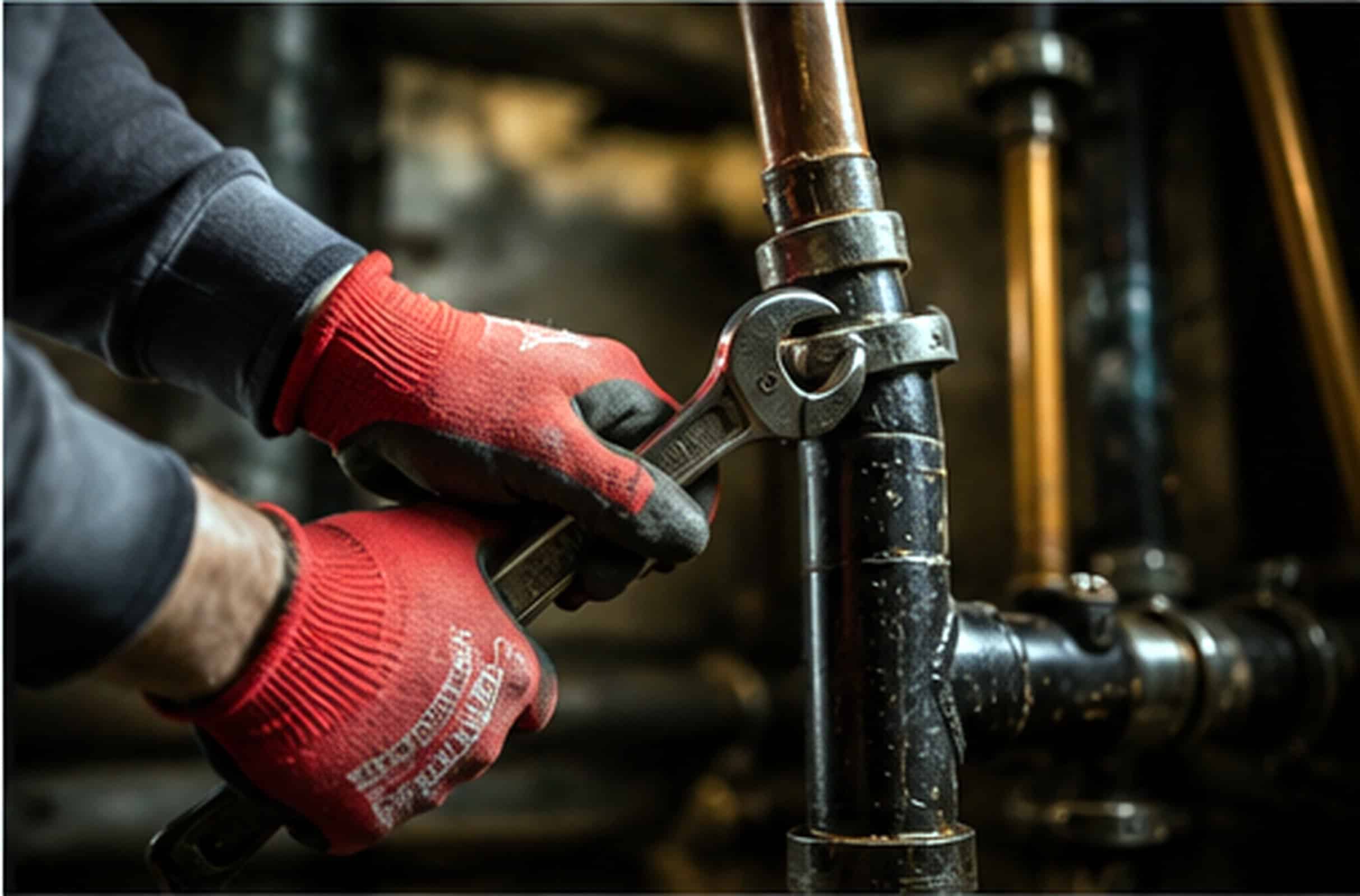
Chicago winters test your plumbing. Discover exactly when pipes freeze, how to protect them, and what to do when temperatures drop below 20°F in Cook County.
Share:

Summary:
It’s 2 AM and you hear water running somewhere in your house. You weren’t using anything. You follow the sound to your basement and find water pouring from a burst pipe in the ceiling, already pooling across your floor. Your holiday decorations are soaked. Your furnace is surrounded by water. And you’re realizing this is going to cost you thousands.
This scenario plays out across Cook County every winter when frozen pipes in winter finally give way. The average insurance claim for burst pipe damage exceeds $30,000, and that doesn’t account for the disruption to your life, the stress of dealing with contractors, or the belongings you can’t replace. But here’s what most Chicago homeowners don’t realize until it’s too late: nearly all of this damage is preventable.
You don’t need to be a plumbing expert to protect your home. You just need to understand when your pipes are actually at risk, which prevention methods work in Chicago’s specific conditions, and when it’s time to call someone who deals with Cook County winters every day. Let’s walk through exactly what you need to know.
Water freezes at 32°F. You learned that in grade school. But your pipes don’t freeze the moment the thermometer hits freezing, and that’s where the confusion starts.
Your plumbing can handle brief dips below 32°F without issue, especially if pipes are insulated or tucked inside heated spaces. The real danger zone starts when Chicago temperatures drop below 20°F and stay there for six consecutive hours or more. That’s the threshold where even reasonably protected pipes in basements and crawl spaces start losing the fight against cold. Unprotected pipes exposed to these temperatures in garages or along exterior walls can freeze solid in as little as three hours.
Cook County hits these dangerous temperature ranges multiple times every winter. When arctic air masses settle over the Great Lakes, bringing sustained cold and brutal wind chills that amplify the threat, your window to prevent damage narrows fast. Those three-day cold snaps where highs barely reach 10°F? Those are when emergency plumbers see call volumes spike and insurance companies brace for claims.

Walk through your home right now and you probably couldn’t point to every pipe. That’s normal. But some of those hidden lines are far more vulnerable than others when temperatures drop.
Pipes in unheated spaces face the most immediate danger. Your basement might feel chilly but tolerable to you, but pipes running through that space are fighting temperatures that mirror outdoor conditions within hours of a cold snap starting. Attics, crawl spaces, and garages offer even less protection. These areas have minimal insulation by design, and pipes running through them freeze faster than anything inside your heated living areas.
Exterior walls create the second critical vulnerability, and this is where many Chicago homeowners get caught off guard. Even when a pipe runs technically inside your home, its proximity to an outside wall means it’s battling cold that seeps through insulation gaps. This is especially true in older Chicago neighborhoods like Logan Square, Pilsen, and Hyde Park, where homes were built decades before modern insulation standards existed. North-facing walls take the worst beating since they receive virtually no sun exposure during short winter days.
Chicago’s housing stock amplifies these risks in ways newer construction doesn’t. Bungalows, brick two-flats, and vintage homes built in the early 1900s often have plumbing tucked into exterior wall cavities or uninsulated crawl spaces. These pipes were installed when Chicago’s average winter low was several degrees warmer than what we experience now. Climate patterns have shifted, but the plumbing hasn’t moved.
Kitchen and bathroom sinks mounted on exterior walls need your attention even though they’re inside your home. The pipes under these fixtures sit in cabinets that block warm air from circulating around them. Close those cabinet doors during a cold snap and you’ve created a microclimate that can drop below freezing even when your living room thermostat reads a comfortable 68°F. It seems counterintuitive, but it’s one of the most common freeze locations plumbers see.
Outdoor fixtures represent the most obvious freeze risk but also the most frequently ignored. Water trapped in outdoor spigots, garden hoses still connected in January, or sprinkler lines that weren’t properly drained all freeze solid during a single night below 20°F. The real problem isn’t the outdoor section—it’s that ice travels backward into pipes inside your walls, creating blockages you can’t see until water stops flowing or pipes burst.
Catching a freeze in progress gives you a fighting chance to prevent a burst. Miss the warning signs and you’re dealing with flooding, water damage, and emergency repairs instead of a manageable inconvenience.
Reduced water pressure is your first clue that trouble is developing. You turn on the faucet expecting normal flow but only get a weak trickle. Ice is forming somewhere in the line, restricting water movement but not completely blocking it yet. This is your best window to act because the freeze isn’t complete. Test multiple faucets throughout your home to identify which supply lines are affected. If just one fixture shows reduced flow, you can narrow down which pipe section needs attention.
No water at all means you’ve progressed from “developing problem” to “active emergency.” The ice blockage is complete, water can’t move, and pressure is building behind that frozen section. That pressure is actively looking for the weakest point in your pipe to rupture. Every minute you wait increases the chance you’ll be dealing with burst pipes instead of just frozen ones.
Visible frost on exposed pipes tells you exactly where the problem sits. Walk through your basement, check crawl space access points, and inspect any plumbing you can see. Frost forming on the outside of a pipe means ice is forming on the inside. You’re literally watching the freeze happen in real time, which means you need to act immediately.
Strange sounds from your plumbing system deserve immediate investigation. Banging when you turn on water, whistling from pipes, or gurgling noises from drains all suggest ice is forcing water through restricted passages or creating air pockets in your lines. These sounds mean your pipes are under stress and potentially close to failure. Don’t ignore them hoping the problem resolves itself.
Odd smells from drains or faucets indicate water isn’t flowing properly through your system. When ice blocks a line, waste gases that normally flush through your plumbing get trapped and back up into your home. That strange sewage smell from a sink that’s been working fine for years? It’s often an early warning that something’s interfering with normal water and waste flow. Combined with cold weather, frozen pipes are the likely culprit.
Prevention costs a fraction of repair, both in money and stress. Spending a few hundred dollars and a weekend afternoon protecting your pipes beats spending $15,000 on burst pipe repairs and another $20,000 on water damage restoration.
Start with insulation on vulnerable pipes before winter arrives. Foam pipe sleeves run about $2 per six-foot section at any Cook County hardware store, and they make a measurable difference in how long pipes resist freezing. Focus first on basement pipes, crawl space lines, and any plumbing running through your garage or attic. If water lines pass through unheated spaces in your home, they need insulation. Period. Don’t skip pipes that “haven’t frozen before”—every pipe freezes for the first time eventually, and Chicago’s temperature extremes are getting more frequent.
Heat tape adds active protection where insulation alone isn’t enough. These electrical heating cables wrap around pipes and automatically activate when temperatures drop below a set threshold. They’re particularly valuable for pipes that have frozen in previous winters or lines you simply can’t insulate effectively due to location. Follow manufacturer instructions carefully, use only UL-listed products designed for your specific pipe material, and never overlap the tape on itself as that creates fire hazards.
Seal air leaks around your home’s foundation and where utilities enter. Cold air infiltrating through gaps in your foundation, around pipe penetrations in exterior walls, or through rim joists in your basement drops the temperature around plumbing surprisingly fast. A tube of caulk costs $4 and can seal dozens of small gaps. Spray foam handles larger openings. These fixes don’t just protect pipes—they also reduce your heating costs all winter long by keeping conditioned air inside where it belongs.
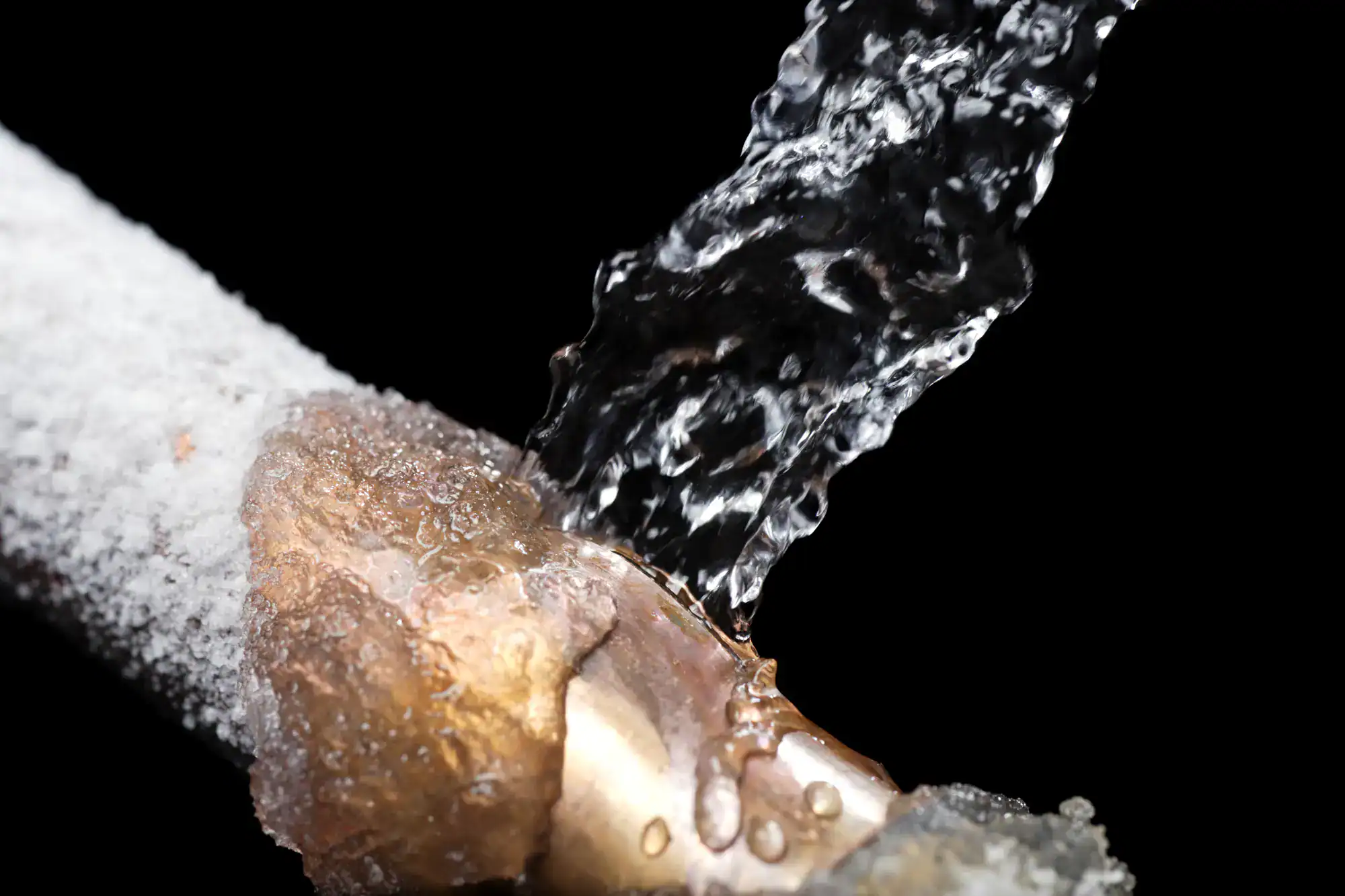
When the National Weather Service issues a wind chill warning and the forecast shows three days straight below 20°F, it’s time to shift from passive prevention to active protection. These steps keep water moving through your system and dramatically reduce freeze risk during the worst weather Cook County experiences.
Let faucets drip overnight from sinks served by vulnerable pipes. You don’t need a strong flow—a pencil-thin trickle is enough to keep water moving through the line. Running water resists freezing far better than standing water because it can’t stay in one place long enough for ice crystals to form and expand. Yes, your water bill will be slightly higher during extreme cold periods, but you’re talking about maybe an extra $20 to $30 for a few days versus thousands in repair costs. Focus your dripping on faucets connected to exterior walls, pipes in unheated spaces, or fixtures that have given you trouble in previous winters.
Open cabinet doors under every sink in your home, especially those on exterior walls. This simple action allows heated air from your living space to circulate around pipes that would otherwise sit in cold pockets isolated from your home’s warmth. It’s particularly critical for kitchen sinks and bathroom vanities mounted against north-facing or west-facing exterior walls. If you have small children, temporarily move cleaning supplies and chemicals to higher locations so you can safely leave cabinets open.
Keep your thermostat consistent day and night during extreme cold. Many Chicago residents drop their thermostats 5 to 10 degrees overnight to save on heating costs, and that’s usually fine. But during extended periods below 20°F, that overnight temperature drop gives pipes in marginal locations just enough time to freeze. During severe cold snaps, maintain the same temperature around the clock. The extra $30 or $40 in heating costs for three days beats dealing with burst pipes.
If you’re traveling during winter, never turn your heat off completely or drop it below 55°F. Pipes need consistent warmth to stay protected during your absence, and heating your home to 55°F costs far less than emergency repairs and ruined vacations. Set your thermostat before you leave and ask a trusted neighbor to check on your home if possible, particularly if severe cold is forecast while you’re away. Give them your emergency contact information and permission to call a plumber if they notice problems.
Disconnect outdoor hoses and drain exterior faucets before the first hard freeze of the season. Water trapped in a garden hose can freeze and push ice back into pipes inside your walls where you can’t see the damage developing. Shut off the interior valve that feeds each outdoor spigot, open the outside faucet to drain any remaining water, and leave it open so residual water has room to expand without breaking pipes. Store your hoses in the garage or basement for the winter.
Some frozen pipe situations you can safely handle yourself with basic tools and patience. Others require professional equipment and expertise to avoid turning a manageable problem into a catastrophic one. Knowing the difference can save you thousands.
You can attempt DIY thawing if the frozen pipe is visible, accessible, and you can safely work around it without standing in water or near electrical hazards. Use a hair dryer on low heat, wrap the pipe with heating pads set to medium, or position a space heater nearby to warm the area gradually. Start applying heat near the faucet end and work backward toward the frozen section. Keep the faucet open so melting ice can drain out and steam can escape as the blockage clears. This process typically takes 30 to 45 minutes depending on how much ice has formed. Never use open flames, propane torches, or high-temperature heat guns—these can damage pipes, create fire hazards, and cause toxic fumes from melting plastic components.
Call professionals immediately if pipes are frozen inside walls, under floors, or in other inaccessible locations. You can’t safely reach these pipes without cutting into your home, and attempting to do so risks causing far more damage than the frozen pipe itself. We have specialized equipment like pipe thawing machines that can safely warm hidden pipes through the line itself without requiring demolition or wall removal.
Burst pipes require professional emergency response every single time, no exceptions. If you see water actively spraying from pipes, pooling from walls or ceilings, or flooding your basement, shut off your main water valve immediately and call for emergency plumbing service. The damage is already happening and escalating with every minute. Only professional repair will stop the water flow and prevent additional destruction to your home and belongings.
Repeated freezing in the same location every winter signals an underlying structural problem that DIY fixes won’t solve. If the same pipe section freezes annually despite your prevention efforts, you’re dealing with inadequate insulation, poor pipe placement, persistent air leaks, or other issues that require professional assessment and correction. Continuing to thaw the same pipe every winter is treating symptoms rather than causes.
Multiple frozen pipes simultaneously indicate a system-wide problem that’s beyond DIY scope. If you have no water flow anywhere in your home or multiple fixtures show freeze symptoms at once, you need professional help to assess the extent of the problem and prioritize which pipes to address first to prevent bursts.
We provide 24/7 emergency response throughout Cook County specifically for these situations. Our technicians live and work in the Chicago area, understand the unique challenges of older housing stock in neighborhoods from Rogers Park to Beverly, and arrive equipped with commercial-grade tools to handle both pipe thawing and emergency repairs. When you’re facing frozen pipes during a winter storm and every minute counts, local expertise and rapid response make the difference between minor inconvenience and major disaster. We maintain upfront pricing even during emergencies, so you know costs before work begins, and our satisfaction guarantee on workmanship means the repair is done right the first time.
Frozen pipes in winter aren’t an inevitable part of Chicago life. When you understand that 20°F sustained for six hours is the critical threshold that puts Cook County homes at risk, know which pipe locations need protection first, and take action before the forecast turns dangerous, you avoid the stress and massive expense of burst pipe emergencies that average over $30,000 in damage.
The strategy is straightforward: insulate vulnerable pipes before winter arrives, maintain consistent heat during cold snaps, let faucets drip when temperatures stay below 20°F for extended periods, and don’t hesitate to call professionals when pipes freeze in locations you can’t safely access. These practical steps prevent the vast majority of freeze damage that Chicago and suburban Cook County homeowners face each winter.
When prevention isn’t enough or you’re dealing with frozen pipes you can’t safely thaw yourself, we bring the local expertise and 24/7 emergency availability that Cook County residents need during harsh winter weather. Our deep understanding of Chicago’s unique plumbing challenges, commitment to transparent upfront pricing, and fast emergency response means you’re never facing frozen pipe problems alone.
Article details:
Share:
Continue learning: