Installing a septic system in Cook County involves navigating permits, choosing the right system type, and understanding local regulations that protect your investment and ensure compliance.
Share:
Summary:
If you’re planning septic tank installation in Cook County, you’re probably wondering where to start. The permitting requirements, soil testing, system options, and timeline can feel overwhelming when you’re trying to do this right. You need a system that works for your property, meets local regulations, and doesn’t surprise you with hidden costs or compliance issues down the road.
This isn’t just about digging a hole and dropping in a tank. It’s about understanding Cook County’s specific requirements, choosing a system that fits your soil conditions, and working with professionals who know Chicago’s regulations inside and out. Here’s what you actually need to know about the septic installation process and how to get it done without the headaches.
a href=”https://allrooter-plumbing.com/services/septic-tank-plumbing/”>Septic tank installation in Cook County follows a structured process that starts long before any excavation begins. You’re looking at roughly six to eight weeks from initial planning to final inspection, though the actual physical installation only takes about five to seven days under normal conditions.
The process requires coordination between you, your contractor, the Cook County Department of Public Health, and the Building and Zoning department. Each step builds on the previous one, and skipping or rushing any phase can lead to problems that are expensive and disruptive to fix later. Understanding this timeline helps you plan around construction schedules, home sales, or other projects that depend on your septic system being operational.
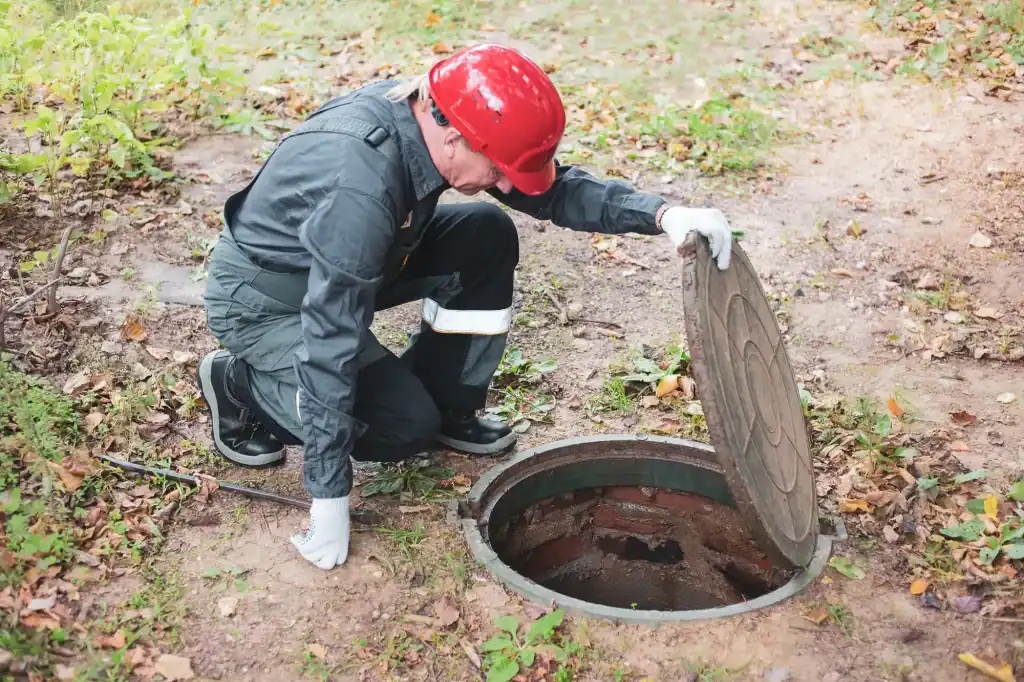
Before anyone can tell you what type of septic system you need, your property has to pass a site evaluation and percolation test. This isn’t optional red tape. It’s how professionals determine whether your soil can actually support a septic system and which design will work for your specific conditions.
The percolation test measures how quickly water drains through your soil. A professional engineer or certified soil classifier digs test holes, fills them with water, and measures the drainage rate. Chicago’s clay-loam soil behaves differently than sandy or rocky soil, affecting which system types are suitable for your property. If water drains too slowly, you might need an aerobic treatment unit or mound system instead of a conventional setup.
This testing phase typically takes two to three weeks when you factor in scheduling, conducting the tests, and getting results analyzed. The data from these tests goes directly into your permit application, so accuracy matters. Properties with high water tables, shallow bedrock, or poor drainage need specialized systems, and the only way to know what you’re working with is through proper testing.
Cook County requires this evaluation to be performed by qualified professionals with specific training and credentials. Your contractor should handle coordinating these tests, but you’ll need to provide property access and understand that weather conditions can affect scheduling. Saturated soil from recent rain makes testing impossible, potentially adding days or weeks to your timeline during wet seasons.
Getting your septic permits approved in Cook County involves working with multiple agencies, and this is where many homeowners get frustrated. You need approval from the Cook County Department of Public Health before the Building and Zoning department will even look at your application. Understanding this sequence saves you time and prevents application rejections.
The CCDPH reviews your site evaluation, soil test results, and proposed system design to ensure it complies with Illinois Administrative Code Title 77 Part 905. They’re checking that your system won’t contaminate groundwater, that it’s properly sized for your household, and that it meets setback requirements from wells, property lines, and water bodies. This review typically takes two to three weeks, though complex sites or incomplete applications can stretch that to 30 days.
Once you have CCDPH approval, the Building and Zoning permit application moves forward. This permit covers the actual construction work and ensures your installation follows the approved engineering plans. You’ll need signed and sealed architectural drawings, a current plat of survey, site plans showing the septic location, and that CCDPH approval letter. Contractors registered with Cook County must provide a letter of intent signed by their authorized representative.
The permit approval process represents the longest single phase of most septic installations. Applications with missing documentation get rejected, starting the clock over. Working with a contractor who knows Cook County’s specific requirements and has relationships with the permitting offices can significantly reduce delays. They know which documents to submit, in what format, and how to address common questions before they become problems.
Some municipalities within Cook County have their own septic ordinances approved by IDPH. Barrington Hills, Inverness, Palos Park, and South Barrington handle their own approvals rather than going through CCDPH. Make sure your contractor knows which jurisdiction applies to your property, because submitting to the wrong agency wastes weeks of time.
Not all septic systems are built the same, and Chicago’s soil conditions often determine which type works for your property. Conventional gravity systems are the most common and affordable option, but they require specific soil characteristics that not every property has. Understanding your options helps you make informed decisions when your contractor presents recommendations based on your site evaluation.
The system type affects both your upfront costs and long-term maintenance requirements. A conventional system might cost $3,500 to $8,500, while an aerobic treatment unit runs $10,000 to $20,000. That price difference reflects the complexity, additional components, and ongoing operational needs of more advanced systems.
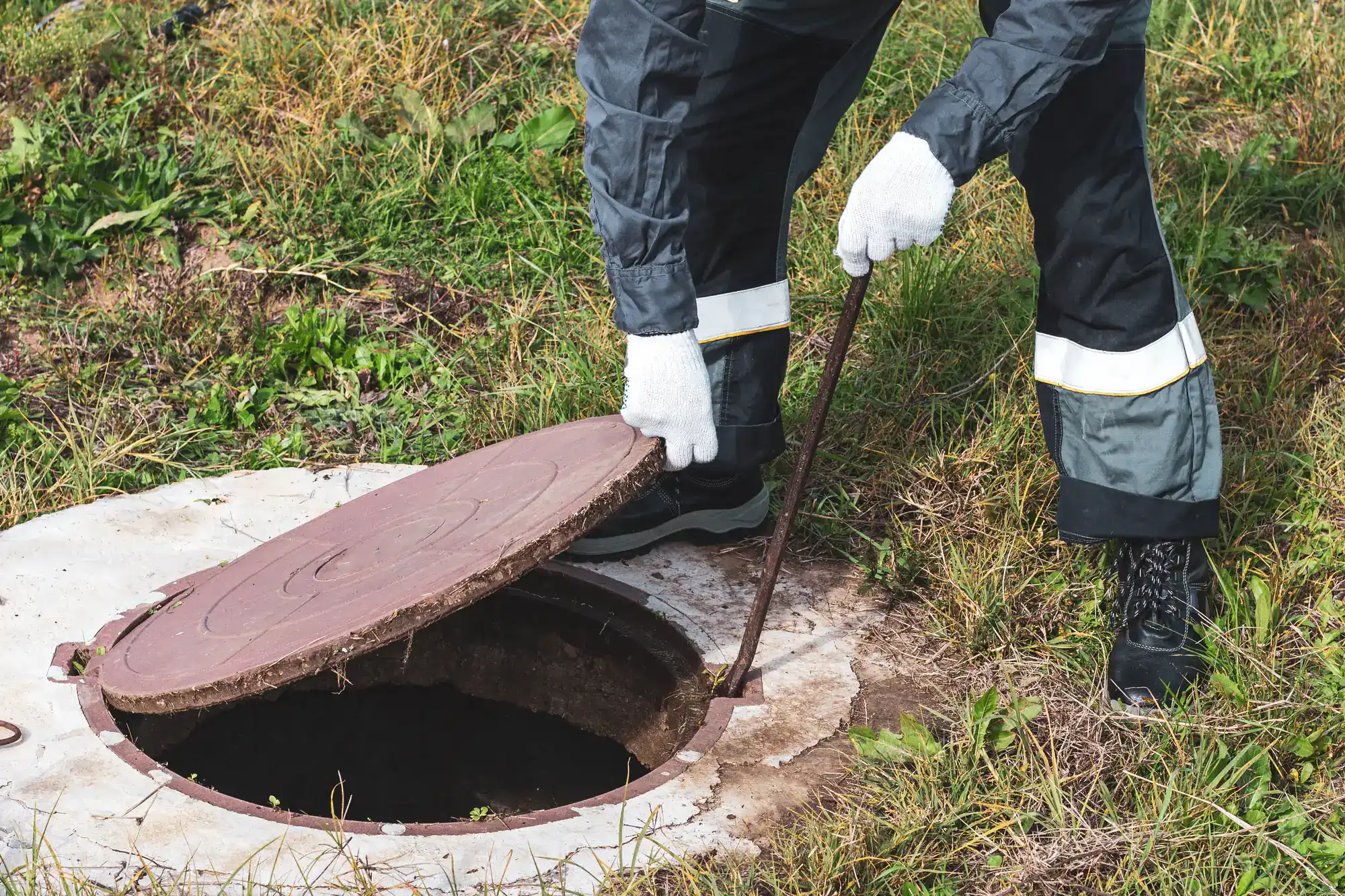
Conventional septic systems use gravity and anaerobic bacteria to treat wastewater. Waste flows from your home into an underground tank where solids settle to the bottom as sludge while lighter materials float to the top as scum. The clarified liquid then moves into a drain field where it disperses through perforated pipes buried in gravel-filled trenches. Soil microbes provide final treatment as the effluent filters down through at least three feet of native soil.
These systems work well on properties with suitable soil, adequate space for a drain field, and proper drainage characteristics. They don’t require electricity, have minimal moving parts, and are relatively simple to maintain with regular pumping every three to five years. The main limitation is that they need a fairly large drain field, typically making them unsuitable for smaller lots or properties with poor soil conditions.
Aerobic treatment units inject oxygen into the treatment process, creating an environment where aerobic bacteria can break down waste more efficiently. These systems work like miniature wastewater treatment plants, using pumps to add air that accelerates bacterial activity. The enhanced treatment produces cleaner effluent, allowing for smaller drain fields or use on properties where conventional systems would fail.
The trade-off is complexity and cost. Aerobic systems need electricity to run the air pumps, require more frequent inspections and maintenance, and have additional mechanical components that can need repair or replacement. They’re often required on smaller lots, in areas with poor soil drainage, or where environmental regulations demand higher treatment levels before effluent reaches the soil. Chicago properties with clay-heavy soil or high water tables frequently need aerobic systems when conventional designs won’t meet percolation requirements.
Your contractor should explain which system type your site evaluation supports and why. If they’re recommending an aerobic system, make sure you understand the ongoing operational costs and maintenance schedule. These aren’t necessarily bad systems, but they require more attention than conventional setups, and that affects your long-term ownership experience.
Some Cook County properties need specialized septic systems because conventional and even aerobic designs won’t work with the site conditions. Chamber systems, mound systems, and drip distribution setups solve specific problems but come with their own considerations.
Chamber systems replace traditional gravel drain fields with connected plastic chambers buried in trenches. These work well on properties with high groundwater tables or variable wastewater volumes. They’re easier and faster to install than gravel systems, and they function effectively in areas where gravel is scarce or expensive. The chambers provide space for effluent to contact soil while protecting the treatment area from compaction. Installation typically costs about the same as conventional systems, making them an attractive alternative when site conditions support their use.
Mound systems build an elevated sand-and-gravel treatment area above the natural soil surface. These become necessary on properties with shallow soil, high water tables, or bedrock close to the surface. A pump moves effluent from the septic tank to the top of the constructed mound, where it filters down through the treatment media before reaching native soil. The system works, but it requires more land area, involves higher installation costs, and creates a visible mound on your property that needs proper landscaping and maintenance.
Drip distribution systems use a network of small-diameter tubing to disperse treated effluent over a large area just below the soil surface. These work on properties with shallow soil, slopes, or clay conditions that make conventional drain fields impractical. The tubing can follow property contours and work around obstacles like trees or structures. However, they require a pump, electrical power, and more frequent maintenance than gravity-fed systems. The dosing chamber and distribution network have more components that can clog or malfunction.
Your site evaluation determines which of these alternatives your property might need. Some properties have multiple options, while others have limited choices based on soil conditions, lot size, and regulatory requirements. Understanding why your contractor recommends a specific system type helps you evaluate whether you’re getting appropriate guidance or being upsold on unnecessary complexity.
Septic tank installation in Cook County requires careful planning, proper permitting, and professional installation that meets all local regulations. The process takes time, typically six to eight weeks from initial soil testing through final inspection, but rushing or cutting corners creates problems that are far more expensive and disruptive to fix later.
Working with a contractor who understands Cook County’s specific requirements makes the difference between a smooth installation and a frustrating experience full of delays, rejected permits, and compliance issues. You need someone who can navigate the CCDPH approval process, coordinate with Building and Zoning, and install a system that’s properly designed for your property’s soil conditions and household needs.
We bring local Chicago expertise, upfront pricing, and professional installation that gives you confidence in your septic system investment. Whether you’re building new or replacing a failing system, getting it done right the first time protects your property and eliminates the stress of dealing with septic problems down the road.
Article details:
Share:
Continue learning: