Wondering if you should tackle septic tank maintenance yourself or hire a professional in Cook County? This guide breaks down what homeowners can safely do and when to call the experts.
Share:
Summary:
You’ve got a septic system that’s been working fine. Maybe you’re wondering if you really need to pay someone to maintain it, or if there’s a way to handle some of the work yourself and save a few hundred dollars. It’s a fair question, especially when you’re trying to be smart with your money. The truth is, there’s a clear line between what you can do on your own and what requires professional help. Cross that line, and you’re looking at thousands in repairs instead of hundreds in maintenance. Let’s break down exactly what belongs on your to-do list and what belongs in the hands of licensed septic professionals in Cook County.
You don’t need to be completely hands-off with your septic system. There are practical, everyday tasks that keep your system running smoothly without requiring any special equipment or expertise.
Water conservation is one of the most effective things you can do. Spread your laundry loads throughout the week instead of doing them all on Saturday. Fix leaky faucets promptly. Take shorter showers. These aren’t just good for the environment – they directly reduce the strain on your septic system and extend the time between professional pumpings.
What goes down your drains matters more than most people realize. Only flush human waste and toilet paper. Everything else – wipes, feminine products, paper towels, dental floss, coffee grounds – belongs in the trash. Keep grease out of your drains entirely. Pour it into a container, let it harden, and toss it. These simple habits prevent the clogs and backups that lead to emergency service calls.
One of the smartest things you can do costs nothing and takes five minutes. Keep a maintenance log. Write down when your tank was last pumped, what the technician found, and any recommendations they made. Note any changes you observe – slow drains, odors, wet spots in the yard.
This record becomes invaluable when you’re trying to figure out if something’s normal or if you need to call someone. It also helps technicians diagnose problems faster because they can see the history of your system at a glance.
Know where your septic tank and drain field are located. Draw a simple map showing their position relative to your house, driveway, and property lines. This saves time and money when service is needed because the crew doesn’t have to spend an hour searching for your tank. It also prevents you from accidentally parking on your drain field or planting trees too close to your system.
Monitor the area around your septic system visually. Walk your property occasionally and look for anything unusual. Soggy spots when it hasn’t rained. Grass that’s suddenly greener and lusher in one area. Standing water near the tank. These are early warning signs that something’s developing, and catching them early means fixing them before they become expensive emergencies.
You can also be mindful of what you’re pouring down your drains beyond just solid waste. Household chemicals, paint thinners, pesticides, and excessive amounts of harsh cleaners can kill the beneficial bacteria in your tank that break down waste. Use these products sparingly, and never pour them down the drain if you can dispose of them properly elsewhere.
Your septic system was designed to handle a specific amount of wastewater based on your household size and tank capacity. Understanding these limits helps you avoid overloading the system.
If you’re hosting guests for an extended period, your system is handling more water than usual. Be conscious of this and spread out water use – maybe don’t run the dishwasher and washing machine while three people are showering. It’s not about deprivation; it’s about giving your system time to process the wastewater properly.
Garbage disposals are a common culprit in septic system problems. Food waste adds a significant amount of solid material to your tank, which means you’ll need more frequent pumping. If you can scrape food into the trash or compost instead of grinding it down the disposal, your septic system will thank you. Some homeowners with septic systems choose not to have garbage disposals at all.
Be aware of your tank size and pumping schedule. Most households need pumping every three to five years, but this varies based on tank size, household size, and water usage. If you have a smaller tank or a larger family, you might need more frequent service. We can help you determine the right schedule for your specific situation.
Protect your drain field from damage. Don’t drive or park vehicles over it. The weight compacts the soil and can crush pipes, leading to expensive repairs. Don’t plant trees or deep-rooted shrubs near your septic system – roots will find their way into pipes and cause blockages. Keep the area grassed and accessible.
These are all things you control through your daily choices and habits. They don’t require technical knowledge or special tools. They just require awareness and consistency. Do these things right, and you’ll significantly reduce the likelihood of problems and extend the life of your system. But they’re not a substitute for professional maintenance – they’re a complement to it.
There’s a clear line between maintenance you can handle and work that needs professional expertise. Crossing that line doesn’t just risk poor results – it risks serious health hazards, environmental contamination, and damage that costs far more to fix than the service would have cost in the first place.
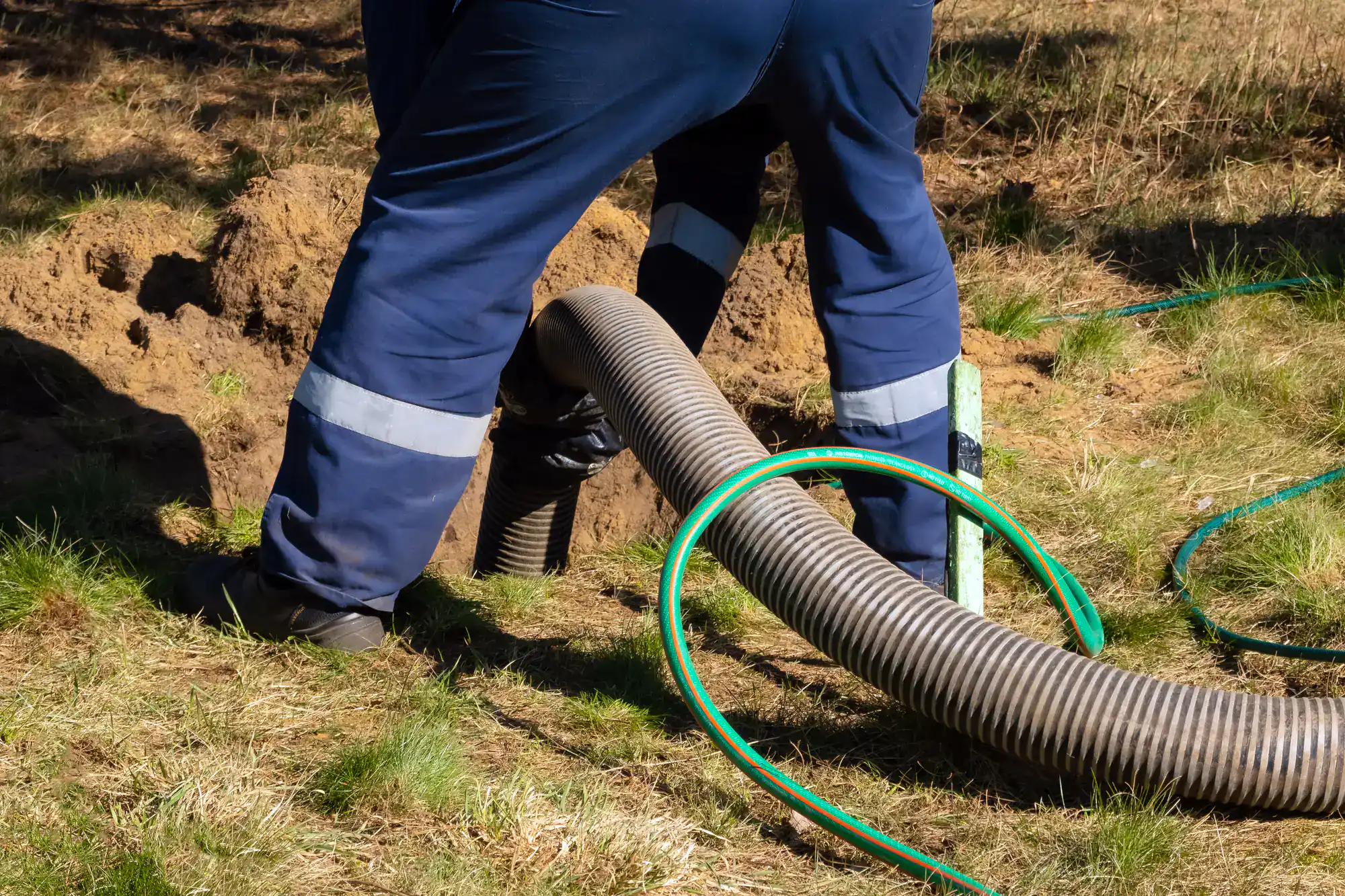
Septic tank pumping is not a DIY project. It requires commercial-grade vacuum trucks that cost tens of thousands of dollars. It requires knowing how to properly access the tank, remove the waste, and dispose of it at an approved facility. It requires safety equipment to protect against toxic gases and harmful bacteria. Most importantly, it requires training to do the job without damaging your system or exposing yourself to serious health risks.
Any kind of inspection or repair work falls firmly in the professional category. Diagnosing problems requires specialized equipment like inspection cameras. It requires understanding how septic systems work and being able to identify subtle signs of developing issues. It requires knowing the difference between a problem that needs immediate attention and something that can wait.
In Chicago and Cook County, you’re typically looking at $300 to $600 for professional septic tank cleaning, with most jobs averaging around $380 to $400. Larger tanks or tanks that haven’t been serviced in years may run closer to $700. That might seem like a lot until you understand what you’re actually getting.
You’re paying for specialized equipment that you couldn’t rent or buy affordably. Commercial vacuum trucks with the capacity and power to properly empty a septic tank. High-pressure hydro jetting equipment that can clear stubborn blockages. Inspection cameras that can identify problems inside pipes and tanks.
You’re paying for expertise and training. Licensed septic contractors know how to assess your system’s condition, spot early warning signs of problems, and recommend the right maintenance schedule for your specific situation. We understand Illinois EPA guidelines and Cook County regulations. We know the difference between a tank that needs pumping and one that has a more serious underlying issue.
You’re paying for proper waste disposal. Septic waste can’t just be dumped anywhere. It has to be transported to an approved treatment facility. We have the permits and relationships to handle this properly, protecting both the environment and you from potential legal issues.
You’re paying for safety. Septic tanks contain toxic gases, harmful bacteria, and other hazards. We have the protective equipment and training to work safely. We also have insurance that protects you if something goes wrong during the service.
When you compare that $400 service call to the $5,000 to $10,000 cost of replacing a failed drain field, or the $10,000-plus cost of sewage backup cleanup and restoration in your home, professional maintenance looks like the bargain it actually is. You’re not paying for convenience – you’re paying for protection against much larger expenses down the road.
Some situations don’t allow for research or deliberation. They require immediate professional attention because waiting makes the problem worse and more expensive.
Sewage backing up into your home is an emergency. Stop using water immediately and call for service. This isn’t just unpleasant – it’s a health hazard. The longer sewage sits in your home, the more damage it causes and the higher the cleanup costs become.
Persistent sewage odors around your property signal system failure. If you smell sewage near your septic tank or drain field, something is wrong. Wastewater isn’t being contained or processed properly. This can contaminate groundwater and pose health risks to your family and neighbors.
Standing water or soggy areas near your tank or drain field when it hasn’t rained indicate that wastewater isn’t draining properly. Your system may be overloaded, clogged, or failing. This needs diagnosis and correction before it progresses to complete system failure.
Slow drains throughout your house – not just one clogged sink, but multiple fixtures draining slowly – often mean your septic tank is full or your system is developing a blockage. This is an early warning sign. Address it now, and you might need a simple pumping. Ignore it, and you could end up with sewage backup.
Gurgling sounds from your plumbing when you flush toilets or run water suggest air is trapped in your pipes, which happens when your septic system isn’t flowing properly. It’s not an immediate emergency, but it’s a sign you need professional evaluation soon.
Unusually green or lush grass over your drain field when the rest of your lawn is normal indicates that wastewater is leaking into the soil. The nutrients in sewage act like fertilizer, causing accelerated grass growth. This means your drain field isn’t functioning correctly and needs professional assessment.
In Cook County, professional septic services must meet specific regulatory requirements. All septic tank cleaners and trucks hauling septage need annual permits from the Cook County Department of Public Health. Businesses must have proper licensure and certification from the Illinois Department of Public Health. When you hire a licensed professional, you’re ensuring the work is done to code and you’re protected from liability if something goes wrong.
The smartest approach to septic tank maintenance isn’t choosing between DIY and professional service – it’s understanding which tasks belong in each category and acting accordingly. Handle the daily and weekly maintenance tasks yourself. Be mindful of water use, careful about what goes down your drains, and attentive to early warning signs. These habits cost nothing and significantly extend your system’s life.
But when it comes to pumping, inspection, repairs, or any situation where you’re uncertain, call the professionals. The cost of proper service is a fraction of what you’ll pay to fix damage from DIY attempts gone wrong. You’re not just paying for the work itself – you’re paying for expertise, equipment, safety, and peace of mind.
Your septic system is a significant investment in your property. Protecting that investment means knowing when to handle things yourself and when to bring in licensed experts who do this work every day. If you’re in Cook County and need professional septic tank maintenance or you’re facing any of the warning signs we’ve discussed, reach out to us at All Rooter Hydro Jetting Experts Inc for transparent pricing and expert service that keeps your system running reliably for decades.
Article details:
Share:
Continue learning: