That slow drain isn't just annoying—it's a warning. Learn the signs that mean your clog could lead to a burst pipe and costly water damage.
Share:
Summary:
Understanding why drains clog here matters because Cook County homes face challenges other areas don’t. It’s not just about what goes down your drain—it’s about what happens after.
Your pipes deal with a perfect storm. Cook County’s hard water contains high levels of calcium and magnesium that create mineral deposits inside your pipes. These deposits narrow the pipe diameter and create rough surfaces that catch everything passing through. Layer in grease from cooking, hair from showers, soap scum, and food particles, and you’ve got buildup that keeps growing.
Then Chicago’s brutal winters hit. Pipes running through your cold basement or underground cool down fast. Liquid grease that flows through warm pipes solidifies the moment it hits those cold surfaces. It clings to pipe walls, traps debris, and what starts as a thin coating becomes a thick, waxy blockage that no amount of hot water will touch.
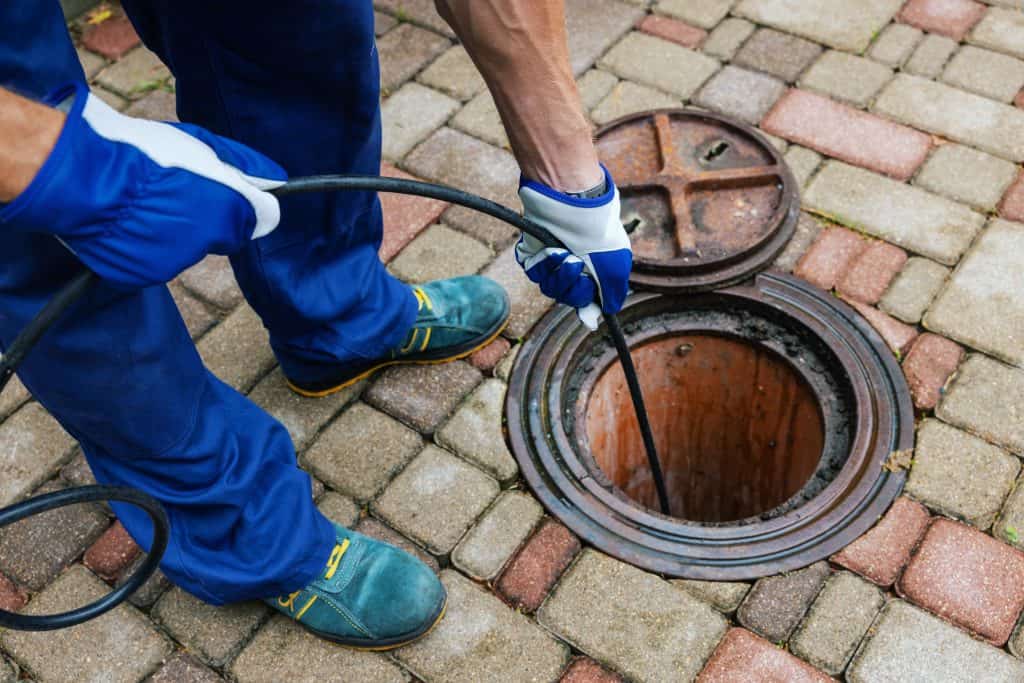
Slow draining water is usually the first sign. You’re standing in a puddle while you shower. The kitchen sink takes forever to empty after washing dishes. Annoying? Yes. But that slow drainage is telling you something critical about what’s happening inside your pipes.
When water drains slowly, it means buildup has reduced your pipe’s diameter. You don’t have a complete blockage yet, but you’re heading there. Think of it like a clogged artery—blood still flows, just not efficiently. Same principle applies to your drains.
The problem with slow drainage is that it’s progressive. That slight slowdown you noticed last month gets worse this month. The buildup narrowing your pipes continues growing because debris keeps catching on rough surfaces. Hair tangles. Grease sticks. Soap scum hardens. Every time you use that drain, you add to the problem.
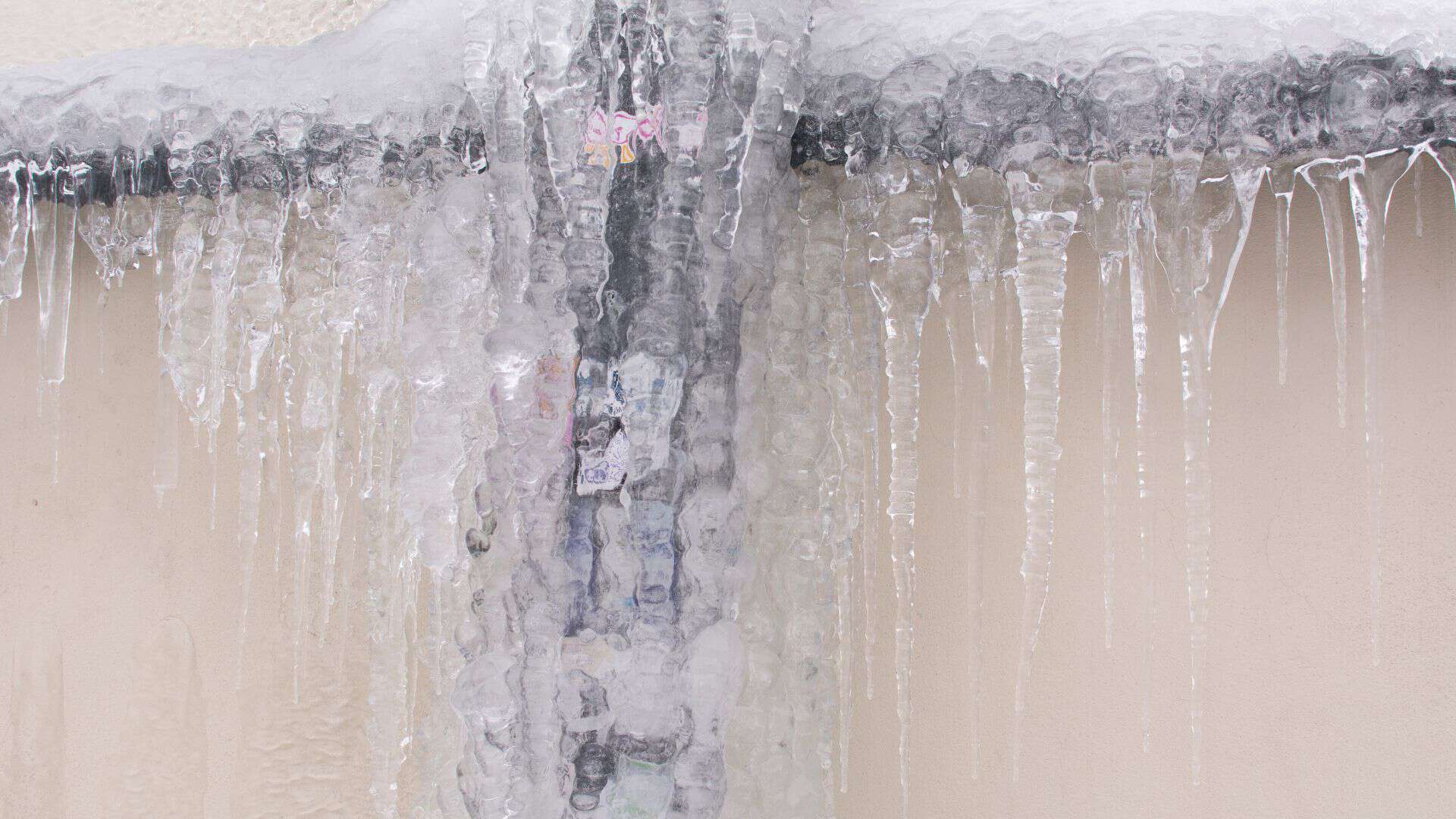
Here’s where it gets serious. As the blockage grows, water pools behind it. In Cook County’s winter temperatures, that standing water in a cold pipe can freeze. Water expands when it freezes. That expansion creates pressure. Pressure cracks pipes. Cracked pipes burst.
You might be tempted to ignore slow drainage, especially if water eventually goes down. But that “eventually” is your window to fix the problem before it becomes an emergency. Professional drain cleaning at this stage removes buildup completely, restores full flow, and prevents the pressure buildup that leads to burst pipes. Address it now and you’re looking at routine maintenance. Ignore it and you’re looking at emergency repairs, water damage, and a much bigger bill.
Gurgling sounds from your drains aren’t normal. If you hear bubbling, burping, or gurgling when water drains—or when you’re not even using water—your plumbing system is struggling with airflow. That struggle indicates a blockage somewhere in the line.
Your drain system needs air to function properly. Vent pipes allow air to enter so water can flow smoothly. When everything works correctly, water flows down and air flows in to replace it. No noise. No drama. Just smooth drainage.
Gurgling happens when a blockage disrupts this air-water balance. The clog restricts water flow, creating negative pressure in the pipe. Air gets trapped and has to force its way through water to equalize pressure. That’s the gurgling you hear—air bubbles fighting through water.
What makes this particularly concerning is where the gurgling comes from. Flush the toilet and hear gurgling from the bathroom sink? That tells you the blockage affects multiple fixtures. Run the washing machine and the kitchen sink gurgles? You’re likely dealing with a main sewer line issue, not just a single clogged drain.
Location matters. Gurgling in a single fixture usually means a localized clog in that drain’s P-trap or nearby pipe. But gurgling in multiple locations, especially lower-level drains, points to a main line blockage. Main line blockages are serious because every drain in your house feeds into that line.
There’s another reason gurgling pipes demand attention. Those air pressure issues can pull water out of your P-traps—the U-shaped pipes under sinks that hold water to block sewer gases. If the water barrier gets pulled out, sewer gas enters your home. That’s not just unpleasant. It’s a health hazard.
Gurgling pipes also indicate your drainage system is under stress. The blockage creating those sounds forces your plumbing to work harder than it should. That extra stress increases the risk of pipe damage, especially in older systems or pipes already weakened by corrosion. When you hear gurgling, don’t wait for it to get worse. The blockage causing those sounds will continue growing. What starts as occasional gurgling becomes constant noise, then slow drainage, then complete backup.
Some warning signs are urgent. They’re not “deal with it when you have time” issues—they’re “call us today” situations. These signs indicate you’re past the early warning stage and moving into territory where pipe bursts, sewage backup, and property damage become real possibilities.
The difference between early warnings and critical signs comes down to time. Slow drainage gives you weeks to address the problem. Critical signs give you days, maybe hours. Recognizing these urgent indicators and acting quickly can save you thousands in water damage repairs and emergency plumbing services .

When one drain clogs, it’s usually a localized problem. When multiple drains back up simultaneously, you’re dealing with something much more serious—typically a blockage in your main sewer line. Main sewer line problems don’t fix themselves.
Your home’s plumbing works like a tree. Individual drains are branches. They all connect to the trunk—your main sewer line. Every toilet, sink, shower, and appliance drain feeds into this single line that carries wastewater away from your property. When that main line gets blocked, waste has nowhere to go. It backs up into the lowest drains first because gravity pulls it to the lowest point.
This is why basement floor drains, first-floor toilets, and ground-level showers show problems before upper-level fixtures. Notice water backing up in your basement shower when you flush an upstairs toilet? That’s a main line issue. Running your washing machine causes your kitchen sink to gurgle or back up? Same problem. The dishwasher drains and water comes up through the basement floor drain? You’re looking at a blocked main sewer line.
What causes main line blockages in Cook County? Tree root intrusion ranks high. Mature trees in established Chicago neighborhoods have extensive root systems seeking moisture. Even tiny cracks in sewer lines give roots an entry point. Once inside, they grow and expand, catching debris and creating major blockages. Older homes with clay or cast iron sewer lines face particular vulnerability.
Grease buildup also causes main line clogs, especially during winter. Years of cooking oils and fats washing down kitchen drains accumulate in the main line. In cold weather, that grease solidifies into thick, waxy coating that narrows the pipe. Food particles, toilet paper, and other debris stick to the grease. The blockage grows until water can barely pass through.
The danger with main line blockages is how quickly they escalate. You might have a day or two of slow drainage across multiple fixtures. Then suddenly, sewage backs up into your home. Raw sewage isn’t just disgusting—it’s a serious health hazard containing bacteria, viruses, and parasites. It also causes extensive property damage to flooring, walls, and belongings.
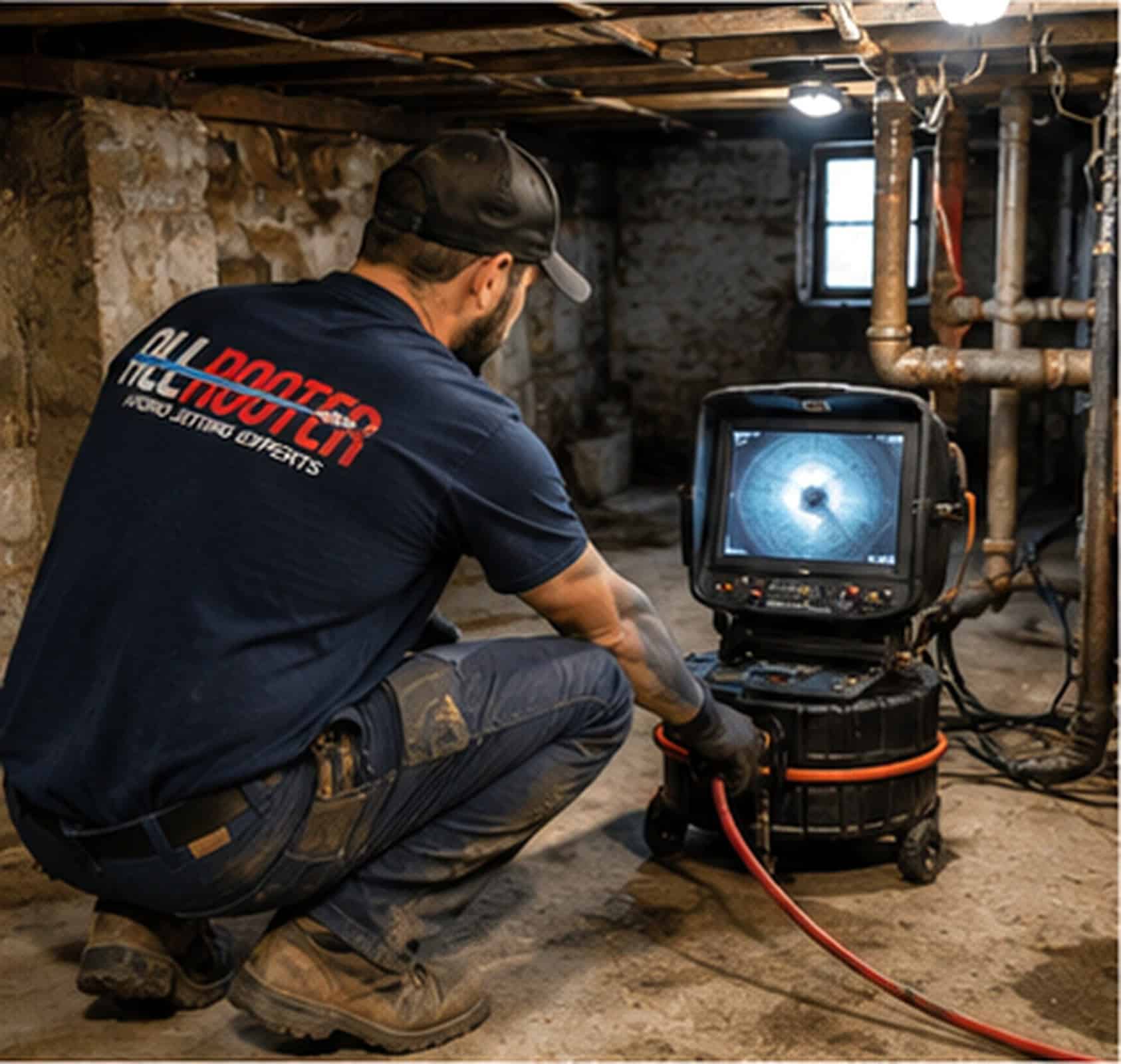
If you’re experiencing multiple slow drains, water backing up in unusual places, or fixtures affecting each other when you use them, don’t wait. This is a plumbing emergency in the making. We can use camera inspections to locate the blockage in your main line and hydro jetting to clear it completely. Acting quickly prevents sewage backup and the costly cleanup that comes with it.
Your drains shouldn’t smell like sewage. If you’re noticing foul odors coming from sinks, toilets, floor drains, or anywhere else in your plumbing system, something’s wrong. Those smells are sewer gases escaping into your home. They indicate either a blockage or a problem with your drain’s venting system.
Under normal conditions, your plumbing has built-in protections against sewer gas. Every drain has a P-trap—that U-shaped pipe underneath—that holds water to create a barrier. This water seal blocks sewer gases from traveling up through the drain into your home. As long as that water barrier stays in place, you shouldn’t smell anything.
Foul odors emerge when that barrier fails or when blockages create conditions allowing gases to escape. A clog traps organic waste in your pipes. As that waste decomposes, it produces gases that work their way back up through the system. If the clog is severe enough, those gases find their way around the water barrier or push through it.
Dry P-traps also cause sewage odors. Have a floor drain or guest bathroom that rarely gets used? The water in the P-trap can evaporate. Without that water seal, nothing stops sewer gas from entering your home. Running water in unused drains regularly solves this issue. But getting sewage smells from frequently used drains means you’re dealing with a blockage or venting problem.
Vent pipe issues create particularly stubborn odor problems. Your plumbing has vent pipes extending through your roof, allowing air into the system and gases to escape outside. When these vents get blocked by debris, bird nests, or ice in winter, gases can’t escape properly. Pressure forces them back through drains, bringing that sewage smell with them.
The smell itself should concern you, but so should what it represents. Sewer gas contains methane, hydrogen sulfide, and other compounds. High concentrations cause headaches, nausea, and dizziness. Hydrogen sulfide is particularly dangerous because it dulls your sense of smell, making you think the problem has gone away when it hasn’t.
Sewage odors also signal your drain system is under stress. The conditions creating those smells—trapped waste, blocked vents, failing P-traps—indicate problems that will worsen without intervention. What starts as an occasional smell becomes constant. The blockage causing the odor continues growing. Eventually, you’re not just smelling sewage. You’re dealing with sewage backup.
When you notice persistent sewage odors, especially from multiple drains or in areas like basements where floor drains are common, give us a call. We can inspect your venting system, check P-traps, and use camera technology to identify blockages causing the problem. Addressing odor issues quickly prevents them from escalating into full sewage backups.
Your drains give you plenty of warning before they fail completely. Slow drainage, gurgling sounds, foul odors, and multiple fixtures acting up—these aren’t problems you should live with. They’re your plumbing system telling you that conditions inside your pipes are deteriorating and you need professional help.
The difference between routine drain cleaning and emergency plumbing repairs often comes down to timing. Address warning signs early and you’re looking at preventative maintenance that costs a fraction of emergency services. Wait until pipes burst or sewage backs up and you’re dealing with water damage, contamination cleanup, and repairs that can run into thousands of dollars.
For homeowners and businesses in Cook County, IL dealing with clogged drains, slow drainage, or any of the warning signs we’ve covered, we provide professional drain clearing services backed by local expertise and 24/7 availability. Don’t let a minor clog become a major disaster.
Article details:
Share:
Continue learning: