Replacing a gas water heater in Chicago? Understand the real costs, from unit pricing to labor rates, and what drives your total investment in 2026.
Share:

Summary:
Cold showers aren’t just uncomfortable—they’re a signal that your water heater is telling you something. Maybe it’s making strange rumbling noises, or your hot water runs out halfway through a shower. Whatever brought you here, you’re probably wondering what it’s actually going to cost to replace a gas water heater in Chicago in 2026.
You’ll find plenty of national averages online, but those don’t account for Cook County’s permit fees, Chicago’s labor rates, or how Lake Michigan’s hard water affects your system. This guide walks through the real numbers—what you’ll pay for different tank sizes, what drives costs up or down, and how to make sense of quotes without getting blindsided by hidden fees.
Let’s start with what most Chicago homeowners are actually spending.
In 2026, replacing a gas water heater in Chicago typically runs between $1,600 and $2,500 for a standard 50-gallon unit, including the tank, labor, permits, and disposal of your old system. That’s higher than the national average, and there’s a reason for it.
Chicago’s cost of living sits 12% above the national average, which directly impacts what plumbers charge for labor. You’re not just paying for the water heater itself—you’re paying for skilled work in a market where everything from rent to permits costs more. Labor alone typically accounts for $300 to $1,000 of your total, depending on how straightforward the installation is.
The City of Chicago charges a flat $75 permit fee for water heater replacement, and that’s non-negotiable. You’ll also pay 10.25% in combined state and city sales tax on the equipment. When you work with us at All Rooter Hydro Jetting Experts Inc., we provide upfront pricing—you’ll know exactly what these costs add up to before any work begins. We include old unit removal and disposal in our quotes, though if it’s listed separately elsewhere, expect another $70 to $250 for haul-away.

A 50-gallon gas water heater is the most common size installed in Chicago homes, particularly for households of 3-4 people. The all-in cost typically ranges from $1,600 to $2,500, but that span exists for good reasons.
On the lower end, you’re looking at a basic atmospheric vent model with a standard 6-year warranty from brands like Rheem or American Standard. These are reliable workhorses that get the job done without bells and whistles. Installation is straightforward if your existing setup is in good shape—same location, same venting, no code violations to fix.
Mid-range pricing ($1,800-$2,200) usually gets you a better warranty (9-12 years), higher energy efficiency, or a brand known for longevity like Bradford White or A.O. Smith. You’re also in this range if your installation needs minor modifications—maybe updating a vent pipe to current code or replacing corroded connections.
The higher end ($2,200-$2,500) typically involves power vent models, which cost more because they require electrical connections and specialized venting that can route through walls instead of straight up. These are necessary if your home doesn’t have a traditional chimney or if you’re relocating the unit. Premium brands with advanced features like leak detection or WiFi monitoring also push you toward the top of this range.
Chicago’s hard water adds another consideration. Lake Michigan water contains significant calcium and magnesium, which means sediment builds up faster inside your tank. That buildup makes your water heater work harder, drives up energy costs by up to 30%, and can shorten its lifespan by 2-3 years compared to homes with soft water. When you’re comparing units, factor in whether you’ll invest in regular maintenance or a water softener—both affect your long-term costs.
The 50-gallon size works well for most Chicago households because the average home here has just 2.2 people. But if you’re running multiple showers, a dishwasher, and laundry simultaneously, you might find yourself running out of hot water. That’s when the conversation shifts to whether you need a larger tank or if your usage patterns would benefit from a different approach.
A 40-gallon gas water heater replacement in Chicago typically costs $1,400 to $2,200 installed. The smaller tank size means slightly lower equipment costs, but labor charges stay roughly the same—you’re still paying for the same amount of work to disconnect, haul out, and install a new unit.
For smaller households (1-2 people) or homes with lower hot water demands, a 40-gallon tank often provides plenty of capacity. You’ll pay less upfront, and the unit uses less energy to keep a smaller volume of water hot. That translates to lower monthly utility bills compared to a 50-gallon model.
But here’s where size matters more than you might think. If your household is anywhere close to the line—say, two people who both shower in the morning, or you occasionally have guests—a 40-gallon tank can leave you waiting for hot water to recover. Running out mid-shower isn’t just annoying; it’s a daily reminder that you might have undersized your replacement.
Chicago’s hard water affects 40-gallon tanks just as much as larger ones. Sediment from dissolved minerals settles at the bottom of the tank, and in a smaller vessel, that buildup takes up a bigger percentage of your total capacity. A 40-gallon tank with 5 gallons of sediment is effectively a 35-gallon tank. The minerals in Lake Michigan water accelerate this process, making regular flushing even more important for maintaining capacity and efficiency.
Installation costs for a 40-gallon unit follow the same patterns as larger tanks. A straightforward swap in an accessible location with no code issues hits the lower end of the range. Need to upgrade venting, move the unit, or bring old plumbing up to current standards? You’re looking at the higher end, potentially $2,000 or more if complications arise.
One advantage of the 40-gallon size is faster recovery time. Gas heaters heat water quickly, and a smaller tank means you’re back to full capacity sooner after heavy use. For a small household, that can be more practical than a larger tank that takes longer to reheat.
The key is matching capacity to your actual usage. If you’re consistently running out of hot water with your current 40-gallon tank, don’t replace it with another 40-gallon unit expecting different results. But if it’s been adequate and you’re just dealing with an aging system, sticking with the same size makes sense—especially if it saves you a few hundred dollars that you can put toward a higher-efficiency model or better warranty coverage.
The price range you see for gas water heater replacement isn’t arbitrary. Several specific factors push your final cost up or down, and understanding them helps you evaluate quotes and avoid surprise charges.
Installation complexity matters more than most homeowners realize. A simple one-for-one swap—same location, same venting type, same connections—takes a professional plumber 3-4 hours and hits the lower end of labor costs. But if your home was built before modern codes, you might need to upgrade venting to meet current safety standards. Older homes in Chicago often have outdated connections or undersized gas lines that need work before a new unit can be installed safely.
Your home’s layout affects pricing too. A water heater in an open basement with easy access costs less to replace than one tucked in a cramped closet or up in an attic. Difficult access means more time, more careful maneuvering, and sometimes additional labor charges of $125 to $300 per hour for the extra complexity.
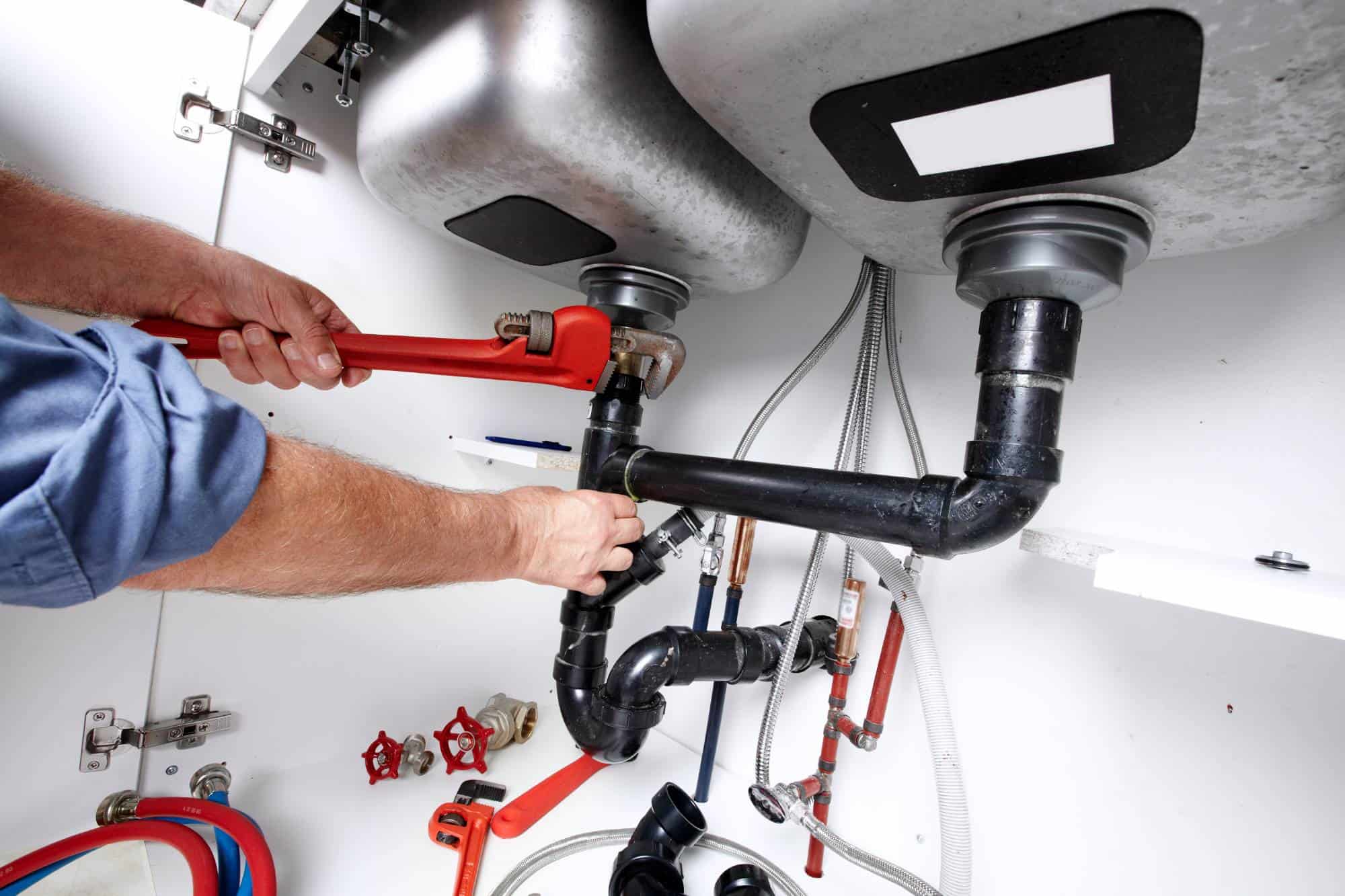
Labor typically accounts for 40-50% of your total water heater replacement cost in Chicago. You’re paying for skilled work by licensed professionals who understand local codes, can handle gas connections safely, and stand behind their installations.
In Chicago, plumber hourly rates generally run $85 to $190 per hour depending on experience level and whether you need a master plumber for complex work involving gas lines or major modifications. That’s noticeably higher than many other cities, and it reflects Chicago’s elevated cost of living and the city’s strict licensing requirements.
The City of Chicago requires plumbers to be licensed through the Department of Buildings specifically to install or replace water heaters. That licensing ensures competency, but it also means you’re paying for expertise that meets higher standards than many other markets. It’s not just about connecting pipes—it’s about doing it correctly, safely, and in compliance with codes that protect your home and family.
Most companies quote flat rates for standard installations rather than hourly charges, which gives you more predictable pricing. A typical quote might include 3-4 hours of labor for a straightforward replacement, covering everything from shutting off utilities and draining your old tank to connecting the new unit, testing for leaks, and making sure everything operates correctly.
Emergency service or after-hours work adds to labor costs. If your water heater fails on a weekend or evening and you need immediate replacement, expect to pay premium rates—sometimes 1.5 to 2 times the standard labor charge. That’s the trade-off for getting hot water back quickly instead of waiting for the next available appointment.
Complex installations take longer and cost more. Switching from a chimney-vented unit to a power-vent model requires running electrical lines and modifying venting, potentially adding several hours of work. Relocating a water heater to a different spot in your home means new gas lines, new water lines, and possibly new venting—all of which drive up labor costs significantly.
Chicago’s older housing stock creates additional considerations. Many homes built before the 1980s have plumbing or venting that doesn’t meet current code. When you replace a water heater, you’re often required to bring those systems up to standard, which means more work and higher costs than a simple swap would involve in a newer home.
The water heater itself typically costs $500 to $1,500 for a standard 40-50 gallon gas tank, depending on brand, warranty, and efficiency rating. But understanding what separates a $600 unit from a $1,200 unit helps you make informed decisions about where to spend and where to save.
Warranty length is one of the biggest price differentiators. A basic 6-year warranty tank costs less upfront but leaves you exposed sooner if something fails. A 12-year warranty costs more initially but provides longer protection and often indicates better internal components—thicker tank lining, more robust anode rods, and higher-quality materials that genuinely last longer.
Energy efficiency affects both upfront cost and long-term operating expenses. Standard efficiency models meet basic requirements and cost less to buy. High-efficiency models with ENERGY STAR ratings cost $100-$300 more but use less gas to heat the same amount of water. In Chicago, where gas prices fluctuate and winters are long, that efficiency difference adds up over the 10-12 year lifespan of your water heater.
Brand reputation plays a role too. Rheem and American Standard offer competitively priced units with solid performance. Bradford White and A.O. Smith command higher prices but have strong reputations for durability and customer support. Some plumbers prefer certain brands because they’ve seen them perform well over years of installations, and that experience-based recommendation is worth considering.
Venting type significantly impacts equipment cost. A standard atmospheric vent model (the kind that relies on natural draft up a chimney) costs less than a power-vent model that uses a fan to push exhaust out through a side wall. Power-vent units cost $300-$600 more for the equipment alone, plus you’ll need electrical work to power the fan. But they offer flexibility in placement that atmospheric vents don’t, which matters if your home lacks a traditional chimney or you’re relocating the unit.
Capacity affects price in straightforward ways—bigger tanks cost more. But the jump from 40 to 50 gallons is usually just $100-$200 in equipment cost, while the jump from 50 to 75 gallons can add $400-$600. The question is whether you need that extra capacity or if you’re paying for hot water you’ll never use.
Features like digital displays, leak detection systems, or WiFi connectivity add cost without necessarily improving core performance. They’re nice to have, but for most Chicago homeowners, a reliable mid-range unit with a good warranty provides better value than a feature-packed model that costs significantly more.
Chicago’s hard water is worth mentioning again here. Some manufacturers offer models with larger anode rods or special tank linings designed to resist corrosion better in hard water conditions. These might cost $50-$100 more, but if you’re not planning to install a water softener, that extra corrosion protection could extend your tank’s lifespan by years.
Replacing a gas water heater in Chicago comes with costs that reflect local realities—higher labor rates, permit requirements, and the impact of hard water on system longevity. But understanding what drives those costs puts you in control of the decision instead of feeling overwhelmed by quotes that vary by hundreds of dollars.
The most important thing is getting transparent pricing upfront. Know what’s included—labor, permits, disposal, any code upgrades needed—and what’s not. Ask whether the quote accounts for your home’s specific situation, not just a generic estimate. And make sure you’re working with licensed, insured professionals who understand Chicago’s requirements and won’t surprise you with hidden fees once work begins.
Whether you’re replacing a 40-gallon or 50-gallon unit, the investment protects your home’s comfort and functionality for the next decade or more. When you’re ready to move forward with confidence, we at All Rooter Hydro Jetting Experts Inc. provide the upfront pricing and local expertise that turn a stressful situation into a straightforward solution.
Article details:
Share:
Continue learning: