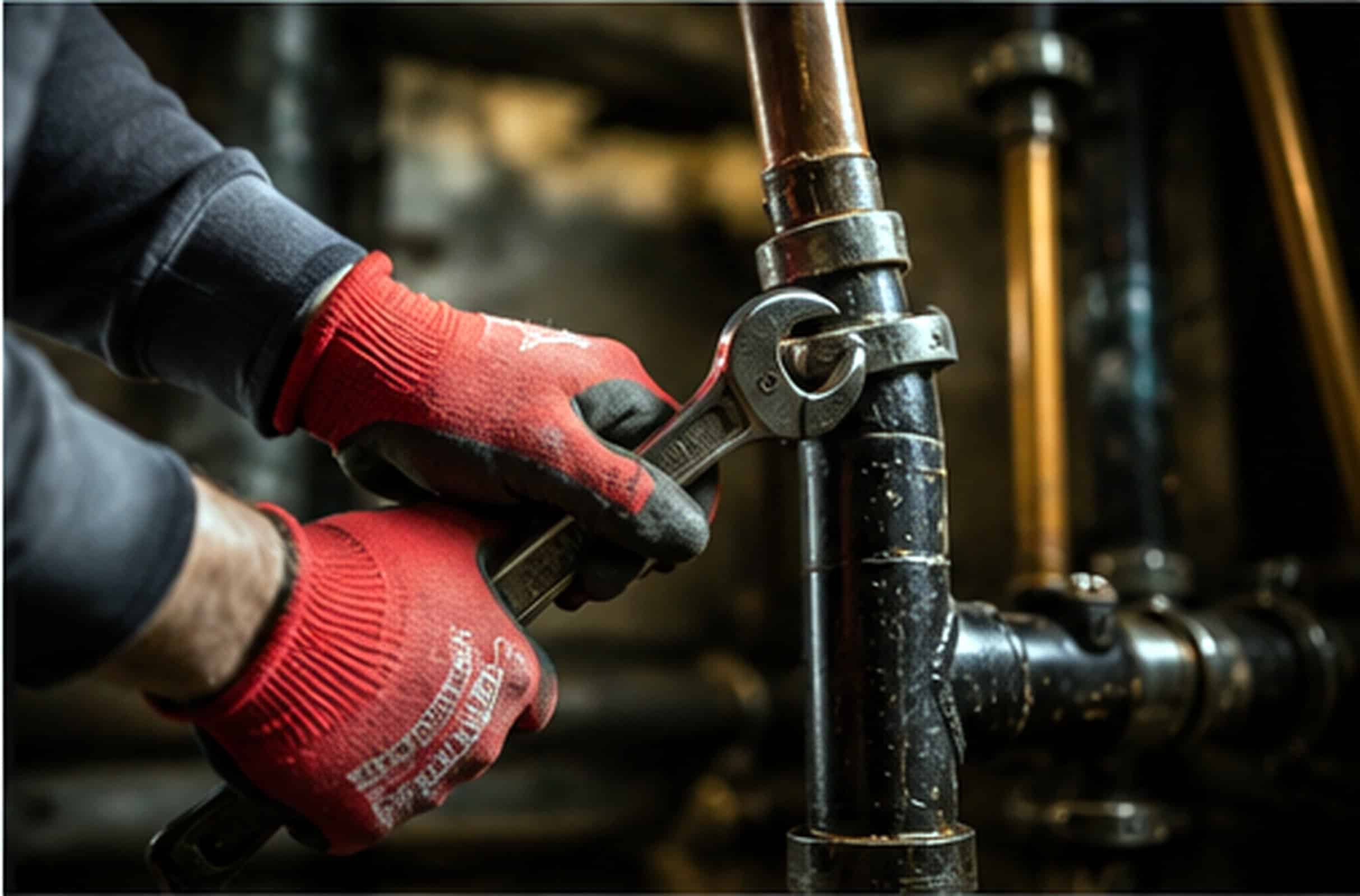
Summer puts extra stress on your drains. Discover which drain cleaning methods actually work, when DIY fixes fall short, and how to prevent costly backups.
Share:

Summary:
Your shower drains slower each morning. The kitchen sink hesitates after washing BBQ grills. Summer puts more demand on your drains than any other season, and most homeowners don’t realize it until there’s a problem.
Between more frequent showers, pool chemicals washing down bathroom drains, grease from outdoor cooking, and sand tracked in from beaches, your plumbing handles a lot during these months. The drain cleaning methods you choose now determine whether you’re dealing with a quick fix or preparing for the season ahead. Here’s what actually works when summer activity tests your system.
Not all drain cleaning approaches deliver the same results. Some clear surface clogs temporarily. Others address what’s building up inside your pipes before it becomes a bigger issue.
The most common methods homeowners turn to include hot water flushes, baking soda and vinegar combinations, plungers, and drain snakes. Each has its place, but knowing when to use which one matters. Hot water works well for dissolving minor soap scum and light grease, especially if you run it weekly as maintenance. The baking soda and vinegar method creates a fizzing reaction that can loosen debris near the drain opening, though it rarely reaches deeper blockages.
Plungers create pressure that can dislodge clogs close to the surface, making them effective for toilets and sinks with standing water. Drain snakes, whether manual or powered, physically break through or pull out obstructions like hair and small objects. These DIY drain cleaning methods handle minor issues, but they share a common limitation—they don’t clean your pipes, they just clear a path through whatever’s blocking them.

Professional drain cleaning goes beyond punching a hole through a clog. It removes the buildup coating your pipe walls, the residue that causes problems to return weeks later.
Hydro jetting uses high-pressure water—typically between 1,500 and 4,000 PSI—to scour pipes clean from wall to wall. Unlike snaking, which creates a narrow channel through debris, hydro jetting strips away grease, mineral deposits, soap scum, and even tree roots that have worked their way into sewer lines. The water pressure is strong enough to cut through years of accumulation while being safe for most modern plumbing systems.
This method is particularly effective in Cook County, where older infrastructure and mature trees create specific challenges. Tree roots seek moisture and nutrients, finding their way into even small cracks in sewer lines. Once established, they catch debris and create major blockages. Hydro jetting cuts through these root masses and flushes them completely from your system, something traditional snaking simply can’t accomplish.
Camera inspections often accompany professional drain cleaning. A small, waterproof camera travels through your pipes, showing exactly where problems exist and what’s causing them. This technology eliminates guesswork. Instead of assuming what’s wrong, we see broken pipes, root intrusion, or severe buildup and recommend the right solution based on actual conditions.
The thoroughness of professional methods explains why they provide longer-lasting results. Most homeowners who choose hydro jetting won’t need service again for 12 to 24 months, compared to every six months with traditional snaking. The initial investment costs more, but fewer service calls and prevented emergencies make it cost-effective over time.
Summer showers happen more frequently. Pool days, beach trips, and outdoor activities mean more hair, sand, sunscreen, and soap going down your bathroom drains. This combination creates the perfect conditions for shower drain buildup that slows water flow and eventually stops it completely.
Hair is the primary culprit in shower clogs, but it doesn’t work alone. Soap scum, which forms when fatty acids in soap mix with minerals in water, creates a sticky residue that coats pipe walls. This residue catches hair, creating a dense mat that traps everything else—dead skin cells, product residue, dirt, and sand. In areas with hard water, mineral deposits add another layer to this buildup, narrowing your pipes and accelerating future clogs.
Prevention starts with physical barriers. Install a drain strainer or hair catcher over your shower drain before summer begins. These inexpensive devices catch hair and larger debris before they enter your pipes. Clean the strainer after each shower—it takes seconds and prevents what would otherwise become a stubborn clog weeks later.
Weekly hot water flushes help too. After your last shower of the day, run hot water down the drain for 30 to 60 seconds. This dissolves light soap scum and flushes away residue before it hardens. For deeper cleaning, use the baking soda and vinegar method monthly. Pour half a cup of baking soda down the drain, follow with a cup of white vinegar, let it fizz for 15 to 30 minutes, then flush with hot water.
Avoid chemical drain cleaners, especially in summer heat. The heat makes these chemicals more corrosive to pipes, and they often create more problems than they solve. They might clear a surface clog, but they leave residue that accelerates future buildup and can damage older plumbing systems common throughout Cook County.
If you notice water draining more slowly despite these preventive steps, or if you’re removing hair from the strainer daily and still experiencing slow drainage, the buildup has likely moved beyond the drain opening into your pipes. At that point, a drain snake or professional cleaning becomes necessary before the problem progresses to a complete blockage.
Some drain problems don’t wait for convenient timing. They announce themselves with water backing up into your shower, multiple drains slowing simultaneously, or sewage odors that won’t go away no matter how much you clean.
Emergency drain cleaning becomes necessary when you’re facing immediate disruption or potential property damage. Multiple drains backing up at once signal a main sewer line problem, not isolated clogs. This affects your entire home and requires professional attention immediately. Water backing up in lower-level fixtures when you flush an upstairs toilet, or seeing water in your basement floor drain during summer storms, indicates serious blockages that DIY methods can’t resolve.
Persistent sewage odors mean gases from your sewer line are entering your home. This happens when blockages prevent proper venting or when your P-trap—the curved pipe under sinks that holds water to block sewer gases—has dried out or been compromised. Either situation requires professional diagnosis and repair.

Knowing when a drain problem has crossed from annoying to urgent helps you avoid water damage, health hazards, and exponentially higher repair costs.
Sewage backup in living areas is always an emergency. Raw sewage contains harmful bacteria and pathogens that create serious health risks. If you see sewage backing up into bathtubs, sinks, or toilets, stop using all plumbing fixtures immediately and call a professional. Don’t attempt to clean this yourself—the contamination risk is too high.
Gurgling sounds from drains or toilets when you run water elsewhere in your home indicate air trapped in your plumbing system, usually because of a developing blockage. This warning sign often appears before a complete backup occurs. Addressing it early prevents the emergency that’s coming.
Standing water that appears in your yard without rain, particularly near your sewer line or septic system, signals underground pipe problems. The water you’re seeing is wastewater that should be flowing through your sewer system but is instead leaking into your soil. This requires immediate inspection and repair before it contaminates your property or causes foundation issues.
Slow drainage that doesn’t improve after you’ve tried multiple DIY drain cleaning methods means the problem is beyond surface-level clogs. If you’ve plunged, snaked, used baking soda and vinegar, and run hot water flushes without improvement, the blockage is either too deep, too dense, or caused by something DIY tools can’t address—like tree roots or collapsed pipes.
Water backing up in one fixture when you use another is a classic sign of main line problems. If flushing your toilet causes water to appear in your shower drain, or running your washing machine backs up your basement sink, the issue is in your main drain line where all your fixtures connect. This requires professional equipment to diagnose and clear.
Emergency plumbing services cost more than scheduled appointments—typically two to three times regular rates—but the expense is justified when you’re facing active water damage, health hazards, or complete loss of plumbing function. The cost of delaying often exceeds the premium for emergency service once you factor in water damage restoration, mold remediation, or the inconvenience of having no working plumbing for days while waiting for regular business hours.
Emergency drain cleaning isn’t just faster scheduling. It’s a different approach designed to stabilize your situation, prevent additional damage, and identify underlying problems that caused the emergency.
When you call for emergency service, our first priority is stopping active water flow and preventing backups. This might mean clearing the immediate blockage enough to restore basic function, even if complete cleaning happens later. The goal is to eliminate the health hazard and water damage risk, then develop a plan for permanent resolution.
We use specialized equipment that homeowners don’t have access to. High-capacity augers can reach deeper into your plumbing system than handheld snakes. Hydro jetting equipment delivers the pressure needed to clear severe blockages quickly. Camera inspection systems identify exactly what’s causing the problem and where it’s located, eliminating trial-and-error approaches that waste time during emergencies.
The diagnostic component of emergency service is particularly valuable. Finding out you have tree roots invading your sewer line, a collapsed pipe section, or severe corrosion helps you understand why the emergency happened and what’s needed to prevent it from recurring. This information guides decisions about whether to repair or replace affected sections, whether preventive maintenance schedules should change, and what warning signs to watch for in the future.
We also advise you on immediate steps to minimize damage while waiting for service. This might include shutting off water at the main valve, avoiding all plumbing fixtures, or placing towels and buckets to contain water. These instructions help you protect your property until we arrive.
In Cook County’s older neighborhoods, emergency drain situations often reveal infrastructure issues that have been developing for years. Cast iron pipes that have corroded, clay sewer lines that have shifted with soil movement, or connections that were never properly sealed all eventually fail. Emergency service identifies these problems when they become critical, but also provides the information needed for long-term planning and budgeting for more extensive repairs or replacements.
Understanding drain cleaning costs helps you budget for both preventive maintenance and unexpected repairs. Simple sink or tub clogs typically run $100 to $275 when you call a professional. Main sewer line cleaning costs more—$175 to $800 depending on severity and the method used. Hydro jetting for severe blockages ranges from $350 to $1,400, but the thorough cleaning it provides means you won’t need service again for at least a year, often longer.
Emergency services cost more, but they prevent the exponential expenses that come with water damage, sewage contamination, or complete plumbing system failure. A $500 emergency call that prevents thousands in water damage restoration is money well spent.
The most cost-effective approach combines preventive maintenance with prompt attention to warning signs. Schedule professional drain inspection and cleaning annually, especially before summer when usage increases. Use DIY methods like drain strainers, weekly hot water flushes, and monthly baking soda treatments to maintain clear drains between professional services. When you notice slow drainage, gurgling sounds, or recurring clogs despite your maintenance efforts, call for service before it becomes an emergency.
We provide upfront pricing, 24/7 emergency service, and the professional-grade equipment needed to handle everything from routine maintenance to urgent drain emergencies throughout Cook County. Whether you’re preparing for summer’s increased demand on your plumbing or facing a situation that needs immediate attention, knowing you have experienced, licensed professionals available brings peace of mind.
Article details:
Share:
Continue learning: