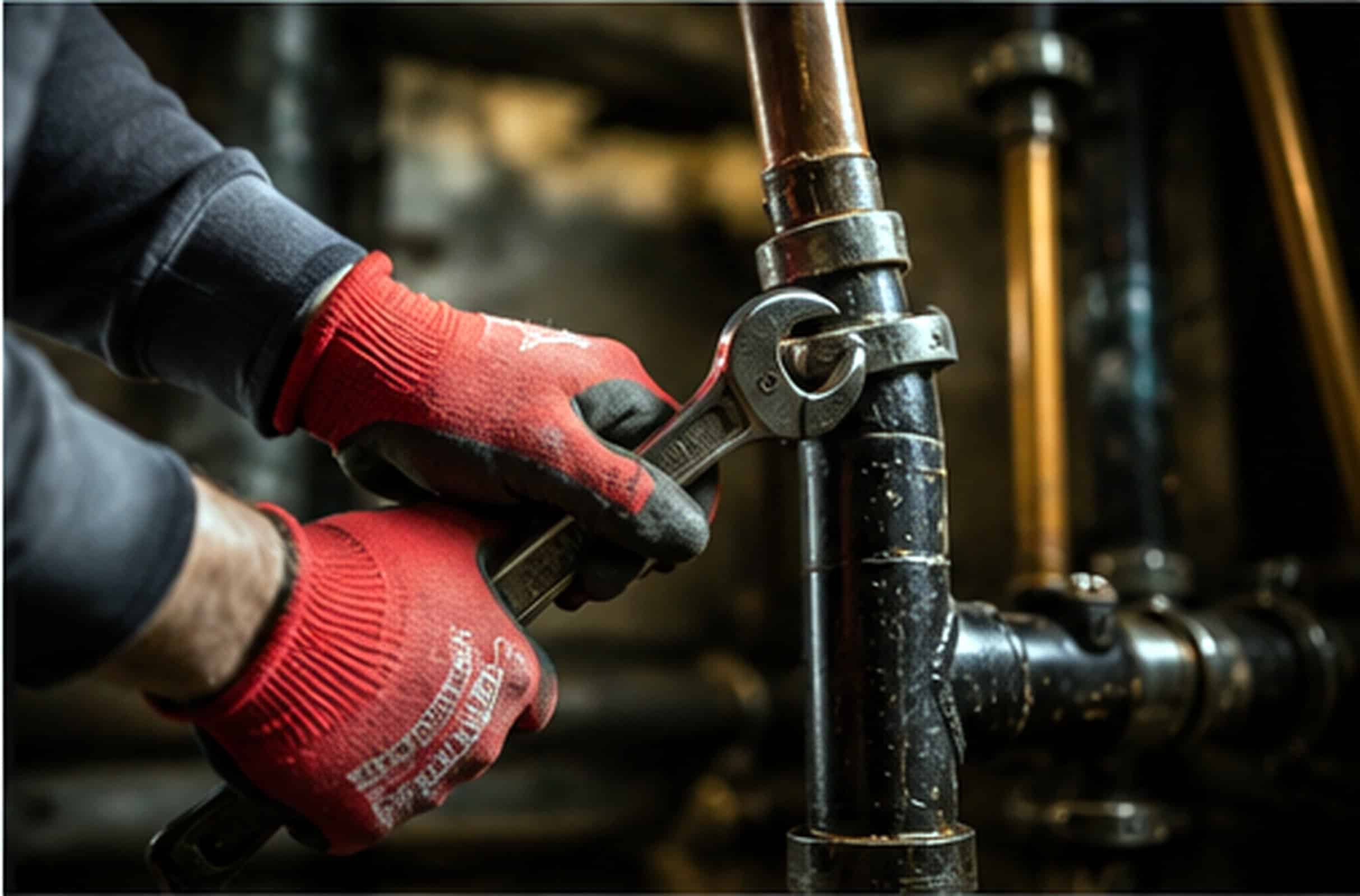
Not every plumber who claims to be available 24/7 actually is. Here's how to find one in Cook County who will show up when it counts.
Share:

Summary:
Here’s the situation: something in your home just failed. Water is going somewhere it shouldn’t, or the hot water is completely gone, and it’s not a convenient hour. You pull up Google, see a handful of plumbers claiming they’re available around the clock, and now you have to figure out who’s actually going to show up — and who’s going to charge you $300 just to answer the phone.
This is the part no one prepares you for. The emergency itself is stressful enough. Picking the right urgent plumber under pressure, without getting burned on price or availability, takes a little more than luck. Here’s what to actually look for.
Nearly every plumbing company in Cook County lists 24/7 availability somewhere on their website. But there’s a documented gap between what’s advertised and what actually happens when you call at 11 PM on a Sunday. A lot of those calls go to voicemail, an answering service that can’t dispatch anyone, or a callback promise that doesn’t come until morning.
That’s not a knock on the industry broadly — it’s just the reality of a dense, competitive market where marketing language has outpaced actual capacity. When you’re dealing with a burst pipe in a Bridgeport two-flat or a flooded utility room in Oak Lawn, “we’ll get back to you” isn’t a solution.
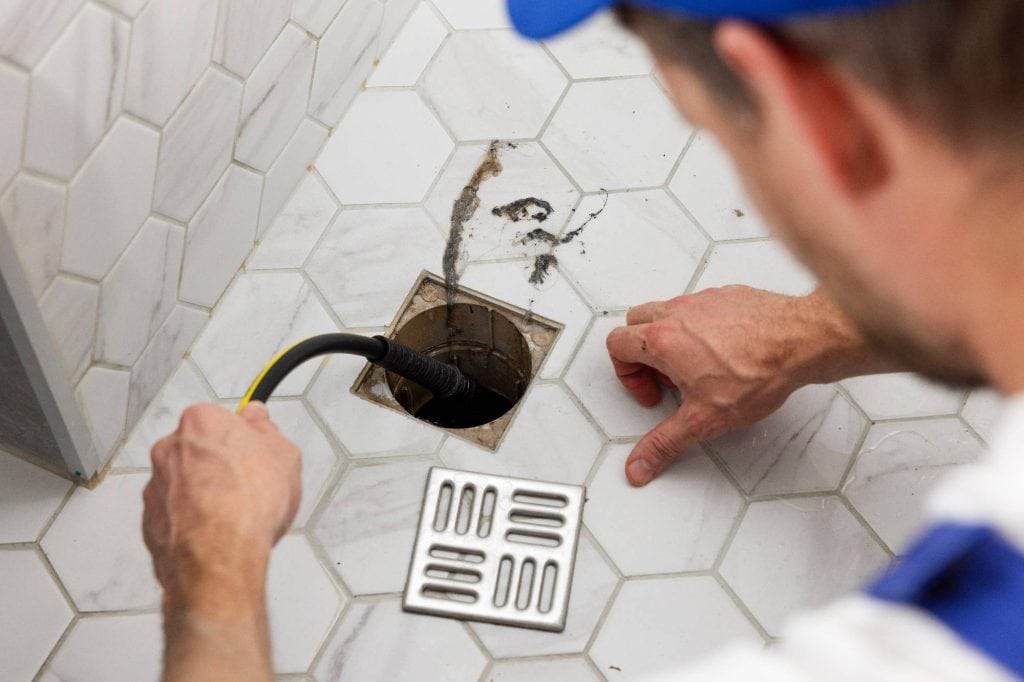
The simplest test is the one most people skip: call the number listed on the website right now, not during business hours, and see what happens. Does a real person answer? Do they ask about your situation and give you a clear next step? Or do you get a recorded message and a promise that someone will call you back?
A plumber who genuinely runs 24/7 emergency dispatch will have someone available to take the call and give you a realistic arrival window. That’s the baseline. If you can’t confirm that before committing, keep looking.
Beyond the phone test, there are a few other things worth checking quickly. Look at recent reviews — not just the star rating, but the text. Reviews that specifically mention late-night calls, weekend availability, or short-notice response are far more useful than a generic five-star comment. If multiple reviewers mention that someone showed up the same day on a weekend, that’s real signal.
Also ask directly: is there an after-hours service fee, and what is it? A legitimate urgent plumber will tell you upfront what the emergency call costs before anyone gets in a truck. If they can’t give you a straight answer on that, it’s a red flag. You should know what you’re agreeing to before you agree to it.
Chicago’s market has no shortage of plumbers, but true emergency availability — the kind where a trained technician is actually dispatched to your address at 2 AM — is rarer than the advertising suggests. The companies that can actually deliver it tend to be the ones that have been doing it long enough to build the infrastructure for it.
Cook County has specific registration requirements for plumbing contractors — including a valid state plumber’s license, $1,000,000 in liability insurance naming Cook County as a certificate holder, and verifiable business references. That’s not a formality. It’s the baseline that separates accountable contractors from whoever shows up in an unmarked van.
Illinois licenses plumbers under the Illinois Plumbing License Law (225 ILCS 320), and becoming a licensed plumber requires a minimum of four years of apprenticeship — thousands of hours of hands-on work before anyone is qualified to touch your pipes professionally. When you hire someone who’s gone through that process and maintained their credentials, you’re not just paying for a tool and a truck. You’re paying for someone who knows what they’re doing and has something to lose if they don’t.
There’s an added layer specific to Chicago that matters here: the city operates under the Chicago Plumbing Code, which has requirements that diverge from the statewide Illinois Plumbing Code. A plumber who works primarily in the suburbs but isn’t deeply familiar with Chicago’s municipal code can create compliance issues — even if the actual repair looks fine. This is especially relevant in older Chicago neighborhoods where the infrastructure itself has quirks that require local knowledge to navigate correctly.
Cook County’s housing stock tells you a lot about why this matters. A significant portion of homes in Chicago were built before 1960. That means clay tile sewer lines susceptible to tree root intrusion, aging galvanized supply pipes, and basement utility setups that don’t always match what newer-construction plumbers expect to find. An experienced Cook County plumber has seen these configurations hundreds of times. Someone without that background is problem-solving in the dark.
When you’re vetting an urgent plumber, ask if they’re licensed and insured — and ask for specifics. A legitimate contractor won’t hesitate to confirm their license status and coverage. If they get evasive, that’s your answer.
A failed water heater is one of the most common emergency plumbing calls in Cook County, and it tends to catch people off guard because the failure is often sudden. One morning you have hot water; by evening you don’t. Or worse, you come home to a leak spreading across the utility room floor.
The first thing to understand is that not every water heater failure is a replacement situation. Many issues — a failed heating element, a tripped reset, a faulty thermostat, or a sediment buildup problem — are repairable without swapping out the entire unit. A qualified water heater plumber should be able to diagnose the issue on the first visit and give you an honest read on whether repair or replacement makes more sense given the unit’s age and condition.

Water heaters have an average lifespan of eight to twelve years. A large portion of Cook County’s housing stock — especially in older Chicago neighborhoods like Archer Heights, Chicago Lawn, and the bungalow belt running through the Southwest Side — has units that are well past that range. When those fail, they don’t always give you much warning.
When you’re looking for a water heater plumber in an emergency, the same vetting principles apply as with any urgent plumbing call: confirm real availability, verify licensing, and make sure you get a clear estimate before any work begins. But there are a few water heater–specific things worth asking about directly.
First, ask whether the plumber handles both repair and replacement, and whether they work on tankless units if that’s what you have. Not every plumber is equally comfortable with tankless water heater systems, which have different diagnostic and installation requirements than standard tank units. If you have a tankless heater and the plumber on the phone seems uncertain about it, that’s worth noting.
Second, ask about the repair-versus-replace decision process. A trustworthy plumber will walk you through the factors — the unit’s age, the nature of the failure, the cost of the repair relative to a new installation — and let you make an informed call. Anyone who immediately defaults to full replacement without a real diagnostic conversation is worth being skeptical of.
Third, if the cost of emergency water heater repair or replacement is a concern — and it often is, given that these calls come without warning — ask whether financing is available. Having a payment plan option can make a real difference when you’re facing a repair bill that wasn’t in the budget.
Chicago winters add urgency to water heater failures that doesn’t exist in warmer climates. Losing hot water when temperatures are in the single digits isn’t just uncomfortable. For households with young children or elderly residents, it becomes a genuine hardship quickly. That’s part of why having a go-to emergency plumber before you need one is worth thinking about now.
This is the question most homeowners dread because they don’t feel equipped to evaluate the answer — and they know that the person giving the recommendation also stands to benefit from the more expensive option. It’s a legitimate concern, and the best way to protect yourself is to understand the basic framework before the plumber arrives.
As a general starting point: if your water heater is under eight years old and the failure is isolated — a single component, not a systemic issue — repair is usually the right call. If the unit is over ten to twelve years old, has a history of problems, or is showing signs of tank corrosion or significant sediment buildup, replacement is often the more cost-effective long-term decision even if a repair would technically work in the short term.
The cost difference matters here too. Emergency water heater repair costs can range from $150 to $750 or more depending on the issue, while a full replacement runs $800 to $3,000 or higher for a standard tank unit — and up to $5,600 for a tankless system. Those are real numbers, and they deserve a real conversation, not a snap judgment made under pressure in your utility room.
A good water heater plumber will show you what they found, explain what caused it, and give you a clear picture of both paths before asking you to decide. Written estimates before work begins aren’t just a courtesy — they’re a basic professional standard, and you should expect one regardless of how urgent the situation feels.
If the plumber you’ve called can’t or won’t explain the diagnosis in plain language, or pushes hard for replacement without walking through the reasoning, it’s reasonable to ask for a second opinion. A legitimate contractor won’t be offended by that. They’ll understand it.
The difference between a good outcome and a frustrating one usually isn’t luck — it’s knowing what to look for before the pressure is on. Real 24/7 availability means a human answers and someone gets dispatched. Proper licensing and Cook County compliance means the work is done right and covered if something goes wrong. Transparent pricing before work begins means no surprises on the invoice.
Chicago’s plumbing infrastructure — the age of the housing, the combined sewer system, the winters — creates real urgency when things fail. That’s not a reason to panic and call whoever answers first. It’s a reason to have a short list of vetted options ready.
If you’re in Cook County and want to talk through what you’re dealing with, we at All Rooter Hydro Jetting Experts Inc have been handling emergency plumbing in Chicago since 2000. Call or text 708-669-3570 — someone will actually pick up.
Article details:
Share:
Continue learning: