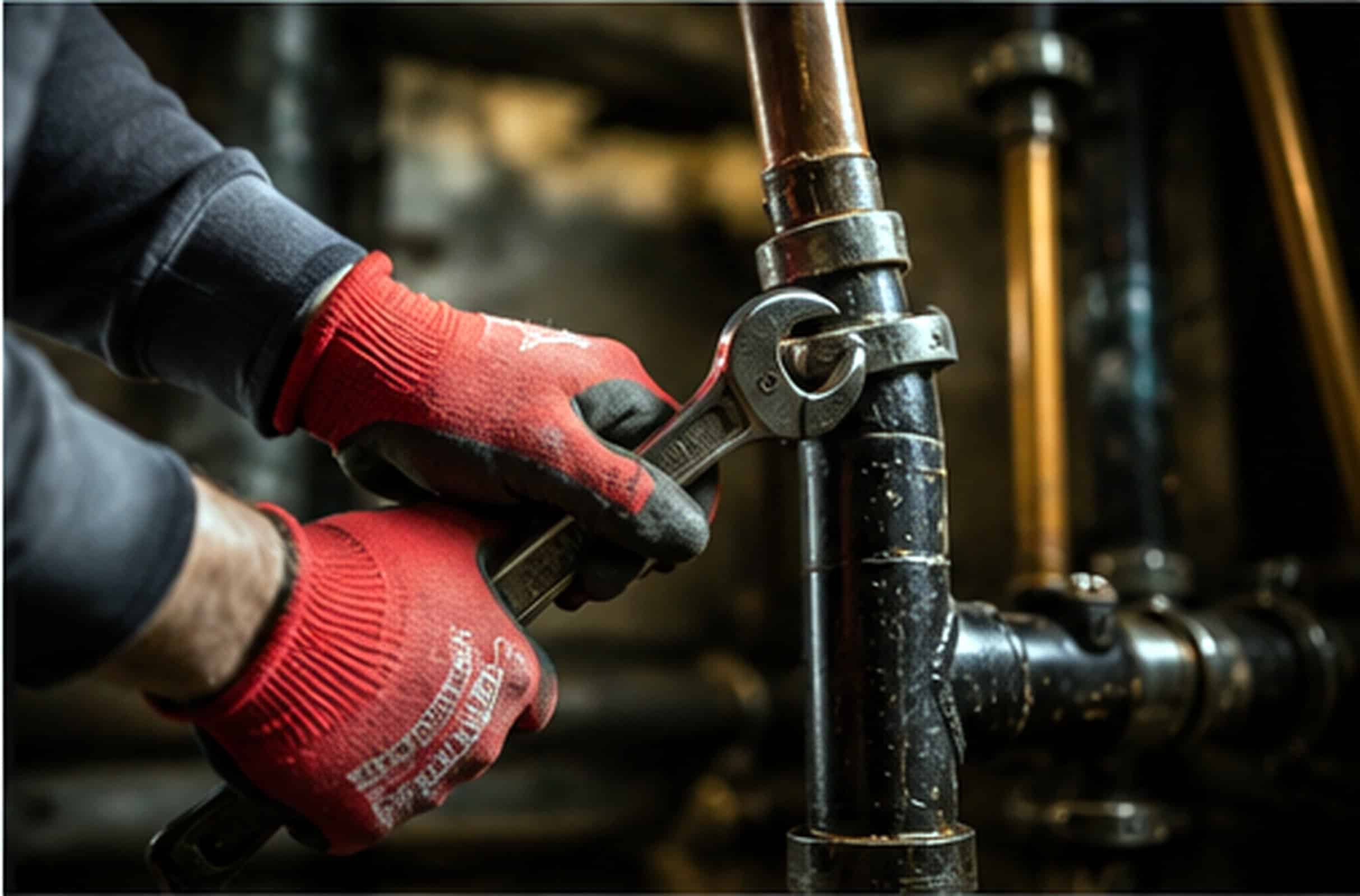
Spending a few hundred on leak detection today can save you thousands in water damage tomorrow. Here's the cost breakdown every Chicago homeowner needs to see.
Share:

Summary:
You’re looking at your water bill and something’s off. Maybe it’s climbed $30 or $50 higher than usual. Or you’ve noticed a damp spot on your ceiling that wasn’t there last week. Now you’re weighing the cost of calling a plumber against the hope that it’s nothing serious.
Here’s what most Chicago homeowners don’t realize until it’s too late: professional leak detection typically costs between $175 and $350. Water damage restoration? That starts around $3,000 and climbs past $8,000 fast. Add mold remediation, and you’re looking at another $500 to $15,000.
The math isn’t complicated. Let’s break down what leak detection actually costs versus what you’ll pay if you wait.
Professional leak detection in the Chicago area typically runs $175 to $350 for most residential jobs. That’s the baseline for a plumber to come out, use specialized equipment to locate your leak, and tell you exactly what’s going on.
Simple leaks with easy access might cost as little as $75 to $150. Hidden leaks behind walls, under slabs, or in hard-to-reach areas can push the cost to $1,000 or more because they require advanced equipment like thermal imaging cameras or acoustic leak detectors.
Slab leak detection specifically ranges from $300 to $800 in Cook County. These are the leaks underneath your home’s concrete foundation that need specialized tools to pinpoint without tearing up your entire floor.
The cost of finding your leak depends on a few straightforward factors. Location matters most. A leak under your kitchen sink takes minutes to find. A leak somewhere in the walls of your three-story Chicago greystone takes specialized equipment and time.
The type of detection method impacts price too. Visual inspection costs less than acoustic detection or thermal imaging, but those advanced tools find leaks that would otherwise stay hidden for months, causing damage the entire time.
Your home’s age and plumbing complexity also factor in. Older Chicago homes with galvanized pipes, multiple additions, or outdated plumbing configurations take longer to diagnose. We need to understand how water moves through your specific system, which isn’t always straightforward in homes built before modern codes existed.
Emergency service adds $100 to $300 on top of regular rates. If you’re calling at 2 AM because a pipe burst, you’re paying for immediate availability. That’s the trade-off for stopping damage right now instead of waiting until morning.
Time of year can influence availability and urgency too. Chicago winters mean frozen pipes and higher demand for emergency plumbers. The sooner you address small leaks before they become winter emergencies, the more you save on both detection and repair.
The equipment itself represents a significant investment by plumbing companies. Thermal cameras, acoustic listening devices, and moisture meters aren’t cheap. You’re paying for technology that locates leaks without unnecessary demolition, which actually saves you money on drywall and flooring repairs later.
Most reputable plumbers in Cook County offer upfront pricing. We quote you a diagnostic fee before starting work, and that fee often applies toward the repair if you hire us to fix what we find. This transparency helps you budget and avoid surprise charges.
You might be tempted to find the leak yourself. Basic visual checks don’t cost anything, and you can buy a moisture meter for under $50. The problem is what you can’t see.
DIY leak detection typically costs around $1,000 when you factor in tools, materials, and your time. But here’s the catch: without professional equipment, you often fix visible symptoms while missing the actual source. Water travels. The damp spot on your ceiling might be ten feet away from where the pipe is actually leaking.
Homeowners who try DIY fixes frequently end up calling professionals anyway, after they’ve already spent time and money on the wrong repairs. Now you’re paying for professional leak detection plus the cost of fixing your DIY attempt. That can push total costs past $5,000 for problems that would have cost $2,000 if handled correctly from the start.
Professional detection finds leaks before they cause structural damage, mold growth, or extensive water waste. The accuracy alone justifies the cost. A plumber with acoustic equipment can hear water escaping from pipes behind your walls without cutting a single hole. When we do need to access the pipe, we know exactly where to cut, minimizing repair costs.
The time factor matters too. A professional pinpoints your leak in hours. You might spend days or weeks troubleshooting, during which the leak continues wasting water and causing damage. Every day you wait, the problem gets more expensive.
Insurance companies also look more favorably on professional documentation. If you need to file a claim for water damage, having a licensed plumber’s report strengthens your case. DIY attempts don’t carry the same weight, and some insurers specifically exclude coverage for damage that could have been prevented through professional maintenance.
Water damage restoration in Chicago averages $2,642 to $8,000 depending on severity. That’s just to dry out your home, remove damaged materials, and prevent mold. It doesn’t include fixing the actual leak or repairing structural damage.
The cost breakdown gets worse from there. Drywall replacement, flooring repairs, and structural fixes add thousands more. If water reaches your electrical system or compromises your foundation, you’re looking at specialized repairs that can exceed $20,000.
Catching leaks early through professional detection stops this cascade before it starts. A $300 leak detection service that finds a slow leak behind your bathroom wall prevents the $5,000 to $15,000 you’d spend on water damage restoration, mold remediation, and repairs six months from now.
Emergency plumbers charge 1.5 to 3 times more than regular service rates. That $200 daytime repair becomes $400 to $600 at midnight. Add the emergency service fee ($100 to $400), and you’re paying $500 to $1,000 before materials.
Burst pipes represent the worst-case scenario. The pipe repair itself might cost $200 to $400, but water damage from a burst pipe runs $1,000 to $5,000 or more depending on how long water flowed before you caught it. If it happened while you were at work or overnight, multiply those numbers.
Emergency water leak repair also means dealing with whatever damage occurred before the plumber arrived. Your homeowner’s insurance might cover sudden, accidental damage, but you’ll still pay your deductible. And if the leak resulted from poor maintenance or neglect, insurance often denies the claim entirely.
The financial impact extends beyond immediate repairs. Higher water bills from hidden leaks can cost you hundreds monthly. A leak wasting just 10 gallons per hour adds up to 7,200 gallons monthly. In Cook County, that’s roughly $50 to $100 extra on your water bill every month until you find and fix it.
Emergency repairs also happen at the worst times. When your pipe bursts at 11 PM on a Saturday, you’re not shopping around for competitive quotes. You’re calling whoever answers and paying whatever they charge to stop the flooding. Preventative leak detection lets you address problems during business hours at regular rates.
The stress factor has real costs too. Emergency plumbing situations mean shutting off your water, dealing with cleanup, possibly relocating your family temporarily, and coordinating multiple contractors for restoration work. Professional leak detection gives you time to plan repairs, get multiple quotes, and handle everything during normal business hours.
Chicago’s aging infrastructure makes emergency repairs more likely. Many Cook County homes have galvanized pipes installed 50+ years ago. These pipes corrode from the inside, restricting water flow and eventually failing. Regular leak detection catches deterioration before pipes burst, giving you time for planned replacement instead of emergency response.
Mold starts growing within 24 to 48 hours of water exposure. Once it takes hold, professional mold remediation costs $500 to $15,000 depending on the extent of the infestation. Small areas might cost $500 to $2,000. Extensive mold affecting multiple rooms or HVAC systems can exceed $10,000.
The health risks make mold remediation non-negotiable. Mold exposure causes respiratory problems, allergic reactions, and serious health issues for children, elderly family members, and anyone with compromised immune systems. You can’t just ignore it or paint over it.
Leak detection prevents mold by catching water problems before they create the damp conditions mold needs. A hidden leak in your wall creates the perfect environment: moisture, darkness, and organic material like drywall for mold to feed on. By the time you see visible mold or smell that musty odor, you’re already looking at remediation costs.
Professional leak detection also includes moisture mapping. We use moisture meters to check areas around the leak for water saturation. This tells you whether you’re dealing with a recent leak that’s still contained or an older leak that’s already caused hidden damage requiring immediate attention.
The remediation process itself is invasive and expensive. Contractors need to contain the affected area, remove contaminated materials, treat surfaces with antimicrobial solutions, and verify through air quality testing that all mold is gone. You can’t live in affected areas during remediation, adding hotel costs or temporary housing expenses.
Insurance coverage for mold is limited. Most policies cover mold only if it results from a covered peril like a sudden pipe burst. Mold from gradual leaks or poor maintenance typically isn’t covered. That means you’re paying the full remediation cost out of pocket, which makes prevention through leak detection even more valuable.
Chicago’s climate creates additional mold risks. Cold winters and humid summers give mold plenty of opportunities to grow. Basements in older Chicago homes are particularly vulnerable. A slow leak in your basement combined with poor ventilation creates ideal conditions for rapid mold growth that can spread throughout your home’s HVAC system.
The numbers tell a clear story. Professional leak detection costs $175 to $350 on average. Water damage restoration starts at $3,000 and climbs to $8,000 or higher. Add mold remediation ($500 to $15,000), emergency repair fees (1.5 to 3x regular rates), and structural repairs, and you’re looking at tens of thousands in preventable costs.
This isn’t about fear tactics. It’s about understanding the actual financial impact of hidden leaks in your Cook County home. Every month you wait to address that higher water bill or damp spot, the problem gets more expensive.
If you’re dealing with unexplained water bills, visible moisture, or just want peace of mind about your older home’s plumbing, we provide professional leak detection throughout Chicago and Cook County. The cost of knowing is a fraction of the cost of finding out too late.
Article details:
Share:
Continue learning: