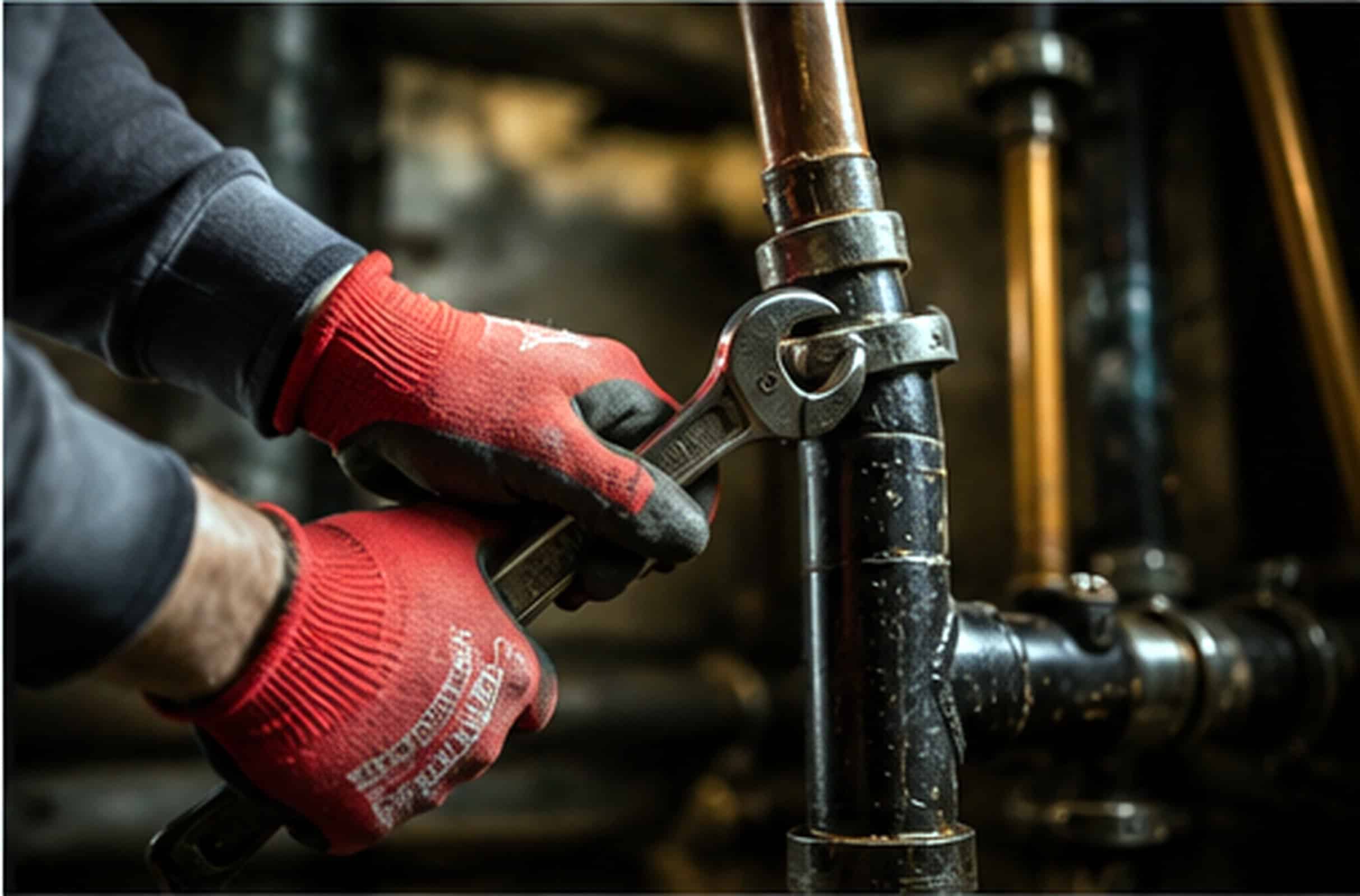
A room-by-room walkthrough for winterizing pipes in Cook County bungalows, two-flats, and older homes — before the polar vortex makes the decision for you.
Share:

Summary:
Most winterization guides were written for houses that don’t look anything like yours. They assume clean pipe runs, modern insulation, and tidy utility rooms. Cook County homes — especially the bungalows, two-flats, and three-flats that make up so much of the region’s housing stock — have their own quirks, their own vulnerabilities, and their own failure points that generic advice completely misses.
Illinois ranks first in the nation for frozen pipe property damage. That’s not a coincidence. It’s the result of extreme cold meeting aging infrastructure, year after year. Here’s how to make sure your home isn’t part of that statistic this winter.
The window for getting ahead of this is shorter than most people realize. Once temperatures in Cook County drop below 20°F — and they will, often for days at a stretch — an unprotected pipe in an unheated space can split in under five hours.
The damage doesn’t always show up immediately, either. Many homeowners discover the problem not when it freezes, but when it thaws and water starts rushing through a crack at several gallons per minute. The pipe doesn’t always burst during the freeze. It bursts when the ice melts and pressure has nowhere to go.
Understanding that changes how you think about preparation. It’s not just about keeping pipes warm, it’s about eliminating the conditions that let ice form in the first place.
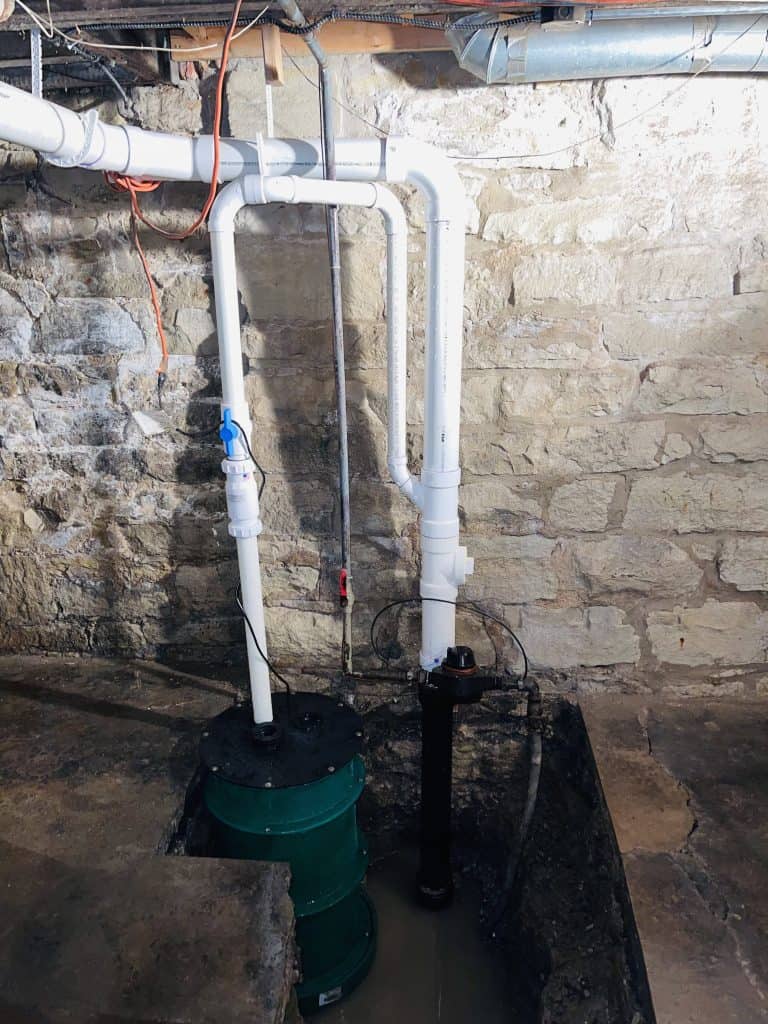
Start in the basement. In a Cook County bungalow, this is almost always where the most exposure lives. The utility room — where your water heater, main shutoff, and supply lines converge — frequently sits against an exterior wall with minimal insulation between the pipe and the outside air.
If you can feel cold radiating off that wall in January, your pipes can too. Foam pipe insulation sleeves are inexpensive and straightforward to install on exposed runs. Pay particular attention to any pipe that runs along the north or west-facing walls, which take the brunt of Cook County’s prevailing winter winds.
The kitchen deserves more attention than it usually gets. In older Cook County homes, the kitchen supply lines often run through an exterior wall — especially in galley-style kitchens on the back of the house. On the coldest nights, leaving the cabinet doors under the sink open lets warm air circulate around those pipes. It’s a small thing, but it works.
Bathrooms on the exterior corners of the house — particularly in two-flats and three-flats where one unit’s bathroom shares a wall with an unheated stairwell — are another common freeze point. If you’ve ever had a slow trickle from a bathroom faucet on a cold morning, that’s your warning sign.
The garage and any coach house on the property are often overlooked entirely. If you have a utility sink, a washing machine connection, or any supply line running through an unheated garage, those pipes need to be drained down before winter or insulated with heat tape. Water left sitting in an unheated garage pipe in a Cook County January isn’t a question of if it freezes — it’s a question of when.
Finally, don’t forget the spaces between. Cook County’s gangways — the narrow passages between buildings — create a wind tunnel effect that drives cold air directly against exterior walls. Pipes running near gangway-adjacent walls, especially in older brick construction where the wall cavity may have little or no insulation, are at higher risk than most homeowners expect.
Outdoor faucets are the most common starting point for winterization, and also the most commonly done halfway. Turning the faucet off at the spigot isn’t enough. The supply line feeding that faucet still has water in it, and if that line runs through an unheated space — which it almost always does in older Cook County homes — it’s going to freeze.
The right process starts inside. Locate the shutoff valve for your outdoor faucet. In most Cook County bungalows and two-flats, this valve is in the basement, usually within a few feet of where the pipe exits through the foundation wall. Turn it off completely.
Then go back outside and open the outdoor faucet to release any remaining pressure and let the water drain out of the line. Leave the outdoor faucet handle in the open position through winter — this allows any residual moisture to escape rather than sitting in the pipe.
There’s also a bleeder valve on most indoor shutoffs — a small cap on the side of the valve body. Once the outdoor faucet is open, crack that bleeder cap slightly to let air into the line and ensure it drains fully. It takes maybe three minutes and it’s one of the most effective single steps you can take. Many homeowners in older Cook County homes have never been shown this step because it’s not in any generic guide.
If you have a frost-free sillcock (a faucet with a longer stem that places the actual shutoff point inside the warm wall), you still need to disconnect any garden hose before winter. A connected hose traps water in the faucet body and defeats the entire frost-free design. It’s one of the most common mistakes we see, and it’s an easy one to avoid.
One more thing worth knowing: Cook County’s water is hard — high in mineral content from the Lake Michigan supply. That mineral buildup narrows pipe diameter over time, which concentrates pressure when freezing occurs. If your home has older pipes and you’ve never had them inspected or cleared, pre-winter is a good time to think about it.
A frozen pipe doesn’t always announce itself dramatically. Sometimes it’s a faucet that produces a trickle instead of a full stream on a cold morning. Sometimes it’s a toilet that won’t refill after flushing. Sometimes it’s nothing at all until the thaw — and then it’s a flooded basement.
Knowing what to watch for gives you a chance to act before a freeze becomes a burst. In Cook County’s older housing stock, where pipes may already be narrowed by decades of scale buildup or weakened by age, the margin between “frozen” and “failed” is smaller than it is in a newer home.

The clearest early sign is reduced water flow at a specific fixture — especially one on an exterior wall or in a room that gets cold quickly. If the kitchen faucet is running fine but the bathroom on the north side of the house is barely trickling, that’s not a coincidence. The supply line to that bathroom is likely in the early stages of a freeze.
Frost on an exposed pipe is an obvious indicator, but it’s not always visible. In Cook County bungalows, the pipes most at risk are often inside wall cavities or tucked behind utility room shelving — out of sight until something goes wrong.
A sudden drop in water pressure throughout the house, without an obvious explanation like a main break in the neighborhood, can signal that a partial freeze is restricting flow somewhere in your system. Unusual sounds — banging, gurgling, or a complete absence of the normal sounds of water moving through pipes — can also point to a developing problem. These aren’t sounds to ignore and revisit later.
In a home with original cast iron or galvanized steel pipes, a developing freeze can progress quickly. If you suspect a pipe is frozen but hasn’t burst, do not use an open flame to thaw it. A hair dryer on low heat, warm towels applied to the pipe, or a heating pad are the safe approaches.
Work from the faucet end toward the frozen section, not the other way around, so that melting water has somewhere to go. If you’re not sure where the freeze is or you can’t safely access the area, call a plumber before you start guessing. The cost of a service call is a fraction of what a burst pipe costs to repair.
There’s a version of this that homeowners can handle themselves — insulating accessible pipes, draining outdoor faucets, keeping cabinet doors open on cold nights. Those steps are real and they matter.
But there’s another version where the right call is picking up the phone. If you have pipes in spaces you can’t easily access — inside finished walls, in a crawlspace, in the unheated mechanical room of a two-flat — professional inspection and insulation installation is worth considering before a problem develops.
The same goes for heat tape installation on pipes that run through consistently cold areas. Heat tape (electrically heated cable that activates automatically when temperatures drop) is one of the most effective protections available for vulnerable pipe runs, but it needs to be installed correctly and use UL-listed materials to be safe.
If a pipe has already frozen and you’re not sure whether it’s cracked, don’t wait for the thaw to find out. We can use camera inspection equipment to assess the condition of the pipe before water starts moving through it again. That’s a much better situation than discovering the damage when your basement has two inches of water in it.
For homes in Cook County that haven’t had a professional plumbing inspection in several years — particularly homes with original-era cast iron or galvanized steel pipes — pre-winter is genuinely the right time to get eyes on the system. Not because something is necessarily wrong, but because knowing the condition of your pipes before the hardest months of the year is far better than finding out during them.
We’ve been doing this work in Cook County since 2000. We know what the plumbing in a Southwest Side bungalow looks like, we know where the freeze points are in a Bridgeport two-flat, and we know how to give you a straight answer about what your specific home actually needs — without overselling you on work that isn’t necessary. Free estimates are available, and we’re reachable by call or text at 708-669-3570 any time of day.
The steps that protect Cook County homes from frozen pipes aren’t complicated, but they are specific. Generic advice skips the bleeder valve. It doesn’t mention the gangway-adjacent wall. It doesn’t account for the fact that your two-flat’s shared utility space might have pipes serving both units running through an unheated stairwell.
The room-by-room approach exists because that’s how real homes work — risk isn’t evenly distributed, and preparation shouldn’t be either. Start with the basement utility room and outdoor faucets, work through the kitchen and exterior-wall bathrooms, and don’t forget the garage or coach house if you have one.
If any part of this process surfaces something you’re not sure about — pipes you can’t access, a shutoff valve you’ve never located, a basement that runs colder than it should — All Rooter Hydro Jetting Experts Inc is here to help you sort it out before the temperature drops, not after.
Article details:
Share:
Continue learning: